

No oversight: Denver’s homeless plan cost $20 million more than previously reported, auditor says
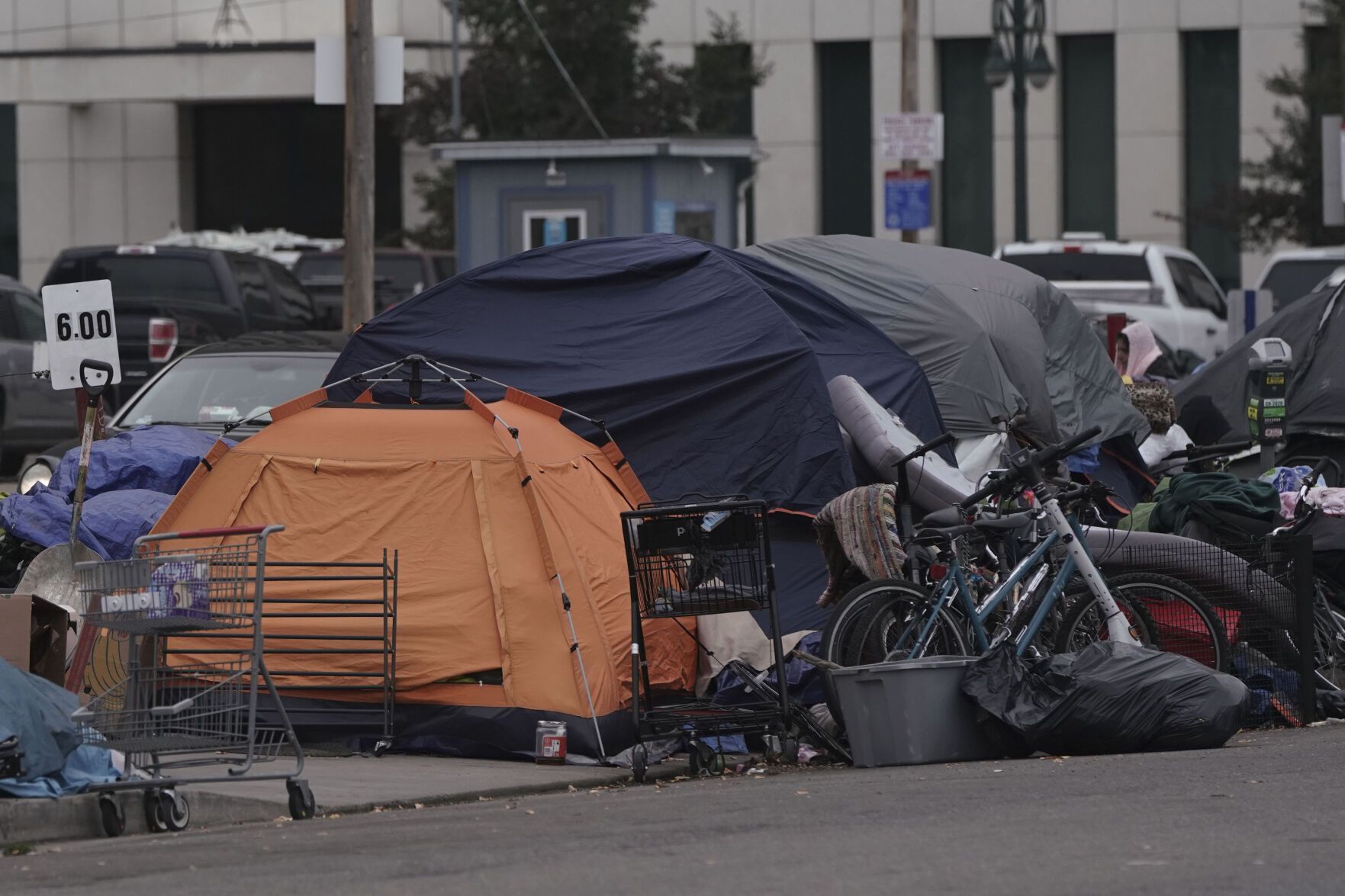
Mayor Mike Johnston’s campaign to curb homelessness has cost the city an estimated $20 million more than previously reported, Denver’s auditor concluded.
The audit determined that the mayor’s initiative was poorly planned, with underreported expenses, no monitoring plan, inadequate “equity” considerations in shelter siting, and no one responsible for tracking the program’s citywide expenses.
The mayor’s office disputed the findings, calling some “instances” of the audit “willfully misleading.”
“$20 million in underreported costs is a lot of money, especially when the Mayor’s Office is cutting budgets,” Auditor Timothy O’Brien said in a statement Thursday. “It is alarming there’s been no central oversight of spending and measurements of success keep changing.”
Shortly after he was elected in 2023, Johnston, who promised to end homeless in his first term as mayor, declared a state of emergency and launched what he called the “House 1000” initiative. After the emergency ended, the program transitioned to what he dubbed as “All In Mile High.”
As envisioned, it would deliver homeless services through the Mayor’s Office, the Department of Housing Stability and other city agencies.
During an October 2025 presentation to the Denver City Council, Johnston’s office reported that the total cost of the program from July 2023 through June 2025 was about $158 million.
When auditors compared expenses in Workday, the city’s official system of record, they found that roughly $178.1 million was spent over the same period.
Auditors said the Mayor’s Office could not substantiate the figures and “refused” to give auditors access to “House 1000” expense-tracking spreadsheets, citing them as “deliberative planning documents.”
Johnston’s office fired back in a statement, arguing that the audit “misstates key facts and is, in some instances, willfully misleading.”
“This is not true,” the mayor’s office said. “The Mayor’s Office did provide supporting documentation, including on the $158 million figure, and also provided a HOST analyst to walk through all of the figures. These figures were accurate at the time of our reporting. The only spreadsheet that we declined to provide was a deliberative, incomplete document from the early days of House 1000 that had nothing to do with the figures cited in this report.”
Johnston’s office said it did not underreport any figures.
“For a program in its third year and approaching $200 million in costs, not tracking expenses is irresponsible,” O’Brien said. “The Mayor’s Office’s unwillingness to share how they are calculating expenses also raises red flags.”
The audit also criticized the city’s public dashboard, which reports on the outcome of those entering the All In Mile High (AIMH) program, saying it did not fully align with the mayor’s goals and did not separately count people in permanent and stable housing.
The city’s progress toward its homeless goals is unclear due to flaws in its online dashboard, auditors said.
The dashboard includes data about people in all of the city’s unsheltered homelessness programs, not just AIMH.
The city’s “moved to housing” metric on the dashboard counts people moved to permanent housing and stable housing, auditors said. The city included temporary reunifications with friends or family and hotels paid for by the homeless person as stable housing.
Bottom line, the numbers can be confusing, the auditors said.
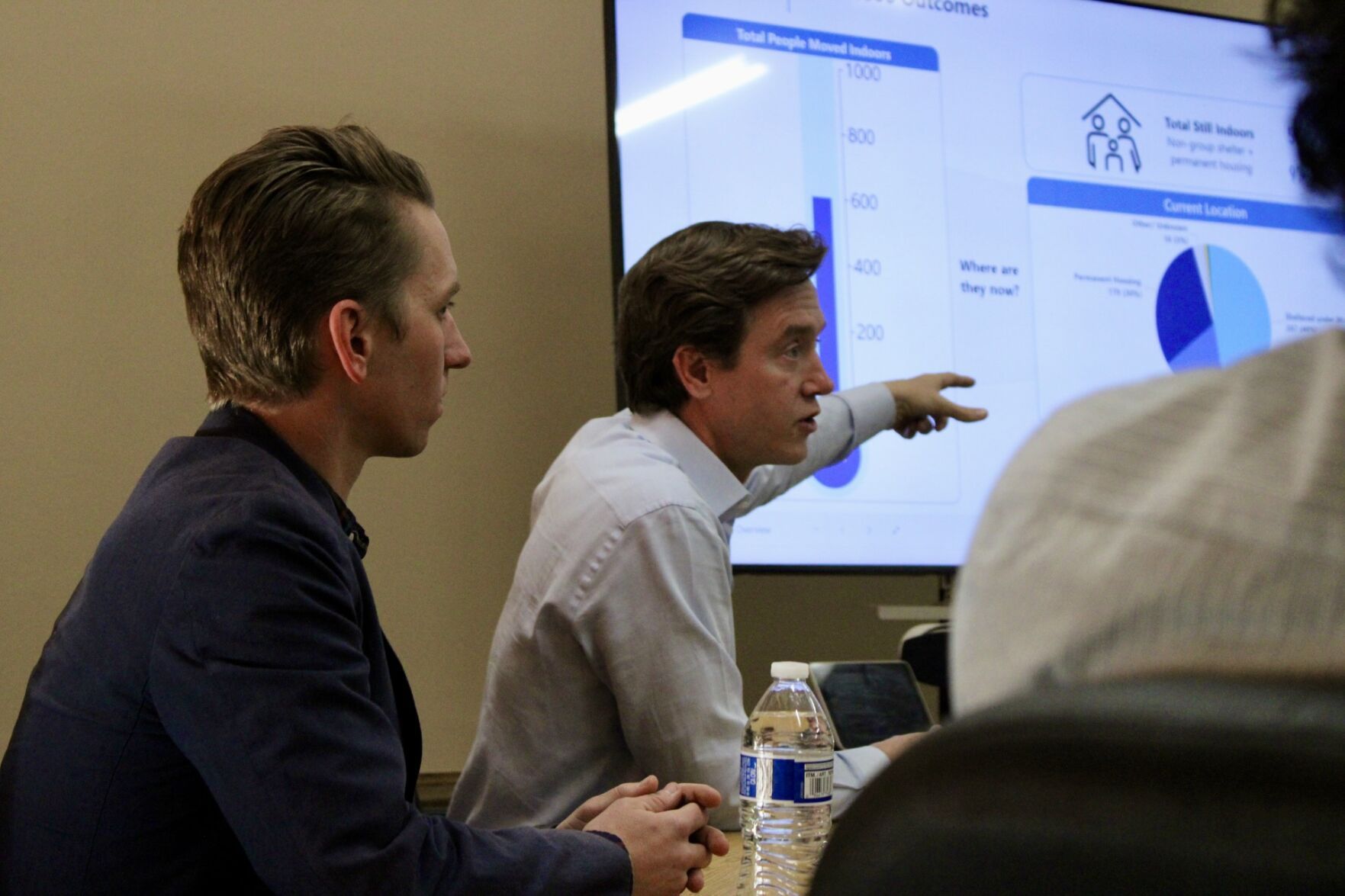
Cole Chandler, the mayor’s senior homelessness policy adviser, told auditors that the dashboard was first developed to track the city’s initial efforts to house 1,000 people, then 2,000 people, and that the city has tried to correct errors over the years.
The citywide dashboard, which reflects both AIMH efforts and other homelessness and housing resources funded by the City and County of Denver, provides a holistic view of how Denver addresses homelessness, Johnston’s office said.
“Designing dashboards is very time-intensive, very energy-intensive and requires a lot of staff and a lot of input, and again, it just wasn’t something that we felt like we needed to go back and do over again at this point in time,” Chandler said. “Also, this year, the All In Mile High citywide goal is not about whether or not we move 2,000 people indoors or not. It’s about measuring our response times to homelessness.”
Chandler added that while tracking the city’s progress is important, it is “not worth going back and continuing to build new dashboards that would be put out on the website and change year over year over year.”
Auditors also noted that Denver did not meet its own goal of establishing shelters in all City Council districts.
City officials said they were able to achieve their initial goals around homelessness “without adding shelters to every district, saving money and resources in the long run.”
City officials said the rollout addressed “equity” by adding facilities to previously underrepresented districts.
The Mayor’s Office disagreed with five of the audit’s 12 recommendations to improve planning, transparency, and accountability.
The city’s budget woes have triggered shifts in Johnston’s campaign to eliminate homelessness in Denver.
Two notable shifts included the city’s decision to transition from flat-fee to performance-based contracts for shelter services and the closure of two shelter facilities — the Comfort Inn and the Monroe Village micro-community.
Last summer, the city announced that it would terminate leases for two hotel shelters, the Radisson and the Comfort Inn, and close the Monroe Village micro-community, resulting in savings of nearly $11 million.
Closing shelters would also reduce the number of available shelter beds, prompting the city in 2026 to focus more on reducing the length of stay to improve “throughput,” thereby exiting residents into more permanent housing options.
Although fewer people are sleeping on the streets in Denver, the total number of homeless individuals in the city has grown, a 2025 report showed.
In 2025, a total of 7,327 people were counted as homeless — a number that grew by 788 over 2024, according to the newest annual point-in-time count released by the Metro Denver Homeless Initiative in June.
The point-in-time count is a nationwide, yearly, unduplicated count of the homeless population conducted on a single night in January.


Thank God for Wyoming — the un-Colorado | Jon Caldara
Jon Caldara
jon-caldara@coloradopolitics.com
Updated 1 day ago
Years ago, I interviewed a Canadian health-care broker whose job was helping his countrymen escape their own failing system. When their “free” health care turned into “free to wait until you die,” he’d save his clients by routing them to...

With new medical school set to open, Feinstein will step down as UNC president
Hap Fry, Special to The Gazette
hap-fry@gazette.com
Updated 5 hours ago
GREELEY • Dr. Andrew “Andy” Feinstein, the charismatic president of the University of Northern Colorado, has announced that he will step down from his leadership role just on the cusp of what is perhaps his signature accomplishment being realized. He’ll...
It’s time to let unaffiliated voters caucus | Vince Bzdek
Vince Bzdek
vince.bzdek@gazette.com
Updated 1 day ago
There’s no getting around it: Colorado’s 3,000 county caucuses, which just wrapped up recently, left half the electorate out in the cold. Since unaffiliated voters now make up 51% of all Colorado voters, a majority of Colorado electors are barred...

The insular bubble of caucuses and assemblies | SONDERMANN
Eric Sondermann
eric-sondermann@coloradopolitics.com
Updated 3 days ago
Nearly 30 years ago, then-Federal Reserve Chairman Alan Greenspan coined the term “irrational exuberance” to describe the overheated stock market. That descriptive phrase could also apply to much of the political realm. The hype in politics often grossly exceeds the...

Colorado Politics Calendar Mar. 23-29
Rachael Wright, Special to Colorado Politics
rachael.wright@coloradopolitics.com
Updated 3 days ago
CoPo’s weekly political calendar will help you find political and public-policy events throughout Colorado. It includes candidate and issue campaign events, public policy meetings, court hearings, state and local party conventions, assemblies, debates, rallies, parades, speaking engagements, traveling dignitary appearances,...
A Mile High, again: Capitol M | Week of March 21, 2026
Marianne Goodland
marianne.goodland@coloradopolitics.com
Updated 4 days ago
The lighter side of the Capitol, usually…. Local Journalism Day, except they forgot their very own local journalists. The state Senate on Thursday, March 19, passed a resolution recognizing Local Journalism Day. Everyone voted for it, which is good, because...
Governor warns energy development both a boon and a risk to Colorado | A LOOK BACK
Rachael Wright, Special to Colorado Politics
rachael.wright@coloradopolitics.com
Updated 4 days ago
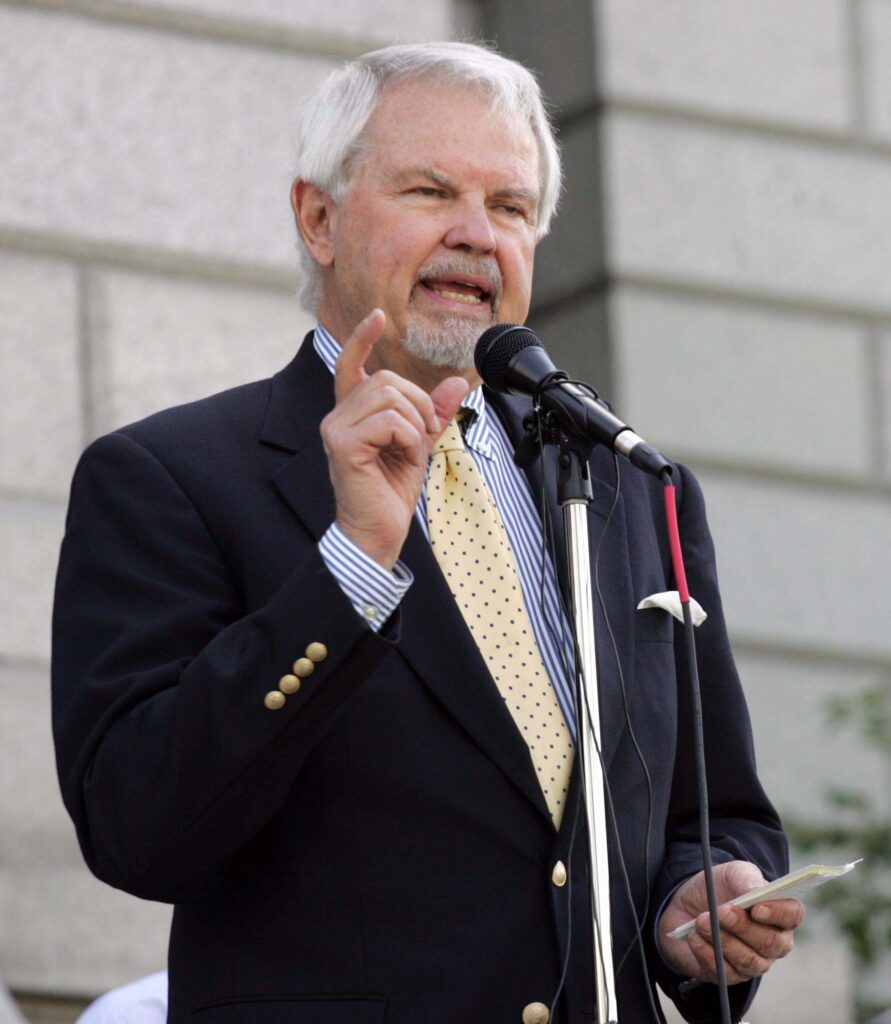
Forty-Five Years Ago This Week: “The real opportunity and the dangers before us are both real,” said Gov. Dick Lamm in his January state of the state address before the Colorado General Assembly. Lamm argued that energy development would continue...

Lauren Boebert’s hard ‘no’ on Pentagon Iran funding request puts Mike Johnson in tough spot
Emily Hallas, Washington Examiner
emily.hallas.washington.examiner@gazetteedit.wpenginepowered.com
Updated 2 days ago
Colorado U.S. Rep. Lauren Boebert announced on Thursday that she will not support further funding for the United States’s war in Iran, marking an uphill battle for the Trump administration’s effort to secure additional financing from Congress. “I’ve already told...
Rubio gains ground in 2028 jockeying as Iran war elevates his profile
Samantha-Jo Roth, Washington Examiner
samantha-jo.roth.washington.examiner@gazetteedit.wpenginepowered.com
Updated 2 days ago
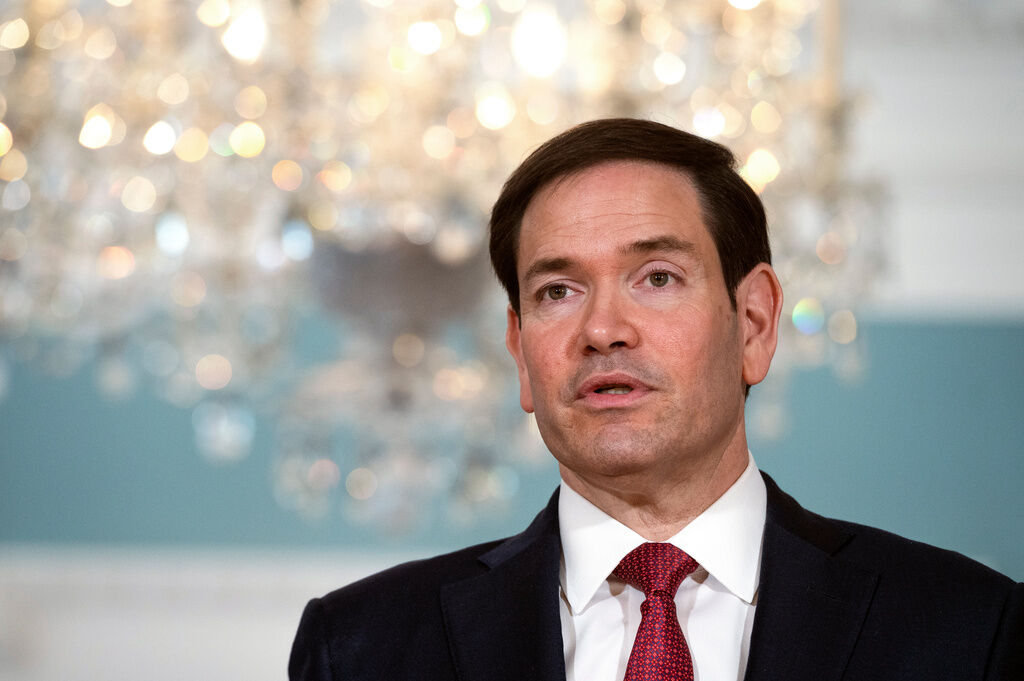
Secretary of State Marco Rubio’s high-profile role in the Trump administration’s response to the Iran war is boosting his standing in the early jockeying for the 2028 Republican presidential nomination — and positioning him as a possible rival to Vice...

Federal judge dismisses claims against medical contractor for Eagle County jail suicide
Michael Karlik
michael.karlik@coloradopolitics.com
Updated 2 days ago
A federal judge dismissed the claims against a medical contractor for the Eagle County jail and its employees earlier this month, concluding there were insufficient allegations that they violated the constitutional rights of a man who died by suicide in...