

After ‘winter of defeat,’ Colorado hopes for wetter summer
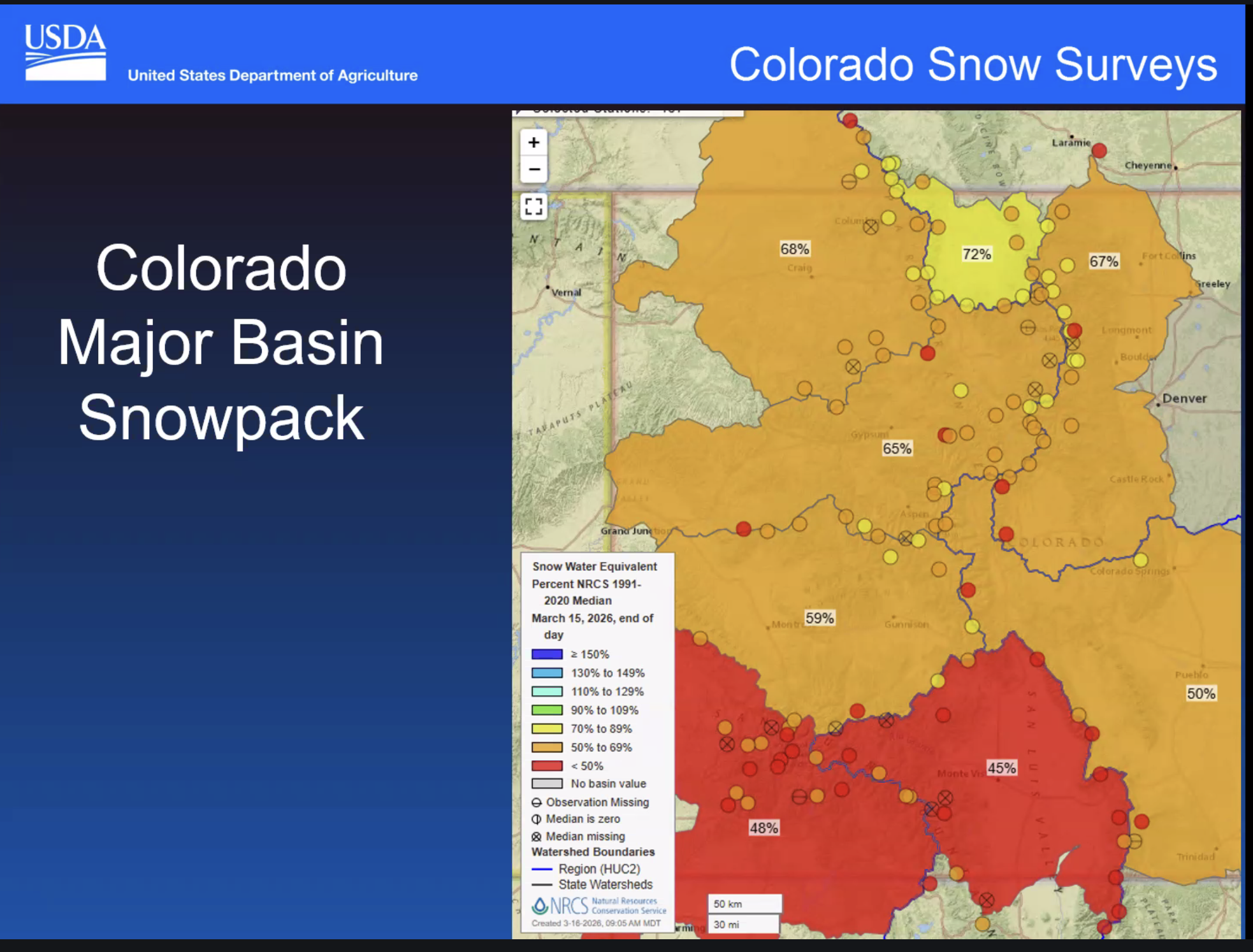
With snowpack melt already peaking in some parts of the state and drought conditions worsening compared to last year, Colorado’s water watchers are hoping for a wetter summer, though they anticipate the situation deteriorating before getting better.
Meanwhile, the governor has convened a drought task force, which was last constituted five years ago.
There was a little hope for what would follow the “winter of defeat,” according to Assistant State Climatologist Peter Goble at the Colorado State University Climate Center.
Unsurprisingly, the state got “skunked” for moisture in February, with little snowfall to help avoid worsening drought, Goble said at the meeting of the Water Conditions Monitoring Committee.
He noted the U.S. Drought Monitor reported a year ago that about 27% of the state was in moderate drought. As of last week, more than 64% of the state is in moderate drought, while severe drought now covers more than a third of Colorado. A year ago, it was at just under 8%.
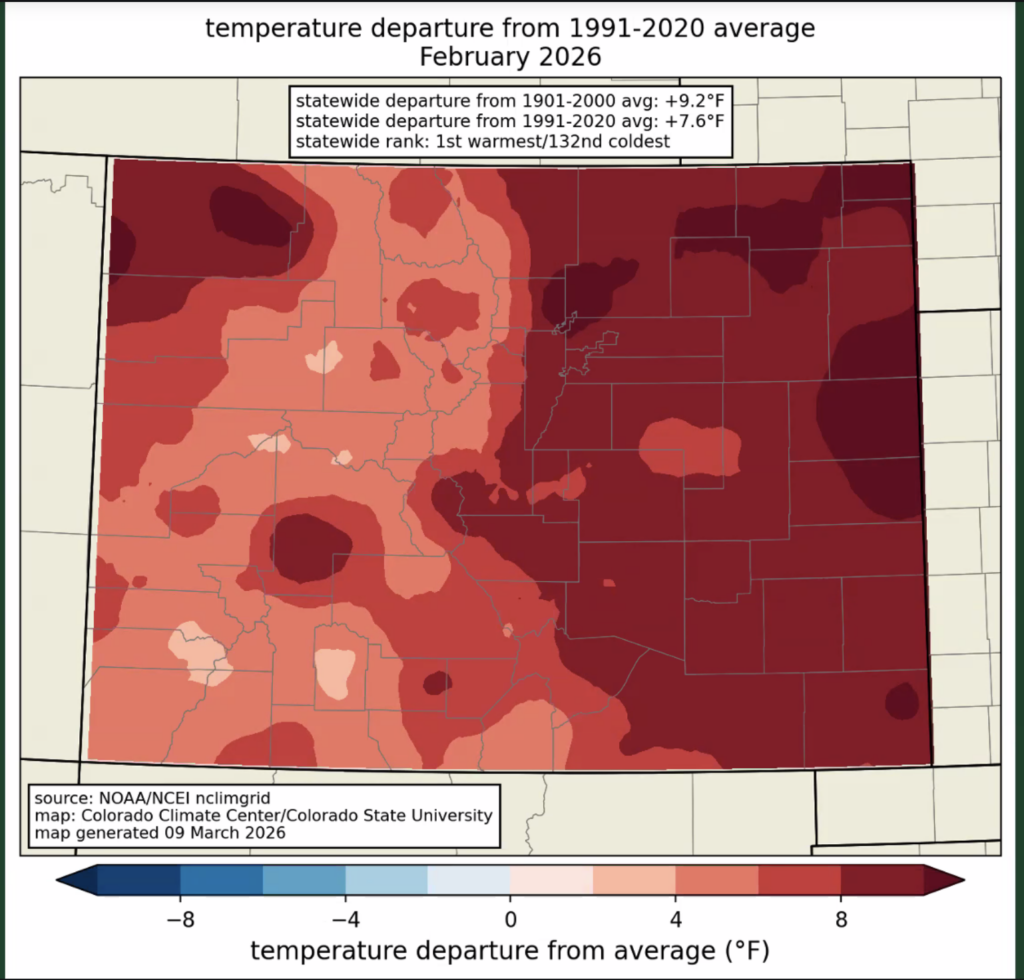
Temperatures in February were the highest on record at 7.6° F above the 1991 to 2020 normal, and 9.2° F above the 20th century average, he said.
Still, there’s a glimmer of hope.
Goble said seasonal forecasting models show a potential for a wetter than normal summer, particularly over Western Colorado, although the same models show a drier than normal summer on the Eastern Plains.
“There’s a better than normal shot of active monsoon this summer,” but, he added, things are likely to get worse before they get better, with a pending heat wave later this week.
The Water Conditions Monitoring Committee is a group of water providers and staff from the Colorado Water Conservation Board that meets monthly to review upcoming precipitation and temperature forecasts. This time of year, the focus is on snowpack.
Monday’s storm, primarily a Front Range event, did little to dent the drought or improve snowpack, Goble said.
The warmer temperatures, combined with windier than normal conditions, means snowpack is already melting and has already peaked in some parts of the state. Leaves are sprouting on trees three weeks early, he added.
Colorado is not alone in its weather troubles, said Brian Domonkos of the Natural Resources Conservation Service, part of the U.S. Department of Agriculture.
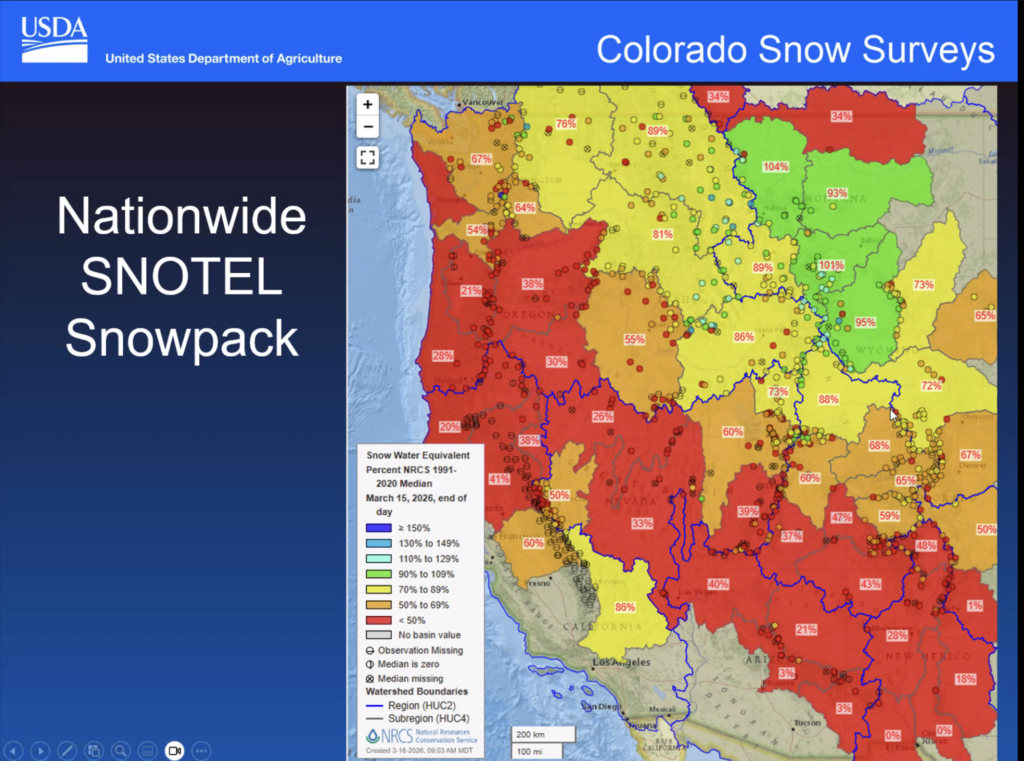
Domonkos said he looked at snowpack, soil moisture and reservoir levels — and none of it is encouraging.
The entire state is very poor for snowpack, he said.
The state snowpack is at 59% of median, a massive deficit that means about 5 inches less water in the snow than the average. That’s about a 40-year low, Domonkos said.
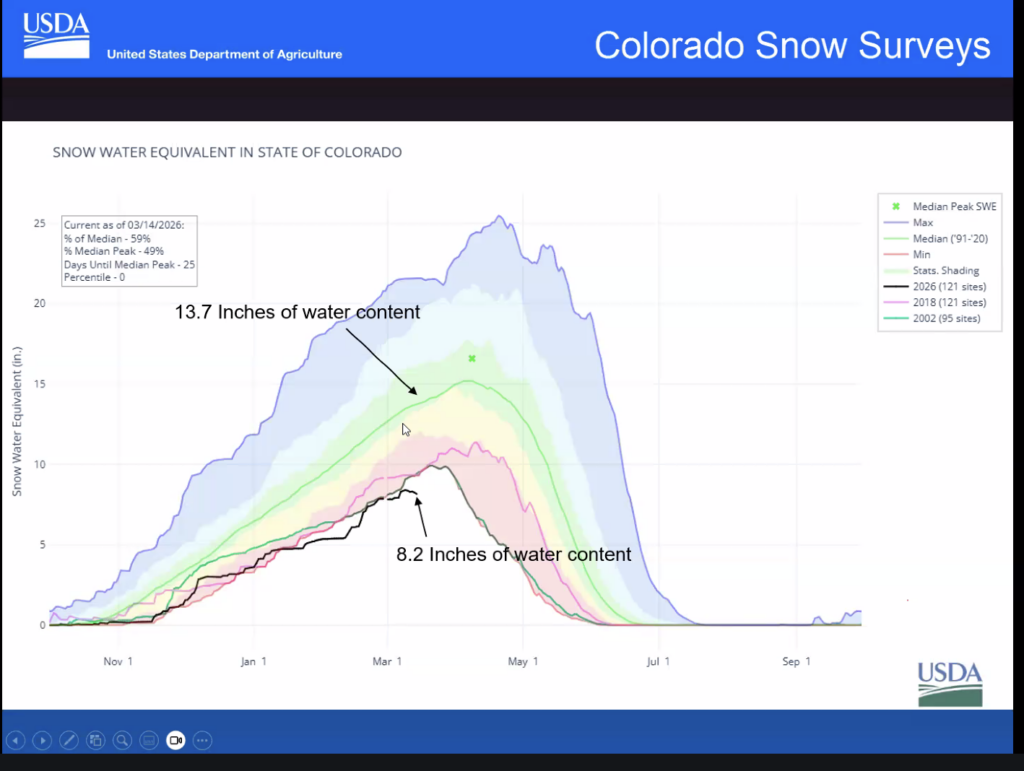
In some basins, the snowpack melt has already peaked. He noted the possibility of cold temperatures and more snow, stating that there have been years with late spring snows, such as in 1981. But he said that kind of scenario isn’t particularly likely.
More than half of the state’s 118 Snotel sites, which show snowpack around the state, show record low levels in almost every basin. Of those sites, more than half are at the lowest or second lowest in history.
Overall precipitation for Colorado is at 12.7 inches, the third lowest on record, he said.
On Tuesday, Gov. Jared Polis activated the state’s drought task force, acting on recommendations from the Water Conditions Monitoring Committee and its partner agencies.
The task force will help the state better understand and elevate the local, regional, and sector-specific impacts of worsening drought conditions, the governor’s office said in a news release.
The drought task force, last activated in 2020, brings together senior leadership from the departments of natural resources, agriculture, local affairs and the Division of Homeland Security and Emergency Management.
“Drought does not impact every community in the same way,” said Colorado Water Conservation Board director Lauren Ris. “The Drought Task Force helps the state understand where impacts are being felt the most, and elevates those local challenges so we can better coordinate response and support communities across Colorado.”


Artificial intelligence working group agrees on framework to replace Colorado law
Marianne Goodland
marianne.goodland@coloradopolitics.com
Updated 1 hour ago
A group that has been working on artificial intelligence policy has reached an agreement on a framework that would replace the regulations adopted by Colorado legislators two years ago. The agreement has the backing of Gov. Jared Polis, who reluctantly...
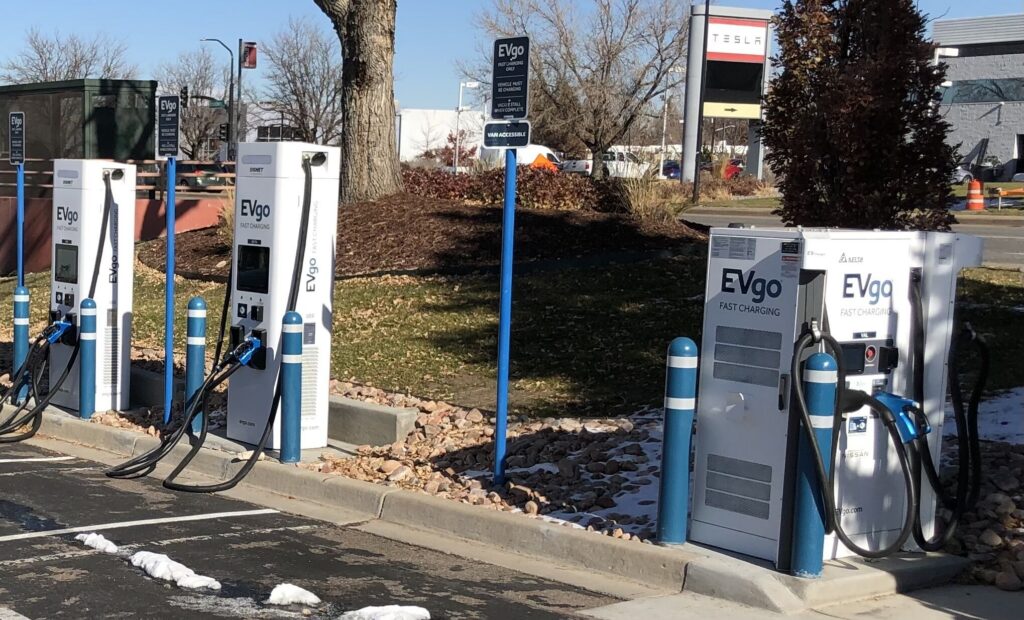
Colorado, Democrat states oppose proposal to require EV chargers be made with 100% domestic components
Scott Weiser
scott.weiser@gazette.com
Updated 5 hours ago
Colorado has joined a coalition of about 20 states in opposing a federal proposal that would require electric vehicle chargers funded with federal dollars to be made with 100% domestic components. The Federal Highway Administration is considering raising the domestic...
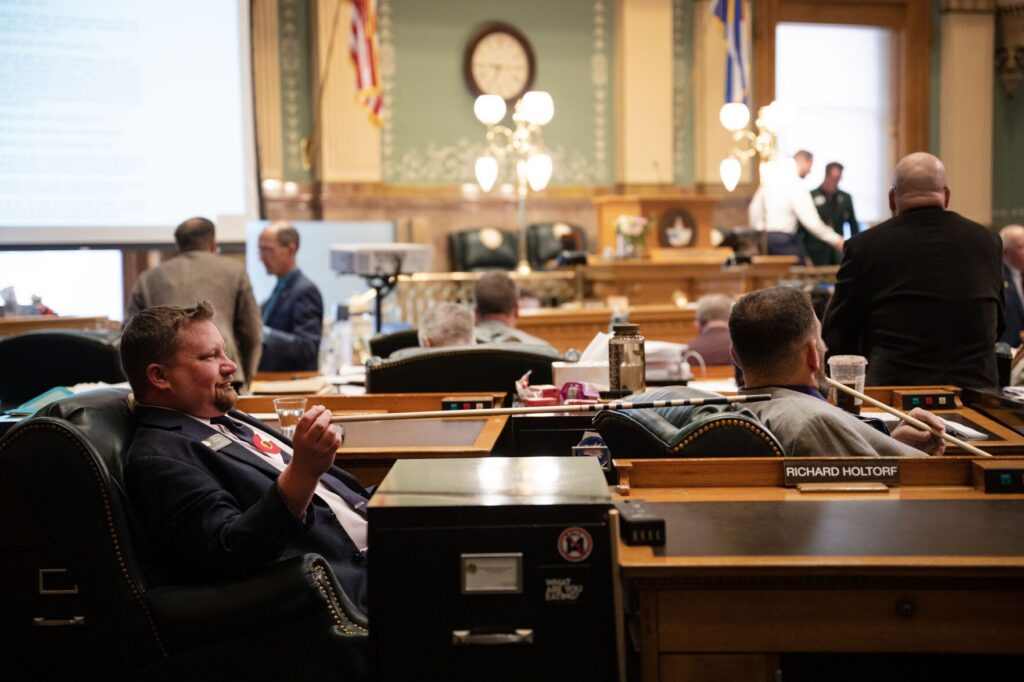
Colorado ethics panel tells legislator to attend sexual harassment training
Marianne Goodland
marianne.goodland@coloradopolitics.com
Updated 2 hours ago
Colorado’s House ethics panel admonished a Republican legislator over allegations he used a master key to access areas of the Capitol that he was not permitted to enter and that he had made sexually harassing comments to several female lawmakers....
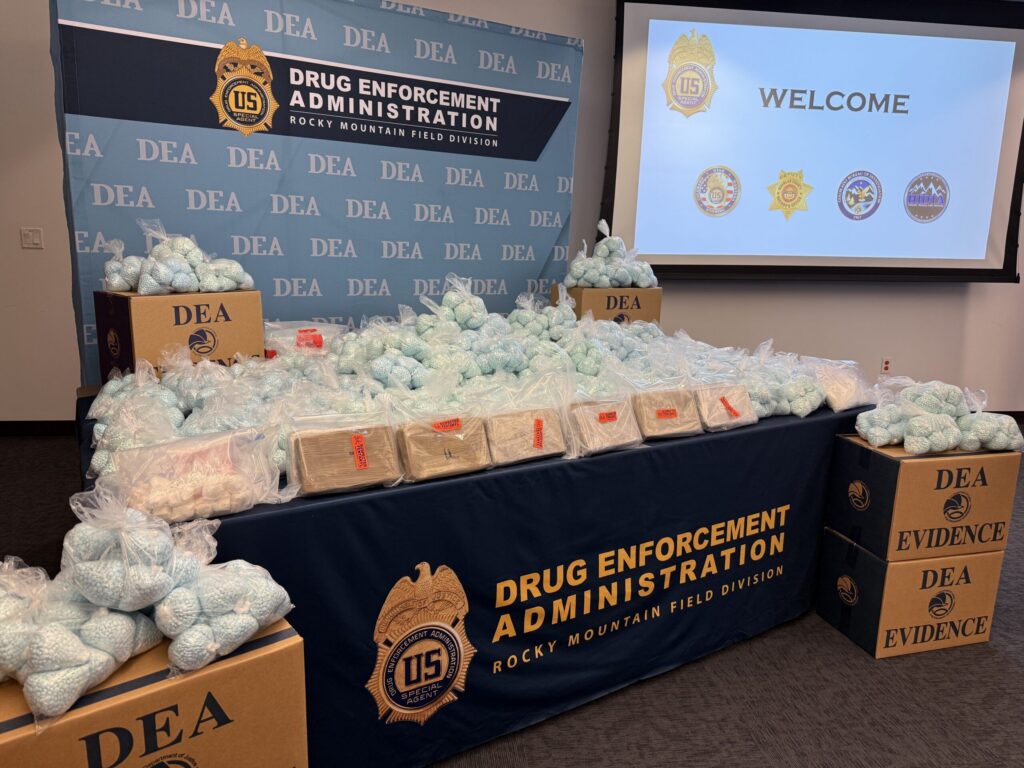
Overdose deaths from opioids dip in America — but not in Colorado, study says
Jacob Mauk
jacob.mauk@denvergazette.com
Updated 10 hours ago
Overdose deaths from opioids rose in Colorado, diverging from the national trend, which has been decreasing, according to a new study from a think tank. In its new report, the Common Sense Institute said synthetic opioid overdose deaths in Colorado...
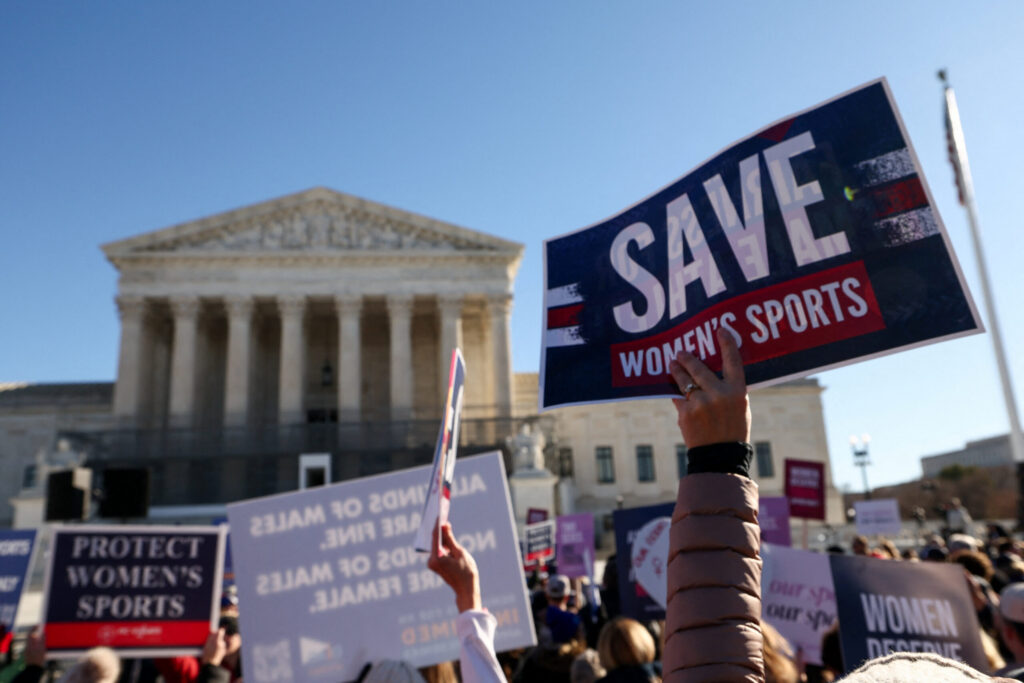
Colorado voters will decide whether transgender students can join girls’ sports
Marissa Ventrelli
marissa.ventrelli@coloradopolitics.com
Updated 10 hours ago
A ballot initiative that would require student athletes to only join sports teams that correspond to their biological sex has qualified for the November ballot, the latest development in the culture war being waged in school districts, in the courts...
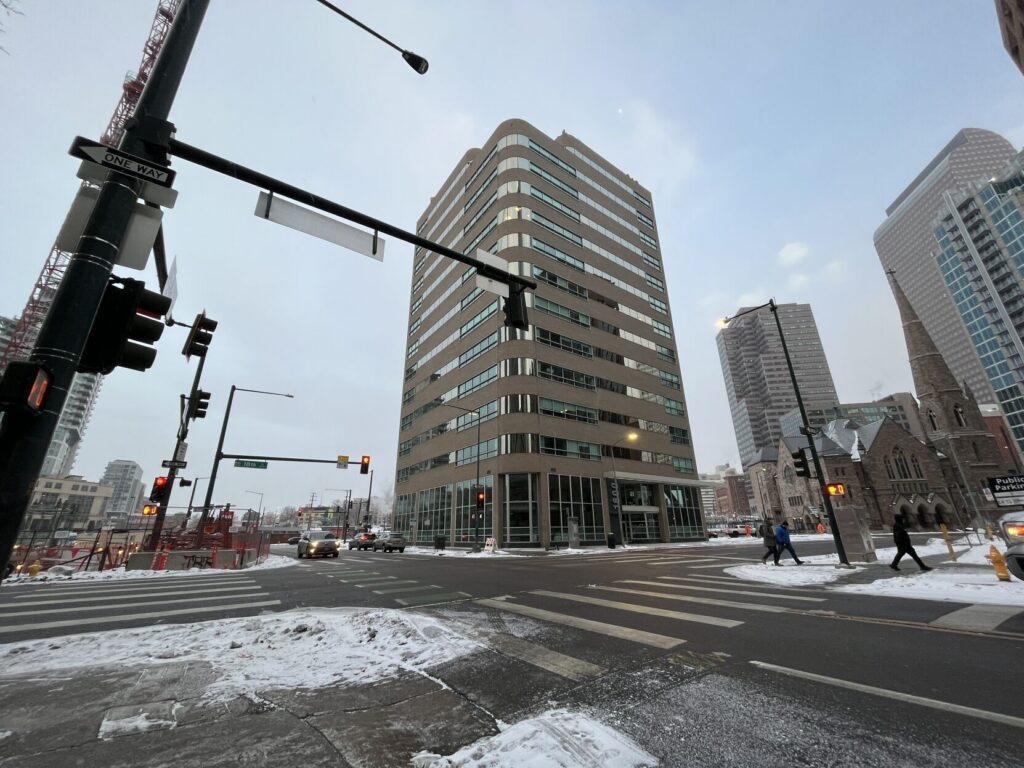
Hacked crosswalks in Denver sound anti-Trump messages
Deborah Grigsby
deborah.smith@denvergazette.com
Updated 23 hours ago
Denver pedestrians got a surprise this weekend when the audio messages from push-button speakers on some crosswalks were mysteriously replaced with anti-President Donald Trump messages. “The walk signal is on, Trump … (reference to the Iran school that was bombed),”...
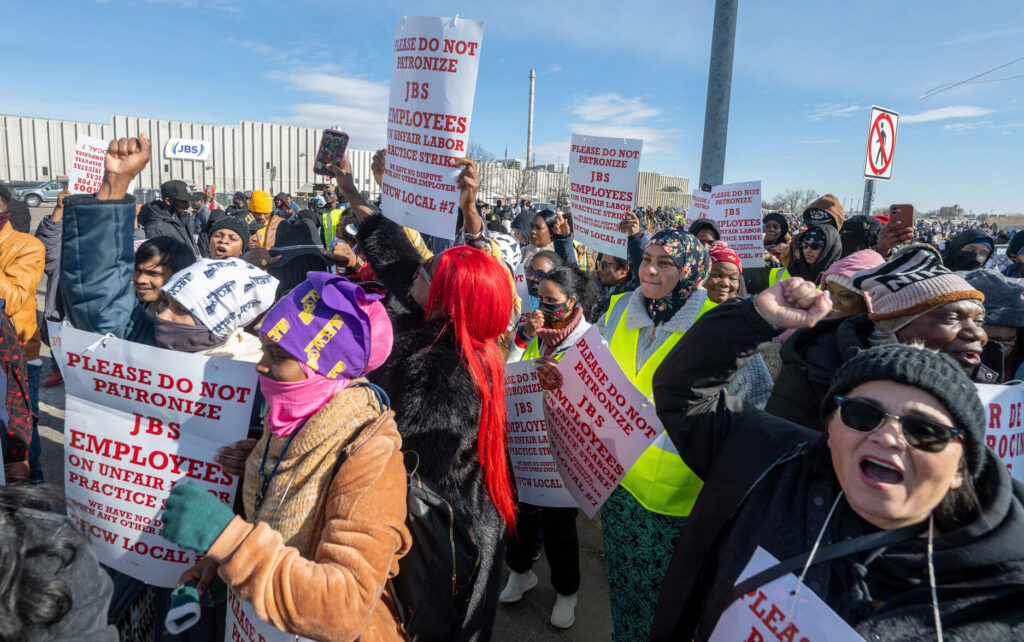
3,800 Colorado workers are on strike at JBS, one of the largest meatpacking plants in the US
Brittany Peterson
brittany.peterson@associatedpress.com
Updated 1 day ago
GREELEY, Colo. (AP) — About 3,800 workers at one of the nation’s largest meatpacking plants went on strike Monday in Colorado in what union representatives said was the first walkout at a U.S. beef slaughterhouse in four decades. Hundreds of...
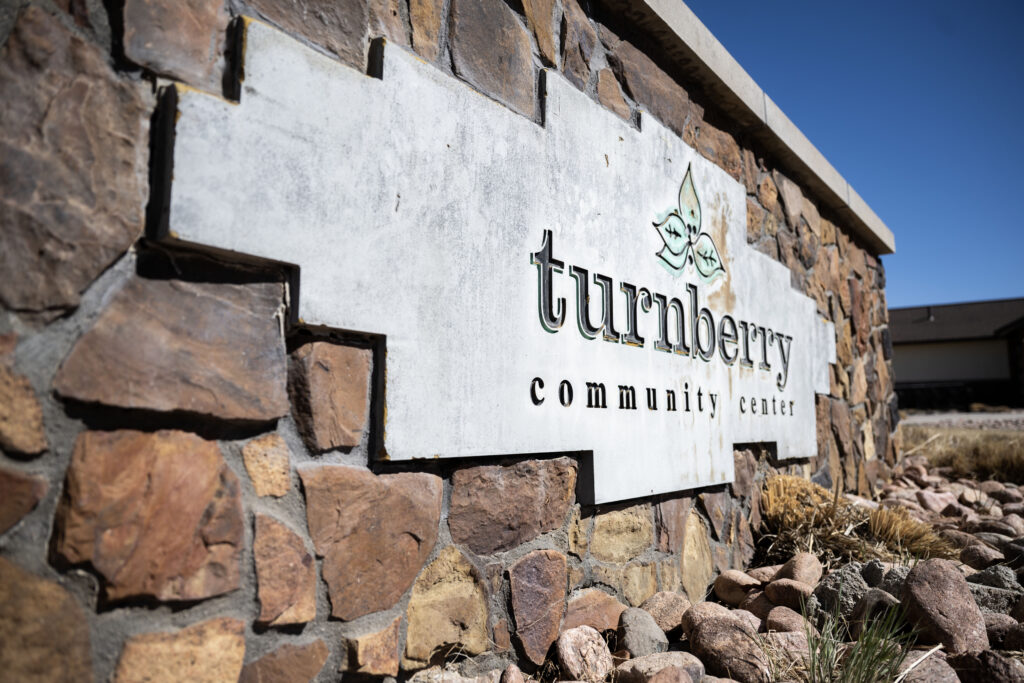
The Turnberry tension: Adams County lawsuit highlights questions around metro districts
Sage Kelley
sage.kelley@denvergazette.com
Updated 10 hours ago
Homeowners of a small neighborhood in Commerce City remain confused and irate about the future of their property taxes in the aftermath of a lawsuit between the metropolitan district where they live and a bank. The conflict stems from a...
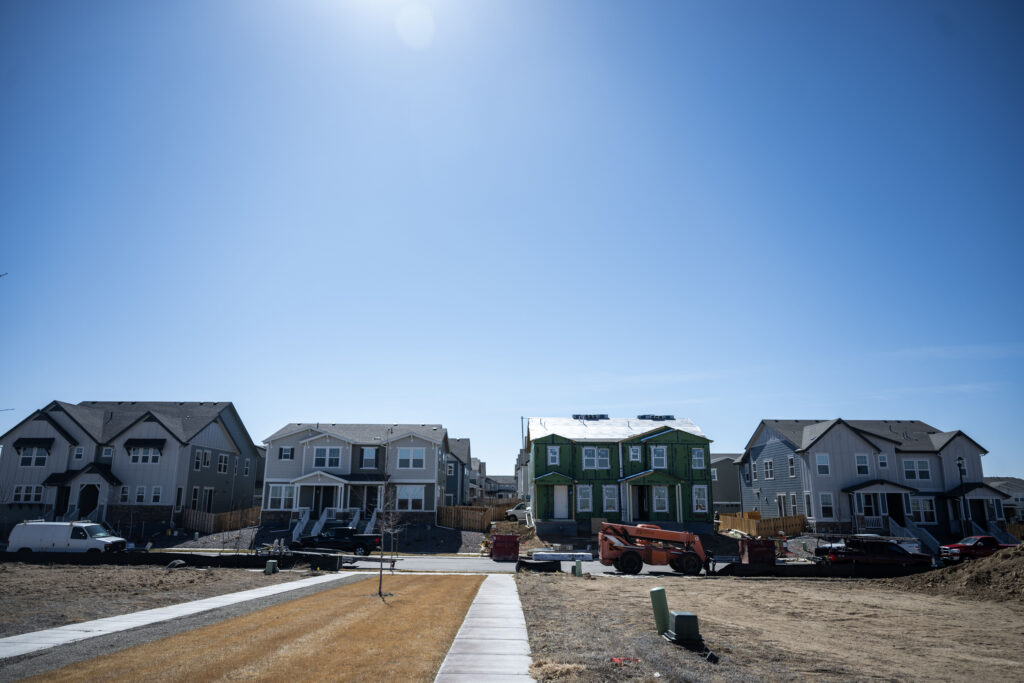
What are metro districts?
Sage Kelley
sage.kelley@denvergazette.com
Updated 1 day ago
Created by the Special District Act of 1981 by the Colorado General Assembly, metro districts are quasi-governmental entities that didn’t really start showing up until the 2000s. Today, there are more than 2,400 across Colorado. A metro district is created...

DeGette challenger Melat Kiros trounces 15-term Democratic incumbent in Denver delegate vote
Ernest Luning
ernest.luning@coloradopolitics.com
Updated 2 days ago
The 28-year-old, first-time candidate challenging Democratic U.S. Rep. Diana DeGette in this year’s primary soundly defeated the 15-term incumbent in a delegate preference poll conducted Saturday at a county party assembly in Denver. Melat Kiros, the daughter of Ethiopian immigrants...
PREV
PREVIOUS

Colorado, Democrat states oppose proposal to require EV chargers be made with 100% domestic components
Colorado has joined a coalition of about 20 states in opposing a federal proposal that would require electric vehicle chargers funded with federal dollars to be made with 100% domestic components. The Federal Highway Administration is considering raising the domestic content requirement from the current 55% to up to 100%. The change would apply immediately […]

Proposal to levy new fees on alcohol products in Colorado dies
The proposal to collect millions in new fees on alcohol products — dollars to be earmarked for Colorado programs aimed at addressing the behavioral and physical health effects of alcohol abuse — died on Tuesday. House Bill 1271 sought to create three separate “enterprises” and establish fees of $0.05 per gallon of beer and cider, […]