

Colorado justices speak about inner workings of court, analysis of appellate opinions | COURT CRAWL
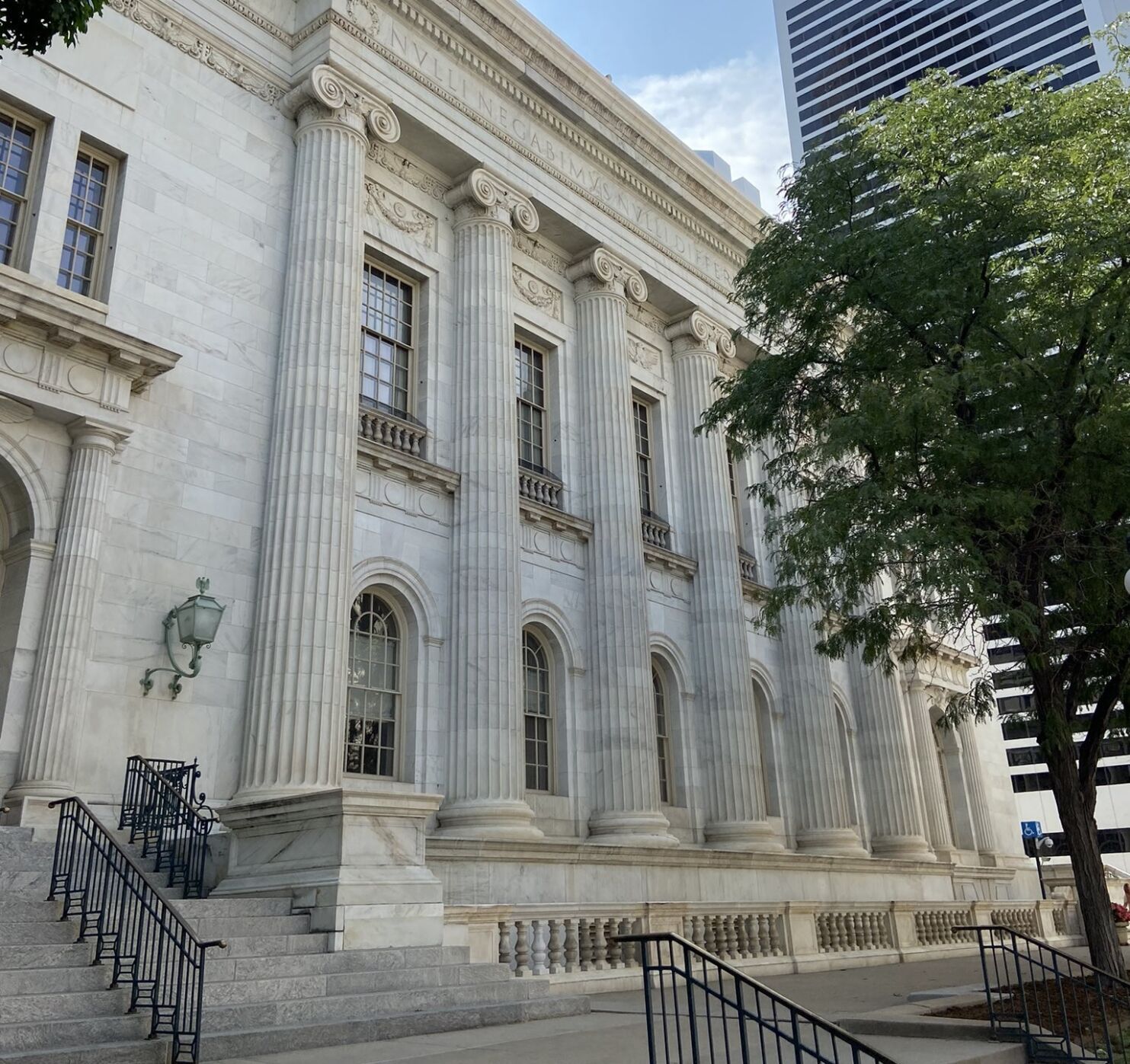
Welcome to Court Crawl, Colorado Politics’ roundup of news from the third branch of government.
Members of the state Supreme Court provided an inside look at the workings of their institution, and a Colorado Politics analysis found that some appellate judges are producing many more precedent-setting opinions than their colleagues.
Colorado Supreme Court update
• By 5-2, the Colorado Supreme Court concluded a Longmont detective’s interrogation techniques, including references to the suspect’s unborn son, didn’t coerce the man into incriminating himself involuntarily.
• The Supreme Court ruled that a proposed ballot initiative couldn’t combine the distinct subjects of imposing a voting requirement for fees and creating a new constitutional definition of the word “fee.”
• The justices upheld the ruling of a trial judge (who is now their colleague, Justice Susan Blanco) finding that Fort Collins police lacked probable cause to arrest a man who was in a public park around the same time they had arranged to meet with their unknown suspect.
• During oral arguments, the justices considered whether a defendant in a civil lawsuit was allowed to show up at trial to testify for his codefendant after his long period of nonparticipation meant he had legally admitted the allegations against him.
• Some members of the court seemed willing to let the Denver District Attorney’s Office pursue an appeal of a dismissed case, even though the Court of Appeals found the prosecution had missed the deadline.
Inside the court
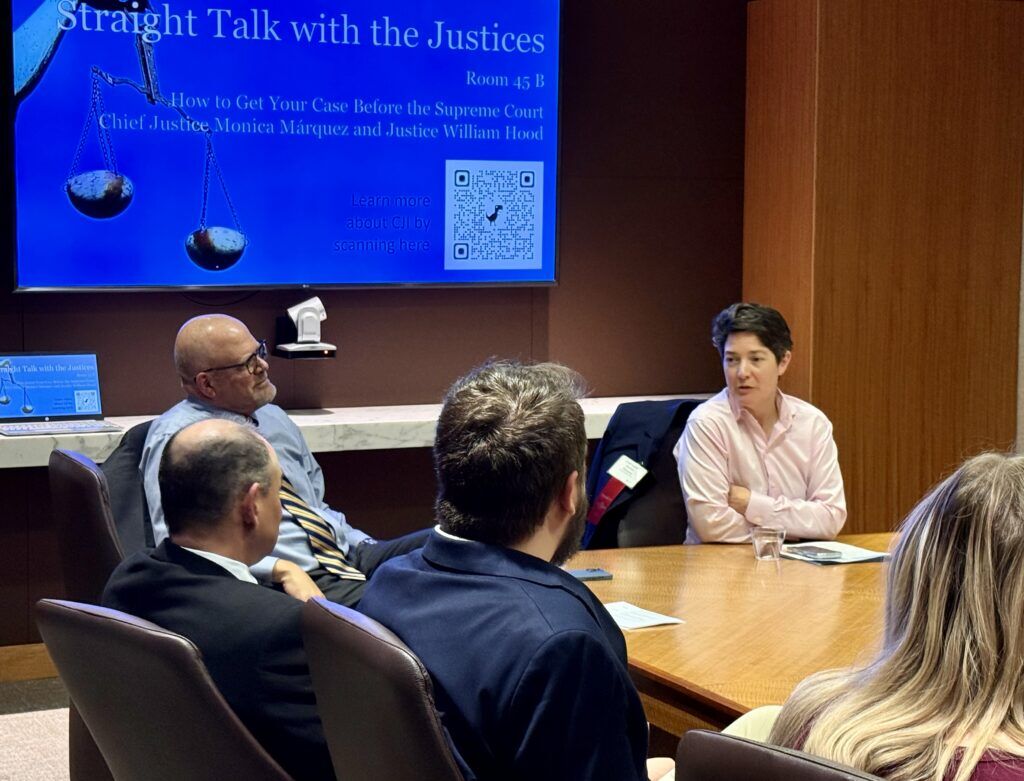
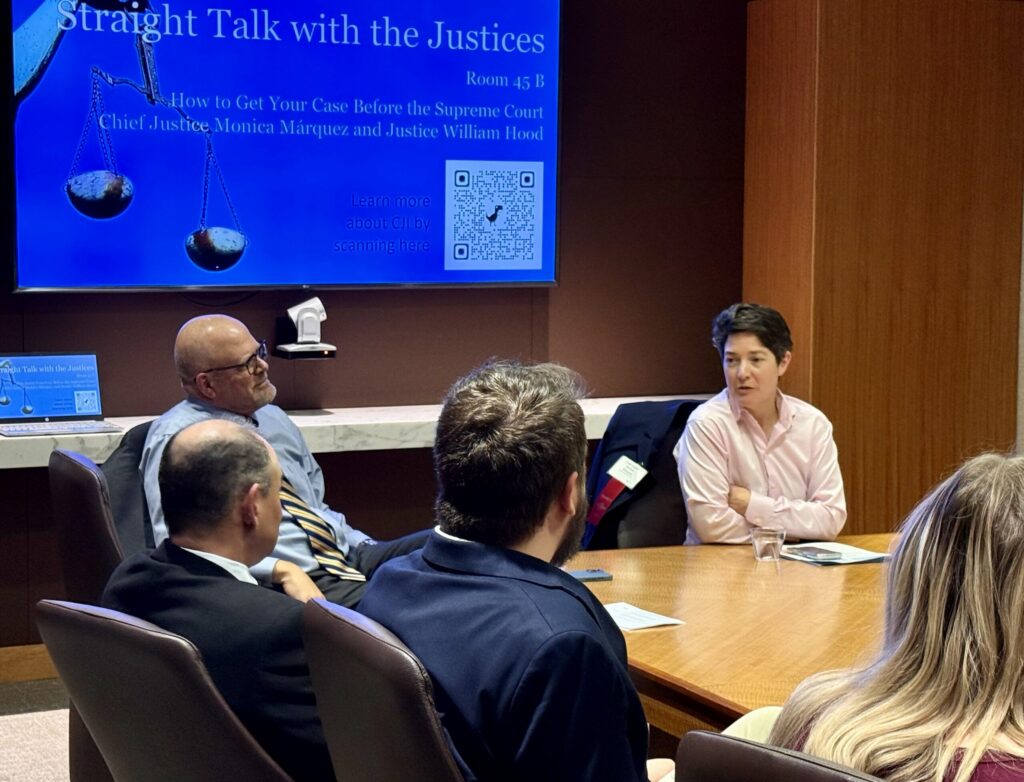
• Five of the seven justices appeared at an event sponsored by the Colorado Judicial Institute, in which they spoke about the inner workings of the Supreme Court. Topics included: What happens when the majority flips in a case? Why does the court sometimes intervene in ongoing cases? How does the court decide whether to abandon an appeal after agreeing to hear it?
• Justice Carlos A. Samour Jr. also described his conversations with law clerks after the court hears arguments in a case:
After oral arguments, we’ll get together and I’ll say, “What did you think about the lawyering? What did you think about the styles? Was it effective? What was effective about it?” We’ll talk about the lawyering, the questions that were asked, my colleagues’ questions, the answers that were provided, and we’ll talk about the issues. I’ll always play this game with them and I’ll say, “Which way did we vote?“
Appellate opinions
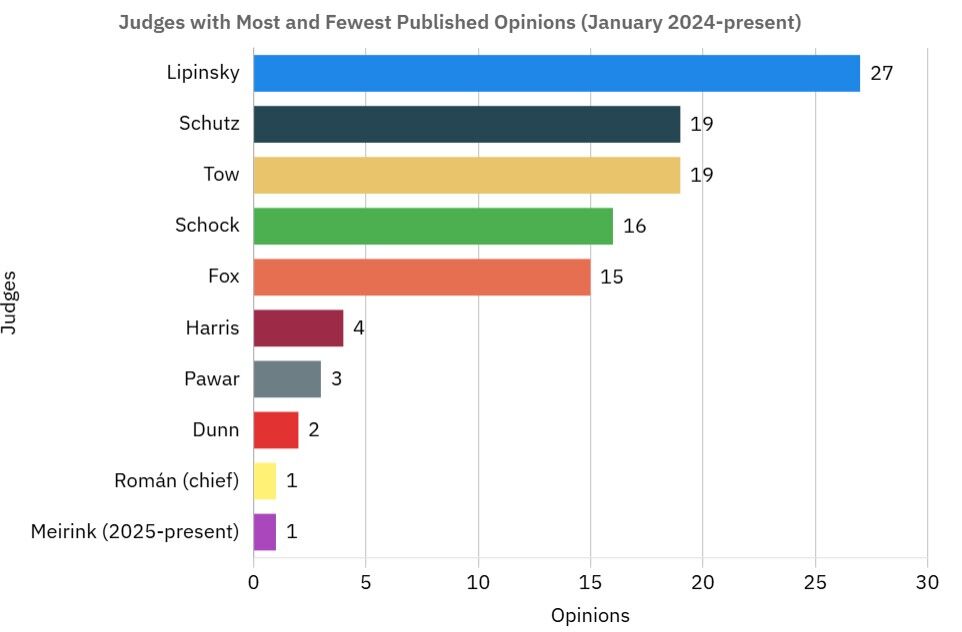
• Between January 2024 and last week, the Court of Appeals issued 238 precedent-setting opinions, known as “published” decisions. Although the court issued many more non-precedent-setting opinions, the published ones contain binding interpretations of law and are more likely to be reviewed by the Supreme Court.
• Colorado Politics found wide variation in the frequency of publication, with Judge Lino S. Lipinsky de Orlov publishing 27 opinions in that window, while Judge Stephanie Dunn only published two.
• Although the Court of Appeals has guidelines for when an opinion should be published, it’s mostly a judgment call for individual members of the court. Still, the difference between judges can be surprisingly large.
In federal news
• The U.S. Court of Appeals for the 10th Circuit agreed the Colorado legislature can’t be sued for the rules it established to govern decorum in committee meetings.
• U.S. District Court Senior Judge R. Brooke Jackson heard from immigration agents who seemingly received no training and struggled to describe the requirements of his four-month-old injunction on warrantless arrests. Even so, he excused the government’s violation of his order in a separate case, after they deported a man who was supposed to stay in Colorado while his case proceeded.
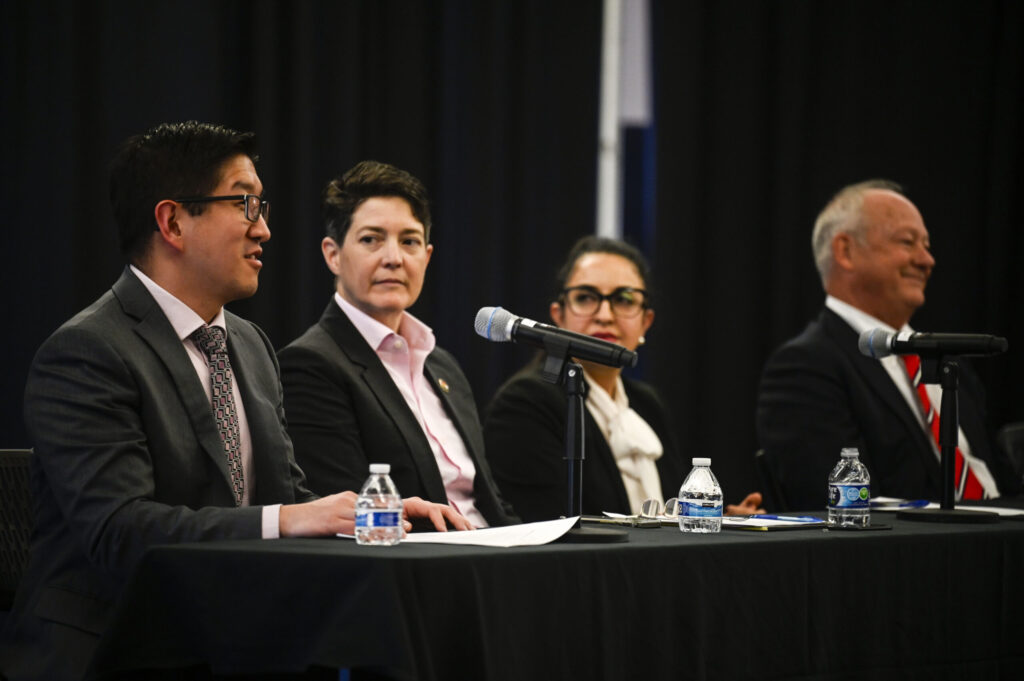
• U.S. Magistrate Judge Cyrus Y. Chung spoke to lawyers about his first year on the bench, including his handling of settlement conferences and his protocols for self-represented litigants.
Immigration detention update
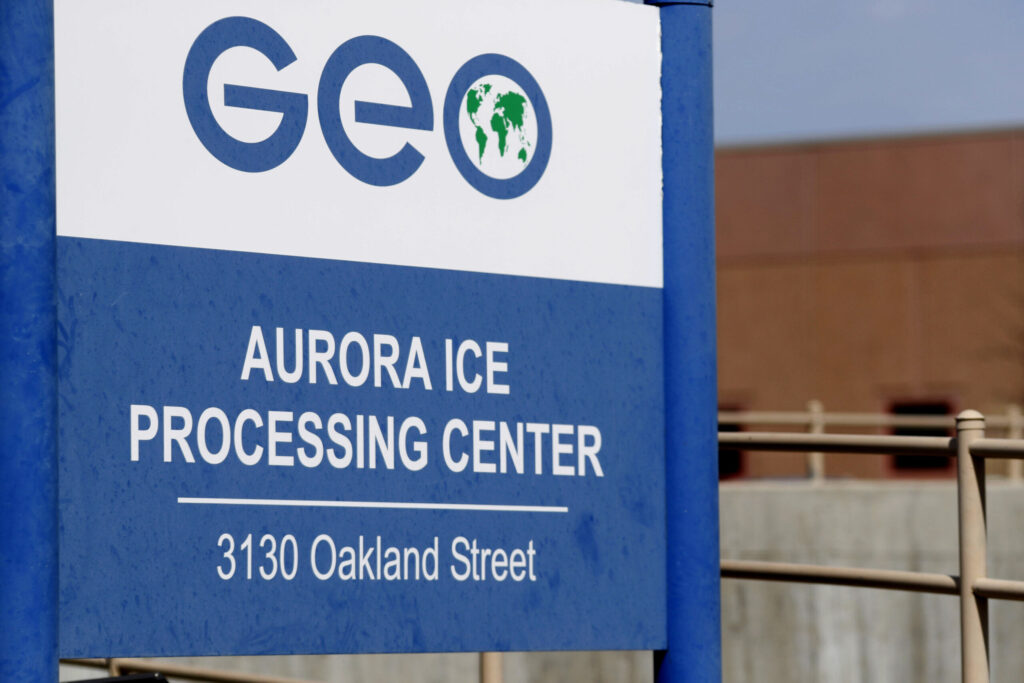
• Readers are likely aware that Colorado’s federal district court is facing a flood of “habeas corpus” petitions from those in immigration detention. The most common allegation is that the government is improperly denying bond hearings to people who are eligible by law. Colorado’s judges, like the vast majority of their peers around the country, have agreed with that argument.
• However, there are interesting developments occurring across these cases, which are flowing in at a rate of approximately eight per weekday to Colorado’s U.S. District Court.
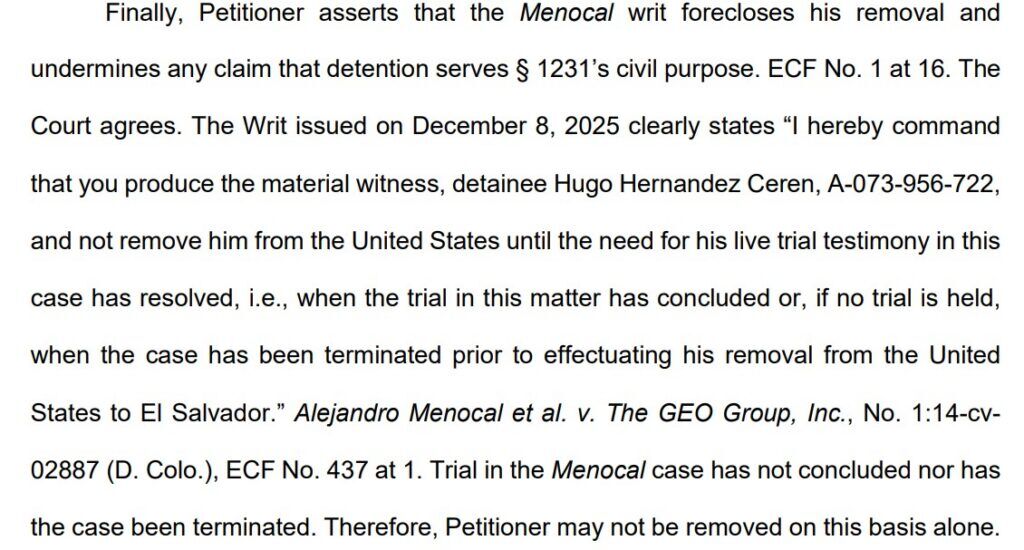
• Judge Regina M. Rodriguez concluded a man couldn’t be removed from Colorado because he is under a court order to testify in another civil case. That litigation, Menocal v. The GEO Group, was the subject of a recent U.S. Supreme Court decision, and appears to finally be on track for trial after 12 years:
Miscellaneous proceedings
• The state’s Judicial Department is holding an event on May 22 for people who are interested in becoming judges in the next 1-3 years. Topics include ethics, work-life balance, and learning new areas of law.


Federal judge formalizes injunction blocking USDA’s ‘pilot project’ for Colorado food assistance
Michael Karlik
michael.karlik@coloradopolitics.com
Updated 4 hours ago
A federal judge formalized his order on Monday to prevent the U.S. Department of Agriculture from requiring Colorado to participate in a food assistance “pilot project,” finding that it violates the law, the U.S. Constitution, and “the bounds of reasoned...
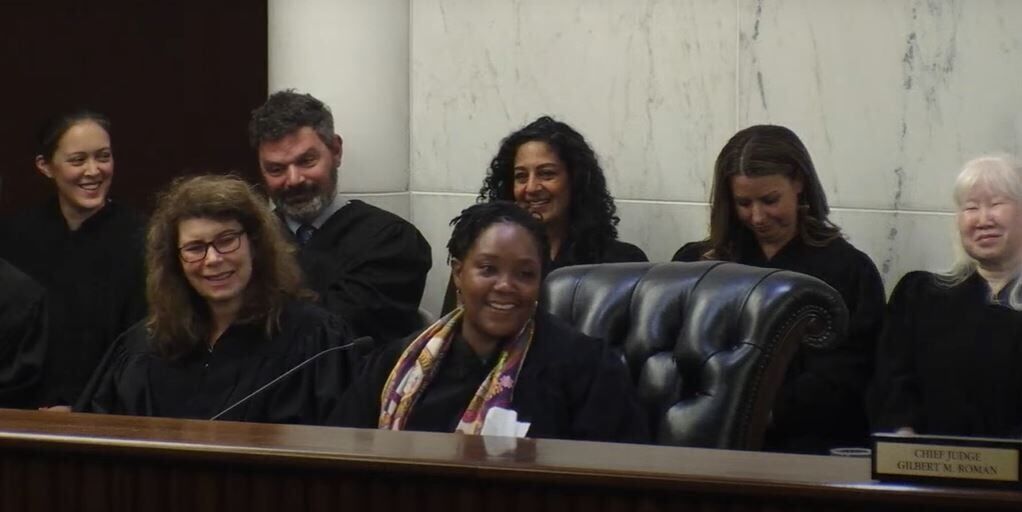
Appeals court finds no requirement for different judge to handle attorney-client conflict hearings
Michael Karlik
michael.karlik@coloradopolitics.com
Updated 5 hours ago
Colorado’s second-highest court rejected a defendant’s argument on Thursday that a judge improperly heard about a potential conflict between himself and his lawyer right before sentencing, and the man’s reaction could have “tainted” the sentencing decision. In September 2023, Anthony...
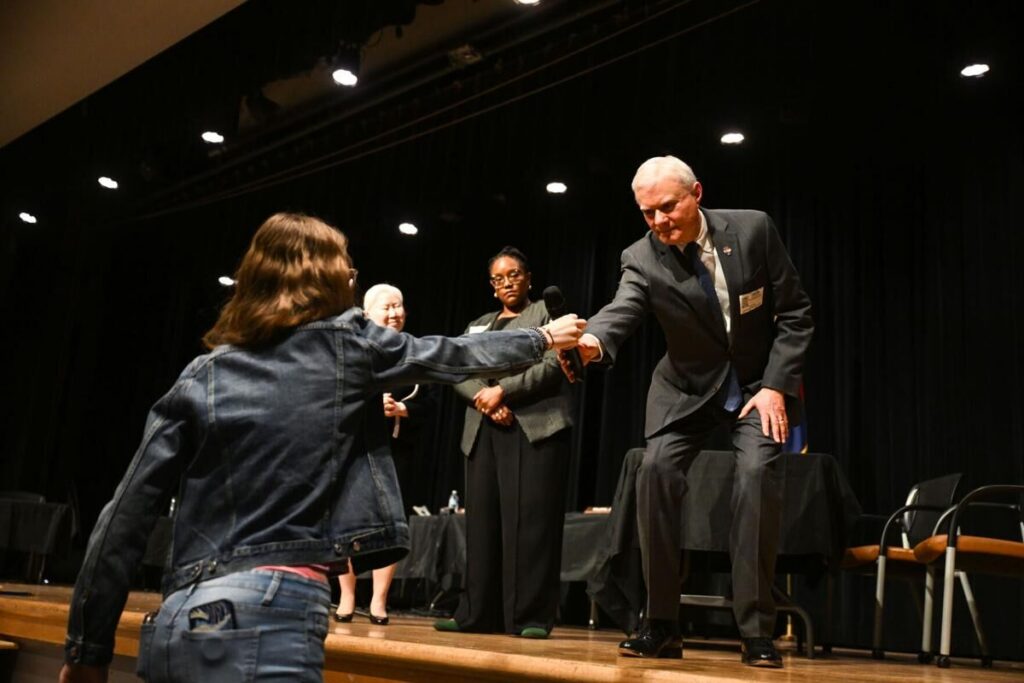
The influencers? Some Colorado appeals judges outpace colleagues in setting legal precedent
Michael Karlik
michael.karlik@coloradopolitics.com
Updated 5 hours ago
A handful of judges on Colorado’s second-highest court are producing substantially more precedent-setting opinions than their colleagues, which create binding interpretations of the law that reach beyond individual cases. The Court of Appeals issues approximately 1,700 opinions each year. A...
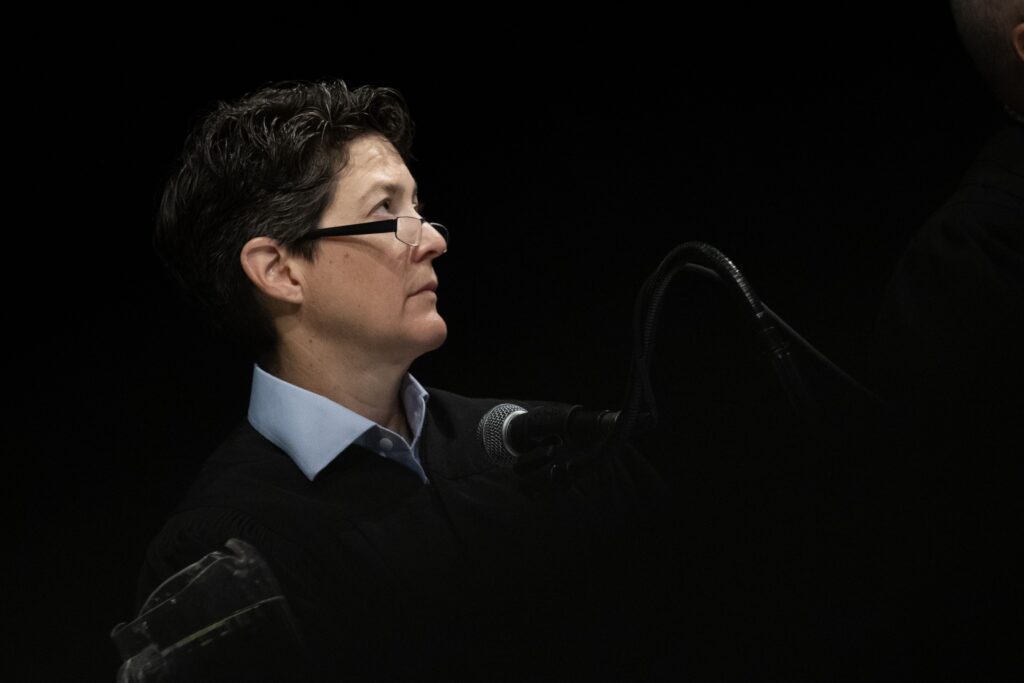
Colorado justices weigh fairness concerns after defendant prevailed despite ghosting case
Michael Karlik
michael.karlik@coloradopolitics.com
Updated 22 hours ago
Members of the Colorado Supreme Court struggled on Tuesday to balance the need for one defendant to shield itself against a plaintiff’s claim that its employee sexually assaulted her child, and the fact that the employee legally admitted the allegations...
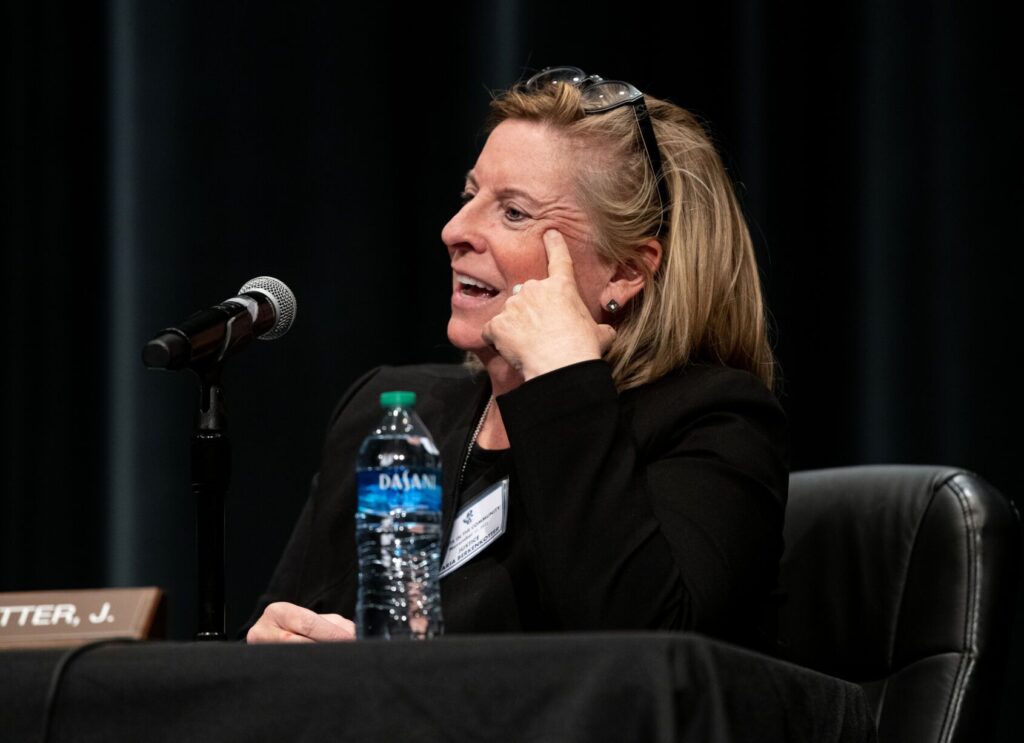
Colorado justices skeptical of appellate court’s limitation on prosecution’s appeal
Michael Karlik
michael.karlik@coloradopolitics.com
Updated 4 days ago
The Colorado Supreme Court seemed skeptical on Tuesday that Denver prosecutors should be barred from appealing a trial judge’s permanent dismissal of a criminal case, based upon the sequence of events after the original ruling. Prosecutors charged Quinn M. Jebe...
Federal judge: Government violated order shielding man from deportation in ‘one-off mistake’
Michael Karlik
michael.karlik@coloradopolitics.com
Updated 2 days ago
A federal judge acknowledged on Thursday that the government violated his order by deporting a man in immigration detention during his pending court case, but it “serves nobody’s interests” to require the government to return him. On Feb. 18, Tesfami...
Colorado Supreme Court lifts curtain on decision-making at legal event
Michael Karlik
michael.karlik@coloradopolitics.com
Updated 4 days ago
Members of the Colorado Supreme Court sat down with lawyers on Wednesday to answer questions about behind-the-scenes topics, including what happens immediately after an appeal is argued, why they might intervene in an ongoing case, and the consequence of a...
Colorado’s newest federal judge speaks about techniques for advancing cases
Michael Karlik
michael.karlik@coloradopolitics.com
Updated 24 hours ago
U.S. Magistrate Judge Cyrus Y. Chung described on Wednesday the various tactics he employs to resolve court cases, summing up his role with a laxative-based metaphor. “Someone told a group of us federal magistrate judges that magistrate judges are the...

Federal judge hears ICE agents’ confusion about law, injunction on warrantless arrests
Michael Karlik
michael.karlik@coloradopolitics.com
Updated 6 days ago
A federal judge heard testimony on Tuesday from U.S. Customs and Immigration Enforcement agents in Colorado, who had trouble describing the requirements of his recent injunction and the training they received on making warrantless arrests pursuant to the law. On...

10th Circuit dismisses challenge to Colorado legislature’s decorum rules
Michael Karlik
michael.karlik@coloradopolitics.com
Updated 2 days ago
The Denver-based federal appeals court concluded on Tuesday that Colorado lawmakers cannot be sued for creating and enforcing rules of decorum that circumscribe the public commentary allowed at legislative committee hearings. A three-judge panel of the U.S. Court of Appeals...
PREV
PREVIOUS
Appeals court finds no requirement for different judge to handle attorney-client conflict hearings
Colorado’s second-highest court rejected a defendant’s argument on Thursday that a judge improperly heard about a potential conflict between himself and his lawyer right before sentencing, and the man’s reaction could have “tainted” the sentencing decision. In September 2023, Anthony Palermo pleaded guilty in Huerfano County to harassment and assault. Before his sentencing hearing, Palermo […]

Federal judge formalizes injunction blocking USDA's 'pilot project' for Colorado food assistance
A federal judge formalized his order on Monday to prevent the U.S. Department of Agriculture from requiring Colorado to participate in a food assistance “pilot project,” finding that it violates the law, the U.S. Constitution, and “the bounds of reasoned decisionmaking.” After a hearing in late January, U.S. District Court Senior Judge R. Brooke Jackson […]