

Poison, poultry and prostitution — the Colorado legislature marches on | Rachel Gabel
Many weeks my search history is odd but the past two weeks might worry our county sheriff if he didn’t know me as well as he does. This week has been the week of poison, poultry and prostitution. Not to be confused, of course, by brodifacoum, beavers and butorphanol. In other words, the Colorado legislature is marching on.
SB26-065, “Systemic Insecticide Use Limitations”, was introduced by sponsor Sen. Katie Wallace, a Democrat representing Boulder and Weld counties. Boulder County was once one of the strongholds of agriculture in the state and Weld County is the fifth -largest ag producing county in the U.S. Prior to introducing a bill with enormous effects on agriculture, Wallace told the room she never before attended a meeting of the Senate Agriculture and Natural Resources Committee. I clutched my pearls. When she compared neonics, or treated seeds, to DDT, I could hear the collective blood pressure of the agriculture producers in the room rise.
The bill was ultimately killed in committee on a 5-2 vote.
SB26-062, “Rodenticide Use Restrictions”, is scheduled to be heard again in Senate Ag on March 4. This is the same day the Colorado Parks and Wildlife Commission meets to decide whether to adopt the newly minted CPW Director Laura McClellan’s recommendation they deny two petitions. One is a citizen petition requesting mandatory checks for bobcats, swift fox and beaver and the second is a citizen petition prohibiting the sale of furbearer furs.
The CPW Commission, who approved Clellan’s directorship in a lightning-round meeting, ought to heed her written recommendations, but there’s no telling. That meeting will be at the DoubleTree by Hilton Denver-Westminster and should be heavily attended by anyone interested in wildlife management, agriculture, hunting, or hearing from the new CPW Commission appointee Christopher Sichko of Boulder. Sichko, according to his biography, is an outdoorsman, angler and small-game hunter who has fished Colorado waters his entire life, from foothill watersheds to alpine lakes and major river systems across the state. None of the sportspersons I’ve spoken to are familiar with him, though I’m sure he’ll have the opportunity to meet hundreds of his stakeholders then.
Earlier in the week, Sens. Lisa Cutter and Elizabeth Velasco introduced SB26-123, “Prohibit Ventilation Shutdown for Poultry”, which will be heard in Senate Ag on March 12. In the midst of a still roiling battle against Highly Pathogenic Avian Influenza, this bill prohibits the Department of Agriculture and the State Veterinarian to utilize ventilation shutdown and prevents poultry producers required by the Colorado Department of Agriculture to depopulate a poultry flock due to disease to then seek funds from the diseased livestock indemnity fund.
The state’s egg producers are facing HPAI as they’re still scrambling to retrofit their barns to comply with HB20-1343, the unfunded mandatory production requirements that eggs raised or sold in the state be produced in a cage-free environment. As I understand, Sen. Cutter hosted a stakeholder call with the state’s agriculture trade organizations last week, after the bill’s introduction. Gee, thanks.
The stakeholder groups were opposed to the bill. Their opposition is not borne of a desire to treat livestock with anything other than respect but borne of a desire to fight disease outbreaks and an utter logistical nightmare proposed by proponents. The method the proponents of the bill are recommending is using nitrogen gas for depopulation of infected birds. The U.S. Department of Agriculture’s framework for the use of nitrogen for depopulation doesn’t even exist. If the state department of agriculture were made to utilize nitrogen for a large-scale depopulation, I doubt they would be able to secure enough tanker trucks to deliver the gas to the site. In the fight against disease, producers lack the luxury of time, and this bill is out of line, uninformed and activist-driven by the Animal Welfare Institute.
I’ve said before HB20-1343 avoided a ballot initiative threatened by World Animal Protection that would have required earlier transition to cage-free systems as well as prohibiting the sale of calves raised in veal crates or pork from sows raised in gestational crates. The language of the bill was a collaboration between Colorado Egg Producers, the Colorado Department of Agriculture, and Humane Society of the U.S. (HSUS). The fox in the henhouse needs to be shown the door.
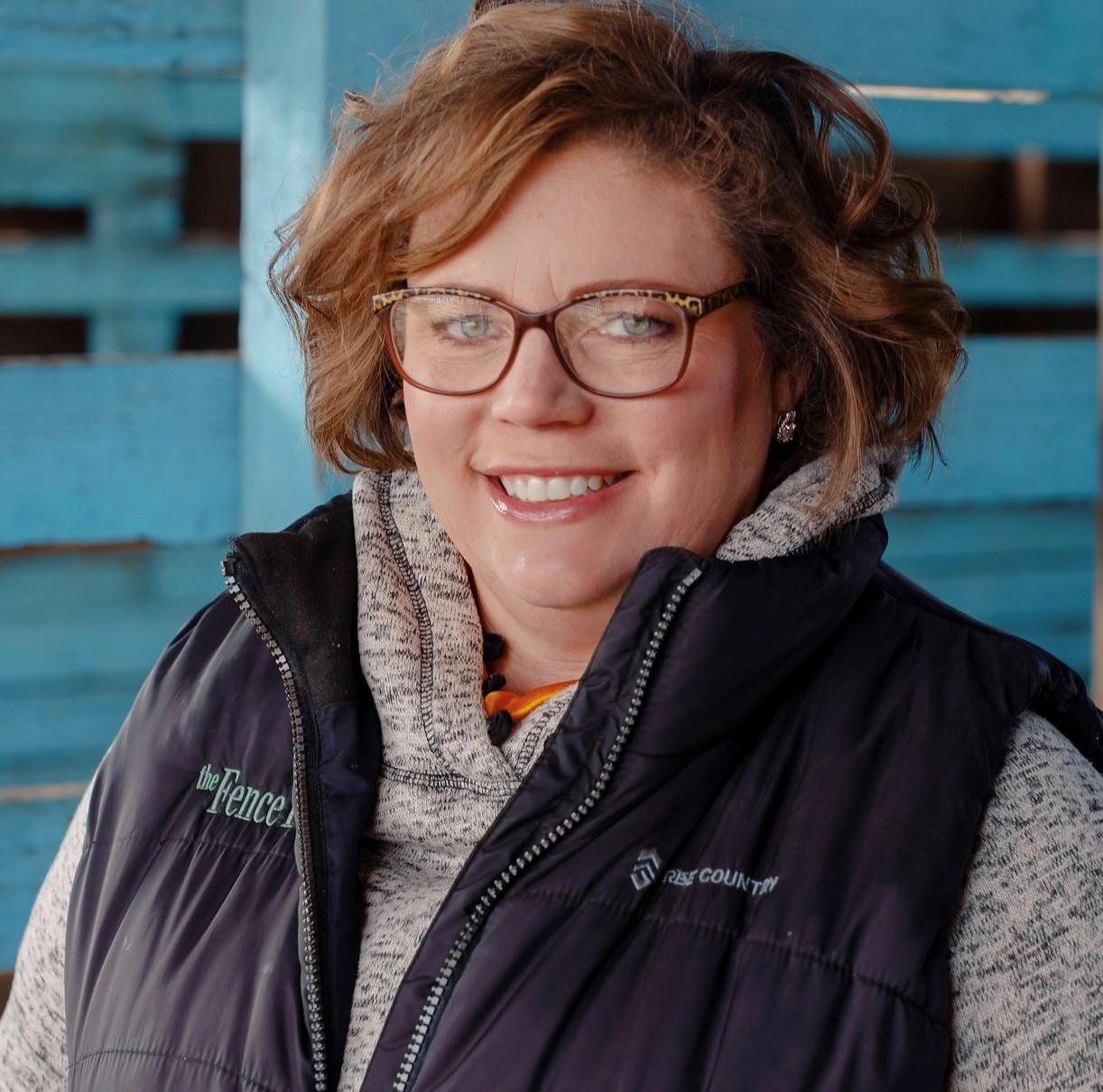
Rachel Gabel writes about agriculture and rural issues. She is assistant editor of The Fence Post Magazine, the region’s preeminent agriculture publication.


Could Weiser or Bennet as governor each be an improvement over Polis? | Miller Hudson
Miller Hudson
miller-hudson@coloradopolitics.com
Updated 15 hours ago
The weekend before last was a forerunner to numerous forums and debates where U.S. Sen. Michael Bennet and Attorney General Phil Weiser will jostle for position in the Democratic primary for governor. The victor seems certain to be headed to...

Thoughts on President Trump’s State of the Union address | Cronin & Loevy
Tom Cronin Bob Loevy
tom-cronin-bob-loevy@coloradopolitics.com
Updated 15 hours ago
The U.S. Constitution’s Article Two states “He (the president) shall from time to time give to the Congress Information of the State of the Union, and recommend to their Consideration such Measures as he shall judge necessary and expedient….” On...
Male wolf dies after capture attempt in Colorado
Marianne Goodland
marianne.goodland@coloradopolitics.com
Updated 15 hours ago
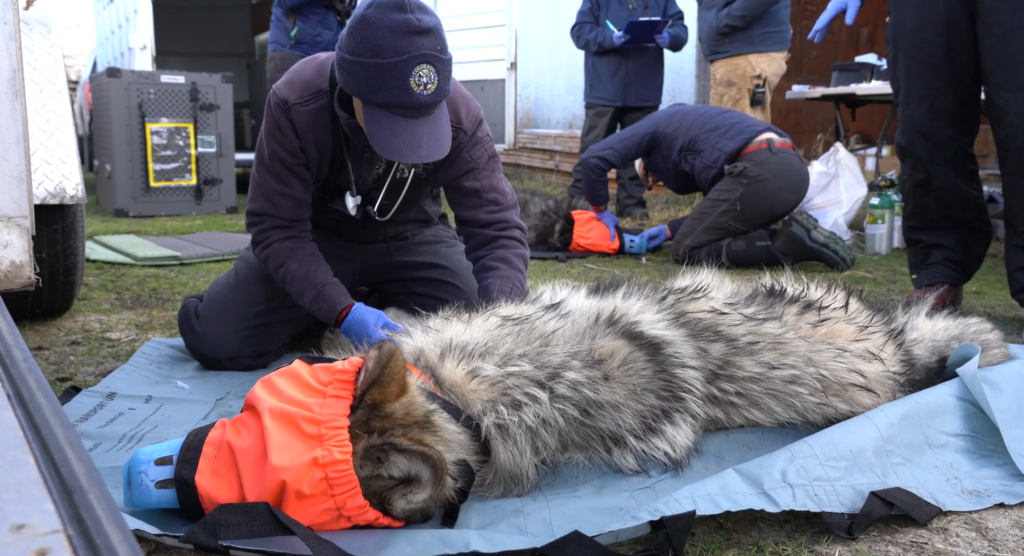
One of the original wolves brought to Colorado from Colorado has died after an attempt to capture it, the’s state wildlife agency said. The Colorado Parks and Wildlife identified the wolf as No. 2305 — meaning it was one of...

Are Colorado businesses leaving or evacuating? | Jon Caldara
Jon Caldara
jon-caldara@coloradopolitics.com
Updated 4 days ago
At this point, if you hear beeping downtown, it’s not a construction crew. It’s a company backing out. And look, I get it. Businesses relocate for all sorts of reasons: taxes, regulations, labor costs, office space, crime, commute times, the...

Democrat Michael Bennet turns in petitions for Colorado’s gubernatorial primary, plans to skip caucuses
Ernest Luning
ernest.luning@coloradopolitics.com
Updated 19 hours ago
U.S. Sen. Michael Bennet, a Democratic candidate for governor, submitted nominating petitions for Colorado’s June primary ballot on Friday, his campaign and the Colorado Secretary of State’s Office said. Bennet plans to rely on his petitions to get on the...

Colorado Republicans, Democrats clash over Iran military operation
Thelma Grimes
thelma.grimes@coloradopolitics.com
Updated 1 day ago
Colorado’s congressional delegation split sharply along party lines Saturday after the U.S. and Israel attacked Iran, triggering a fresh debate in America over presidential war powers. Trump announced early Saturday morning that U.S and Israeli forces had begun “Operation Epic...

Competing overtime bills for agriculture workers split Colorado Democrats
Marianne Goodland
marianne.goodland@coloradopolitics.com
Updated 3 days ago
Competing bills setting the overtime threshold for farmworkers have split legislators at the Colorado state Capitol, with one group saying a law passed in 2021 has harmed, rather than helped, farming operations and workers alike, while the other side insists...
Gov. Jared Polis moves to end ICE subpoena fight over Colorado workers’ personal data
Marianne Goodland
marianne.goodland@coloradopolitics.com
Updated 2 days ago
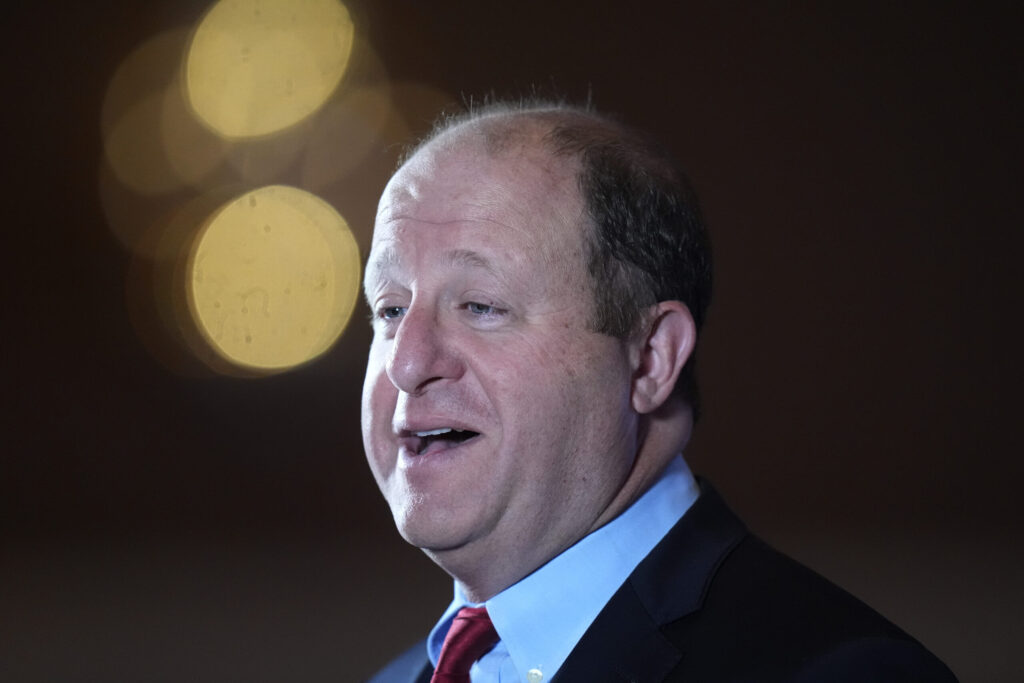
The effort by Gov. Jared Polis to comply with an administrative subpoena from U.S. Immigration and Customs Enforcement for information held by several state agencies is over. Polis, in a motion filed Feb. 20, asked for a permanent injunction and...

Ex-Colorado Sen. Sonya Jaquez Lewis avoids prison, gets probation for forged ethics letters
Marianne Goodland
marianne.goodland@coloradopolitics.com
Updated 2 days ago
Former state Sen. Sonya Jaquez Lewis, D-Longmont, was sentenced Friday to two years of supervised probation and 150 hours of community service, and a $3,000 fine, to be waived if she completes an additional 100 hours of community service. The...

Bipartisan bill aims to launch Colorado ‘Cradle to Career’ anti-poverty grant program
Marissa Ventrelli
marissa.ventrelli@coloradopolitics.com
Updated 3 days ago
The bill’s sponsors say it will help Colorado families living in poverty, and the organizations that support them have cleared their first hurdle, but they will need to raise just over $1 million before things get off the ground. Senate...
PREV
PREVIOUS

Thoughts on President Trump's State of the Union address | Cronin & Loevy
The U.S. Constitution’s Article Two states “He (the president) shall from time to time give to the Congress Information of the State of the Union, and recommend to their Consideration such Measures as he shall judge necessary and expedient….” On Jan. 8, 1790, our first president, George Washington, appeared in Federal Hall in New York […]

Could Weiser or Bennet as governor each be an improvement over Polis? | Miller Hudson
The weekend before last was a forerunner to numerous forums and debates where U.S. Sen. Michael Bennet and Attorney General Phil Weiser will jostle for position in the Democratic primary for governor. The victor seems certain to be headed to the governor’s mansion on 8th Avenue. Advertised as a discussion focused on Colorado’s Housing & […]