

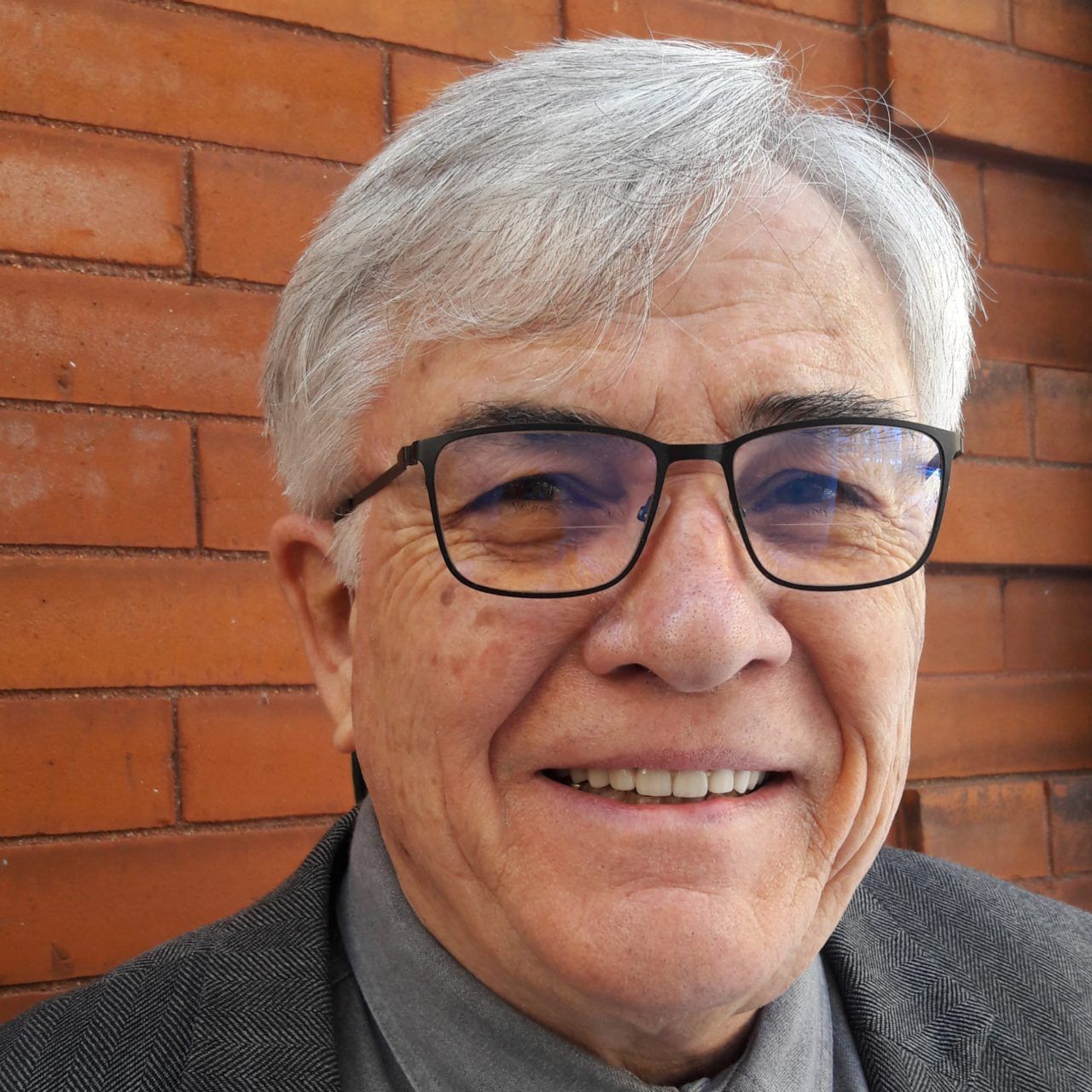
Why after 70-plus years of readership I won’t renew my Washington Post subscription | Miller Hudson
My brother and I read a lot growing up. Our Dad, a bomb-designing nuclear engineer with the Atomic Energy Commission (AEC), purchased our first television the day after we graduated from high school. Yes, there was a statement therein regarding his opinion of a pernicious distraction from our academic pursuits. I can’t imagine what he would think of social media. If we wanted to watch a World Series game, we would invite ourselves to a friend’s house. Departing Idaho Falls in 1953, where residents were still awaiting the arrival of TV broadcasts from Pocatello, for Washington, D.C., in third grade, we first began to receive a daily newspaper, a Washington Post in the morning and the Evening Star in late afternoon. Initially, I usually perused the comics and baseball scores.
Our father recommended a list of classic texts we could read for cash, which my brother Richard would trudge through: Aristotle, Epictetus, Marcus Aurelius and the like. Our Dad was not your typical engineer. I opted for The Hardy Boys, Mark Tidd and The Ted Scott Flying series, likely an initial indicator of the “anti-authoritarian” streak that has influenced my conduct for decades. We left Washington for 18 months during 1955-56 and traveled to Fort Worth, Texas, where a proposed “nuclear airplane” project was underway. I still recall a dinner table pronouncement in April of 1956 when my father announced, “This damned plane is never going to fly. I have to find another job.” We soon moved to Boston for six months before he returned to the AEC in Washington. I’d missed the Washington Post, which felt like my newspaper.
Now somewhat older, I began to explore the inside pages. The premiere sportswriter and Grantland Rice and Red Smith Prize recipient at the Post was Shirley Povich, a guy burdened with a girl’s first name. His son bears a familiar name, Maury, to whom I will return shortly. Povich’s sardonic coverage of sports appealed to me as an aspiring athlete of middling talents. I soon found my way to the front page, however, recounting politics and international affairs. Soon, I began devouring the opinion pages. Meanwhile, I had become something of a Civil War buff, perusing Bruce Catton’s multi-volume history of the conflict, while living close to many of its battlefields. Not too far from our home was a wooded plot on the Ickes’ estate where Daughters of the Confederacy had placed a granite marker commemorating a cavalry patrol ambushed just 12 miles from the nation’s capital.
Attending the University of Maryland in College Park, I had the Washington Post delivered to my dorm room each morning at a negligible student rate. Elected president of the student government my senior year, I saw my name appear in the Post several times. Married in December of 1967, while serving as SGA President, Annie Groer, a reporter for the Diamondback, our campus paper, was thrilled to write up a social event. Years later, Annie would become the Style editor at the Post, retiring after 30 plus years. My favorite Post story appeared beneath one of the cleverest headlines I’ve ever seen, “Beer Issue at Maryland Comes to a Head.” The issue in question was whether students should be permitted to imbibe in their dorm rooms. That city desk editor deserved a Pulitzer. Connie Chung served in student government with me and would marry Maury Povich.
Upon graduation I accepted a job with AT&T in its management development program. As a Defense Department contractor, this afforded me a one-year draft deferment while the Montgomery County Draft Board was breathing down my neck. Rated 1A, the chances for evading Vietnam were slim. Following the Tet offensive in January of 1968, it became evident my options were closing, so I applied to take the Naval Officer Candidate’s exam. Passing, I received orders to report to Newport, Rhode Island, on April 20. I planned to take two weeks of vacation first, so my going away party, was scheduled for April 4, the night Martin Luther King was assassinated in Memphis. Oblivious to what had occurred the night before, I drove to work for my last day with no inkling I wouldn’t return home for 10 days. We remained besieged inside the telephone exchange at 14th & R Streets
For the week following the outbreak of riots in Washington, which had been delayed behind most other cities by heavy rains the previous evening, it was probably the closest I will ever come to experiencing wartime chaos. From the roof of our six-story building, we could watch fires breaking out in every direction, smoke wafting across the city. Fire engines and ambulances from as far away as Gettysburg, Pennsylvania, and Richmond, Virginia, were soon racing past our location. This turmoil would last for nearly a week. Directly across the street from our office was a large liquor store. On the second day of mayhem, looters pulled the metal doors off its entrance. A lone, young white cop was directing looters to pull their cars up on the sidewalk in order to keep 14th Street clear for emergency vehicles.
A Washington Post photographer happened by the looting, which lasted little more than an hour, but a photo of the police officer ran the following day. The caption indicated he was assisting the brigands. Needless to say, there was an outpouring of opprobrium aimed at the officer, who was outnumbered 80- or 100-to-1 by the thieves. Soon, it was reported he would be suspended pending disciplinary action. Those of us who had watched the looting felt he had made the best of an impossible, dangerous situation. Enforcing the law had to take second place to assuring public safety. I decided to write a letter to the Post in the officer’s defense before leaving for Officer Candidate School. Co-workers informed me the letter ran and a few weeks later and all charges against the policeman were dismissed. I would be overseas for the next three years, so I have no idea whether it was my missive that helped him, but I hope it did.
I moved to Colorado in 1972 and missed my subscription — no internet yet, no digital subscriptions. The Post’s Watergate coverage brought down the Nixon presidency. That achievement made me proud of being a lifelong fan. Traveling to Washington, I always returned with a paper. It was encouraging when Jeff Bezos bought the Post. Many of the nation’s regional mastheads were failing. Only the New York Times and the Wall Street Journal are truly healthy today. That’s unhealthy for American democracy. It was Bezos who placed, “Democracy Dies in Darkness” at the top of the paper’s front page. Darkness descended on the Post’s newsroom last week as hundreds lost their jobs and this once mighty monument extolling the nation’s free press appears a walking dead man. Its assassin was the owner, Jeff Bezos. Perhaps billionaires aren’t the best guardians for anything other than their own riches. It pains me, but I won’t renew my current Post subscription. Reading the shrunken husk that remains would simply be too painful.
Miller Hudson is a public affairs consultant and a former Colorado legislator.

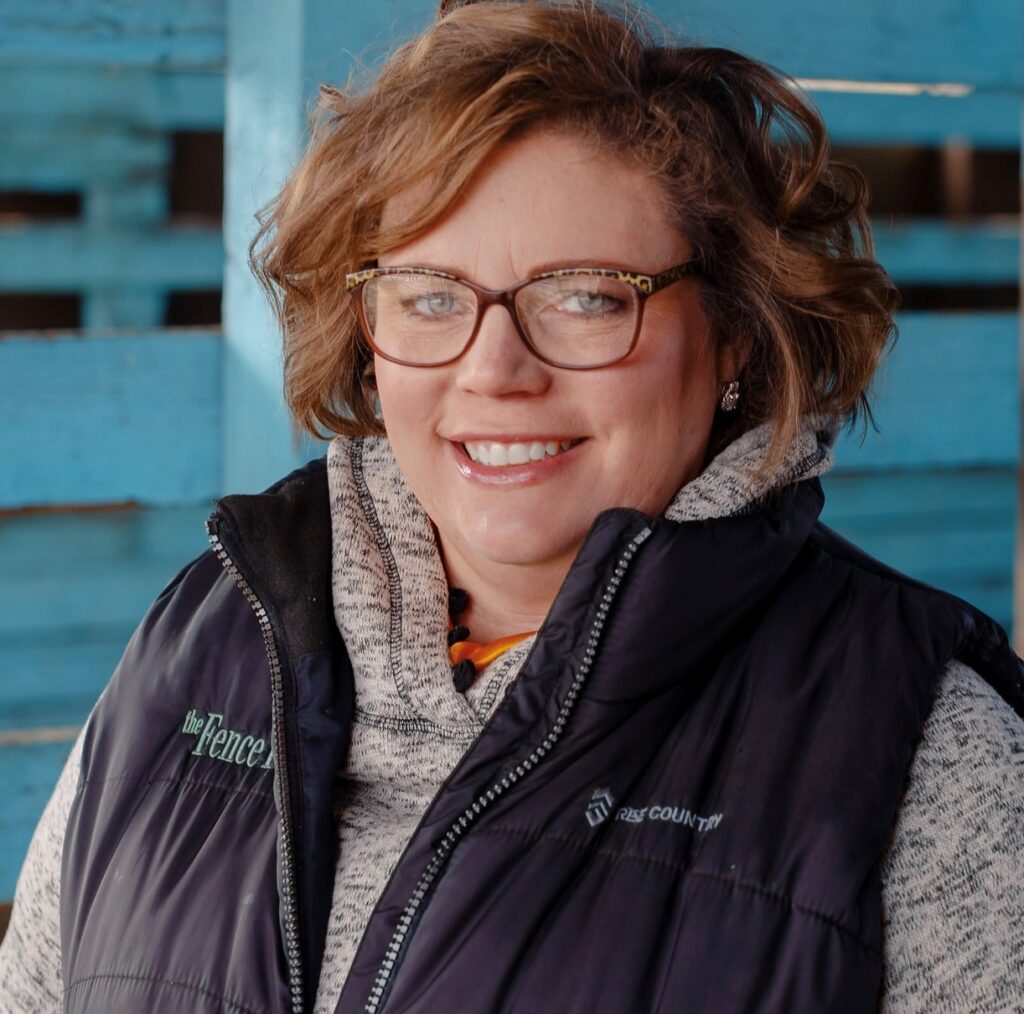
Rat’s nest of a bill prioritizes rodents over people | Rachel Gabel
Rachel Gabel
rachel-gabel@coloradopolitics.com
Updated 3 hours ago
Democrat Sens. Lisa Cutter and Cathy Kipp, and Rep. Elizabeth Velasco have introduced a rat’s nest of a bill in SB26-062 Rodenticide Use Restrictions. The three mouseketeers are seeking to prohibit a person from selling, distributing, applying, or using certain...

With the deadline missed, Bureau of Reclamation plans to move forward on Colorado River operations
Marianne Goodland
marianne.goodland@coloradopolitics.com
Updated 17 hours ago
Feb. 14 was no Valentine for the seven states of the Colorado River, which failed to come up with an agreement by that deadline on how to manage the river beginning Oct. 1. The Department of the Interior and the...

Law enforcement officers shouldn’t wear masks | Jon Caldara
Jon Caldara
jon-caldara@coloradopolitics.com
Updated 3 days ago
Should police wear masks? Denver’s City Council thinks no — and is even trying to outlaw it for federal agents operating in the city (because if there’s one thing municipal governments do well, it’s bossing around Washington). Like so many...
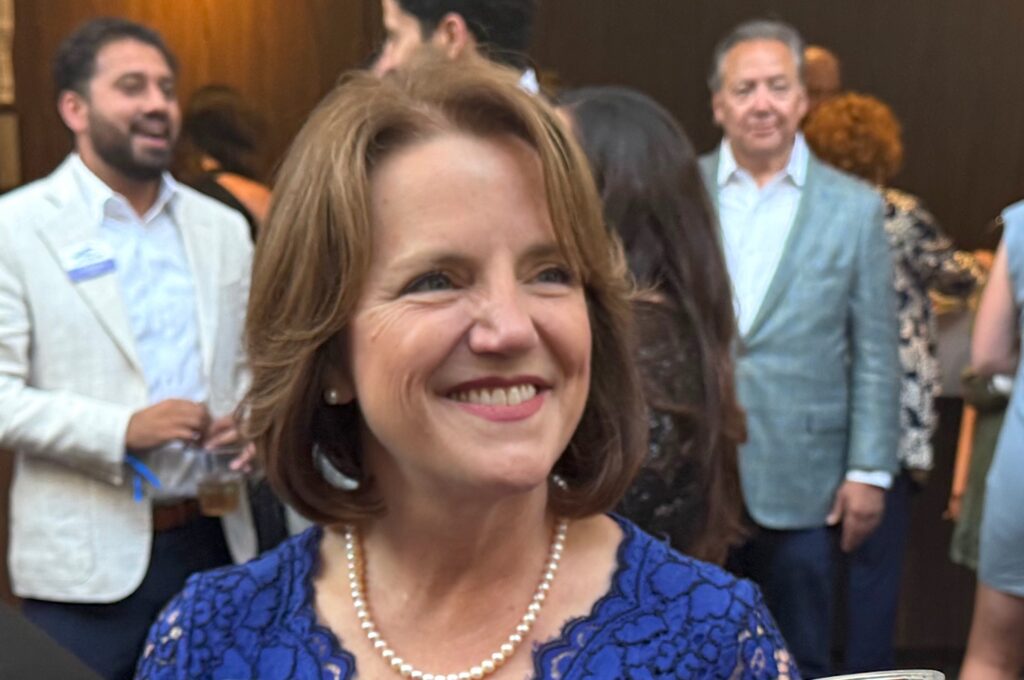
Democrat Shannon Bird qualifies by petition for primary ballot in Colorado’s toss-up 8th CD
Ernest Luning
ernest.luning@coloradopolitics.com
Updated 1 day ago
Former state Rep. Shannon Bird has qualified for the Democratic primary ballot in Colorado’s hotly contested 8th Congressional District by submitting a sufficient number of petition signatures, state election officials said this week. The winner of the Democrats’ June 30...
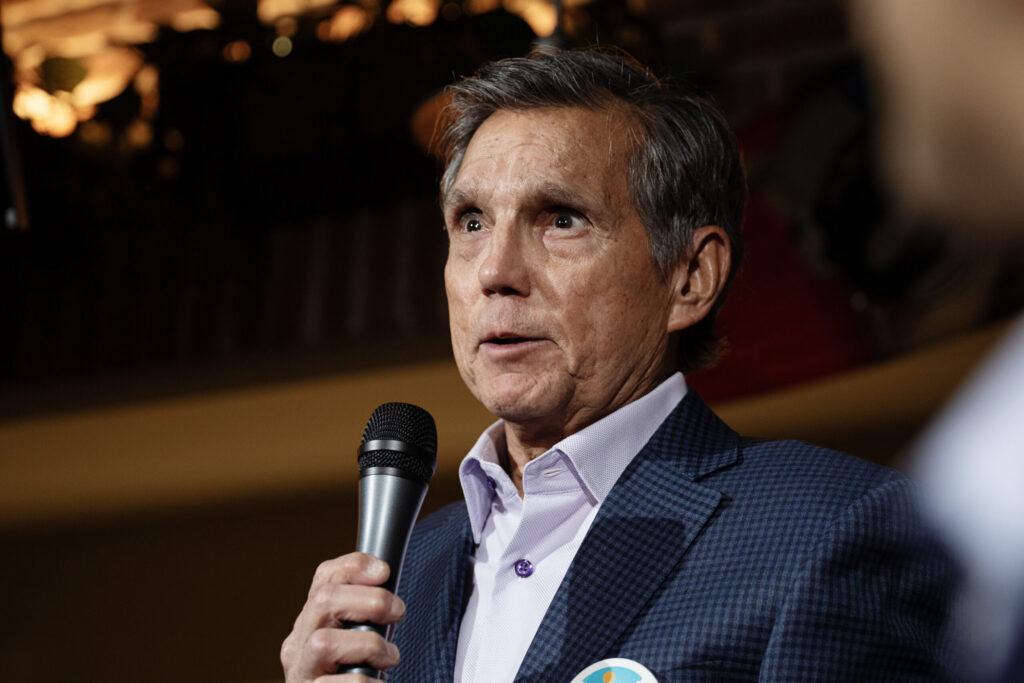
State Rep. Peña outlines significant inequalities in Colorado’s school finance law | A LOOK BACK
Rachael Wright, Special to Colorado Politics
rachael.wright@coloradopolitics.com
Updated 4 days ago
Forty-Five Years Ago This Week: In a guest column published in The Colorado Statesman, House Minority Leader Rep. Federico Peña, D-Denver, wrote that his greatest disappointment with the legislative process was “the inability, or unwillingness, of the General Assembly to...
Colorado District Attorneys unveil 2026 legislative priorities | WHAT’S YOUR AGENDA?
Marissa Ventrelli
marissa.ventrelli@coloradopolitics.com
Updated 3 days ago
Welcome to What’s Your Agenda?: The Colorado Politics’ weekly publication of trade association priorities for the state’s 2026 legislative session. The Colorado District Attorneys’ Council provides training, resources, and legislative support to every prosecutor in the state. In order to...
A day in the life of the Capitol: Capitol M | Week of Feb. 14, 2026
Marianne Goodland
marianne.goodland@coloradopolitics.com
Updated 3 days ago
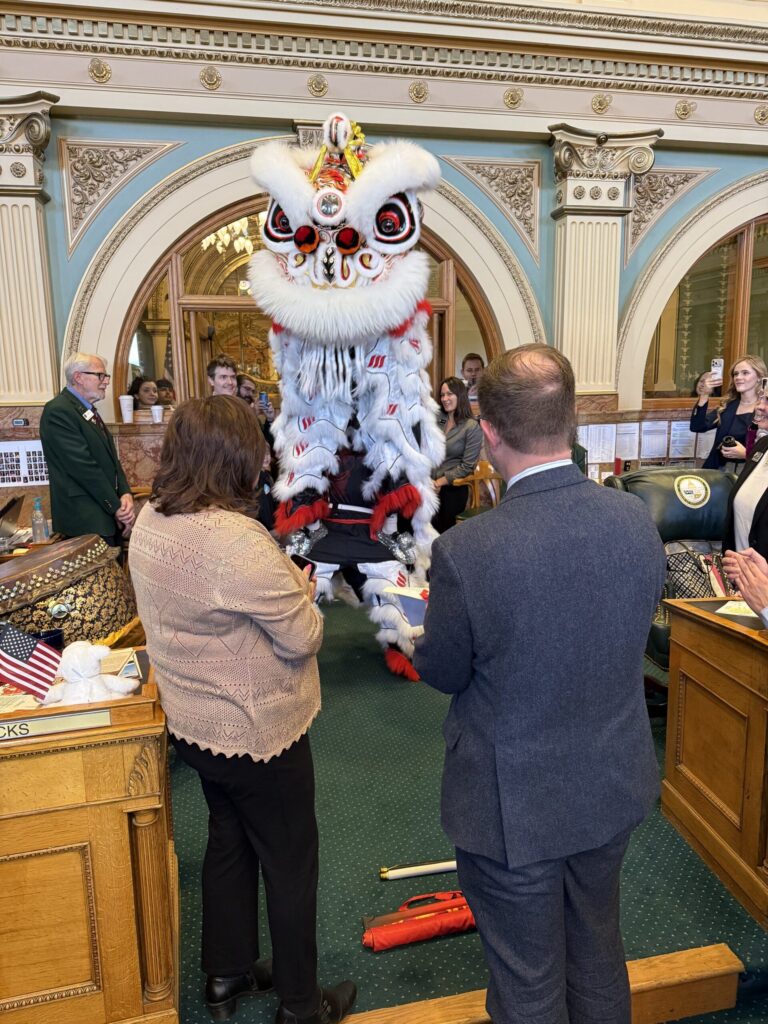
The lighter side of the Capitol, usually. If you were walking around the Capitol on Feb. 12, there was plenty to see and to be amused (or delighted) by. Let’s start with the high school kids from Greeley’s District 6....
Colorado legislators, friends and family pay tribute to late Sen. Faith Winter
Marianne Goodland
marianne.goodland@coloradopolitics.com
Updated 2 days ago
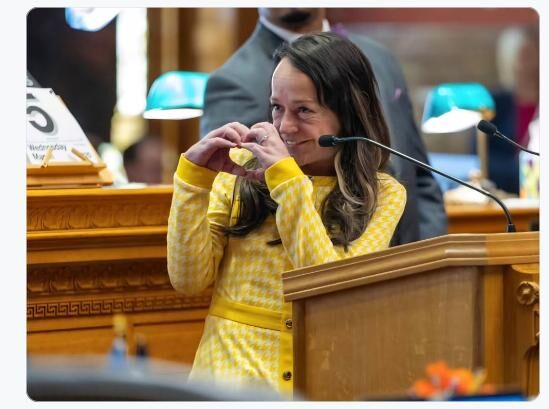
Colorado legislators on Friday, joined by current and former lawmakers, memorialized the late Sen. Faith Winter, noting her contributions to public policy in transportation, family and medical leave, and climate legislation. Winter died in an auto accident on Nov. 26...

Deadlocked: Colorado basin states negotiations collapse
Marianne Goodland
marianne.goodland@coloradopolitics.com
Updated 19 hours ago
With the Feb. 14 deadline looming, the seven states in the Colorado River Basin failed to reach an agreement on how to manage the river after the 2026 operating guidelines expire later this year. John Entsminger, Nevada’s chief negotiator, said...
Colorado judges lean left — just look at the numbers | George Brauchler
George Brauchler
george-brauchler@gazette.com
Updated 3 days ago
Colorado’s judicial selection system is heavily skewed toward Democrats and defendants. It is time to drop the pretense that our system adequately minimizes the impact of partisan political influences on the selection of the judicial branch. In less than two...
PREV
PREVIOUS

With the deadline missed, Bureau of Reclamation plans to move forward on Colorado River operations
Feb. 14 was no Valentine for the seven states of the Colorado River, which failed to come up with an agreement by that deadline on how to manage the river beginning Oct. 1. The Department of the Interior and the Bureau of Reclamation on Saturday announced it would move forward with a set of alternatives […]

Rat's nest of a bill prioritizes rodents over people | Rachel Gabel
Democrat Sens. Lisa Cutter and Cathy Kipp, and Rep. Elizabeth Velasco have introduced a rat’s nest of a bill in SB26-062 Rodenticide Use Restrictions. The three mouseketeers are seeking to prohibit a person from selling, distributing, applying, or using certain types of rodenticide and rodent glue traps in the state except as authorized for restricted […]