

Record snow drought in Western states raises concern for water shortages, wildfires | OUT WEST ROUNDUP

MONTANA
Record snow drought raises concerns
A record snow drought with unprecedented heat is hitting most of the American West, depleting future water supplies, making it more vulnerable to wildfires and hurting winter tourism and recreation.
Scientists say snow cover and snow depth are both at the lowest levels they’ve seen in decades, while at least 67 Western weather stations have measured their warmest December through early February on record. Normal snow cover this time of year should be about 460,000 square miles — about the size of California, Utah, Idaho and Montana — but this year it’s only California-sized, about 155,000 square miles, according to the National Snow and Ice Data Center.
The snowpack — measured by how much water is trapped inside — in Oregon is not only record low, but 30% lower than the previous record, said Jason Gerlich, regional drought early warning system coordinator for the National Oceanic and Atmospheric Administration.
Ski resorts had already been struggling through a difficult season, but the persistent lack of snow is prompting growing concerns about wider effects.
Oregon, Colorado and Utah have reported their lowest statewide snowpack since the early 1980s, as far back as records go.
Experts said the snow drought could also kick-start an early wildfire season. Snow disappearing earlier than average leaves the ground exposed to warmer weather in the spring and summer, which dries soils and vegetation quicker, said Daniel McEvoy, researcher with the Western Regional Climate Center.
UTAH
Bill adds Supreme Court justices
SALT LAKE CITY — Utah Gov. Spencer Cox signed a bill on Jan. 31 that expands the state Supreme Court from five justices to seven, as frustration has mounted among Republican lawmakers over a string of defeats before the tribunal.
Republican advocates for the change argued that it would help improve the court’s efficiency. But legal experts said it could have the opposite effect and set a dangerous precedent at a time of tension between the branches of government. The state’s judiciary did not ask for more justices on the high court.
Democrats, who were united in opposition to the bill, called the timing suspicious. A week earlier, the legislature asked the court to overturn a redistricting ruling that gave Democrats a strong shot at picking up one of Utah’s four Republican-held congressional seats in the fall.
New justices could be in place when the court decides the fate of the congressional map.
Because the bill received approval from more than two-thirds of legislators, it took effect immediately after the governor signed it, allowing him to bypass a several-month waiting period to start adding justices.
Cox, a Republican, has denied that the policy is politically motivated, noting that Republican governors and senators have made all recent appointments.
The Utah State Bar has raised concerns about the expansion and other proposals it said would weaken the judiciary’s independence. Among them is a bill that would create a new trial court with exclusive jurisdiction to hear constitutional challenges. The proposal would limit the ability of other judges and courts to block potentially unconstitutional state laws with injunctions.
Republicans have also been collecting signatures to try to place on the November ballot an initiative that would restore their ability to draw voting districts that deliberately favor a political party, a practice known as gerrymandering.
NEW MEXICO
Newborn’s death likely linked to raw milk
A newborn baby died from a listeria infection likely linked to the child’s mother drinking raw milk during pregnancy, health officials said.
New Mexico officials in February warned people to avoid consuming unpasteurized dairy products following the death. Interest in and sales of raw milk have been rising in recent years, fueled by social media and growing support from the Health Secretary Robert F. Kennedy Jr.’s Make America Healthy Again movement.
State officials provided few details about the newborn, citing privacy restrictions. While investigators said they could not determine the exact cause of the baby’s death, “the most likely source of infection was unpasteurized milk.” That conclusion was based on information gathered during the investigation, including the timing of the infection and reports that the mother drank raw milk during pregnancy, an official said.
Raw milk can contain several disease-causing germs, including listeria. That is a type of bacteria that can cause miscarriage, stillbirth, preterm birth, or fatal infections in newborns, even if the mother is only mildly ill.
Pasteurization — the process of heating milk to a high enough temperature to kill germs — can prevent infections from listeria as well as other types of bacteria as well as viruses. Raw milk can contain germs that cause infections from avian influenza, brucella, tuberculosis, salmonella, campylobacter, cryptosporidium and E. coli. Many of those infections are particularly dangerous to young children, people older than 65 and those with weakened immune systems.
WYOMING
Cash sales could round to nearest nickel
CHEYENNE — As the penny slowly vanishes from cash registers across the country, Wyoming lawmakers are moving to ensure the state’s commerce doesn’t grind to a halt over a few cents.
Rep. Mike Yin, D-Jackson, has introduced a measure designed to establish a uniform system for rounding cash transactions to the nearest nickel.
The proposal follows the U.S. Treasury’s historic decision last November to suspend production of the penny, after determining it was no longer necessary for the nation’s needs. The decision was primarily driven by production costs, as a penny is worth only one cent, but it costs the U.S. Mint roughly 3.69 cents to produce and distribute a single coin. By stopping production, the federal government expects to save approximately $56 million annually.
Under the proposed law, if a cash total ends in one, two, six or seven cents, the amount would be rounded down to the nearest five cents. Conversely, totals ending in three, four, eight or nine cents would be rounded up. For small sales, any amount exactly 1 or 2 cents is rounded up to 5 cents.
The bill emphasizes that this rounding applies only to cash payments when the seller cannot provide exact change.
The legislation attempts to keep the state’s coffers unaffected, as well. All sales and use taxes must be calculated on the original price before rounding occurs. The rounding requirements do not apply to credit cards, debit cards, checks or digital payments, which will continue to be processed at exact amounts.

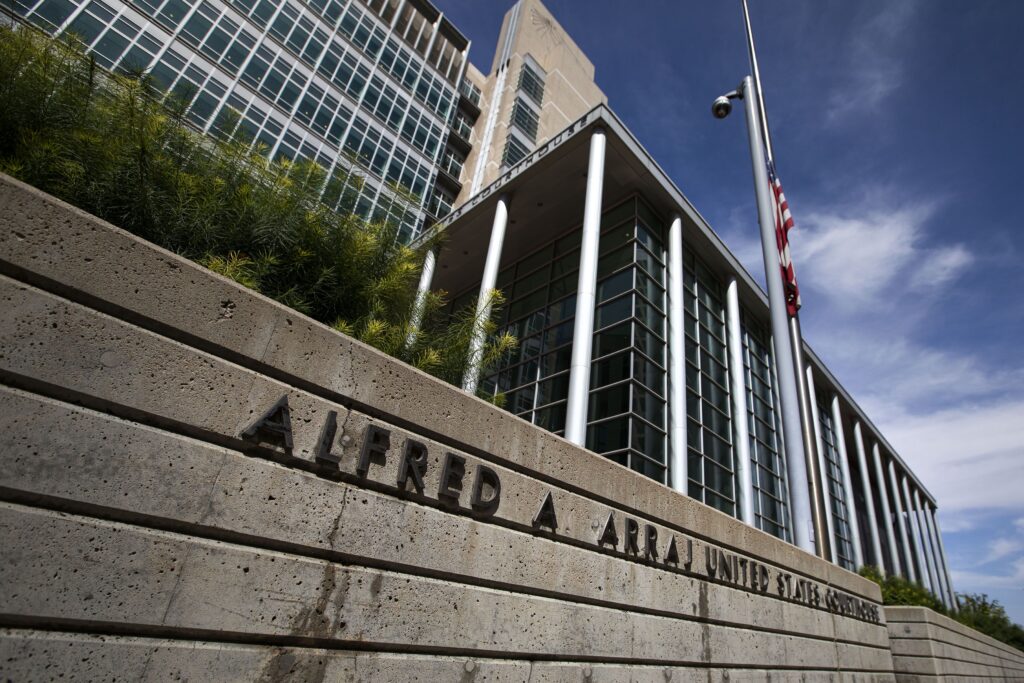
Federal judge sides with Mesa County school district in ex-student’s First Amendment claims
Michael Karlik
michael.karlik@coloradopolitics.com
Updated 2 hours ago
A federal judge concluded last week that Mesa County Valley School District 51 and three of its administrators did not violate the First Amendment rights of a former student when they imposed minor discipline in response to disruptive behavior. In...

Colorado Supreme Court intervenes in 4 ongoing cases
Michael Karlik
michael.karlik@coloradopolitics.com
Updated 6 hours ago
The Colorado Supreme Court recently moved to intervene in four ongoing cases, including two criminal prosecutions, a civil lawsuit, and a child welfare proceeding. At least four of the court’s seven members must agree to hear a case outside of...
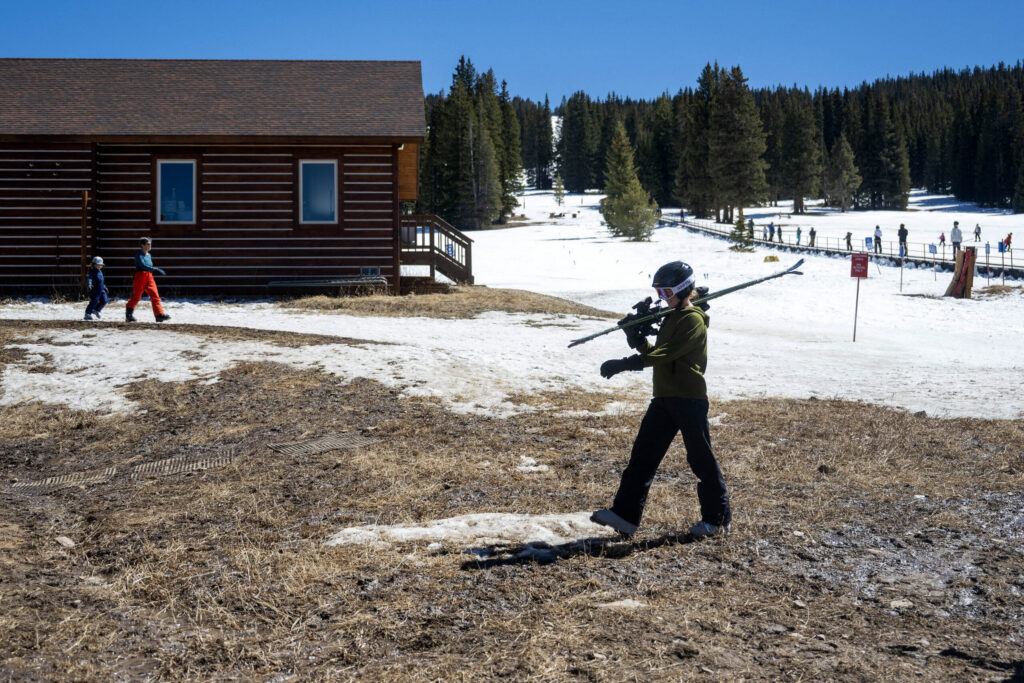
Colorado ski resorts announce early closures amid historic snowpack lows, high temperatures
Kyla Pearce
kyla.pearce@gazette.com
Updated 6 hours ago
Vail Resorts is the latest area to announce season closure Wednesday As Colorado’s historically low snowpack year comes to a close and spring conditions take over the mountains, the state’s major ski resorts are announcing closing dates — some of...

Kentucky Gov. Andy Beshear set to headline Colorado Democrats’ annual fundraising dinner
Ernest Luning
ernest.luning@coloradopolitics.com
Updated 6 hours ago
Kentucky Gov. Andy Beshear, one of the Democrats’ top 2028 presidential prospects, is scheduled to deliver the keynote address at the Colorado Democratic Party’s annual fundraising dinner in June in Denver, the party said Friday. Serving his second term as...
Gov. Polis names new leaders for Colorado health agencies in wake of Medicaid turmoil
Marianne Goodland
marianne.goodland@coloradopolitics.com
Updated 8 hours ago
Gov. Jared Polis, on Thursday, announced he was appointing Gretchen Hammer to serve as acting executive director of the Colorado Department of Health Care Policy and Financing, and deputy executive director Stephanie Beasley to become the next commissioner of the...

Federal judge releases man immediately as consequence for immigration judge disobeying orders
Michael Karlik
michael.karlik@coloradopolitics.com
Updated 6 hours ago
A federal judge ordered a man’s immediate release from immigration detention on Thursday after finding an immigration judge disregarded his prior orders requiring a bond hearing. For the past year, Colorado’s federal district court has faced a flood of “habeas corpus”...
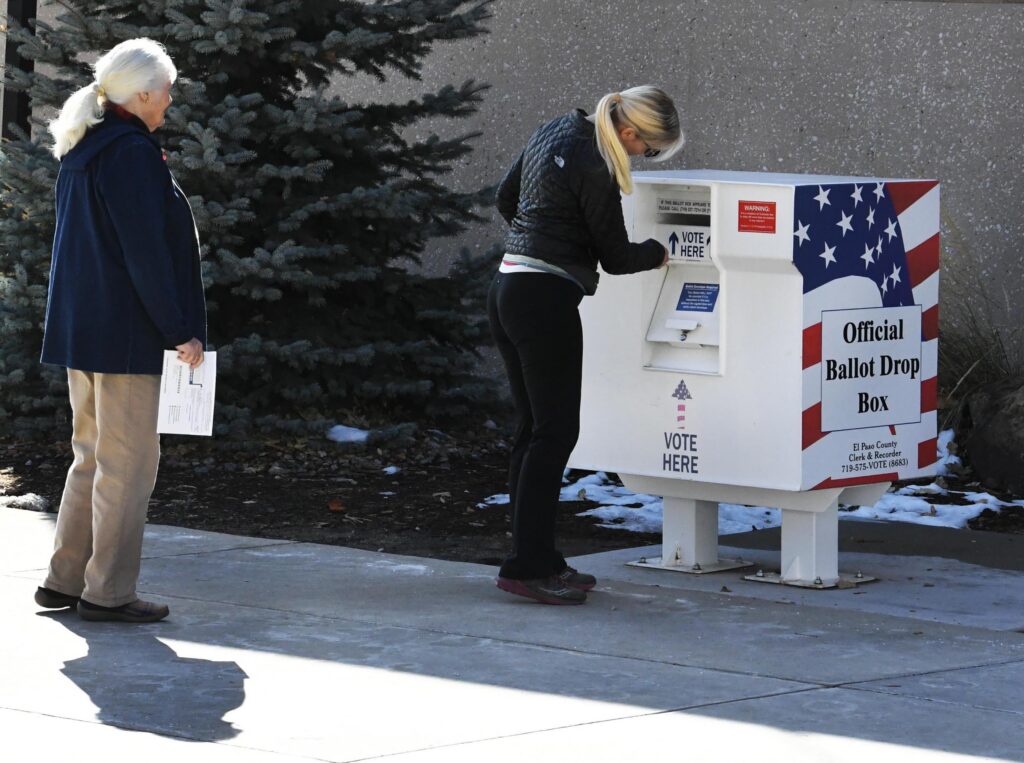
Colorado sues Trump administration, calling new election order ‘unconstitutional’
Marissa Ventrelli
marissa.ventrelli@coloradopolitics.com
Updated 9 hours ago
Colorado Attorney General Phil Weiser has joined a multistate coalition suing President Donald Trump over a new executive order on elections, arguing the directive unlawfully intrudes on states’ authority to run their own voting systems and threatens access to mail...
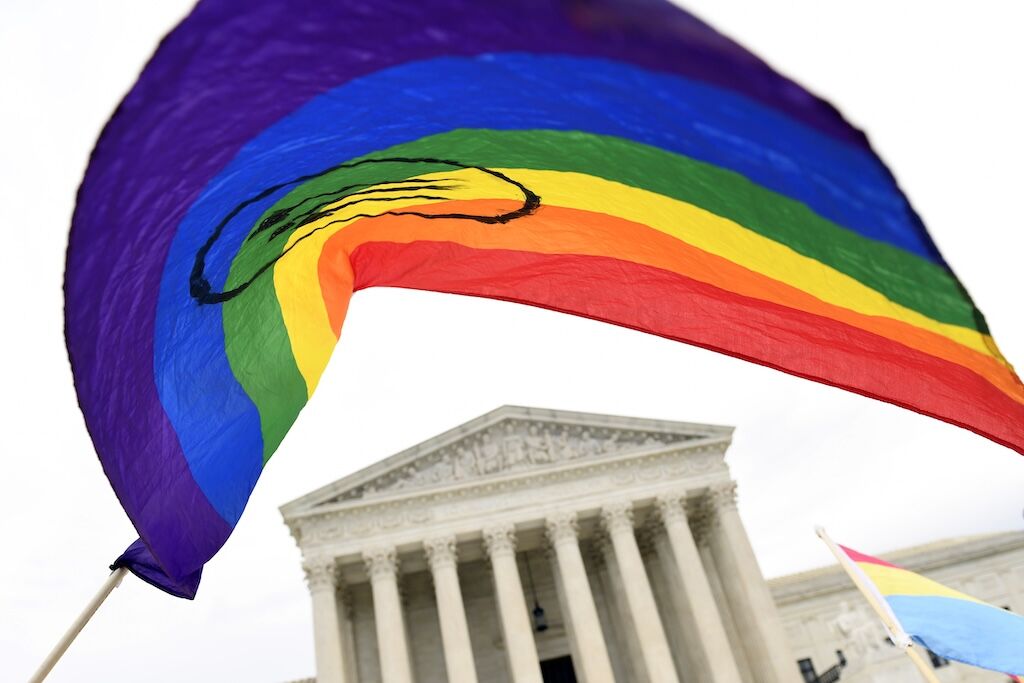
Why Colorado’s LGBTQ laws keep getting struck down by the Supreme Court
Jack Birle, Washington Examiner
jack.birle.washington.examiner@gazetteedit.wpenginepowered.com
Updated 9 hours ago
The Supreme Court has been a house of horrors for Colorado over the past decade, with the state facing a trio of major losses over laws it claims it has enacted to protect LGBT people but that the justices found...
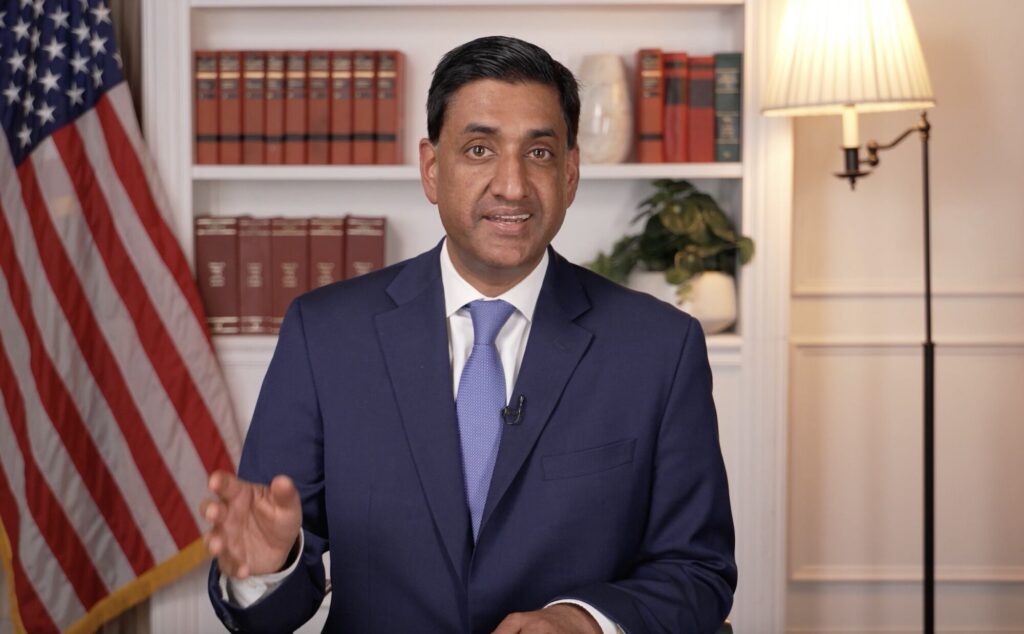
Denver Democrat Neal Walia lands endorsement from Ro Khanna in Colorado’s state House District 9
Ernest Luning
ernest.luning@coloradopolitics.com
Updated 6 hours ago
California Rep. Ro Khanna on Friday endorsed legislative candidate Neal Walia in the race for an open state House seat, praising the Denver Democrat’s commitment to public service and progressive goals. Walia, who mounted an unsuccessful challenge against U.S. Rep....
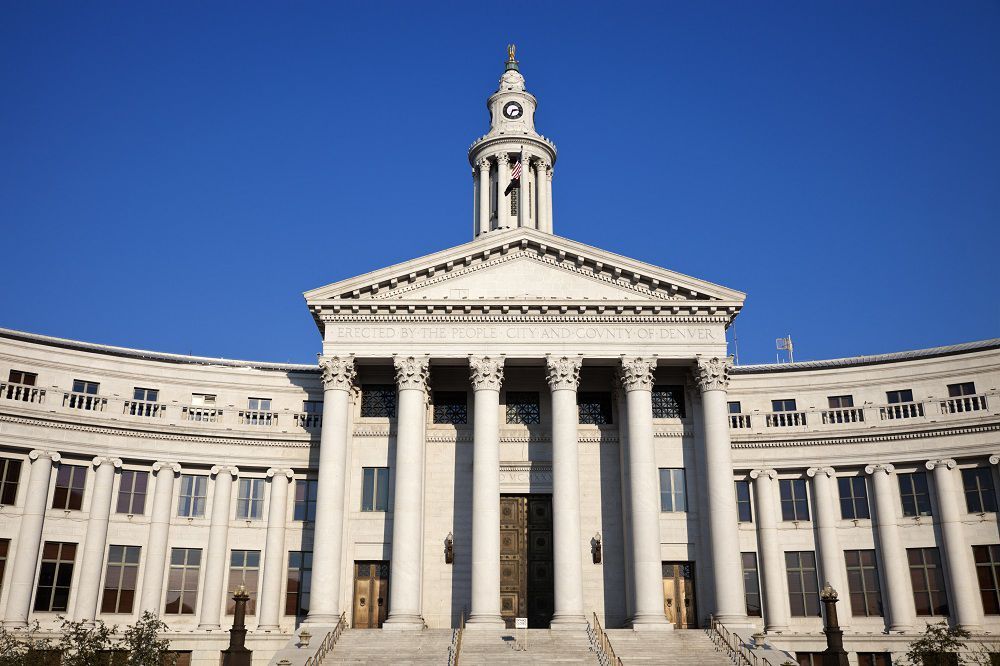
Denver judge denies Gov. Polis request to dismiss ICE-related records case
Marianne Goodland
marianne.goodland@coloradopolitics.com
Updated 7 hours ago
A year after blocking the release of state records to federal immigration agents, a Denver judge has now denied Gov. Jared Polis’ effort to end the lawsuit at the center of the dispute. The lawsuit filed against the governor in...
PREV
PREVIOUS
Appeals court clarifies what materials judges may rely on for postconviction decisions
Colorado’s second-highest court clarified on Thursday that trial judges who are deciding whether to grant relief to convicted defendants may rely on the materials attached to, or referenced in, the parties’ arguments. In contrast to direct appeals of criminal convictions, which usually allege errors before trial, at trial or at sentencing, defendants also have the […]
With the deadline missed, Bureau of Reclamation plans to move forward on Colorado River operations
Feb. 14 was no Valentine for the seven states of the Colorado River, which failed to come up with an agreement by that deadline on how to manage the dwindling water resource beginning Oct. 1. The U.S. Department of the Interior and the Bureau of Reclamation on Saturday announced it would move forward with a […]