Rubio’s speech to European allies takes a softer tone but sticks to Trump’s firm stance
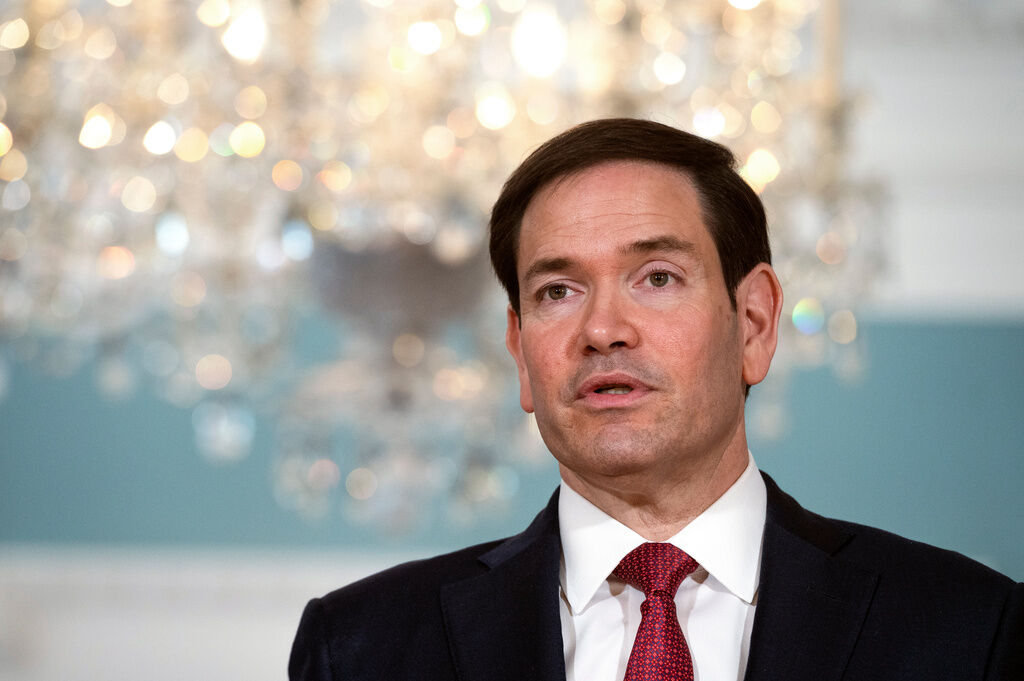
MUNICH (AP) — U.S. Secretary of State Marco Rubio offered a reassuring message to America’s allies on Saturday, striking a less aggressive but still firm tone about the administration’s intent to reshape the trans-Atlantic alliance and push its priorities after more than a year of President Donald Trump’s often-hostile rhetoric toward traditional allies.
Reminding his audience at the annual Munich Security Conference about America’s centuries-long roots in Europe, Rubio said the United States would remain forever tied to the continent even as it pushes for changes in the relationship and the institutions that have been the bulwark of the post-World War II world order.
Rubio addressed the conference a year after Vice President JD Vance stunned the same audience with a harsh critique of European values. A series of Trump administration statements and moves targeting allies followed, including Trump’s short-lived threat last month to impose new tariffs on several European countries in a bid to secure U.S. control of Greenland, a semiautonomous territory of NATO ally Denmark.
On Friday, German Chancellor Friedrich Merz had opened this year’s gathering by calling for the U.S. and Europe to “repair and revive trans-Atlantic trust together,” saying that even the U.S. isn’t powerful enough to go it alone in an world whose old order no longer exists. But he and other European officials made clear that they will stand by their values, including their approach to free speech, climate change and free trade.
‘A child of Europe’
While offering a calmer and more reassuring tone, Rubio made clear that the Trump administration is sticking to its guns on policy. He denounced “a climate cult” and “an unprecedented wave of mass migration that threatens the cohesion of our societies.”
Rubio argued that the “euphoria” of the Western victory in the Cold War led to a “dangerous delusion that we had entered ‘the end of history,’ that every nation would now be a liberal democracy, that the ties formed by trade and by commerce alone would now replace nationhood … and that we would now live in a world without borders where everyone became a citizen of the world.”
“We made these mistakes together and now together we owe it to our people to face those facts and to move forward to rebuild,” Rubio said.
“This is why we Americans may sometimes come off as a little direct and urgent in our counsel,” he said. “This is why President Trump demands seriousness and reciprocity from our friends here in Europe.”
Rubio said that an end of the trans-Atlantic era “is neither our goal nor our wish,” adding that “our home may be in the Western hemisphere, but we will always be a child of Europe.”
He acknowledged that “we have bled and died side-by-side on battlefields from Kapyong to Kandahar,” a contrast with disparaging remarks by Trump about NATO allies’ troops in Afghanistan that drew an outcry. “And I’m here today to make it clear that America is charting the path for a new century of prosperity. and that once again, we want to do it together with you, our cherished allies and our oldest friends.”
U.S. officials accompanying Rubio said his message was much the same as Vance’s last year but was intended to have a softer landing on the audience, which they acknowledged had recoiled at much of Trump’s rhetoric over the past year.
Europeans reassured but not complacent
The president of the European Union’s executive commission, Ursula von der Leyen, said Rubio’s speech was “very reassuring” but noted that “in the administration, some have a harsher tone on these topics.”
In her speech to the conference, she stressed that “Europe must become more independent,” including on defense. She insisted on Europe’s “digital sovereignty” — its approach to hate speech on social media.
British Prime Minister Keir Starmer said that “we shouldn’t get in the warm bath of complacency. He said the U.K. must reforge closer ties with Europe to help the continent “stand on our own two feet” in its own defense, and said there needs to be investment that “moves us from overdependence to interdependence.”
Hanno Pevkur, the defense minister of EU and NATO member Estonia, said it was “quite a bold statement to say that America is ‘a child of Europe’.”
“It was a good speech, needed here today, but that doesn’t mean that we can rest on pillows now,” he told The Associated Press. “So still a lot of work has to be done.”
Rubio didn’t mention Greenland. After last month’s escalation over Trump’s designs on the Arctic island, the U.S., Denmark and Greenland started technical talks on an Arctic security deal.
The secretary of state met briefly in Munich on Friday with the Danish and Greenlandic leaders, a meeting Danish Prime Minister Mette Frederiksen described as constructive.
But Frederiksen suggested Saturday that, although the dispute has cooled, she remains wary. Asked whether the crisis has passed, she replied: “No, unfortunately not. I think the desire from the U.S. president is exactly the same. He is very serious about this theme.”
Asked whether she can put a price on Greenland, she said “of course not,” adding that “we have to respect sovereign states … and we have to respect people’s right for self-determination. And the Greenlandic people have been very clear, they don’t want to become Americans.”
___
Moulson reported from Berlin. Associated Press writer Jamey Keaten in Geneva contributed to this report.


Democrat Shannon Bird qualifies by petition for primary ballot in Colorado’s toss-up 8th CD
Ernest Luning
ernest.luning@coloradopolitics.com
Updated 3 hours ago
Former state Rep. Shannon Bird has qualified for the Democratic primary ballot in Colorado’s hotly contested 8th Congressional District by submitting a sufficient number of petition signatures, state election officials said this week. The winner of the Democrats’ June 30...

Trump says he’s sending second aircraft carrier to the Mideast as he seeks Iran deal
Jon Gambrell
jon.gambrell@associatedpress.com
Updated 1 day ago
WASHINGTON (AP) — President Donald Trump said Friday that he decided to move a second aircraft carrier into the Middle East as he presses Iran to make a deal over its nuclear program. The USS Gerald R. Ford, the world’s...

‘There will be costs,’ warns Jason Crow after failed indictments for ‘illegal orders’ video | TRAIL MIX
Ernest Luning
ernest.luning@coloradopolitics.com
Updated 15 hours ago
U.S. Rep. Jason Crow, the Aurora Democrat who represents Colorado’s 6th Congressional District, signaled this week that he’s considering pursuing legal action against members of the Trump administration after a federal grand jury in Washington declined to indict Crow and...
2 Mexican Navy ships laden with humanitarian aid dock in Cuba as US blockade sparks energy crisis
Milexsy DurÁn
milexsy.durn@associatedpress.com
Updated 2 days ago
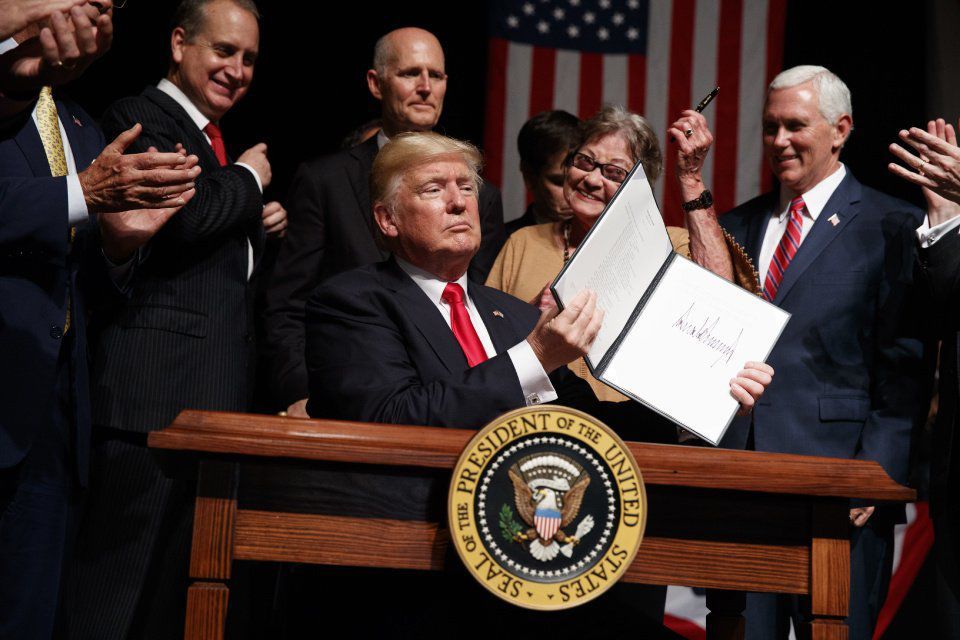
HAVANA (AP) — Two Mexican Navy ships laden with humanitarian aid docked in Cuba on Thursday as a U.S. blockade deepens the island’s energy crisis. The ships arrived two weeks after U.S. President Donald Trump threatened tariffs on any country...
Hickenlooper, Crow plan to donate campaign cash from Palantir execs to immigrant rights nonprofits
Ernest Luning
ernest.luning@coloradopolitics.com
Updated 2 days ago
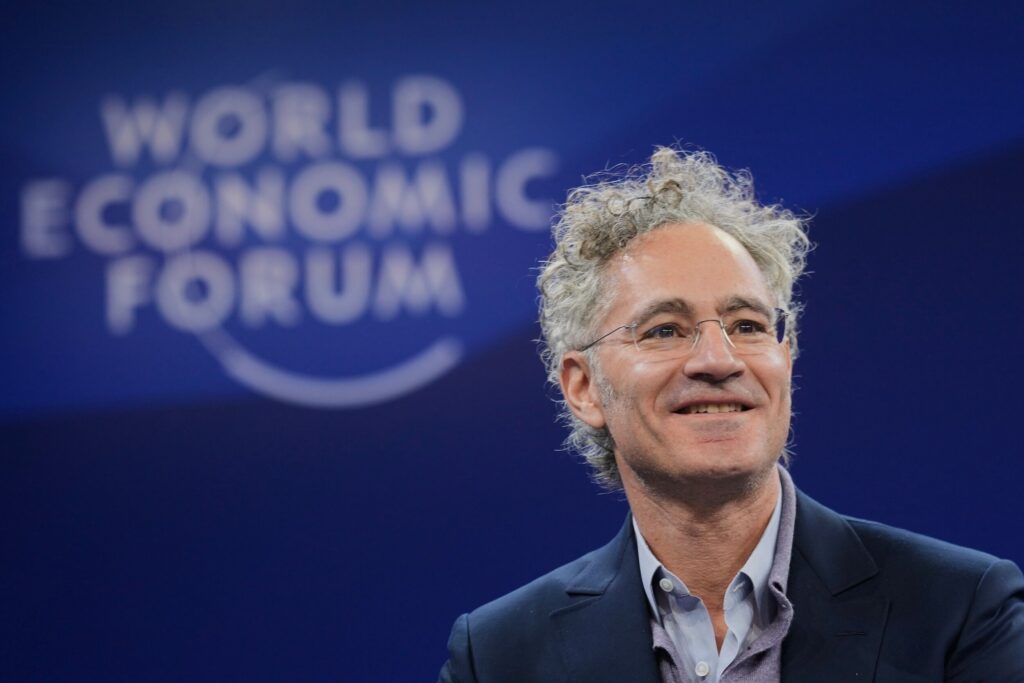
Two Democratic members of Colorado’s congressional delegation said this week that they plan to donate more than $100,000 received in campaign contributions from current and former employees of Denver-based firm Palantir Technologies to local nonprofits that assist immigrants and support...
Colorado Republicans set meeting to restrain state chair Brita Horn, but she says they can’t do that
Ernest Luning
ernest.luning@coloradopolitics.com
Updated 3 days ago
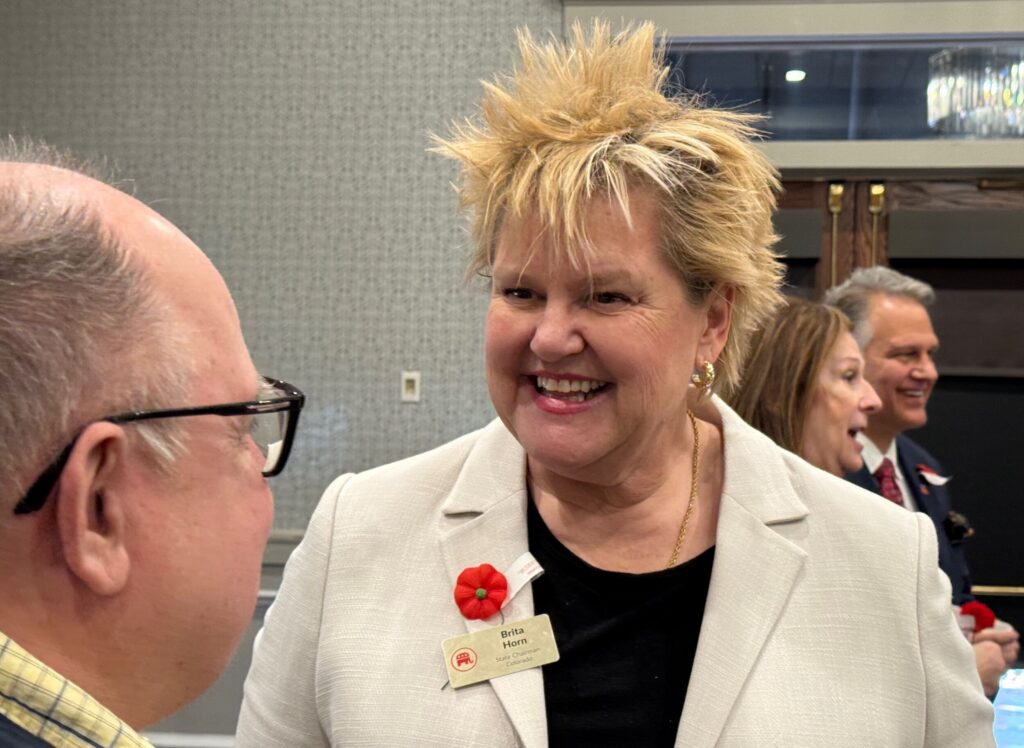
A Colorado Republican Party officer has scheduled a meeting of the party’s state central committee to consider whether to curb state GOP chair Brita Horn’s spending authority and hold a confidence vote in her leadership, but Horn said the party...
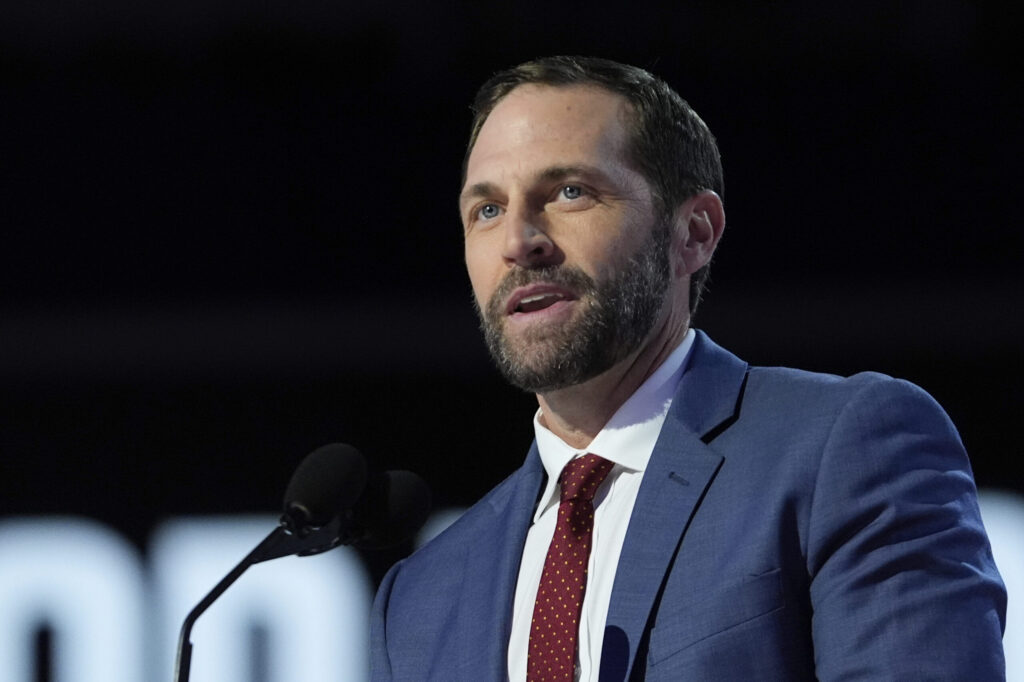
Grand jury refuses to indict Democratic lawmakers in connection with illegal military orders video
Eric Tucker
eric.tucker@associatedpress.com
Updated 3 days ago
WASHINGTON (AP) — A grand jury in Washington refused Tuesday to indict Democratic lawmakers in connection with a video in which they urged U.S. military members to resist “illegal orders,” according to a person familiar with the matter. The Justice...
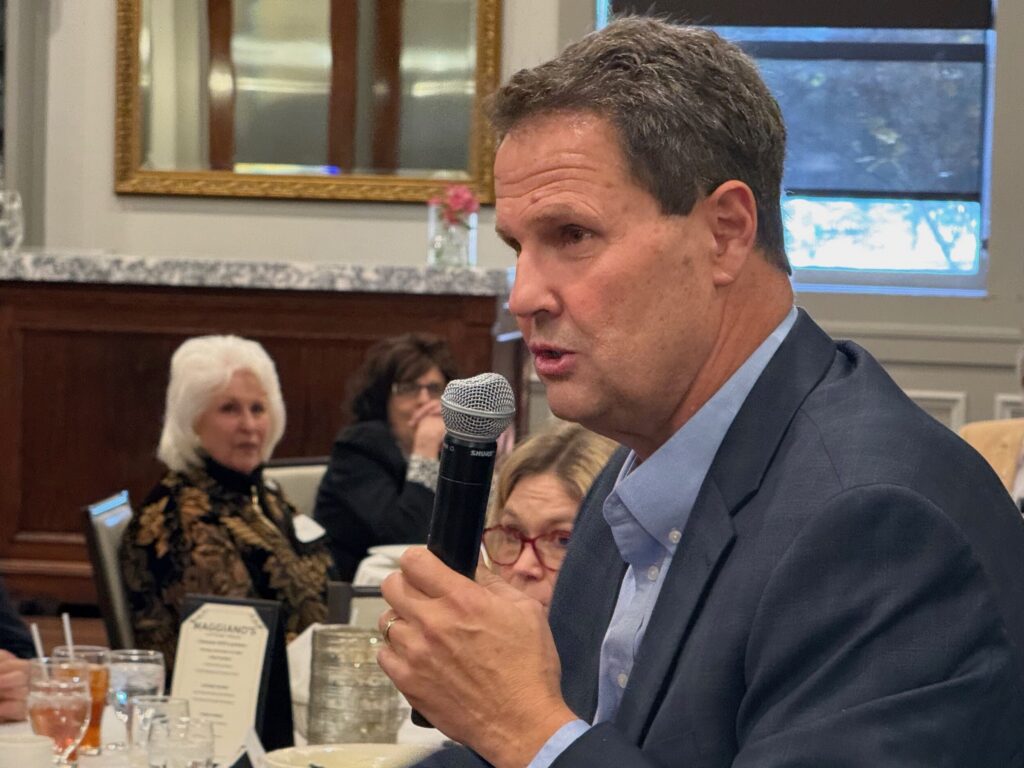
National Democrats add Republican Jeff Crank in Colorado’s 5th CD to list of targeted GOP-held seats
Ernest Luning
ernest.luning@coloradopolitics.com
Updated 4 days ago
The House Democrats’ campaign arm on Tuesday added U.S. Rep. Jeff Crank in Colorado’s 5th Congressional District to its list of targeted seats held by Republicans as the party aims to flip control of the chamber in this year’s midterm...

Ghislaine Maxwell declined to answer questions from a House committee, citing 5th Amendment rights
Stephen Groves
stephen.groves@associatedpress.com
Updated 5 days ago
WASHINGTON (AP) — Lawmakers tried Monday to interview Ghislaine Maxwell, but the former girlfriend and confidante of Jeffrey Epstein invoked her 5th Amendment rights to avoid answering questions that would be incriminating. Maxwell was to be questioned during a video...
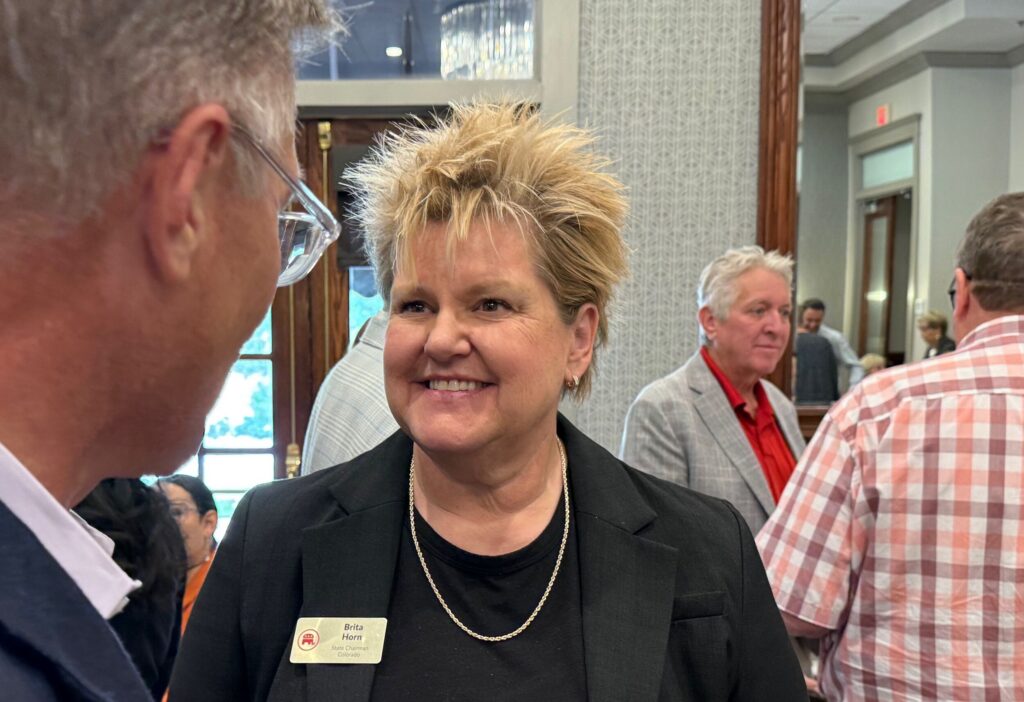
Colorado GOP Chair Brita Horn rebuffs critics as fellow party officer greenlights ‘no-confidence’ vote
Ernest Luning
ernest.luning@coloradopolitics.com
Updated 5 days ago
A Colorado Republican Party officer said last week that a move by party officials to impose restrictions on state GOP chair Brita Horn and hold a “no-confidence” vote on her leadership can proceed. Horn, however, told Colorado Politics that the...