

Will Colorado’s Trump-and-Polis-approved education grift-gift continue? | NOONAN
If President Donald Trump says it’s free money and Gov. Jared Polis says it’s free money, is it really free money? Both the president and governor claim the Great Big Beautiful Bill’s voucher for education scholarships is “free money.” The rest of us know there’s no such thing as “free money” in government programs.
The president’s Great Big Beautiful Bill creates a 100% tax credit for individuals who donate up to $1,700 for education scholarships. The tax credit is one-for-one. That is, the $1,700 doesn’t just reduce gross income for taxing purposes. The $1,700 takes the entire $1,700 directly off a tax bill. That concept is unusual which is why the IRS is currently conducting a comment period on how to implement this Great Big Beautiful Bill’s largesse.
Gov. Polis has opted the state “in” for the tax credit, which is an education voucher. He made the choice despite citizens voting three times to reject vouchers. Polis claims the state will lose out if it doesn’t take advantage of Trump’s great big, beautiful education funding gift. He says people will simply put that voucher money into another state to cop to the benefit.
Here are some real-world results of these so-called education scholarship programs. This analysis reflects the Trump administration’s view the scholarship money should not be fettered with oversight or regulation.
The donations are to Scholarship Grant Committees (SGOs) that dole out the scholarships. Based on what’s happening in Arizona where such programs have been available for many years, scholarships may pay for a wild range of stuff. Arizona taxpayers have underwritten an espresso machine because a kid wanted to learn how to be a barista. Money has gone to sports lessons, culinary equipment and burgeoning micro schools in strip malls. According to Gov. Polis, scholarships should focus on tutoring, but there’s nothing currently in the Great Big Beautiful Bill that limits the “educational” purposes for which scholarships may be applied.
Then there’s the SGOs themselves. Money may pour into these entities, and they get to keep 10% for administration purposes. Can we picture some boondoggles and grifts from gifts in the making? Say parents are friendly with the people who run an SGO. Say the SGO gives kids of those parents’ big scholarships for tennis lessons. How does that play in the world of smart education spending and sound economics?
Let’s assume 100,000 Colorado residents donate $1,700 each to these non-profit scholarship fund management entities. That’s $170 million deducted from the federal treasury and directed to these SGO’s. Take $17 million out of that to administer the scholarships with minimal oversight from any entity other than the SGOs themselves. For perspective, $170 million is the size of many budgets of our smaller school districts and $17 million could pay for 170 teachers at a $100,000-per-year salary.
Colorado already is experiencing school closures from lower enrollments. This reality is projected well into the future. The tax credits will likely accelerate this trend as money from scholarships is directed away from public schools and toward the private sector. If five kids receive $10,000 each from scholarships to attend a non-public school, the public school where the children attended loses at least $12,000 per student because in Colorado money follows students. That is, as enrollment in public schools decreases, funds to those schools also decrease. Unfortunately the fixed costs of public schools losing students don’t decrease. In fact, they generally increase.
The governor apparently assumes children leaving public education through tax credit scholarships will receive a better education than in their neighborhood schools. Arizona’s experience suggests his notion is a product of his imagination. In many cases, taxpayer-underwritten scholarship money goes to students already attending private schools including religious schools. The tax credits from the Great Big Beautiful Bill may go to students whose families are at 300% of an area’s gross median income. That means if median gross income is $100,000, a student could qualify for up to $300,000 in scholarships.
One would think that scholarship money would have some requirements for equity. But equity, as we all know, is not an objective of the Trump administration. This bias means scholarship funds will not be required to comply with civil rights or special-education statutes. Already low-income children, English language learners and special-education students are on the short end of Colorado’s education funding stick. These children will be the least likely to benefit from tax credits and most likely to be hurt by them.
Lobbyists are busy working the Internal Revenue Service to give SGOs the most leeway in how they manage the money. In general, SGOs would be limited to states, but there’s a well-funded effort to allow for national SGOs. If nationalized, the SGOs, mostly unregulated, can undermine the core principles of public education including access by every child to their public schools.
Gov. Polis said yes to vouchers for the state. The next governor will decide if they continue. Public education is at stake. It’s critical voters know whether the grift gift will continue.
Paula Noonan owns Colorado Capitol Watch, the state’s premier legislature tracking platform.

Colorado judges lean left — just look at the numbers | George Brauchler
George Brauchler
george-brauchler@gazette.com
Updated 9 hours ago
Colorado’s judicial selection system is heavily skewed toward Democrats and defendants. It is time to drop the pretense that our system adequately minimizes the impact of partisan political influences on the selection of the judicial branch. In less than two...
Colorado’s data centers should pay their own way | OPINION
Colorado Politics
colorado-politics@coloradopolitics.com
Updated 9 hours ago
By Sara Schueneman As energy costs soar and corporations look for new places and sweetheart deals to build data centers, consumers risk being electrified by a bill before the Colorado General Assembly. If signed into law, the Data Center &...
Coaches can help improve Colorado kids’ mental health | OPINION
Colorado Politics
colorado-politics@coloradopolitics.com
Updated 9 hours ago
By Vincent Atchity and Mark Allen Colorado’s kids need help. Last summer, Children’s Hospital Colorado reported a 26% spike in emergency room visits for youth mental health concerns. Doctors told reporters it wasn’t just more overall hospital visits — kids’...
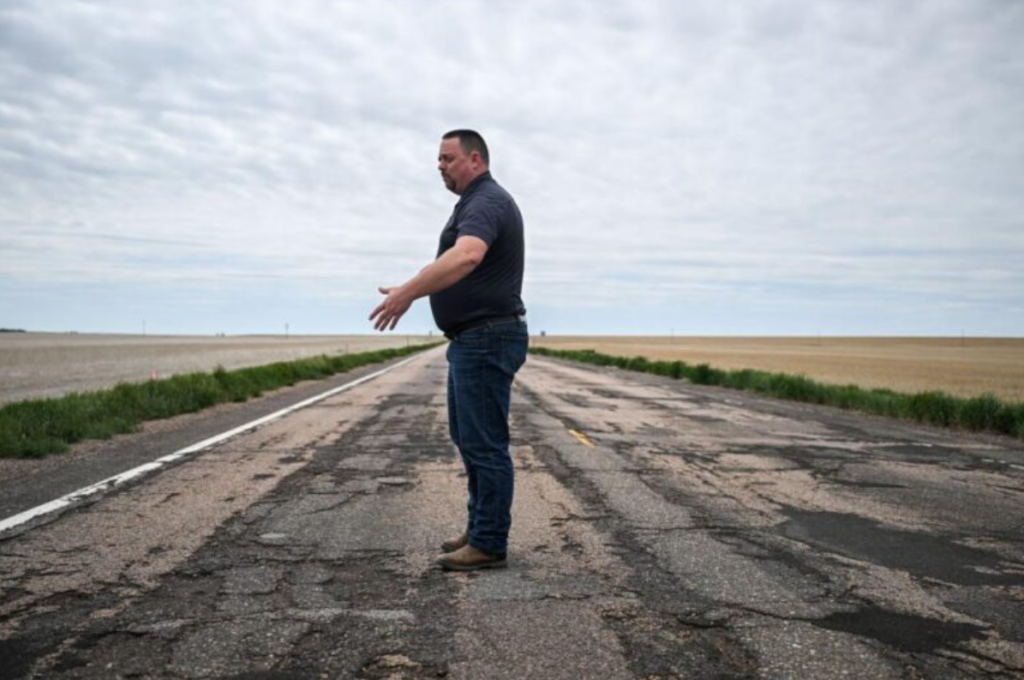
Resolution calling for increased road funding clears Colorado Senate committee
Marissa Ventrelli
marissa.ventrelli@coloradopolitics.com
Updated 10 hours ago
A Republican legislator said he was pleasantly surprised on Wednesday when the state Senate’s transportation panel advanced a resolution brought to him by county commissioners urging the Colorado Department of Transportation to invest more money to fix roads. Road maintenance...

Hail drives up to 54% of homeowners’ insurance premiums in parts of Colorado
Marissa Ventrelli
marissa.ventrelli@coloradopolitics.com
Updated 8 hours ago
Hail is the largest cost driver of homeowners’ insurance spikes in many parts of the state, according to data collected by the Colorado Division of Insurance. The department requested data from 20 homeowners’ insurance carriers to calculate average premiums and...

Colorado budget gets clean opinion from Office of the State Auditor
Marissa Ventrelli
marissa.ventrelli@coloradopolitics.com
Updated 10 hours ago
Colorado’s state auditor issued a “clean” opinion on the financial statements prepared by the government and higher education institutions, concluding they met generally accepted accounting principles and the documents were presented fairly. The state’s financial statements reported total assets of...
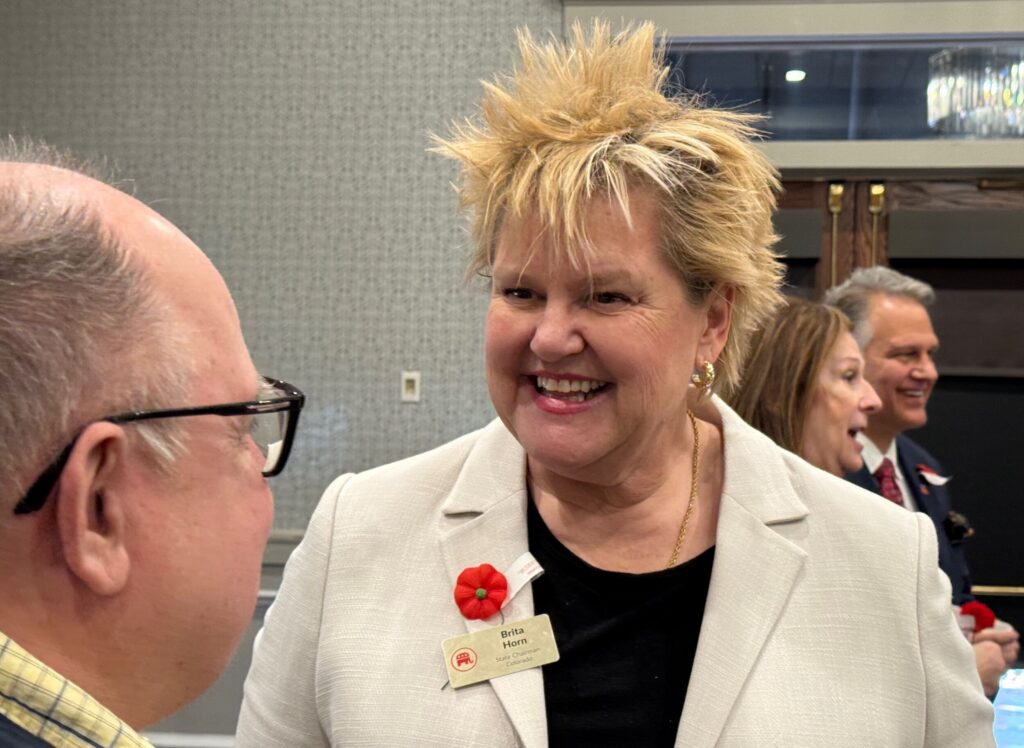
Colorado Republicans set meeting to restrain state chair Brita Horn, but she says they can’t do that
Ernest Luning
ernest.luning@coloradopolitics.com
Updated 10 hours ago
A Colorado Republican Party officer has scheduled a meeting of the party’s state central committee to consider whether to curb state GOP chair Brita Horn’s spending authority and hold a confidence vote in her leadership, but Horn said the party...
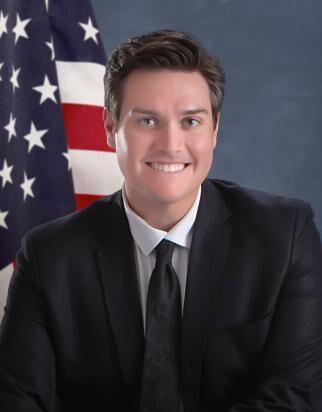
Freight rail is Pueblo County’s competitive advantage | PODIUM
Colorado Politics
colorado-politics@coloradopolitics.com
Updated 1 day ago
By Miles Lucero Pueblo County is helping drive Colorado’s next era of economic expansion. From clean energy to steel production to advanced manufacturing, our region is earning recognition for the kind of long-term industrial investment that creates durable, future-ready communities. Rail access is central to...
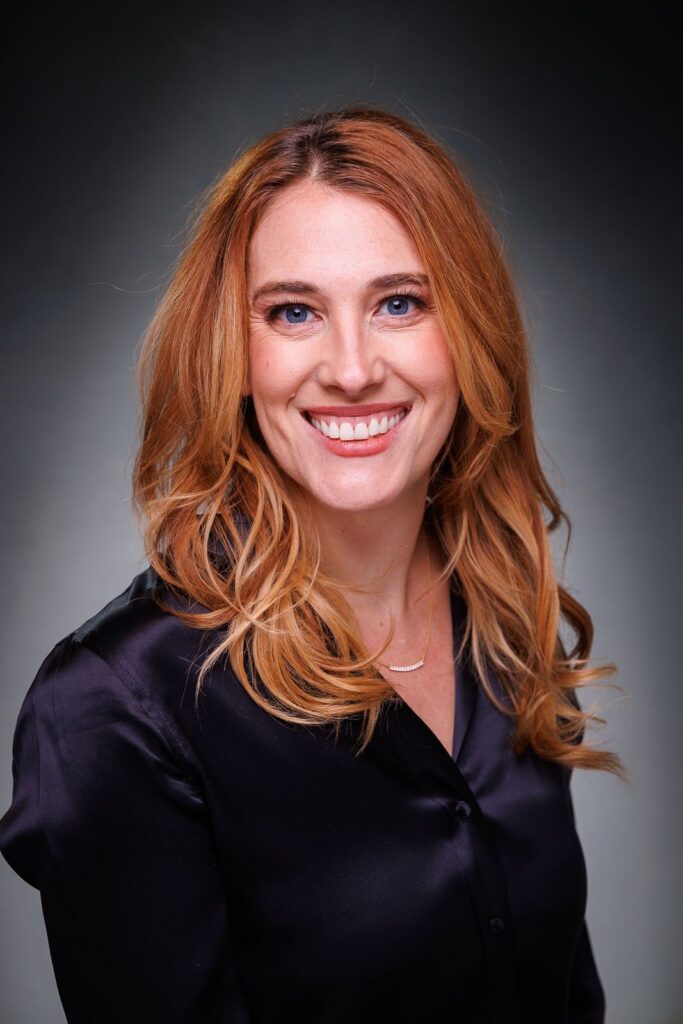
SB 26-066 will make patient care harder, not safer | OPINION
Colorado Politics
colorado-politics@coloradopolitics.com
Updated 17 hours ago
By Kristen Youngdahl As a pharmacist in Colorado, I am proud of the opportunity I have to work with patients consulting them on their specific medical situation and serving as a valuable partner to their overall health. As a trusted...
San Miguel County’s mining regs threaten Colorado’s uranium revival | OPINION
Colorado Politics
colorado-politics@coloradopolitics.com
Updated 1 day ago
By Marjorie Haun In southwestern Colorado’s historic mining town of Telluride — now a haven for the uber-rich, the San Miguel County Commission recently approved mining regulations that will effectively halt new uranium exploration and mining in the county’s mineral...
PREV
PREVIOUS

Coaches can help improve Colorado kids' mental health | OPINION
By Vincent Atchity and Mark Allen Colorado’s kids need help. Last summer, Children’s Hospital Colorado reported a 26% spike in emergency room visits for youth mental health concerns. Doctors told reporters it wasn’t just more overall hospital visits — kids’ struggles were also more severe and more acute. We’ve made real progress since 2021, when […]

Colorado judges lean left — just look at the numbers | George Brauchler
Colorado’s judicial selection system is heavily skewed toward Democrats and defendants. It is time to drop the pretense that our system adequately minimizes the impact of partisan political influences on the selection of the judicial branch. In less than two weeks, Gov. Jared Polis will appoint the next justice to our seven-member Colorado Supreme Court. […]