

Coaches can help improve Colorado kids’ mental health | OPINION
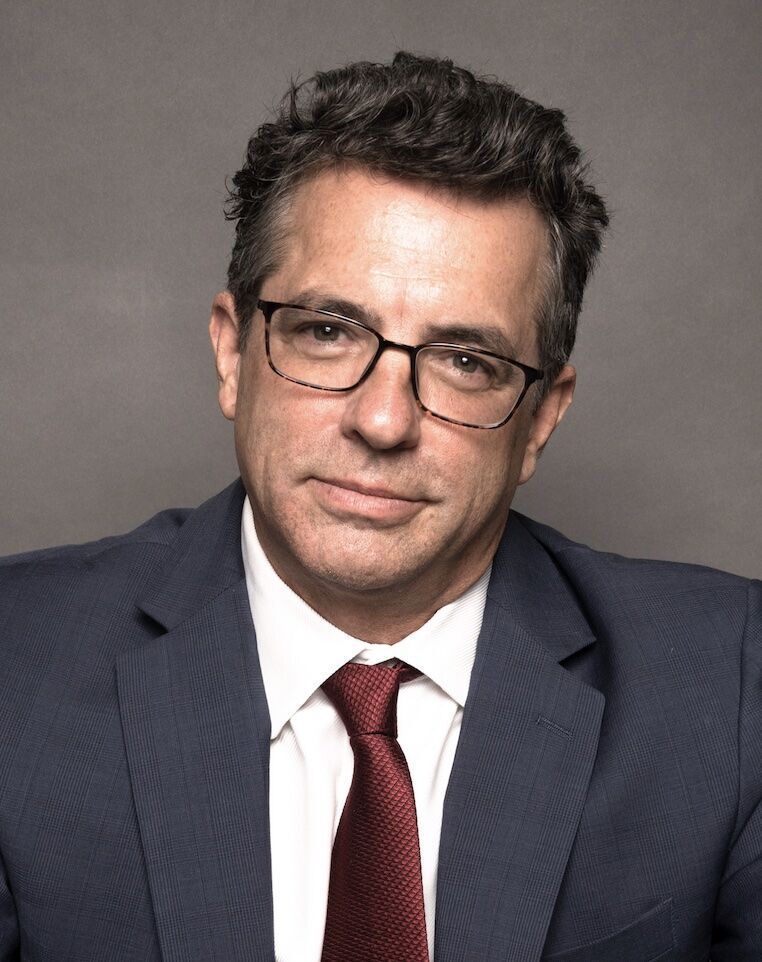
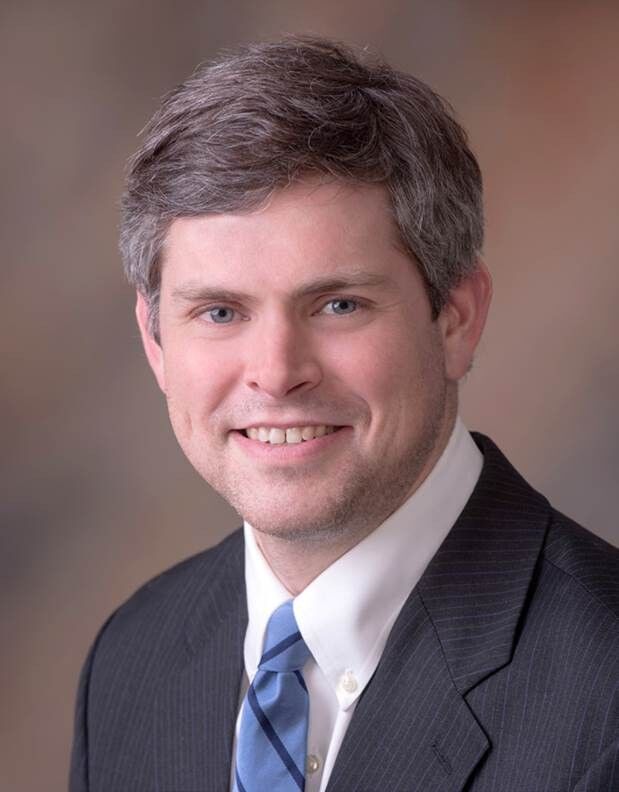
By Vincent Atchity and Mark Allen
Colorado’s kids need help.
Last summer, Children’s Hospital Colorado reported a 26% spike in emergency room visits for youth mental health concerns. Doctors told reporters it wasn’t just more overall hospital visits — kids’ struggles were also more severe and more acute.
We’ve made real progress since 2021, when a youth mental health crisis was first declared in Colorado. But there is more work to do.
The more we learn about this crisis, the more urgent it has become to improve the resources available to help struggling kids as quickly as possible. And it’s a team effort: every adult in a child’s life can make an impact, especially by knowing the signs a child’s mental health is declining.
It’s time to bring in the coaches.
Colorado kids love recreation and the outdoors, and 65% of kids between 6-17 played at least one sport in 2025. Youth athletic teams don’t just promote physical well-being; athleticism can be key to kids’ mental wellness, too. Time with friends, sportsmanship, teamwork and confidence are just a few of the positive effects that can come from participating in athletics of all kinds at a young age.
Youth coaches spend some of the most significant time with kids outside their families. That frequently puts them in a position to be the first to notice changes in behavior or performance. Coaches are also most likely to be the first adults on the scene when a child experiences a possible concussion, which can have severe short- or long-term effects like memory loss, mood swings, depression, or a higher risk for self-harm and suicide.
That is why we’re urging Colorado state legislators to support SB 26-060, a common-sense measure to promote mental health training for coaches, led by state Sens. Lindsey Daugherty and Rod Pelton. The bill would make sure coaches across the state receive education in basic mental health, so they can recognize when something may be wrong and how they can help.
The bill would also require coaches to inform parents when a child is removed from play and has signs and symptoms of a concussion, including psychological symptoms.
Right now, mental health training for coaches is inconsistent. Some schools and programs do a great job, while others lack resources or clear expectations. A statewide requirement ensures all young athletes, no matter where they live or what sport they play, receive a high standard of protection and care. Coaches receive physical training to keep kids safe, like CPR, and mental health awareness should be no different.
Beyond providing tools to build up kids’ mental health, to identify behavioral changes or mood disorders, and to respond to concussions, these courses can also give coaches the tools to identify trauma or substance use that might otherwise get missed. Because no matter the cause, the evidence is clear: early awareness and intervention make outsized differences in outcomes for young people’s health. When suicide remains the leading cause of death among young people in Colorado, we can’t afford to miss an opportunity to intervene.
Coaches also have a powerful role in shaping team culture. When they model good health and sportsmanship themselves, when they can normalize openness about mental health difficulties like anxiety, depression, or severe stress, it encourages kids to ask for help when they need it. Coaches’ effectiveness at promoting well-being makes a lasting impression on, and can be lifesaving, for young athletes. The influence of a great coach can extend beyond the team, influencing the healthful behaviors and overall well-being of families, schools and communities.
Coaches, like all adults who care for our kids, should be equipped with clear guidance, practical training, and support so they can recognize concerns, communicate with families, and help young athletes access the care they need. We must all be partners so no kid falls through the cracks and into a crisis.
Vincent Atchity is president and chief executive of Mental Health Colorado. Dr. Mark Allen is a board-certified psychiatrist and founder of Peak Sports Psychiatry, specializing in athlete mental health, performance, and integrated care across collegiate and professional sports.

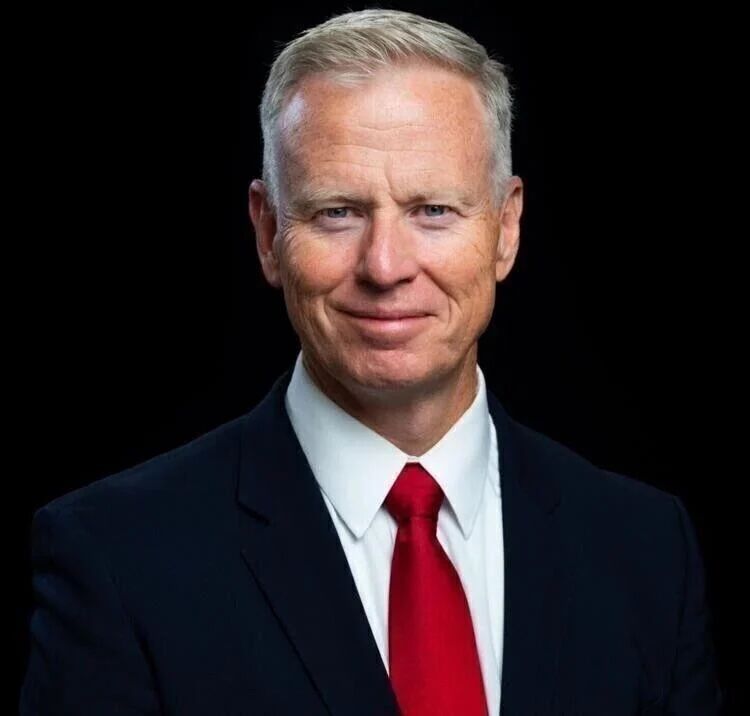
Colorado judges lean left — just look at the numbers | George Brauchler
George Brauchler
george-brauchler@gazette.com
Updated 7 hours ago
Colorado’s judicial selection system is heavily skewed toward Democrats and defendants. It is time to drop the pretense that our system adequately minimizes the impact of partisan political influences on the selection of the judicial branch. In less than two...
Colorado’s data centers should pay their own way | OPINION
Colorado Politics
colorado-politics@coloradopolitics.com
Updated 7 hours ago
By Sara Schueneman As energy costs soar and corporations look for new places and sweetheart deals to build data centers, consumers risk being electrified by a bill before the Colorado General Assembly. If signed into law, the Data Center &...

Will Colorado’s Trump-and-Polis-approved education grift-gift continue? | NOONAN
Paula Noonan
paula-noonan@coloradopolitics.com
Updated 7 hours ago
If President Donald Trump says it’s free money and Gov. Jared Polis says it’s free money, is it really free money? Both the president and governor claim the Great Big Beautiful Bill’s voucher for education scholarships is “free money.” The...
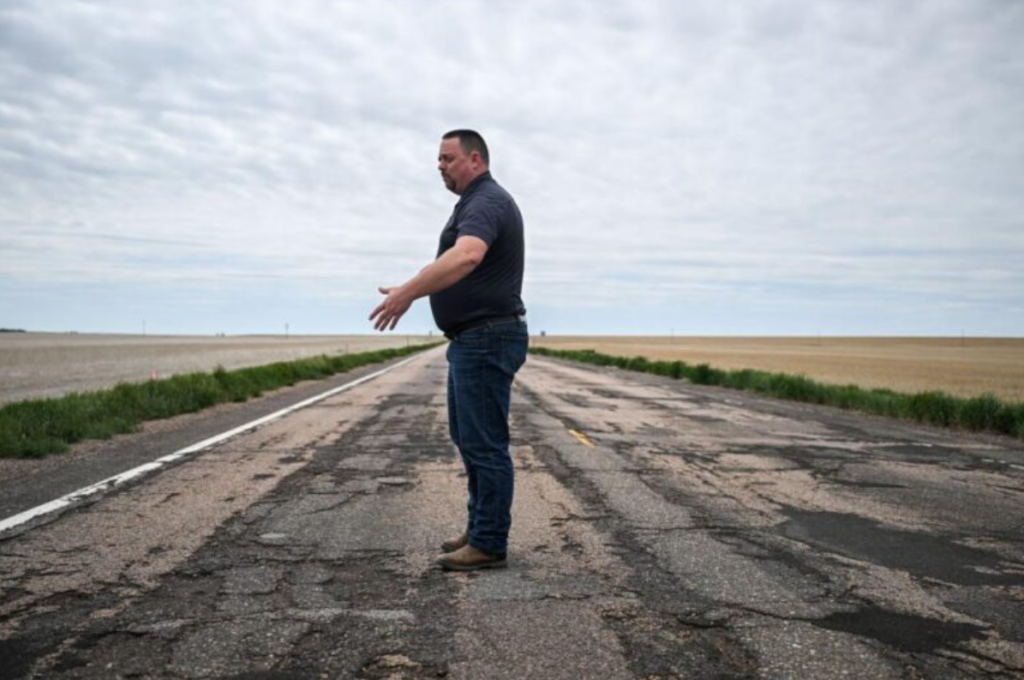
Resolution calling for increased road funding clears Colorado Senate committee
Marissa Ventrelli
marissa.ventrelli@coloradopolitics.com
Updated 8 hours ago
A Republican legislator said he was pleasantly surprised on Wednesday when the state Senate’s transportation panel advanced a resolution brought to him by county commissioners urging the Colorado Department of Transportation to invest more money to fix roads. Road maintenance...

Hail drives up to 54% of homeowners’ insurance premiums in parts of Colorado
Marissa Ventrelli
marissa.ventrelli@coloradopolitics.com
Updated 6 hours ago
Hail is the largest cost driver of homeowners’ insurance spikes in many parts of the state, according to data collected by the Colorado Division of Insurance. The department requested data from 20 homeowners’ insurance carriers to calculate average premiums and...

Colorado budget gets clean opinion from Office of the State Auditor
Marissa Ventrelli
marissa.ventrelli@coloradopolitics.com
Updated 8 hours ago
Colorado’s state auditor issued a “clean” opinion on the financial statements prepared by the government and higher education institutions, concluding they met generally accepted accounting principles and the documents were presented fairly. The state’s financial statements reported total assets of...
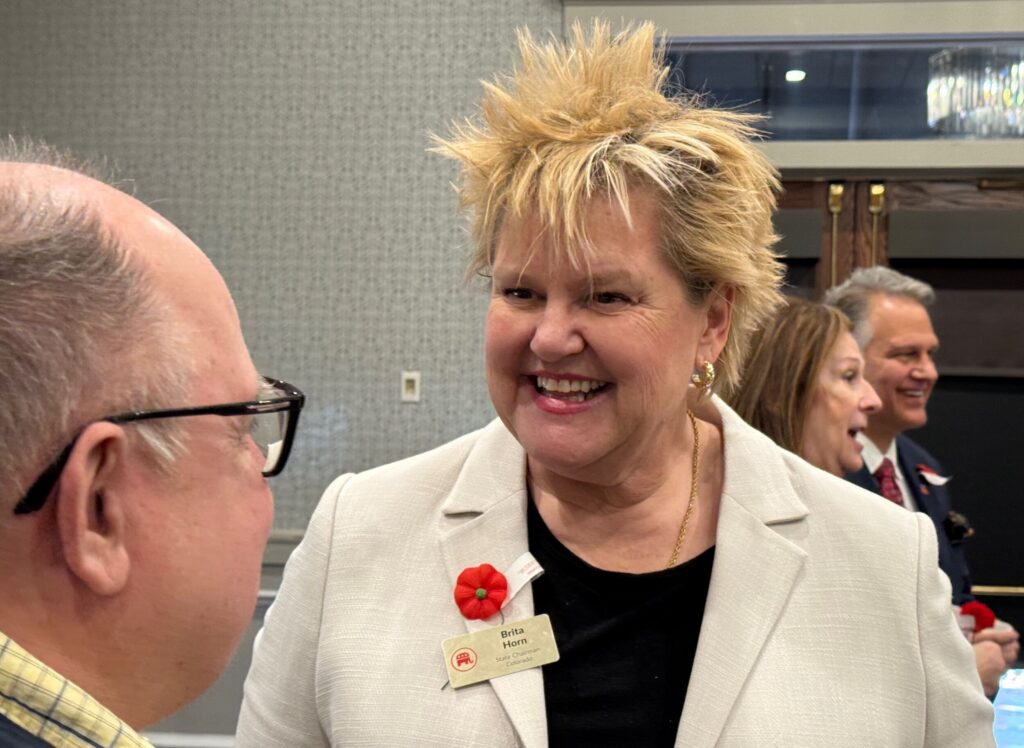
Colorado Republicans set meeting to restrain state chair Brita Horn, but she says they can’t do that
Ernest Luning
ernest.luning@coloradopolitics.com
Updated 8 hours ago
A Colorado Republican Party officer has scheduled a meeting of the party’s state central committee to consider whether to curb state GOP chair Brita Horn’s spending authority and hold a confidence vote in her leadership, but Horn said the party...
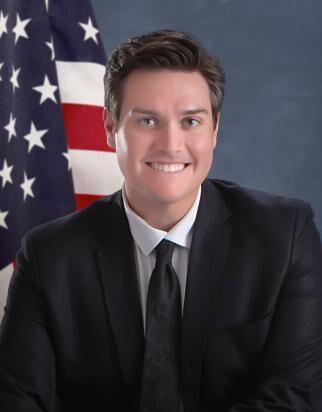
Freight rail is Pueblo County’s competitive advantage | PODIUM
Colorado Politics
colorado-politics@coloradopolitics.com
Updated 1 day ago
By Miles Lucero Pueblo County is helping drive Colorado’s next era of economic expansion. From clean energy to steel production to advanced manufacturing, our region is earning recognition for the kind of long-term industrial investment that creates durable, future-ready communities. Rail access is central to...
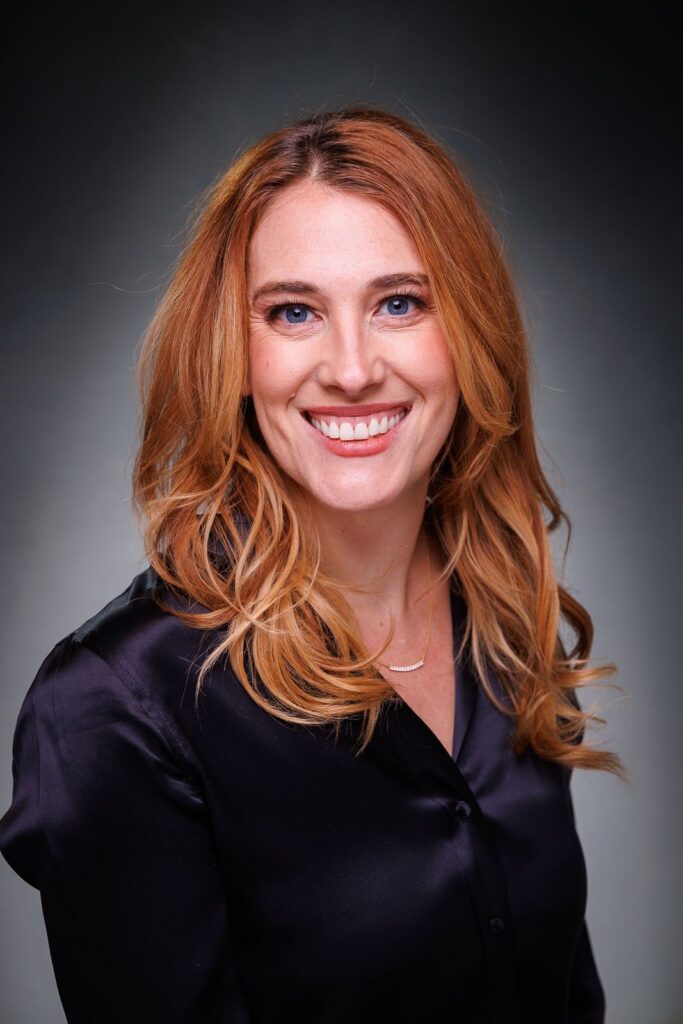
SB 26-066 will make patient care harder, not safer | OPINION
Colorado Politics
colorado-politics@coloradopolitics.com
Updated 15 hours ago
By Kristen Youngdahl As a pharmacist in Colorado, I am proud of the opportunity I have to work with patients consulting them on their specific medical situation and serving as a valuable partner to their overall health. As a trusted...

San Miguel County’s mining regs threaten Colorado’s uranium revival | OPINION
Colorado Politics
colorado-politics@coloradopolitics.com
Updated 1 day ago
By Marjorie Haun In southwestern Colorado’s historic mining town of Telluride — now a haven for the uber-rich, the San Miguel County Commission recently approved mining regulations that will effectively halt new uranium exploration and mining in the county’s mineral...
PREV
PREVIOUS
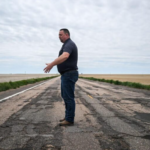
Resolution calling for increased road funding clears Colorado Senate committee
A Republican legislator said he was pleasantly surprised on Wednesday when the state Senate’s transportation panel advanced a resolution brought to him by county commissioners urging the Colorado Department of Transportation to invest more money to fix roads. Road maintenance is “probably the No. 1 issue” in his seven-county district, said Sen. Byron Pelton, R-Sterling. […]

Colorado's data centers should pay their own way | OPINION
By Sara Schueneman As energy costs soar and corporations look for new places and sweetheart deals to build data centers, consumers risk being electrified by a bill before the Colorado General Assembly. If signed into law, the Data Center & Utility Modernization Bill (HB 26-1030) would provide some of the world’s wealthiest corporations with massive […]