Colorado justices concerned about retrying defendant after jury signaled acquittal
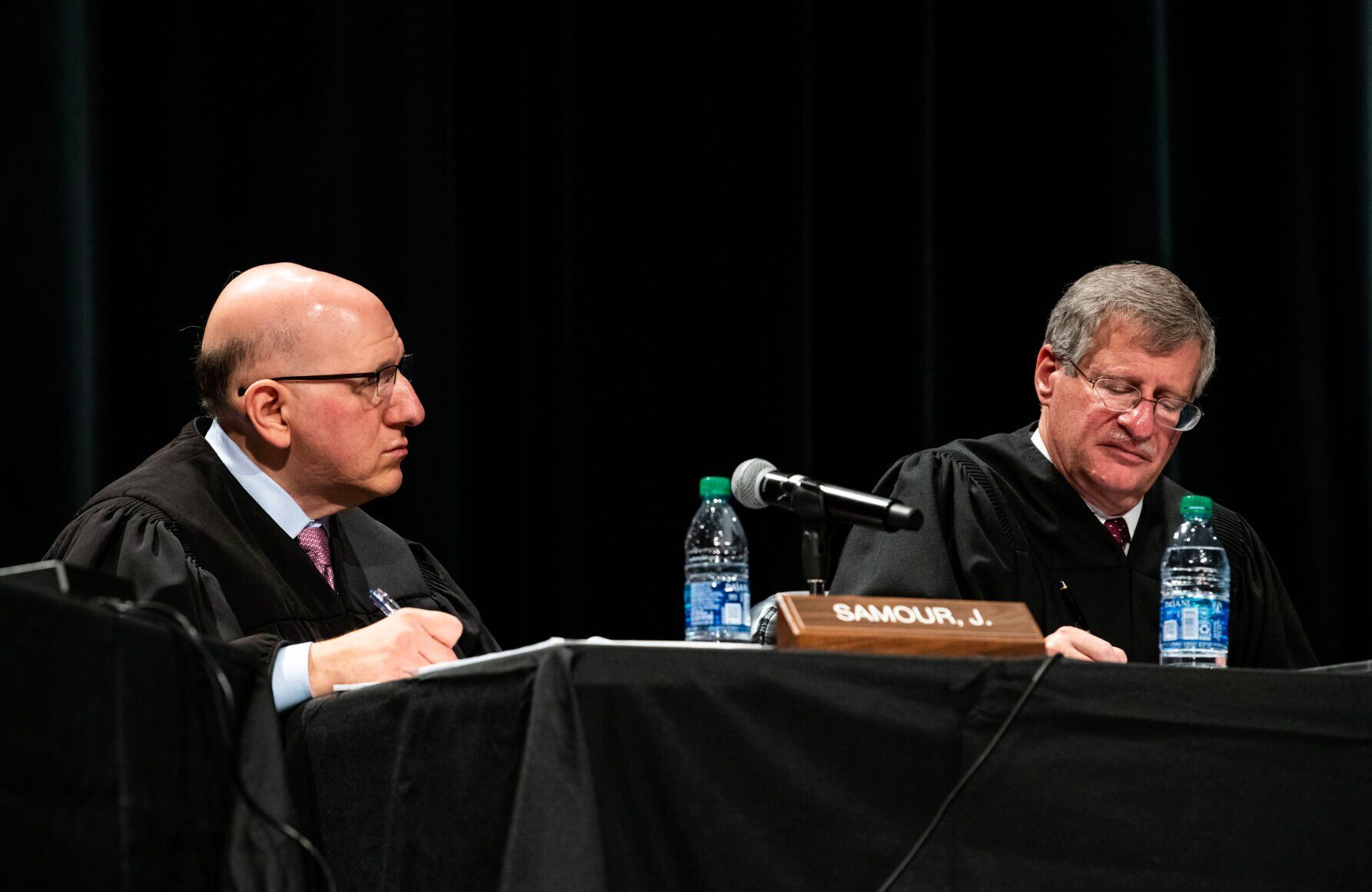
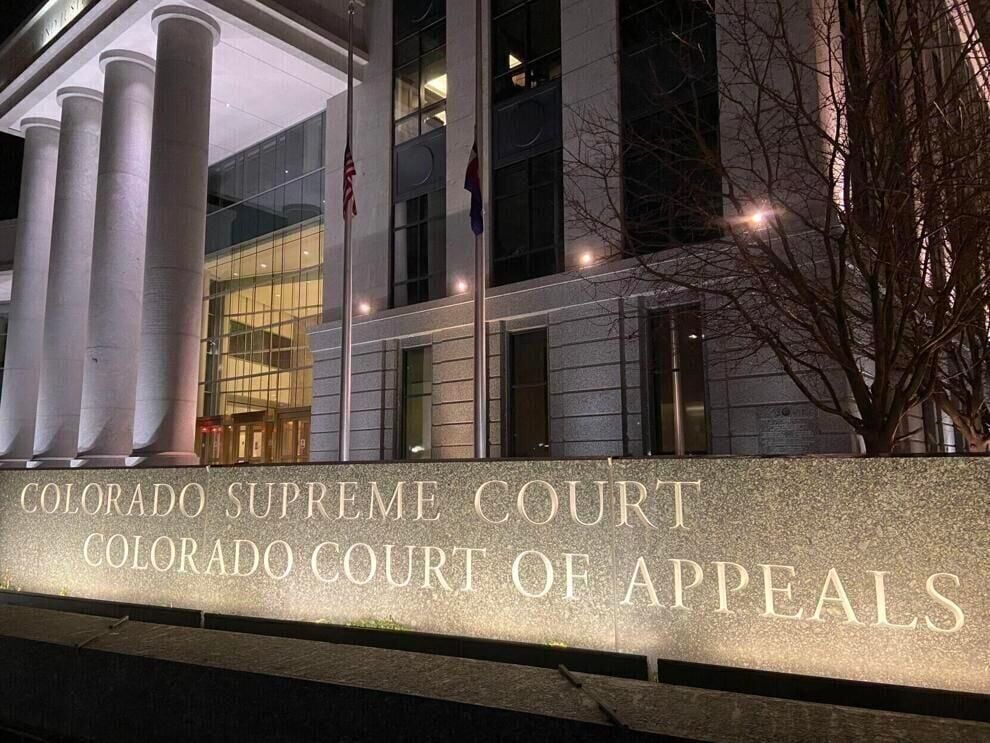
Some members of the Colorado Supreme Court appeared uncomfortable on Tuesday with allowing a criminal defendant to stand trial a second time after a Larimer County jury signaled it was deadlocked on some counts but found him not guilty of the more serious charges.
Omar Alexander Mena stood trial last summer for three counts of sexual assault. After the evidence concluded, the prosecution asked for the jury to also be instructed that it could find Mena guilty of a lesser offense of attempted sex assault for each charge. Over the defense’s objection, District Court Judge Sarah B. Cure gave jurors the option of finding Mena guilty of either assault or of attempted assault for each count, or not guilty for both.
On the second day of deliberations, the jury told Cure they had unanimously agreed on the “primary” charges but not the “secondary” ones. After Cure asked jurors to clarify what they meant and sent them home for the night, the jury indicated the next day that it reached a unanimous verdict on the assault charges, but not the attempt charges.
The defense asked Cure to provide the jurors with a modified form to enter their unanimous verdict on the assault charges. Given the jury’s instructions, an acquittal was the only logical outcome. But Cure declined, and instead declared a mistrial for all counts.
“I am concerned here on whether the focus was on doing justice for Mr. Mena or making sure the prosecution didn’t lose. And that’s troubling to me,” said Justice Richard L. Gabriel during oral arguments.
“Even if the jury has said, ‘All 12 of us have found the defendant not guilty of the charged offenses,'” added Justice Carlos A. Samour Jr., “even in that case, you don’t think the double jeopardy clause should warrant the judge giving a modified verdict form?”

The constitutional protection against double jeopardy prevents the prosecution from retrying a defendant who has previously been acquitted for the same offense.
In the 2008 decision of People v. Richardson, the Supreme Court held that a trial judge does not have to accept a partial verdict from jurors when they have indicated a decision on some charges but are deadlocked on others. Then-Justice Alex J. Martinez dissented, warning that jurors would have no way to register an acquittal and the defendant would be unaware he was being placed in jeopardy a second time.
“To protect against the realistic danger of these future double jeopardy violations, the better procedure would provide an opportunity for the jury to render a partial verdict and thereby shield the defendant from retrial on offenses for which he was in actuality acquitted,” Martinez wrote.
“I’m troubled that the court didn’t allow a verdict,” Gabriel told Mena’s lawyer. But in light of Richardson, “I don’t know of any law that required the court to do it. There’s a lot of law that says partial verdicts should not be allowed.”
Defense attorney Cassandra P. Monahan noted Mena’s case was different from Richardson’s, and the jury had given a more explicit description of where it stood. Because of the options on the verdict form, it was evident that jurors had not found him guilty of sexual assault, and were only conflicted about the lesser attempt charges.
“We had a verdict,” she said. “The trial court’s actions here prevented that verdict from being effectuated.”
Deputy District Attorney Russell Connelly argued that allowing judges to accept partial verdicts in cases like Mena’s would be difficult without opening the door to other scenarios.
“Other than the fact that you wouldn’t get a second bite at the apple in trying the charged offenses,” asked Samour, “what concerns (does the prosecution) have?”
“The jury, they were obviously deliberating the lesser (offenses),” said Connelly. “Maybe some jurors concluded they believed that defendant was guilty as charged, but they were willing to move on to consider the lesser (offenses) in the interest of returning a verdict.”
“That’s not what the note said,” replied Samour. “The note said, ‘We’re unanimous on the charged offenses’” for assault.
Connelly suggested that the Supreme Court hold that trial judges do not act unreasonably by declining to allow jurors to return a partial verdict. But the roadblock there, observed Chief Justice Monica M. Márquez, may be the Constitution.
“It seems, I think, everybody would agree that generally it’s up to the court’s discretion to issue a modified verdict form,” she said. “But isn’t that discretion constrained by the double jeopardy clause?”
The case is People v. Mena.

Missy Woods pleads not guilty; trial set for fall
Jenny Deam
jenny-deam@coloradopolitics.com
Updated 2 hours ago
The former Colorado Bureau of Investigation DNA expert charged with more than 100 felonies entered a plea of not guilty to all of them Wednesday in a packed Jefferson County courtroom. The plea was entered by her defense attorney Tom...
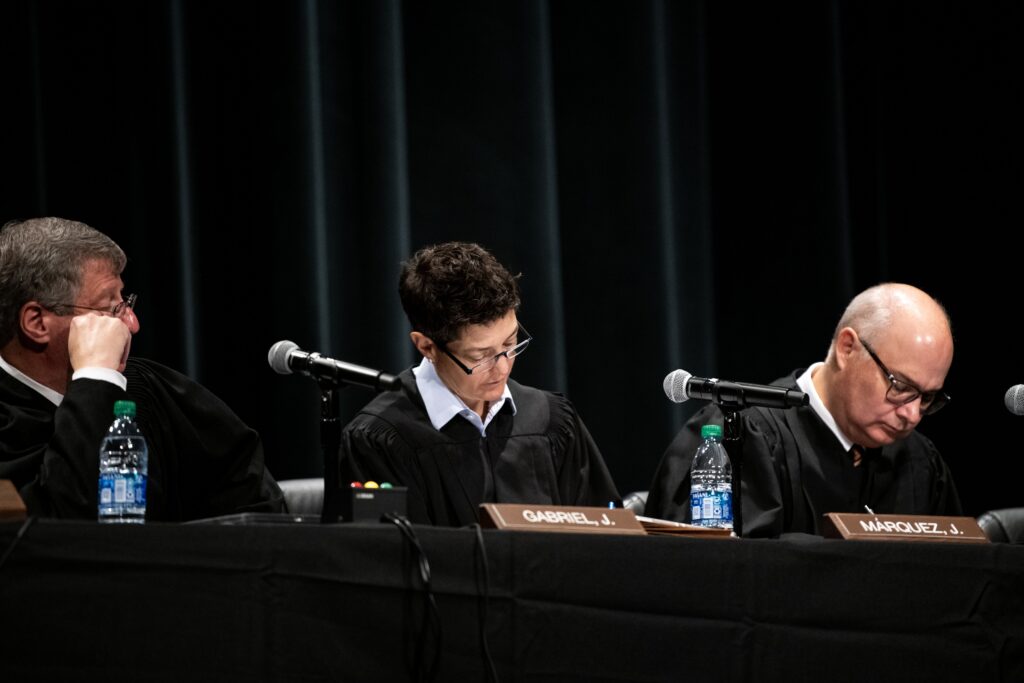
Colorado justices question process for parole board appeals
Michael Karlik
michael.karlik@coloradopolitics.com
Updated 4 hours ago
The Colorado Supreme Court considered on Tuesday whether criminal defendants whose parole is revoked must appeal the decision internally to the state’s parole board before seeking review by a judge. The process for returning someone to incarceration for violating the...
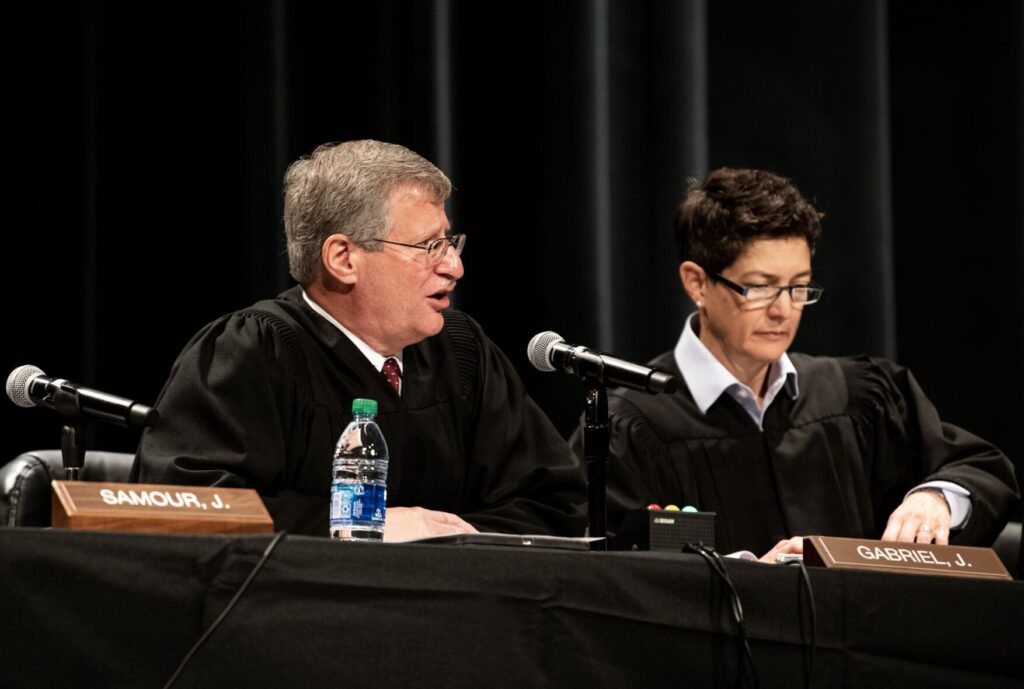
Colorado justices weigh potentially faulty jury instruction in child abuse case
Michael Karlik
michael.karlik@coloradopolitics.com
Updated 6 hours ago
Members of the Colorado Supreme Court questioned on Tuesday whether a San Miguel County jury convicted a defendant of child abuse resulting in death, even though the instructions potentially allowed jurors to avoid finding that the child abuse resulted in...
Federal judge sanctions Pueblo for destroying evidence in lawsuit
Michael Karlik
michael.karlik@coloradopolitics.com
Updated 22 hours ago
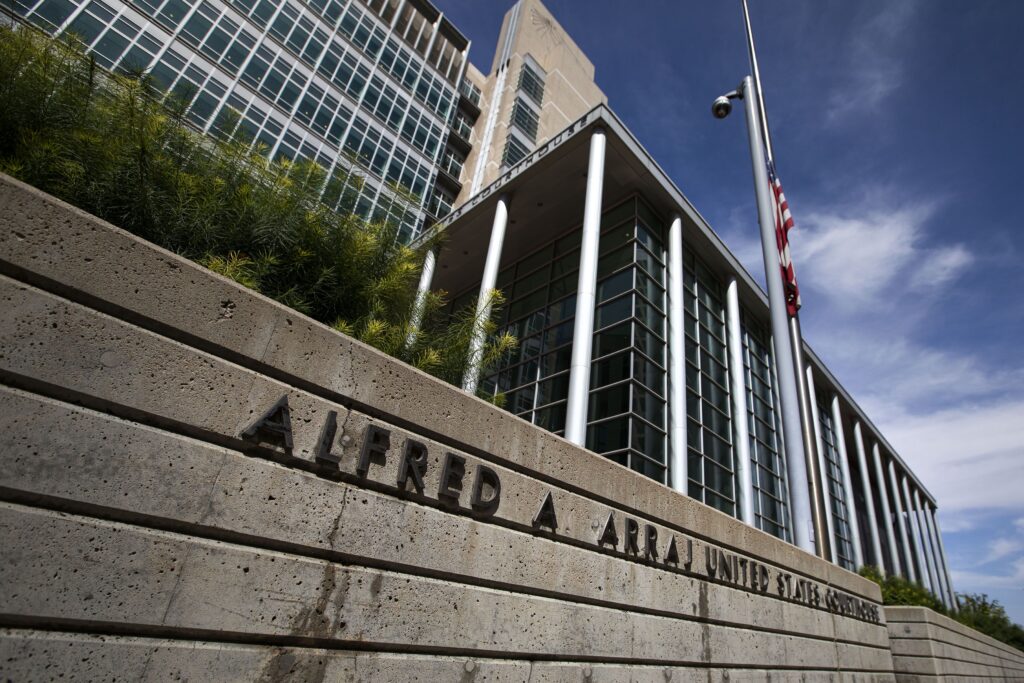
A federal judge imposed sanctions on the city of Pueblo last week after it disposed of a key piece of evidence shortly after the plaintiffs filed suit seeking damages for the destruction of their home. On June 25, 2022, a...
10th Circuit orders lawyer to pay $1,000 for faulty AI citations
Michael Karlik
michael.karlik@coloradopolitics.com
Updated 1 day ago
The Denver-based federal appeals court ordered a lawyer on Monday to pay $1,000 to the opposing side for submitting a legal filing with fake case citations generated by artificial intelligence. A three-judge panel of the U.S. Court of Appeals for...

Supreme Court finalists selected, federal judges slash backlogs | COURT CRAWL
Michael Karlik
michael.karlik@coloradopolitics.com
Updated 2 days ago
Welcome to Court Crawl, Colorado Politics’ roundup of news from the third branch of government. Coloradans learned who the three finalists are for a state Supreme Court vacancy, and new data show that Colorado’s federal trial judges reduced their backlog...
Federal judge blasts government for violating court order, confiscating man’s property
Michael Karlik
michael.karlik@coloradopolitics.com
Updated 3 days ago
A federal judge gave the government three hours on Friday to return the property of a man released from immigration detention, which it allegedly retained in violation of her previous order. “At its most benign, this failure is an unforced...
DA’s withdrawal from veterans treatment court not judge’s problem, ethics panel says
Michael Karlik
michael.karlik@coloradopolitics.com
Updated 5 days ago
There are no ethical concerns from a judge continuing to participate in a specialty veterans treatment court if the district attorney’s office has withdrawn from the program, the Colorado Supreme Court’s ethics committee advised on Wednesday. Colorado law permits chief...
Divided appeals court orders insurance company to pay $35,600 for delayed disclosure of policy
Michael Karlik
michael.karlik@coloradopolitics.com
Updated 5 days ago
Colorado’s second-highest court concluded on Thursday that an insurance company violated state law when it refused to disclose an automobile policy to an injured motorist for nearly one year after she requested it. By 2-1, a three-judge Court of Appeals...
Judge expected to decide Monday whether to accept latest plea agreements for Hallfords
Mackenzie Bodell
mackenzie-bodell@coloradopolitics.com
Updated 5 days ago
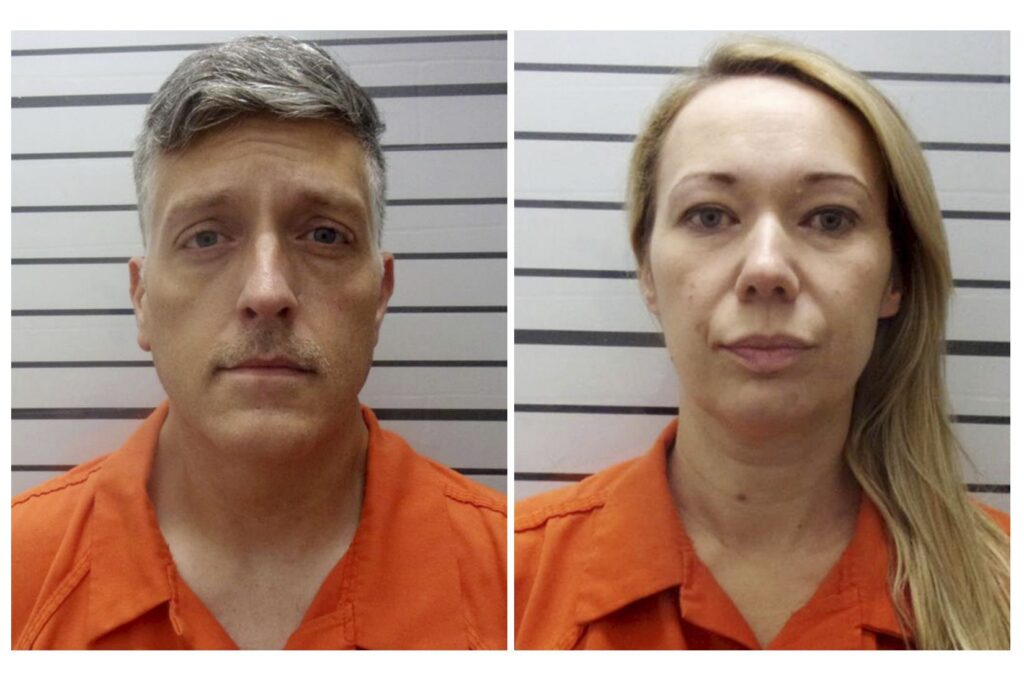
An El Paso County judge is expected to decide Monday whether to accept new negotiations that would extend the prison sentence for Jon and Carie Hallford, coming on the heels of the court rejecting the original plea agreements for the...