

Federal judge sanctions Pueblo for destroying evidence in lawsuit
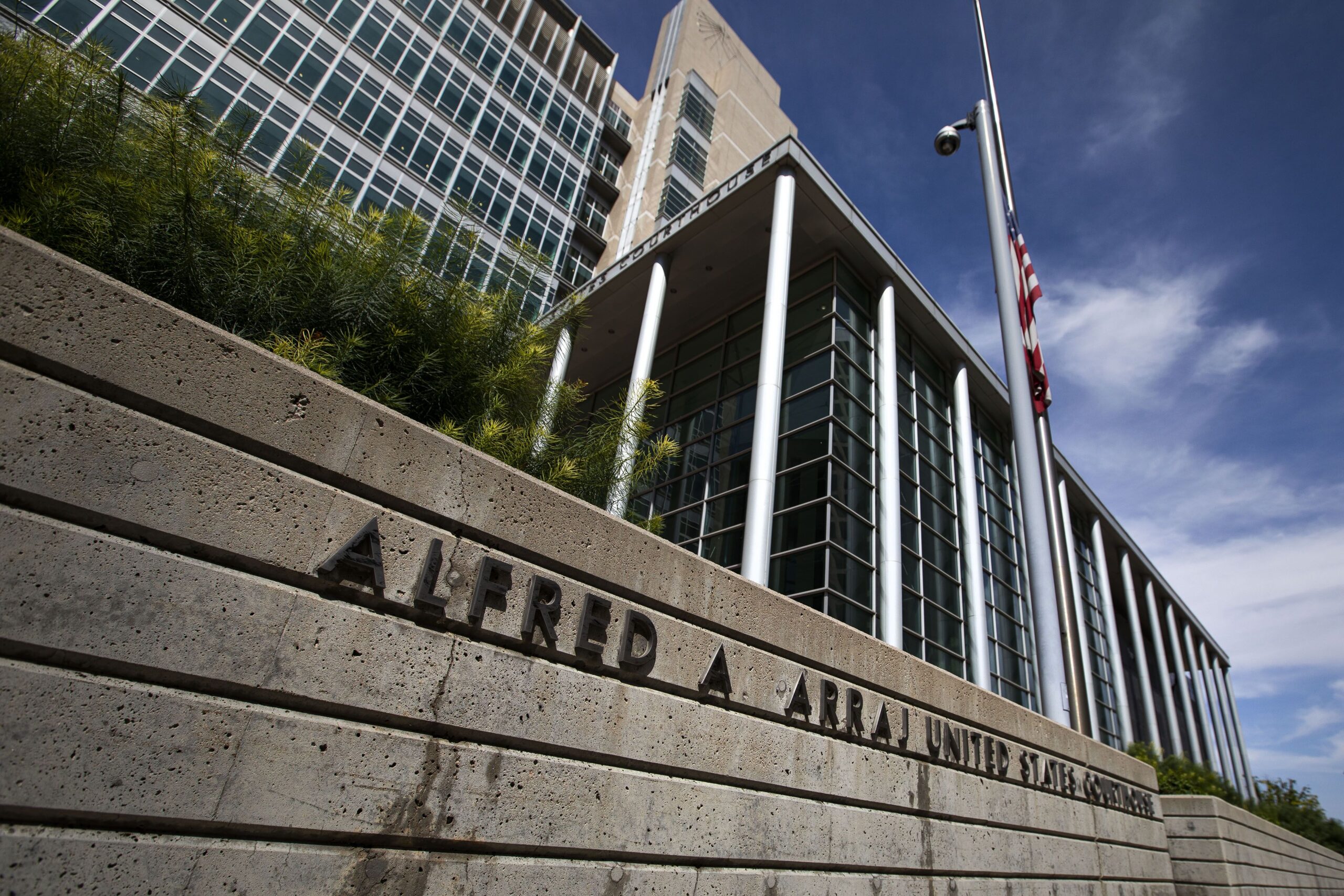
A federal judge imposed sanctions on the city of Pueblo last week after it disposed of a key piece of evidence shortly after the plaintiffs filed suit seeking damages for the destruction of their home.
On June 25, 2022, a city bus crashed into David V. and Nancy M. Salama’s house. One year later, they sued Pueblo for negligence. Exactly three months after the Salamas filed their complaint, the city sold the bus for scrap without notifying the plaintiffs.
After the Salamas’ attorneys learned the bus was gone, they sought a “stern sanction” to punish Pueblo for destroying the evidence. In a Feb. 5 order, U.S. District Court Judge Charlotte N. Sweeney agreed that corrective action was necessary, considering the absence of the bus complicated the analysis for how the crash unfolded.
Sweeney further criticized the city for failing to acknowledge it did anything wrong by compromising the Salamas’ ability to investigate Pueblo’s narrative of the crash by examining the bus.
“That Defendant intentionally destroyed the only evidence available to Plaintiff to refute that theory severely limits Plaintiff’s ability to counter Defendant’s position. It is not Plaintiffs’ fault they are in this position or that the evidence is unavailable — that was due to Defendant’s actions alone,” she wrote.
Sweeney has set the Salamas’ case for a jury trial on the city’s alleged negligence. The dispute revolves around the nature of the impact between the bus and another car — which caused the bus to veer off course — and whether the bus driver struck her head on the window and lost consciousness.

Last July, the Salamas moved for sanctions based on the destruction of evidence.
“If the Bus were available for a live inspection by the parties’ experts, to closely examine the impact marks, paint transfers, and the front left tire, it is very possible, if not likely, that the parties would agree on the impact location of the Bus,” the plaintiffs’ attorneys wrote. “At a minimum, there would be additional and better evidence of this critical fact.”
In response, the city attempted to shift blame to the Salamas for never specifically asking for Pueblo to preserve the bus, and for waiting too long to raise the issue.
“Due to its size, the Bus took up valuable space in the Transit garage. No request had been made to preserve the Bus and so (transit director Benjamin) Valdez determined to sell it for scrap. He did not make this decision to hide or destroy evidence, but to free up space in the garage,” wrote attorney Ann B. Smith.
In a Dec. 11 order, U.S. Magistrate Judge Maritza Dominguez Braswell recommended that Sweeney impose consequences on the city for its actions. She noted civil litigants have a duty to preserve evidence when they know, or should know, that litigation is imminent.
“The Bus was sold for scrap after litigation had already commenced,” wrote Braswell. “Defendant was on notice, Defendant had custody and control of the Bus, and Defendant violated its duty to preserve a key piece of evidence in this litigation.”
She acknowledged both sides’ expert witnesses were “equally confined” by the unavailability of the bus, and that the Salamas’ expert offered a “comprehensive reconstruction report” based on other evidence. Still, Braswell deemed the city “meaningfully culpable” for destroying evidence it should have preserved.
Braswell recommended that Pueblo investigate how it failed to retain the bus and what it would do going forward to avoid similar violations. The city would then submit its findings to the court. Braswell also recommended that the city be barred from arguing at trial about the bus driver’s alleged loss of consciousness.
Finally, she believed Pueblo should pay half of the Salamas’ costs associated with their sanctions motion.
Both sides objected to portions of the recommendation. The Salamas asked that Pueblo pay their costs fully, and that jurors be instructed that they can assume the missing evidence would have been unfavorable to Pueblo. The city, meanwhile, responded that the limitation on loss-of-consciousness testimony meant jurors would receive “an incomplete story” of the crash.
In her order, Sweeney believed Pueblo’s conduct potentially merited “additional sanctions beyond those recommended” due to the city’s disregard for its legal obligations. She largely upheld Braswell’s recommendation, with the clarification that there can be no evidence, testimony or argument at trial about the bus driver’s alleged loss of consciousness.
Sweeney agreed that Pueblo must investigate its failure to preserve the bus as evidence, and provide her with a report about “the root cause of the failure.” Specifically, Sweeney indicated the city should describe its typical practices for disposing of damaged vehicles, whether any attorney told the transit director about the need to preserve the bus and when Pueblo’s attorneys learned of the destruction.
Sweeney indicated she could potentially modify the sanctions after receiving Pueblo’s autopsy on the bus disposal.
“Of course, either party may reference the destruction of the Bus, including the timing of that destruction, at trial,” she added. “This is not a fact from which the jury will be shielded.”
The case is Salama et al. v. City of Pueblo.

Federal judge upholds constitutionality of Colorado campaign contribution limits
Michael Karlik
michael.karlik@coloradopolitics.com
Updated 7 hours ago
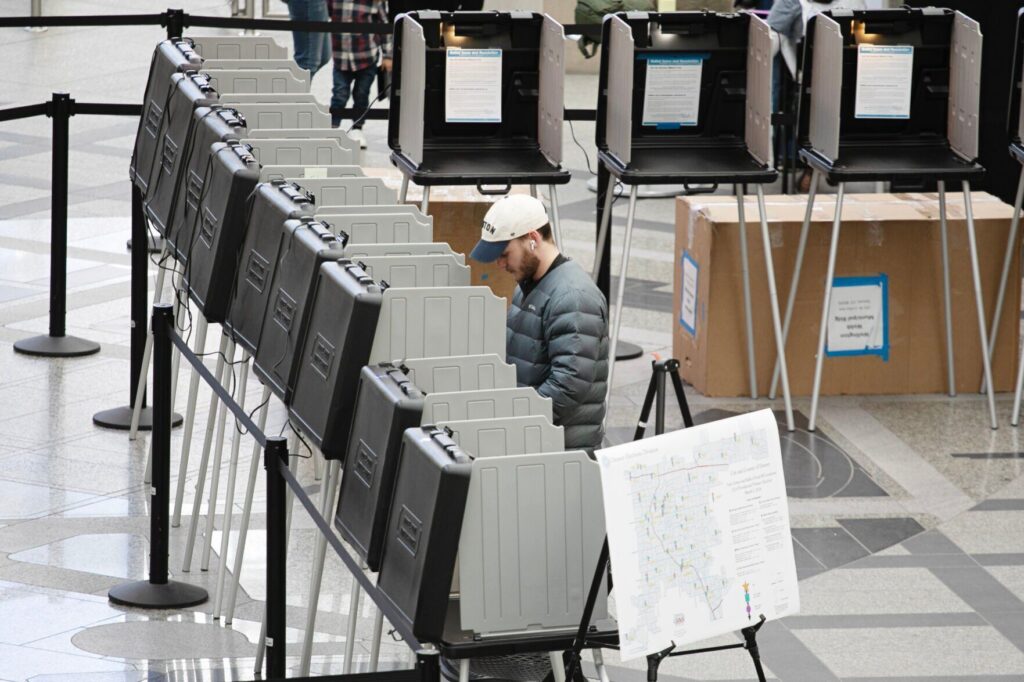
A federal judge upheld Colorado’s individual campaign contribution limits as constitutional on Thursday, finding that three Republican plaintiffs failed to prove the campaign finance framework violates their First Amendment rights. U.S. District Court Senior Judge John L. Kane recognized that...
Appeals court rejects theory that existing tax revenue undermines need for new fees
Michael Karlik
michael.karlik@coloradopolitics.com
Updated 12 hours ago
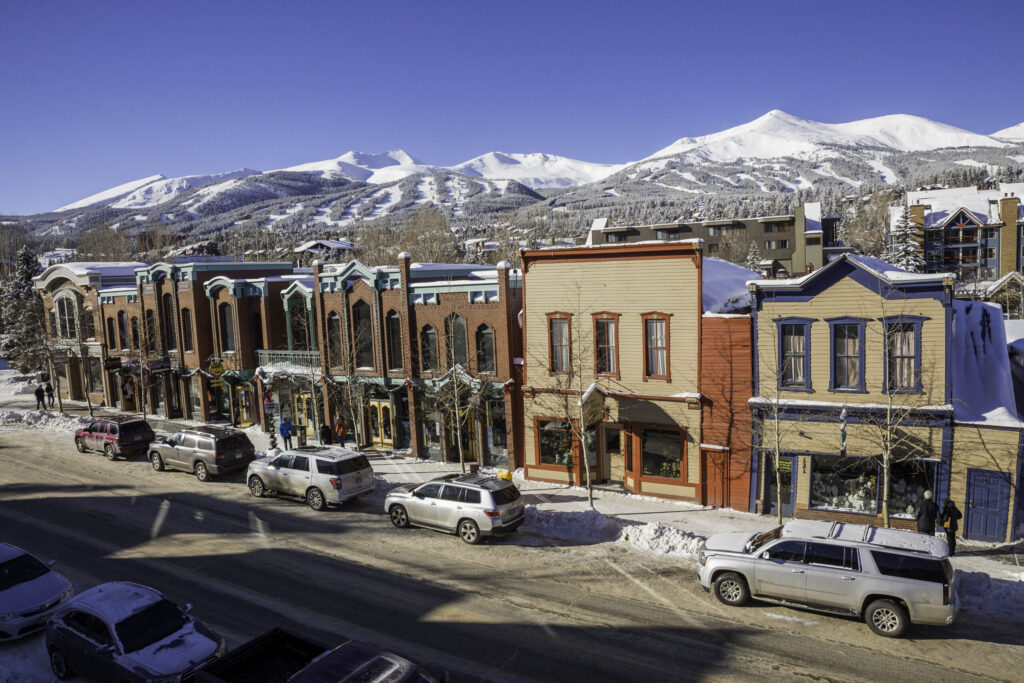
Colorado’s second-highest court rejected a plaintiff’s claim on Thursday that the tax revenue generated by an existing activity should prevent local governments from imposing new fees aimed at regulating the activity. The question stemmed from Colorado’s unique constraints on taxation...
Appeals court finds no illegal sentence when defendants forfeit time-served credit
Michael Karlik
michael.karlik@coloradopolitics.com
Updated 17 hours ago
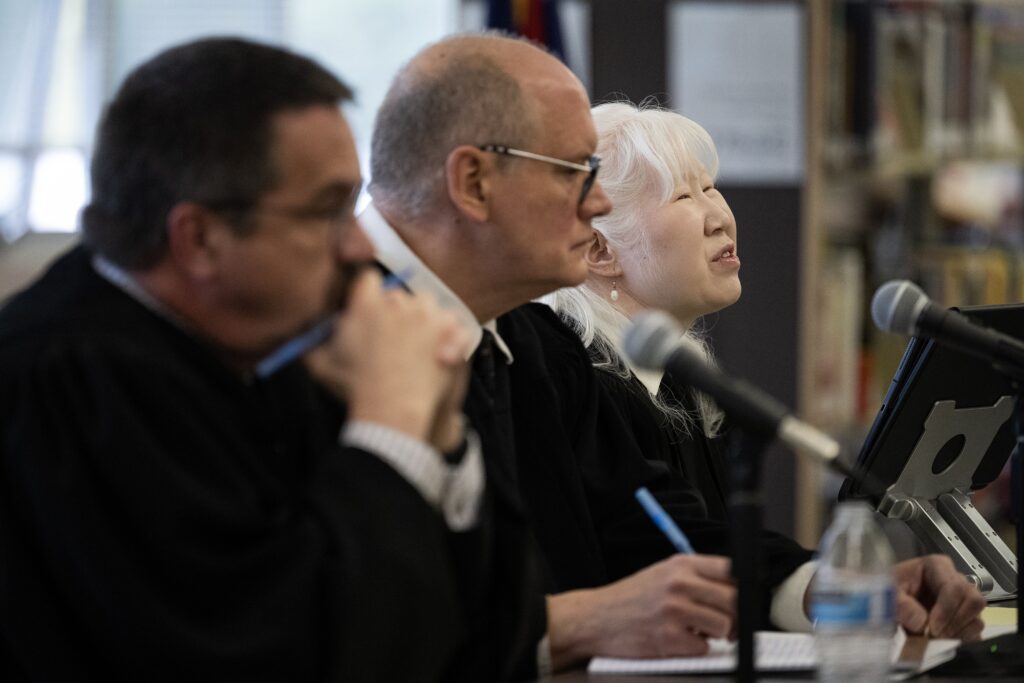
Colorado’s second-highest court ruled on Thursday that criminal defendants may agree to relinquish the credits they earned while incarcerated pending trial, despite a state law guaranteeing that such time “shall be deducted” from a person’s sentence. Kerry Ellis Endsley pleaded...
Appeals court reinstates Garfield County arson charge
Michael Karlik
michael.karlik@coloradopolitics.com
Updated 1 day ago
Colorado’s second-highest court reinstated a Garfield County defendant’s arson charge on Thursday, concluding a trial judge improperly credited a witness’s claim that she alone was responsible for starting the fire. A sheriff’s deputy responded to a brush fire near Parachute...
Federal judges rebuke ex-Colorado judicial discipline director for conduct in lawsuit
Michael Karlik
michael.karlik@coloradopolitics.com
Updated 2 days ago
A pair of federal judges expressed a desire on Thursday to break the logjam on a lawsuit by Colorado’s former judicial discipline director against the state Supreme Court and related entities, while simultaneously showing little tolerance for the plaintiff’s scorched-earth...

Democratic bill would let recipients of ‘conversion therapy’ sue Colorado providers with no statute of limitations
Marissa Ventrelli
marissa.ventrelli@coloradopolitics.com
Updated 1 day ago
Colorado lawmakers have advanced a proposal that would allow people who underwent conversion therapy to sue licensed providers for damages, moving the measure forward on a party-line vote in the House Judiciary Committee. House Bill 1322, proposed by Democratic Reps....
Federal judge refuses to authorize immediate appeal in World Cup trafficking lawsuit
Michael Karlik
michael.karlik@coloradopolitics.com
Updated 3 days ago
A federal judge declined to authorize an immediate appeal last week of a prior decision allowing companies operating out of Colorado to be sued for allegedly participating in a human trafficking venture involving Filipino laborers who constructed facilities for the...
Federal judge considers second round of sanctions against ex-Colorado judicial discipline director
Michael Karlik
michael.karlik@coloradopolitics.com
Updated 3 days ago
A federal judge ordered Colorado’s former judicial discipline director on Tuesday to explain why she should not sanction him a second time for filing documents for improper purposes, such as harassment or delay. U.S. District Court Senior Judge Kathryn H....
Colorado justices agree to review insurance question that has divided federal judges
Michael Karlik
michael.karlik@coloradopolitics.com
Updated 3 days ago
The Colorado Supreme Court granted a federal judge’s request on Friday to address an issue that has produced conflicting answers in policyholders’ lawsuits against insurance companies over unpaid benefits. “Parties (and judges) regularly spend undue time and money fighting in...
Federal judge dismisses background screeners’ challenge to Colorado law
Michael Karlik
michael.karlik@coloradopolitics.com
Updated 4 days ago
A federal judge dismissed a challenge on Friday to a portion of Colorado law that prohibits certain information from being included in consumer reports, in what seemed to be a conflict with federal law. Congress originally enacted the Fair Credit...
PREV
PREVIOUS

Colorado’s federal energy lab hit with another round of 100+ layoffs
The National Laboratory of the Rockies, formerly known as the National Renewable Energy Lab, laid off 134 workers Monday, a spokesperson for the lab confirmed. The layoffs at the federal lab based in Golden hit both research and operations workers, said David Glickson, a lab spokesperson, in a statement. The National Laboratory of the Rockies […]

Colorado Title Board rejects challenges to graduated income tax ballot measure
The state body that determines whether a ballot measure contains a single subject has rejected challenges to eight versions of the push to change Colorado’s flat rate to a graduated income tax, thereby increasing the taxes on higher income earners. Opponents argued that the proposals wouldn’t just hike the taxes on higher-income individuals — they […]