Grassroots-backed study an excellent basis for game-changing health care program | NOONAN
Nibble here, nibble there. That’s how the federal government and the state have set our nation’s health care policy. President Harry Truman’s effort after World War II to bring universal health care to the United States failed. Now we have what we have.
There’s Medicaid and Medicare, two government-funded programs. In Colorado there’s also the Colorado Option, a byproduct of the Affordable Care Act, and Connect for Health Colorado. OmniSalud offers health care for undocumented Coloradans and Cover All Coloradans insures children 18-and-under and pregnant people regardless of immigration status. There’s a reinsurance program that covers a portion of catastrophic health care costs (what isn’t catastrophic for the average person?) so insurance companies don’t take the full hit. Let’s not leave out the array of coverage from employers.
Unfortunately, this health care sorcerer’s brew is what we Coloradans get to choose from based on our partially free market but completely chaotic health insurance playing field. In this wildly inefficient system, Coloradans are ecstatic when they finally cross that 65-year-old finish line to government-sponsored Medicare, if they make it that far.
Legislators have introduced 18 bills so far this year related to health care and insurance. They address epilepsy, mental and behavioral health, ambulances, health care provider mergers and acquisitions, and pain management among other issues. No bill, except one passed in 2025 upon the third year’s try, addresses health care writ large.
That legislation, SB25-048, may end up as the most consequential bill in Colorado’s health care history. The legislation sets up a comprehensive study of how the state can pay for and implement a publicly funded-privately delivered health care program. The bill follows up on a study from 2021 from the Health Care Cost Analysis Task Force that analyzed three health care delivery concepts for cost: a free-market delivery option; a multi-payer universal health care concept; and a publicly financed-privately delivered universal health care platform. That study revealed at least a billion dollars in savings by the third option. State policy makers did not pursue the third option’s solution.
The premise of SB25-048 as a health care study has had its own torturous history. The bill’s objective is to examine the costs and implementation strategies for creating a publicly financed-privately delivered health care program based on a draft bill proposal. As conceived, individuals and employers will pay some version of health care premiums to a nonprofit entity that will administer a health care plan for every resident of the state. The premiums will pay hospitals, doctors, and other health care providers directly for their services. Providers remain in the private or nonprofit sector.
The state’s School of Public Health will conduct the study based on a draft bill identifying parameters using $750,000 in donations from private contributors. This grassroots fundraising brought in funds from Coloradans across the state because SB25-048 would only pass if the state didn’t have to underwrite the analysis.
The draft bill identifies what this health care plan might cover including general health care services plus eye care, dental care, hearing care and long-term home and nursing care. The results will be Colorado specific, but the analysis methodology will be reproducible in other states. This work may set an evidence-based example for the entire nation.
Ultimately, Coloradans will be able to determine how much they will pay based on where they live and the number and age of individuals covered. This analysis will provide enough exactitude that residents can compare what their current premium payments are and what their premiums would look like in a publicly financed system.
The Colorado Foundation for Universal Health Care expects savings in the billions, depending on the breadth of coverage. “People in Colorado already choose between paying rent and buying the medicine they need, and with the largest-ever federal cuts to health funding recently passed, it’s about to get much worse,” Sara Wright, communications director for Colorado Foundation for Universal Health Care, stated. “We must find new ways forward on health care that give everyone the best possible chance to live a meaningful life…”
Study supporters look to the School of Public Health to provide objective findings. In general, large cost and time savings for health care providers will occur because they will no longer have to navigate complicated coverage forms from numerous insurance entities using differing criteria in their plans. Businesses will benefit when they don’t have to cover health insurance plans for employees. Coloradans will benefit when their job is to find their preferred providers rather than pay for insurers who may not include their preferred providers in their health coverage plans.
The study will analyze different payment rates to providers, with current government programs as a basis. It will determine costs based on reimbursement schedules at varying rates above Medicare payments, as an example. The study will introduce nuance in evaluating different geographic locations and circumstances. Rural hospitals will have different charging rates than urban and suburban facilities. Citizens from the grassroots have provided the resources for this unique study. That sets an excellent basis for this game-changing work.
Paula Noonan owns Colorado Capitol Watch, the state’s premier legislature tracking platform.

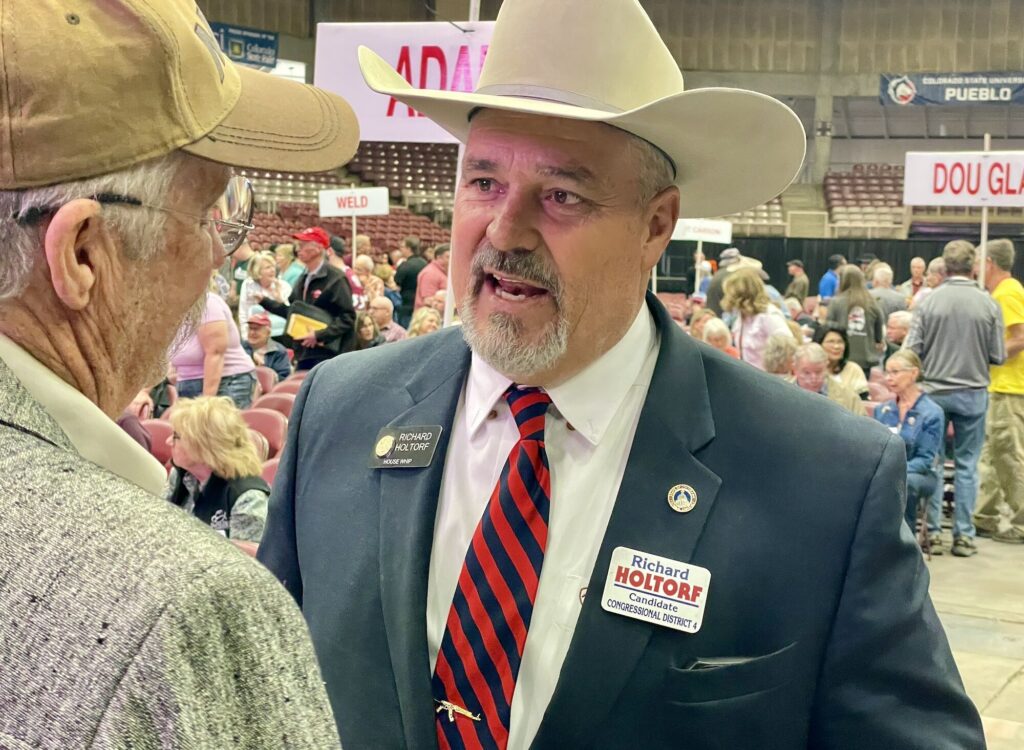
Colorado GOP vice chair Richard Holtorf resigns, says it’s ‘impossible’ to work with chair Brita Horn
Ernest Luning
ernest.luning@coloradopolitics.com
Updated 4 hours ago
Colorado Republican Party Vice Chair Richard Holtorf notified GOP officials on Tuesday that he will step down from the party position at the end of the month, citing his inability to work with state chair Brita Horn. Holtorf, a third-generation...
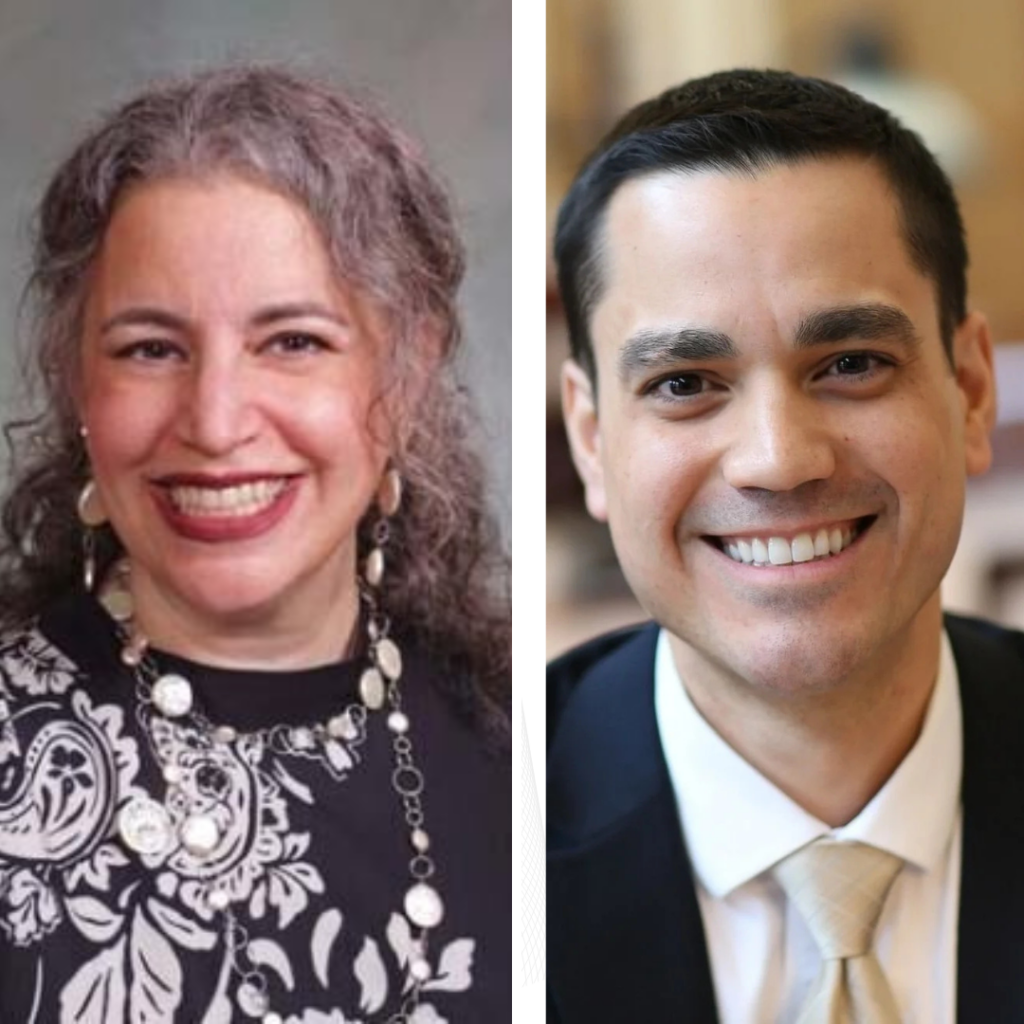
Colorado needs to modernize mental health treatment | PODIUM
Colorado Politics
colorado-politics@coloradopolitics.com
Updated 17 hours ago
By Dafna Michaelson-Jenet and Sean Camacho Our country is in the midst of a mental health crisis. Nearly one in five adults in the United States is living with anxiety, depression, or another serious mental health condition. These are debilitating...

14th wolf dies in northwest Colorado
Marianne Goodland
marianne.goodland@coloradopolitics.com
Updated 1 day ago
The 14th wolf to die in Colorado since their reintroduction about two years ago took place during a “collaring” operation in the northwestern region of the state last week. Colorado Parks and Wildlife said the wolf, identified as #2305 —...

Immigration resolution ignites hours of debate in Colorado House
Marissa Ventrelli
marissa.ventrelli@coloradopolitics.com
Updated 1 day ago
A joint resolution affirming lawmakers’ “commitment to Coloradans navigating the complex United States immigration system” sparked more than three hours of debate on the House Floor on Tuesday morning, reflecting the tension rising between Colorado and the Trump administration, which...

Q&A with Taxpayers Protection Alliance’s Ross Marchand
Marissa Ventrelli
marissa.ventrelli@coloradopolitics.com
Updated 1 day ago
The Taxpayers Protection Alliance describes itself as a nonpartisan group “dedicated to educating the public through the research, analysis and dissemination of information on the government’s effects on the economy.” Colorado Politics spoke with TPA’s senior fellow and attorney, Ross...

Specter of litigation looms as Colorado River basin governors head to DC
Marianne Goodland
marianne.goodland@coloradopolitics.com
Updated 1 day ago
Feb. 14. That’s the next deadline for the seven states of the Colorado River to reach an agreement on how to manage the river after the current operating guidelines expire. The U.S. Bureau of Reclamation would like the next guidelines...
Does Colorado have too high of a population? | Hal Bidlack
Hal Bidlack
hal-bidlack@coloradopolitics.com
Updated 2 days ago
I think I first fell in love with Colorado back in 1968, when we took a family vacation from Michigan out to Salt Lake City and back. My dad had been asked to speak at a genealogy event, and rather...
Colorado legislators advance proposal allowing lawsuits against federal immigration agents
Marianne Goodland
marianne.goodland@coloradopolitics.com
Updated 2 days ago
A divided panel of Colorado legislators on Monday advanced a proposal to give individuals injured during an immigration enforcement operation the ability to sue federal agents in state court. The measure comes amid speculation that Colorado could be next on...

Insecticide bill latest example of Colorado pols legislating your plate | Rachel Gabel
Rachel Gabel
rachel-gabel@coloradopolitics.com
Updated 3 days ago
“Neonicotinoids” seems to be the word rolling off the tongues of lawmakers this year as the legislative session kicks off. Senate Bill 26-065, concerning limitations on the use of certain insecticides in the state, sponsored by Sen. Katie Wallace, a...

Transit, rail initiatives hurtling down the tracks toward a collision | Miller Hudson
Miller Hudson
miller-hudson@coloradopolitics.com
Updated 3 days ago
At the Colorado legislature, high-profile battles that divide along partisan lines are the exception rather than the rule. Though these disputes earn the most media coverage, beneath the turmoil on the surface are struggles that rarely engage more than a...