

Arapahoe County adopts new approach to opioid abatement funding, invests $4M in service building

Arapahoe County officials are investing more than $4 million in opioid harm reduction programs, with the latest phase of funding taking a new approach, according to a news release.
Normally, county officials seek out fully built programs to fund through a request for proposals. But this time, they’re looking for partners to help design and implement services with the funding instead.
County officials sent out a request for qualifications to find partners with experience to participate in the collaboration with local leaders.
“We know withdrawal services are a critical gap in our regional continuum of care — but we also know there’s no one-size-fits-all model,” Board Chair Leslie Summey said in the release. “Instead of prescribing a solution, we’re seeking qualified partners who can help us design the right one, grounded in expertise, collaboration, and real-world experience.”
The Colorado Opioid Framework was created in 2021 to distribute money from lawsuits the Colorado Department of Law wins against pharmaceutical manufacturers and distributors across the state for addiction treatment, recovery and prevention programs.
The framework created the General Abatement Fund Council and 19 Regional Opioid Abatement Councils to oversee the distribution of the funds.
Arapahoe County’s Region 9 Opioid Abatement Council has allocated more than $6 million to local partners, according to the county’s website.
Council officials in the county have identified three priorities for the region in seeking RFQ’s, including adding a regional withdrawal management facility prioritizing accessibility for law enforcement drop-off, family services and youth recovery, and co-response programs.
Previous funding has targeted programs in areas that include medication-assisted treatment, sober living, peer navigation, harm reduction, youth leadership and workforce development.
Through the RFQ approach, officials hope to build services for opioid harm reduction that are tailored to regional gaps and realities, the news release said.
“We’re not asking organizations to come in with all the answers,” Summey said. “We’re asking them to bring experience, insight, and a willingness to build something together.”


Federal judge upholds constitutionality of Colorado campaign contribution limits
Michael Karlik
michael.karlik@coloradopolitics.com
Updated 4 hours ago
A federal judge upheld Colorado’s individual campaign contribution limits as constitutional on Thursday, finding that three Republican plaintiffs failed to prove the campaign finance framework violates their First Amendment rights. U.S. District Court Senior Judge John L. Kane recognized that...

Appeals court rejects theory that existing tax revenue undermines need for new fees
Michael Karlik
michael.karlik@coloradopolitics.com
Updated 9 hours ago
Colorado’s second-highest court rejected a plaintiff’s claim on Thursday that the tax revenue generated by an existing activity should prevent local governments from imposing new fees aimed at regulating the activity. The question stemmed from Colorado’s unique constraints on taxation...

Colorado ski resorts announce early closures amid historic snowpack lows, high temperatures
Kyla Pearce
kyla.pearce@gazette.com
Updated 9 hours ago
As Colorado’s historically low snowpack year comes to a close and spring conditions take over the mountains, the state’s major ski resorts are announcing closing dates — some of which are weeks before historic closing dates. Most of Colorado’s ski...

Marco Rubio’s star power rises at CPAC 2026
Mabinty Quarshie and Samantha-Jo Roth, Washington Examiner
mabinty.quarshie.and.samantha-jo.roth.washington.examiner@gazetteedit.wpenginepowered.com
Updated 11 hours ago
GRAPEVINE, Texas — Secretary of State Marco Rubio’s popularity is growing and could possibly boost him to one of the top two spots in the 2028 GOP presidential race, if attendees at the Conservative Political Action Conference are to be believed. ...
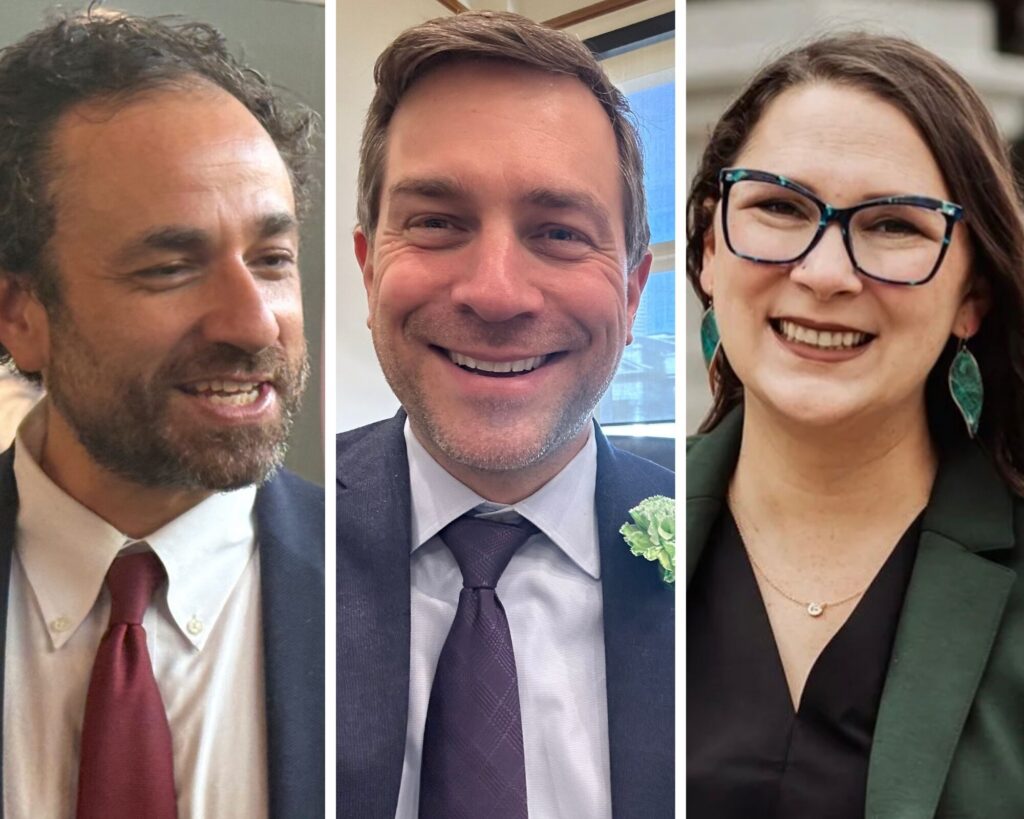
Seligman, Bridges, Gonzales lead downballot races heading into Colorado Democrats’ state assembly
Ernest Luning
ernest.luning@coloradopolitics.com
Updated 8 hours ago
As Colorado Democrats prepare to designate candidates to the June primary ballot at the party’s state assembly in Pueblo on Saturday, three candidates appear poised to win top-line designation in downballot statewide races, according to data compiled by the state...
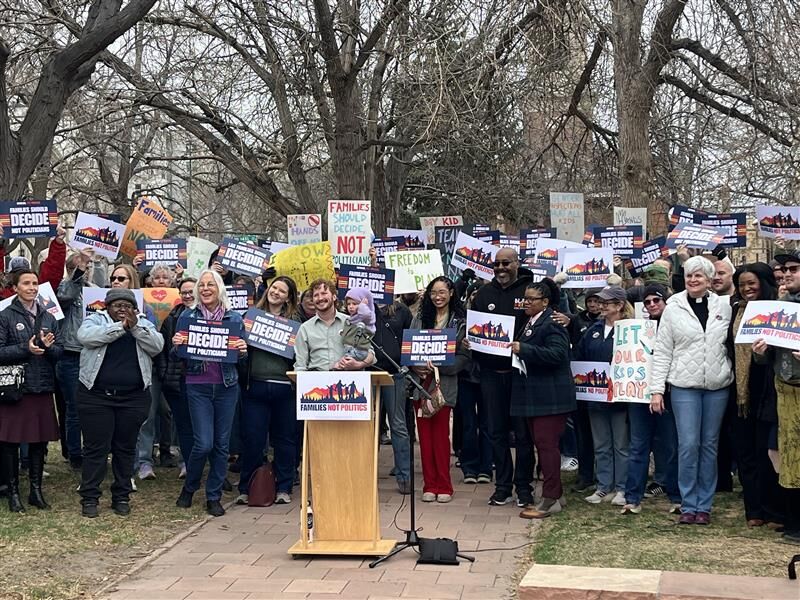
Planned Parenthood, groups launch campaign against transgender ballot measures in Colorado
Marissa Ventrelli
marissa.ventrelli@coloradopolitics.com
Updated 8 hours ago
Planned Parenthood and other groups have launched a coalition to oppose two ballot measures that would ban transgender surgeries among children and require student athletes to only join sports teams that correspond to their biological sex. The two measures will...

Longtime community leader Arlene Hirschfeld to be honored | NONPROFIT REGISTER
Joanne Davidson Special to Colorado Politics
joanne-davidson-special-to-colorado-politics@coloradopolitics.com
Updated 7 hours ago
WOMEN UNITED, MILE HIGH UNITED WAY Denver News: Arlene Hirschfeld, a Denver native who has devoted her adult life to serving others, will receive the 2026 Frances Wisebart Jacobs Award when Mile High United Way hosts its Women United Luncheon on April 17. The award is named...

Boulder police investigate sexual assault, ‘drugging’ at bar near CU
Matt Kyle
matt.kyle@denvergazette.com
Updated 13 hours ago
The Boulder Police Department is investigating reports of sexual assault and “suspected drugging” involving underage girls at a bar. There may be additional victims who have not yet come forward, the department said in a news release. The bar, Scrooge...
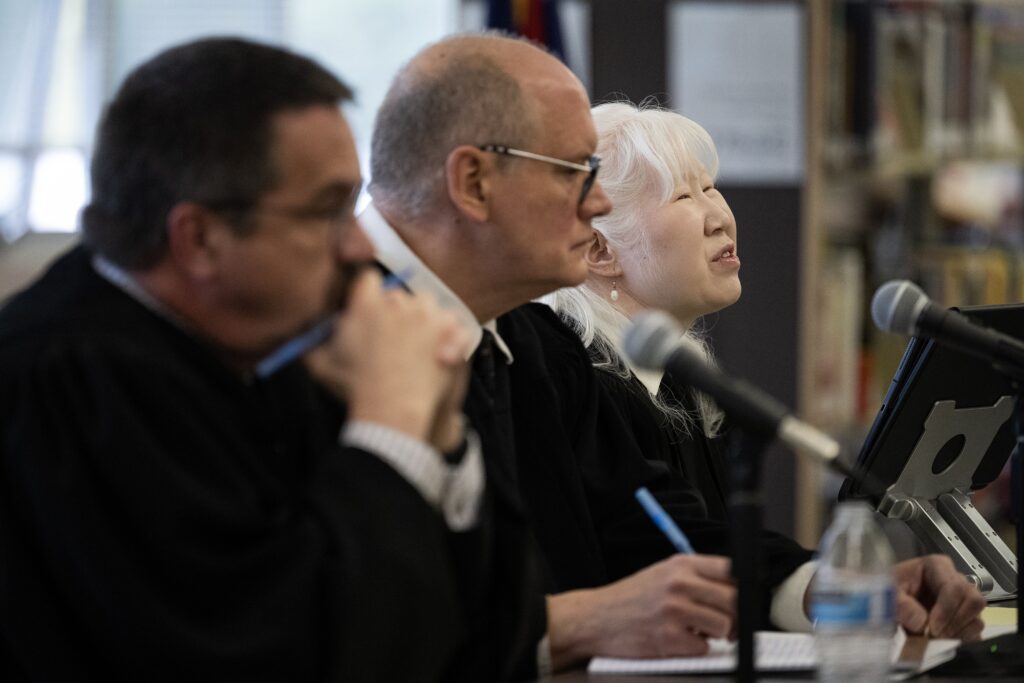
Appeals court finds no illegal sentence when defendants forfeit time-served credit
Michael Karlik
michael.karlik@coloradopolitics.com
Updated 14 hours ago
Colorado’s second-highest court ruled on Thursday that criminal defendants may agree to relinquish the credits they earned while incarcerated pending trial, despite a state law guaranteeing that such time “shall be deducted” from a person’s sentence. Kerry Ellis Endsley pleaded...
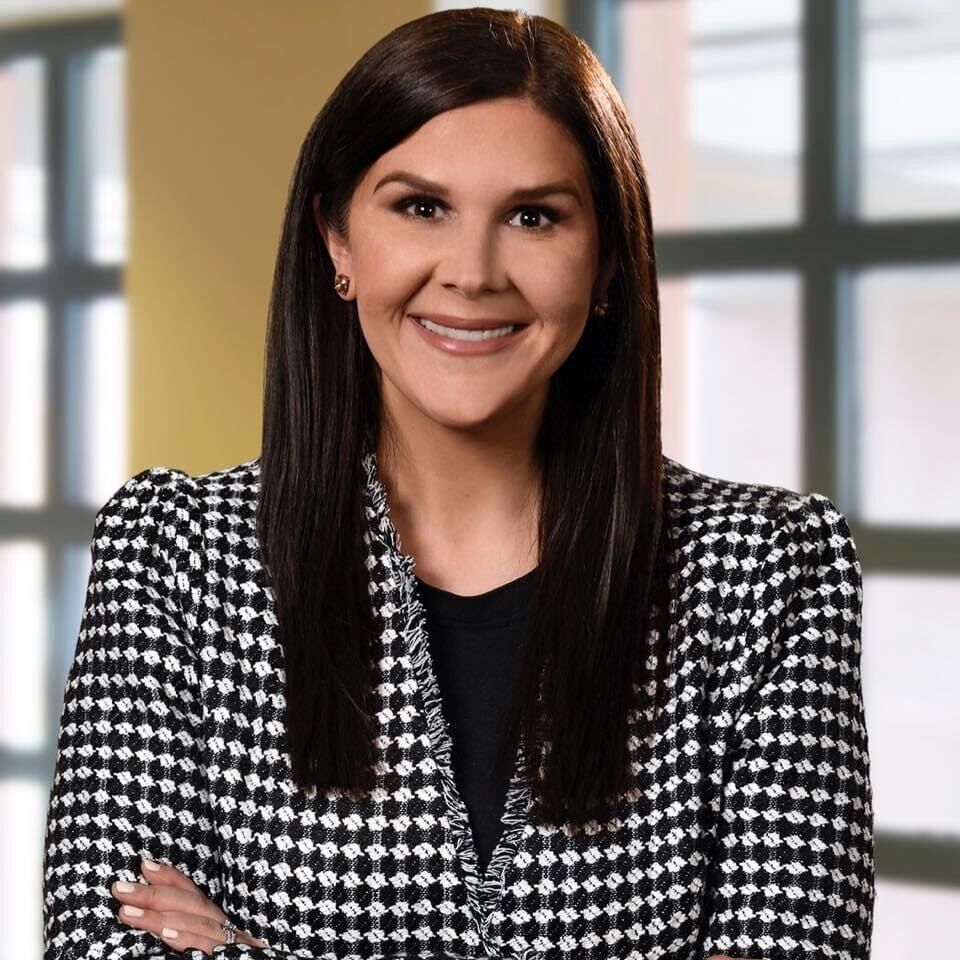
From pause to progress — a better path on AI policy | OPINION
Colorado Politics
colorado-politics@coloradopolitics.com
Updated 1 day ago
By Brittany Morris Saunders and Loren Furman Last year, following the Special Legislative Session, we wrote in Colorado Politics that delaying Colorado’s AI Act was not a setback. It was an opportunity. We asked state leaders to pause, bring more...