

Polis’ removal of sex ed funding endangers LGBTQ+ youth | OPINION

By Shara Smith
At a time when the LGBTQ+ community is attacked by public policy driven by religious extremists, I am deeply concerned by the removal of funding in the governor’s budget for Colorado’s Comprehensive Human Sexuality Education (CCHSE) grant program. I hope Gov. Jared Polis and the Joint Budget Committee will recognize the program is a critical lifeline for LGBTQ+ youth and not allow this program to go unfunded.
Years of providing either no sex education or abstinence-only curricula in public schools meant Colorado’s youth lacked medically accurate information. That lack of information can lead to misunderstandings and makes it more difficult for young people to make the best, safest choices for themselves. People of faith and conscience from across Colorado recognize the need to provide appropriate, accurate and affirming information to our youth. Across faith traditions, we understand our young people are our future. Providing comprehensive education on human sexuality supports their formation as fully functioning human beings.
Colorado is among a minority of states that do not require any sex education, but though school districts may withhold sex education altogether, a 2007 law — updated in 2013 and again in 2019 — requires districts that offer it to offer a comprehensive program. Comprehensive human sexuality education is a research-based approach to equip students with age-appropriate, fact-based information and skills that is proven to be a more effective approach in reducing unintended pregnancy, STIs/HIV, delaying sexual activity and meeting the needs of youth with marginalized backgrounds.
Comprehensive human sexuality education is:
- Medically accurate
- Age appropriate
- Culturally sensitive
- Centered on youths’ strengths, including self-identity, self-regulation, decision-making, etc.
- Not based in shame or stigma
Led by youth, the CCHSE program doesn’t just provide information about anatomy, puberty, healthy relationships, consent, sexual orientation, gender identity, reproduction and STIs — it seeks to support young people in developing the skills needed to navigate sexual development, intimate communications, and decision-making. Regardless of a student’s religious identity, having factual information is beneficial to ground their development. It provides context for more fruitful conversations with their faith communities, parents and other trusted adults. Comprehensive information opens the door for deeper understanding of faith values and commitments around these topics.
CCHSE funding to provide comprehensive human sexuality education has been available to public schools, districts and charter schools since 2019. It is an essential preventive strategy to not just reduce negative health and life outcomes, but also to promote affirming places for young people to learn and grow.
The CCHSE program allows students to be seen and acknowledged for who they are. LGBTQ+ youth are especially vulnerable without inclusive information and support, and when all students have an opportunity to learn about their peers, LGBTQ+ classmates experience decreased bullying, better mental health and less suicidal ideation — crucial for these kids’ health and survival. Faith communities across the state have buried too many young people — and this program helps to keep them safe.
Colorado students, especially LGBTQ+ youth, deserve accurate and inclusive education around human sexuality. The CHSE grant prioritizes rural schools and schools that do not already have a CHSE program, incentivizing school districts to develop and implement them. Eliminating this funding will hurt young people who would otherwise be afforded the opportunity to participate in a CHSE program and attend school alongside peers who better understand them. I urge the Polis administration and members of the Colorado Joint Budget Committee to protect CCHSE funding as the state budget is finalized in the new year.
Shara Smith serves on the Colorado Comprehensive Sexuality Education advisory board and is chief executive of the Interfaith Alliance of Colorado, a nonprofit organization promoting justice, religious liberty and interfaith understanding by building relationships in order to educate, advocate, and catalyze positive social change.

Pardon me? Nah, Gov. Polis — Tina Peters deserves her time | Hal Bidlack
Hal Bidlack
hal-bidlack@coloradopolitics.com
Updated 2 hours ago
As my regular reader (Hi, Jeff!) will recall, I’ve oft praised Gov. Jared Polis for exercising great skill in balancing the outcomes of the many, many issues that cross his desk. As a moderate myself, I’ve stood by Mr. Polis...
Demand action to stop fentanyl deaths — No. 1 killer of Americans aged 18-45 | OPINION
Colorado Politics
colorado-politics@coloradopolitics.com
Updated 2 hours ago
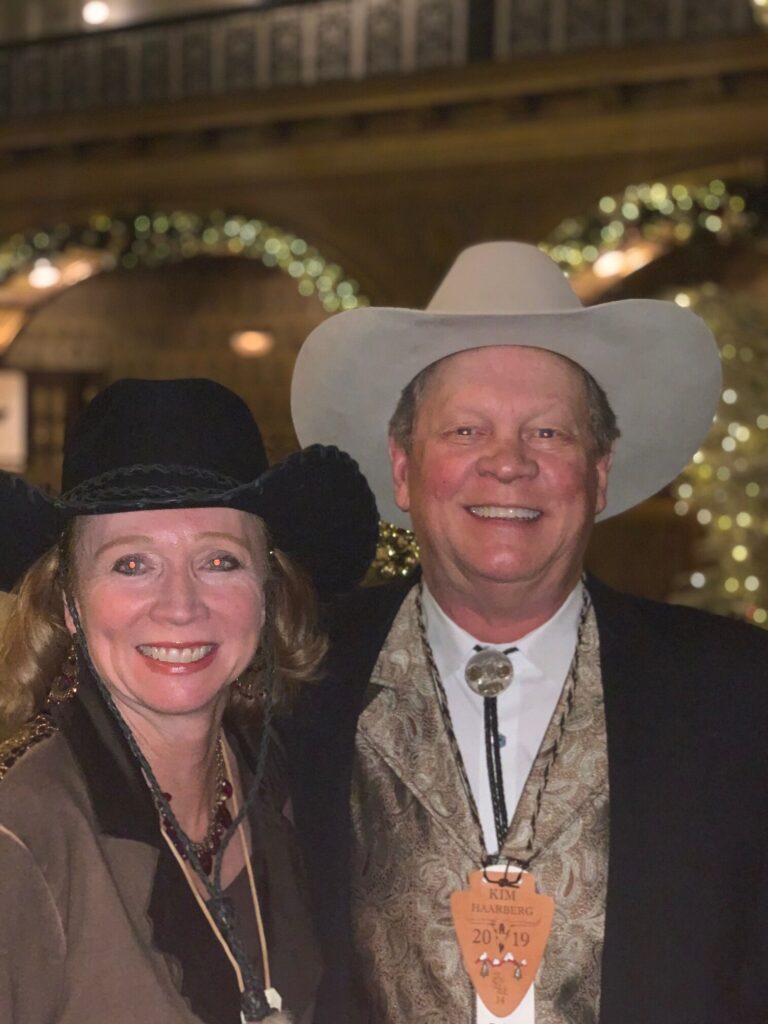
By Kim Haarberg It took me about an hour to write this. And in that time, 10 people in the United States died from fentanyl overdoses. That’s 10 sons, daughters, parents and friends gone because of a counterfeit tablet laced...
Is a pardon for Tina Peters coming? Colorado governor confirms he is weighing options
The Denver Gazette
the-denver-gazette@coloradopolitics.com
Updated 8 hours ago
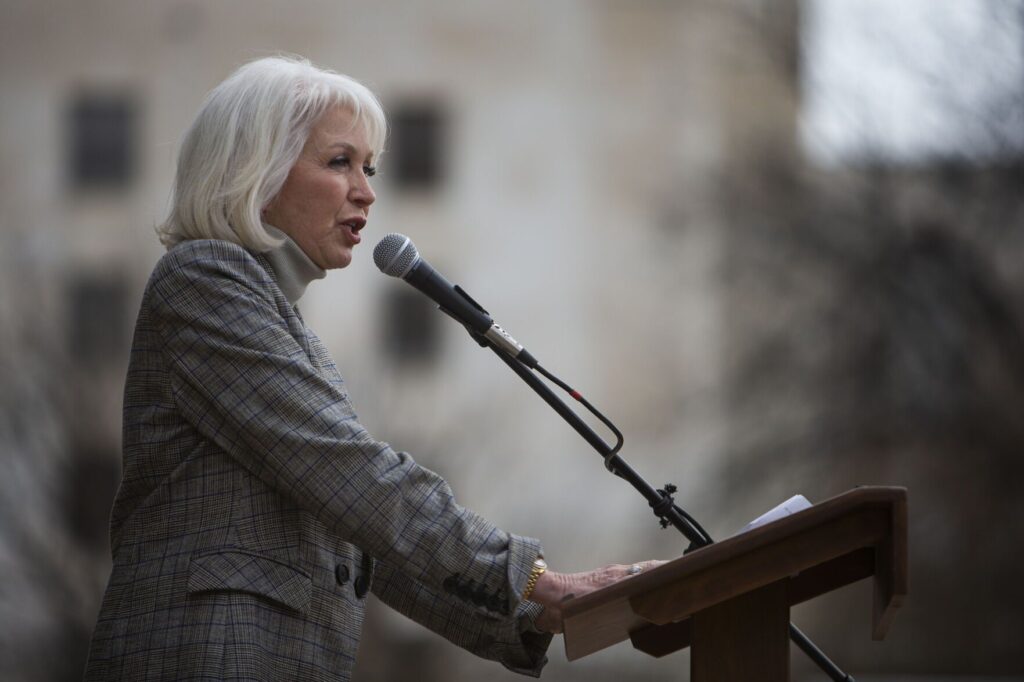
Gov. Jared Polis on Friday strongly indicated he is considering clemency for Tina Peters, the former county clerk convicted of a security breach at her election office. When pressed about the matter, Polis didn’t offer an explicit answer, but he...

Political interference, activism a constant under Polis’ Colorado Parks & Wildlife | Rachel Gabel
Rachel Gabel
rachel-gabel@coloradopolitics.com
Updated 17 hours ago
Colorado Parks & Wildlife can’t catch a break. If polling were used to measure public trust in agencies, it would be a dreary picture. This, however, is the result of political interference with the agency, not as a result of...
Democratic-socialist experiments in New York, Seattle well worth watching | Miller Hudson
Miller Hudson
miller-hudson@coloradopolitics.com
Updated 17 hours ago
Despite writing just once a week, I find myself trying to make content choices two or three weeks ahead — if for no other reason than gathering information. Late last year I theorized Zohran Mamdani just might replace our Tangerine...

French Revolution comes to Colorado Democrats | Jon Caldara
Jon Caldara
jon-caldara@coloradopolitics.com
Updated 4 days ago
The border skirmishes are increasing, and we could be looking at full-blown combat. The simmering civil unrest inside Colorado’s Democratic ranks is heating up, and during this legislative session it might boil over into all-out civil war. If it does,...
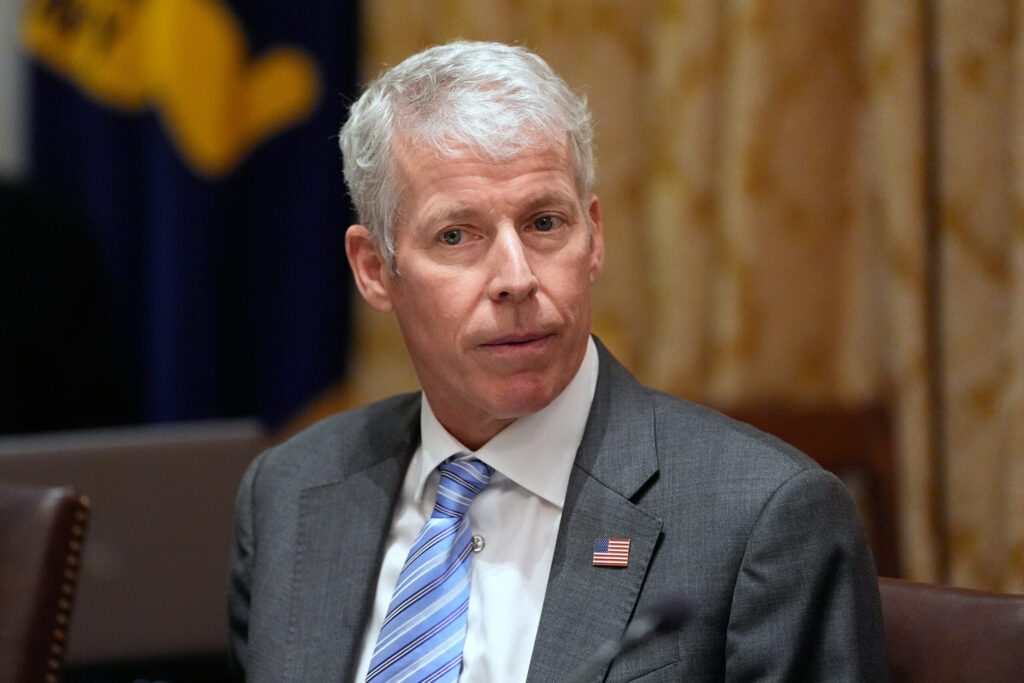
Colorado oilmen may play key role in Trump’s Venezuelan oil takeover plan
Vince Bzdek
vince.bzdek@gazette.com
Updated 2 days ago
When President Donald Trump summoned oil executives to the White House recently to push for major investment in Venezuela, an interesting sprinkling of smaller independent companies from Denver was invited along with the big names of American oil. One of...

Colorado Politics Calendar Jan. 19-25
Rachael Wright
rachael.wright@coloradopolitics.com
Updated 6 days ago
CoPo’s weekly political calendar will help you find political and public-policy events throughout Colorado. It includes candidate and issue campaign events, public policy meetings, court hearings, state and local party conventions, assemblies, debates, rallies, parades, speaking engagements, traveling dignitary appearances,...

Elder Groff attends opening day of state legislature to cheer on son | A LOOK BACK
Rachael Wright
rachael.wright@coloradopolitics.com
Updated 6 days ago
Twenty-Five Years Ago This Week: “There is a God,” sighed former state Sen. Regis Groff, D-Denver, as he watched the Democrats assume control of the Colorado Senate for the first time in 40 years. “Now they’re in the cubbyholes,” chuckled...
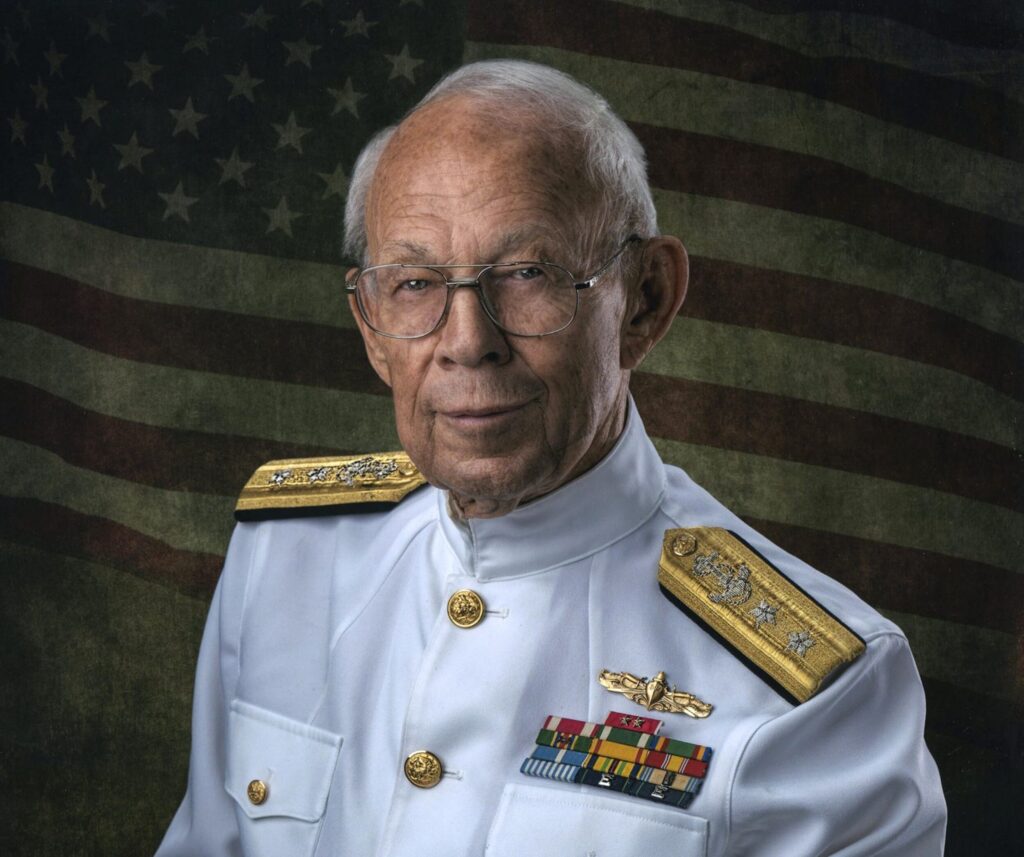
Longtime Denver resident Dick Young, a retired rear admiral and pioneering civic advocate, dies at 94
Ernest Luning
ernest.luning@coloradopolitics.com
Updated 3 days ago
Richard Edward Young, a retired rear admiral, attorney and towering figure in Colorado’s civic landscape for more than six decades, died Jan. 7. He was 94. A lifelong advocate for civil rights, fair housing, veterans and his neighborhood, Young was...
PREV
PREVIOUS
Is a pardon for Tina Peters coming? Colorado governor confirms he is weighing options
Gov. Jared Polis on Friday strongly indicated he is considering clemency for Tina Peters, the former county clerk convicted of a security breach at her election office. When pressed about the matter, Polis didn’t offer an explicit answer, but he confirmed that he will be reviewing the applications from a batch of prisoners, and Peters […]

Demand action to stop fentanyl deaths — No. 1 killer of Americans aged 18-45 | OPINION
By Kim Haarberg It took me about an hour to write this. And in that time, 10 people in the United States died from fentanyl overdoses. That’s 10 sons, daughters, parents and friends gone because of a counterfeit tablet laced with fentanyl. 10 people every hour — day and night, week after week, month after […]