

Protect young people while respecting their data, privacy | OPINION

After 40 years practicing law, first as a public defender in Los Angeles, then in private criminal defense, and serving eight years as the elected District Attorney for Colorado’s 5th Judicial District, I’ve developed a straightforward test for evaluating any proposed legislation: does it accomplish its stated goal and does it pass constitutional muster?
The App Store Accountability Act clears both bars and is a common-sense solution congressional sponsors should be commended for bringing forth.
Let me start with the constitutional question, because that’s where my mind goes first. Throughout my career, I’ve watched well-intentioned laws crumble under legal challenge because legislators prioritized political messaging over sound legal drafting. Online safety legislation has been particularly vulnerable to First Amendment challenges, with courts striking down content-based restrictions that amount to government deciding what speech is appropriate and by whom.
The App Store Accountability Act avoids these problems entirely. It doesn’t restrict speech content or tell platforms what they can or cannot host. It simply requires app stores to verify a user’s age and obtain parental consent before minors download apps. Parents then decide what’s appropriate for their own children. That’s not government censorship, that’s empowering families to make their own choices.
Courts have consistently upheld parental consent requirements in other contexts precisely because they reinforce parental authority rather than substitute government judgment. The bill puts decision-making where it belongs: with parents, not regulators or platform executives.
Any solution that requires parents to become technology experts or navigate complicated systems across dozens of apps is dead on arrival. The App Store Accountability Act works through infrastructure parents already use. Age verification happens one time by a parent when the phone is set up, not repeatedly across every platform.
What makes this bill work is it doesn’t ask much of anyone except the app stores themselves, and they already have the infrastructure to do it. Apple and Google require parental approval for purchases, meaning implementation would be easy. This bill just extends that same system to downloads. There is no new technology, or learning curve, no additional burden on families.
I’ve also examined competing proposals in Congress, and the contrast is stark. Some bills, like the Parents over Platforms Act, would require some apps to determine a user’s age on its own, or accept a user’s “stated age” at the app store. For starters, “stated age” means kids can outright lie about how old they are and access whatever content they want, and app by app age verification would mean children’s personal information gets scattered across many companies instead of being held securely in one place. Criminals exploit hacked information every day and use it to steal the identities and money of millions of victims every year. Multiplying the number of entities holding sensitive information about children is exactly the wrong direction. The fewer places that data lives, the fewer opportunities for it to be stolen, sold, or misused.
We can protect young people from harm in a way that also respects their data and privacy. The best solutions accomplish their goals while respecting legal boundaries and working for ordinary people. Colorado’s congressional delegation should support the App Store Accountability Act because it meets that standard. It protects children, empowers parents, respects the Constitution and keeps family data secure. That’s a combination worth passing.
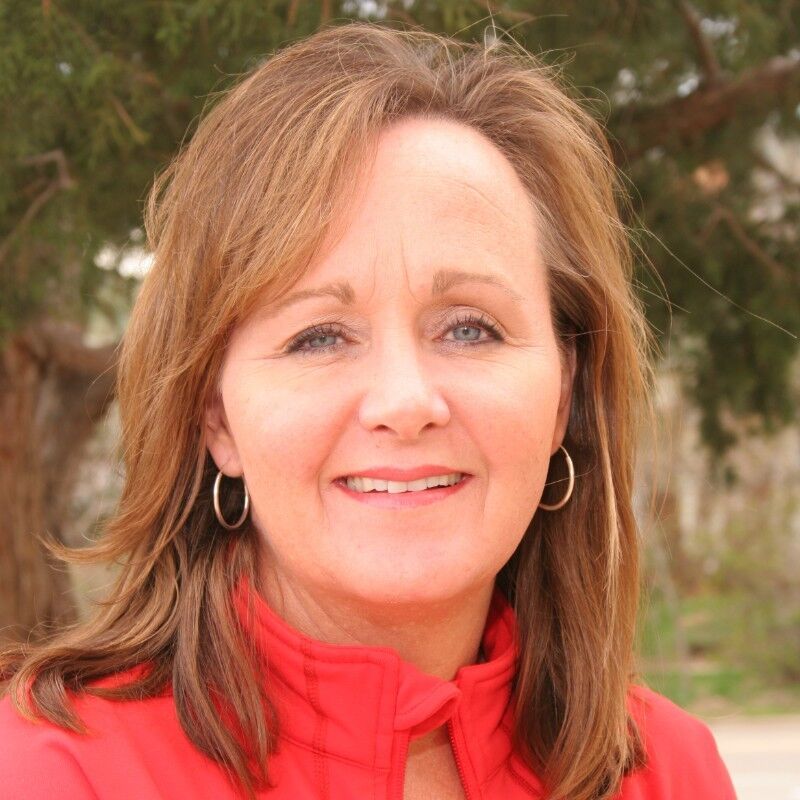
Bruce Brown served as the elected district attorney for Colorado’s 5th Judicial District from 2013 to 2021.

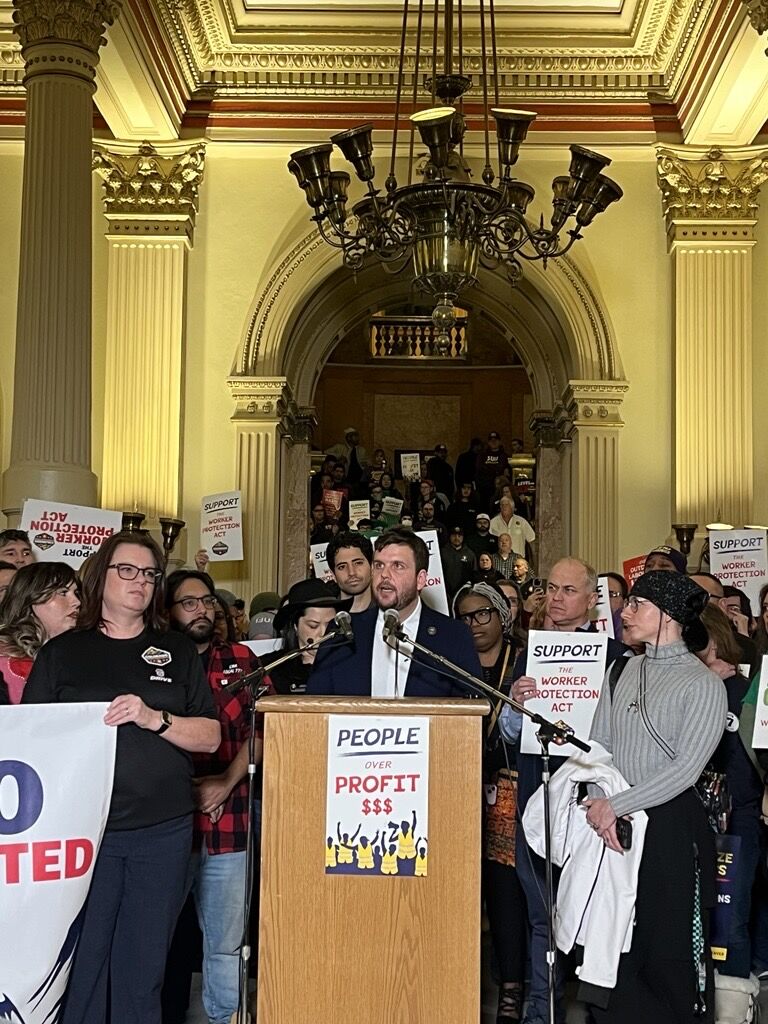
Gov. Jared Polis ‘frustrated, surprised’ at efforts to revive vetoed Worker Protection Act in 2026
Marissa Ventrelli
marissa.ventrelli@coloradopolitics.com
Updated 1 hour ago
Gov. Jared Polis was surprised that Democratic lawmakers and labor unions are seeking to revive the Worker Protection Act in the 2026 legislative session, less than a year after he vetoed the bill due to concerns about its impact on...

Colorado candidates switch parties, races as midterm election year looms | TRAIL MIX
Ernest Luning
ernest.luning@coloradopolitics.com
Updated 4 hours ago
The final days of 2025 saw an unusually high number of Colorado candidates switch parties and races, reshaping at least a few primaries ahead of this year’s midterm elections. The state has seen its share of switchers over the years,...

Final Lap: Gov. Jared Polis outlines his 2026 agenda for Colorado as he nears the end of his term
Marianne Goodland
marianne.goodland@coloradopolitics.com
Updated 22 hours ago
A year from now, Gov. Jared Polis will wrap up eight years as the state’s chief executive officer, take off the governor’s mantle and go back to private life. The governor recently reflected on what remains to do in his...

Regime change, this time down Venezuela way | Kelly Sloan
Kelly Sloan
kelly-sloan@coloradopolitics.com
Updated 18 hours ago
As luck and the calendar would have it, I penned my annual “state of the world” column two days before the grand fireworks in Caracas took place, and the column was subsequently published two days after. To prove I was...

House rejects effort to override presidential veto for Colorado Water Project
Marianne Goodland
marianne.goodland@coloradopolitics.com
Updated 22 hours ago
The U.S. House of Representatives on Thursday rejected a Colorado-led effort to override a Dec. 30 presidential veto of a measure that would have helped finance the Arkansas Valley conduit. The measure, known as H.R. 131 and sponsored by U.S....
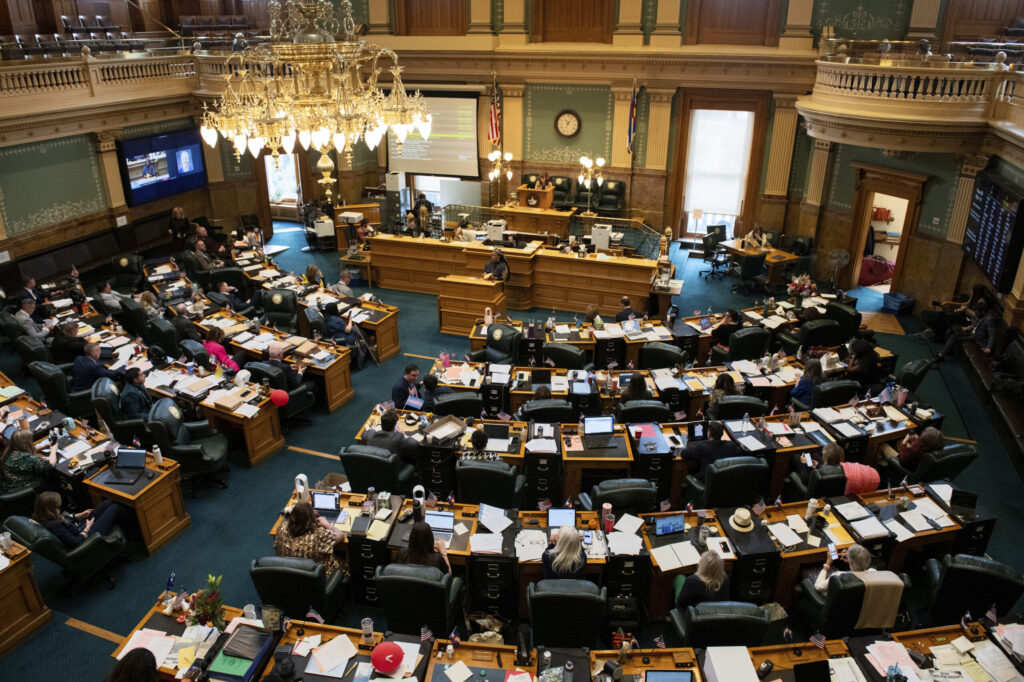
As lawmakers return, federal pressure and fiscal stress could shape Colorado’s 2026 session
Marissa Ventrelli
marissa.ventrelli@coloradopolitics.com
Updated 6 hours ago
The eight months since lawmakers wrapped up the 2025 legislative session have been anything but quiet. Federal funding cuts, a flurry of presidential executive orders, an election year fast approaching, and a projected $1.2 billion budget shortfall are all converging,...
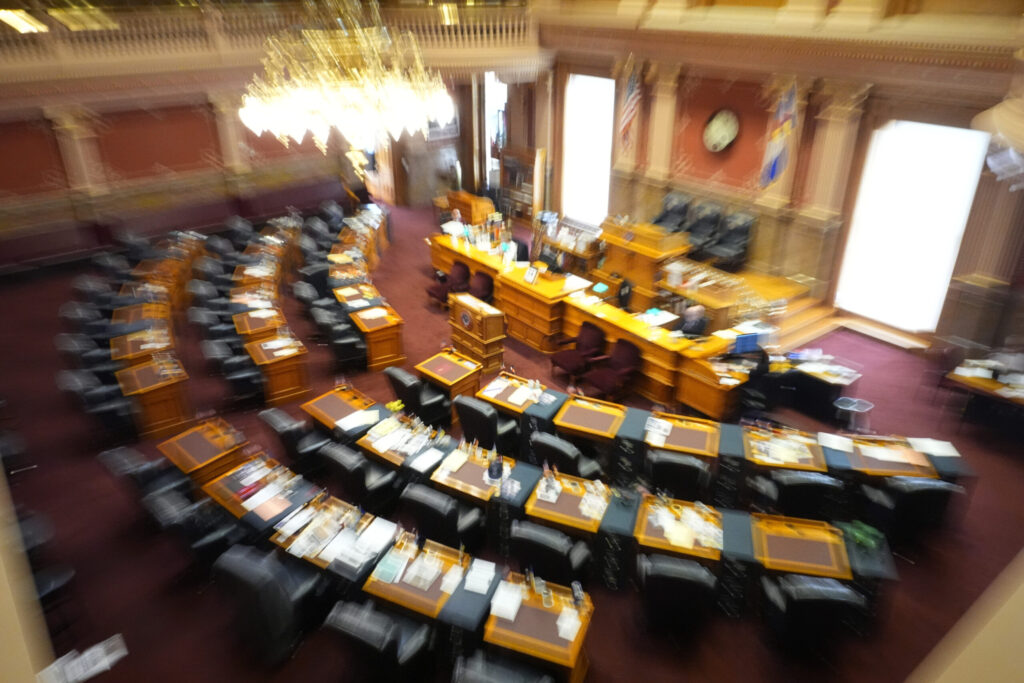
Senate Democrats announce committee assignments for 2026 session
Marissa Ventrelli
marissa.ventrelli@coloradopolitics.com
Updated 1 day ago
Democratic Senate Majority Leader Robert Rodriguez, D-Denver, announced committee assignments for the 2026 legislative session on Wednesday. “Committees are crucial to the legislative process – they’re where we deliberate, hear from the public, and fine-tune policies so that they can...
Lack of accountability in state standardized testing system | NOONAN
Paula Noonan
paula-noonan@coloradopolitics.com
Updated 2 days ago
The General Assembly kicks up its heels this month along with the National Western Stock Show. Both should offer some exciting bull rides. Last General Assembly produced one interesting bill on K-12 public education. It’s HB25-1278 on the education accountability...
Don’t punish the stores playing by the rules | OPINION
Colorado Politics
colorado-politics@coloradopolitics.com
Updated 2 days ago
By Mary Szarmach My family has been in business in this state for decades serving some of the hardest working Coloradans. And, yes, they buy tobacco products, and, yes, my staff and I card them every single time. We know the law, we...

Lawmakers, advocates seek reforms after cases expose gaps in Colorado’s competency system
Marissa Ventrelli
marissa.ventrelli@coloradopolitics.com
Updated 6 hours ago
After a series of high-profile crimes throughout the state last spring and summer exposed gaps in Colorado’s legal system for individuals declared incompetent to stand trial, lawmakers and an advocacy organization are pushing for changes this year. Extensive media coverage...
PREV
PREVIOUS

House rejects effort to override presidential veto for Colorado Water Project
The U.S. House of Representatives on Thursday rejected a Colorado-led effort to override a Dec. 30 presidential veto of a measure that would have helped finance the Arkansas Valley conduit. The measure, known as H.R. 131 and sponsored by U.S. Rep. Lauren Boebert, R-Windsor, sought to help local water providers with their share of the […]

Final Lap: Gov. Jared Polis outlines his 2026 agenda for Colorado as he nears the end of his term
A year from now, Gov. Jared Polis will wrap up eight years as the state’s chief executive officer, take off the governor’s mantle and go back to private life. The governor recently reflected on what remains to do in his final year and on what he looks back on from his time as the state’s […]