

San Miguel County judge intends to resign as discipline authorities seek alternate resolution

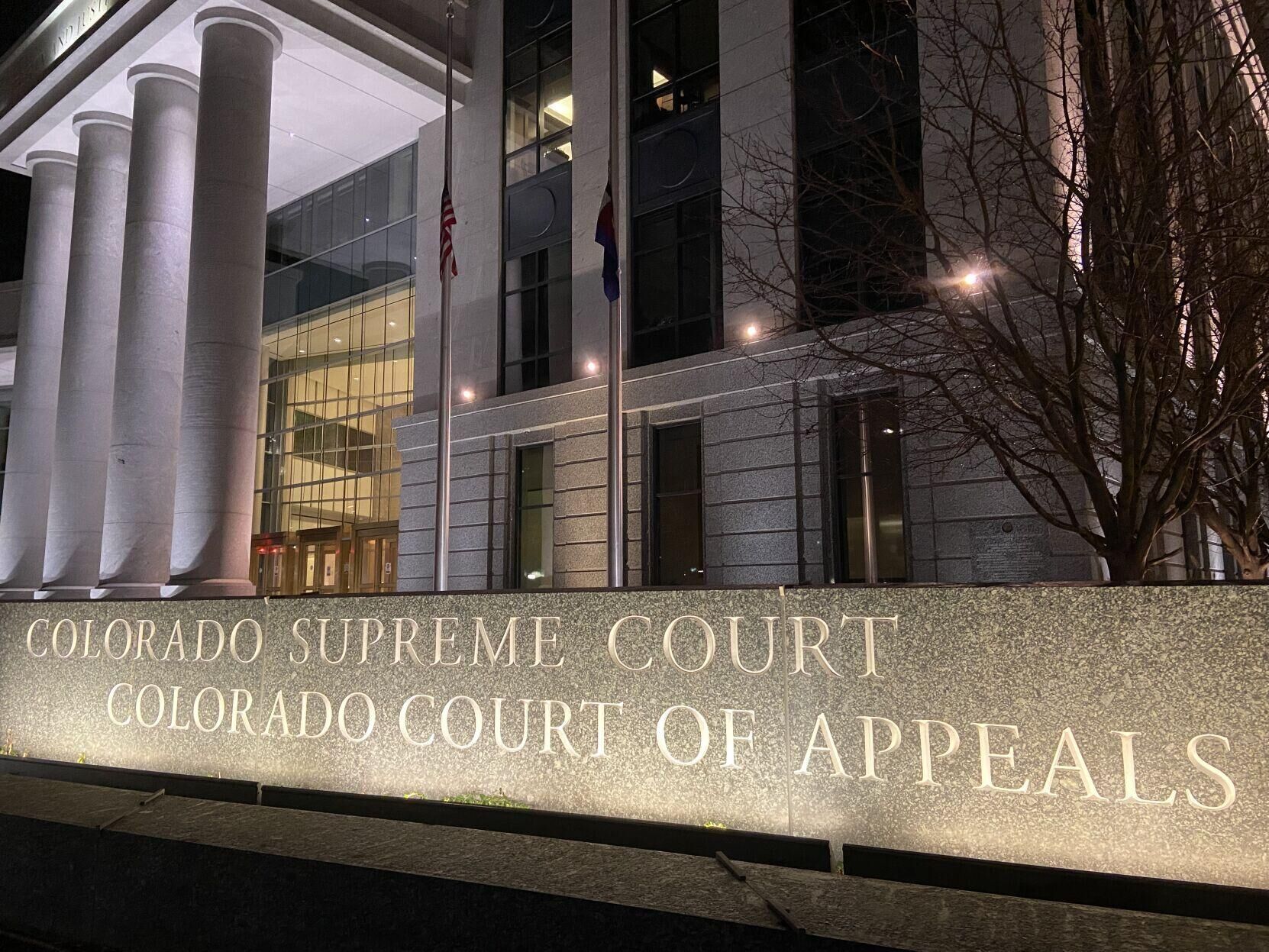
A San Miguel County judge and the Colorado Commission on Judicial Discipline informed a disciplinary panel last week that new information about the judge’s health has come to light suggesting further proceedings may not be appropriate, and the judge will instead resign from the bench.
The Colorado Supreme Court suspended County Court Judge Sean K. Murphy on Oct. 27, while his disciplinary proceedings unfolded. The commission alleged his misconduct affected two dozen cases and forced some litigants to wait years for decisions. The documents made publicly available also included individual instances of bizarre behavior in Murphy’s virtual or physical courtroom.
“Since the filing of the complaint, the Commission has learned new information concerning significant health issues that Judge Murphy was experiencing,” wrote the commission and Murphy’s attorneys in a joint Dec. 31 request. “These health conditions persisted into the fall of 2025 and up to the filing of the complaint, and they limited and negatively affected Judge Murphy’s ability to engage with the Commission during its investigation.”
Pursuant to a 2024 amendment to the Colorado Constitution, a three-member panel consisting of a trial judge, a lawyer and a non-attorney is presiding over Murphy’s disciplinary proceedings. The motion requested that the panel instead return the case to the commission to “determine whether a disability proceeding or other resolution would be appropriate.”
“Had the Commission been aware of this (health) information, it may not have authorized the filing of this complaint in favor of a different course of action,” the motion continued.
In an email to Colorado Politics, Murphy’s attorneys declined to disclose the nature of Murphy’s health issues. They also declined to comment on how Murphy’s health was a factor in some of his alleged conduct, which included:
• Requiring lawyers and their clients to remain in court after hours, during a blizzard, for over 90 minutes
• Screaming at his clerk
• Appearing virtually for court with a half-naked man walking behind him “clearly visible to all people present”
The director of the discipline commission, Anne Mangiardi, also did not immediately respond to questions about how Murphy’s health condition related to those specific allegations.
Murphy has been a part-time county judge since 2020. He previously served as mayor and as a town councilmember in Telluride.
On June 25, Mangiardi sent a letter to Murphy regarding a complaint about his handling of a small claims case. The trial occurred over two days before Murphy in spring 2024. More than a year passed without Murphy issuing an order.
“The individual who filed this complaint raised additional concerns regarding your professionalism and diligence, stating that both hearings began late and that a dog was roaming the courtroom during trial,” Mangiardi wrote, adding that she could not verify the dog allegation from the audio of the trial.
On Sept. 18, Mangiardi sent another letter, stating that Murphy had never responded. Moreover, he had not issued an order in the small claims case and, problematically, the commission’s investigation had “uncovered serious concerns” about Murphy’s conduct.
The commission created a seven-page spreadsheet spanning approximately 25 cases with red flags. Most seriously, Murphy failed to rule for two years in a pair of cases. He lost the ability to impose consequences for defendants’ probation violations because of his inaction. Another judge had to step in to act when Murphy inexplicably ignored requests from probation officials.
“Judge Murphy’s persistent refusal to engage with the Commission on Judicial Discipline,” wrote special counsel Jeffrey M. Walsh in the commission’s complaint, suggested that “Murphy is grossly indifferent to his responsibilities as a judge and to the residents of his judicial district.”
The parties indicated in their latest motion that Murphy intends to resign, and that converting the case to a disability proceeding would not be “contrary to the public interest.”

Appeals court orders new child abuse trial due to improper evidence of prior mistreatment
Michael Karlik
michael.karlik@coloradopolitics.com
Updated 14 hours ago
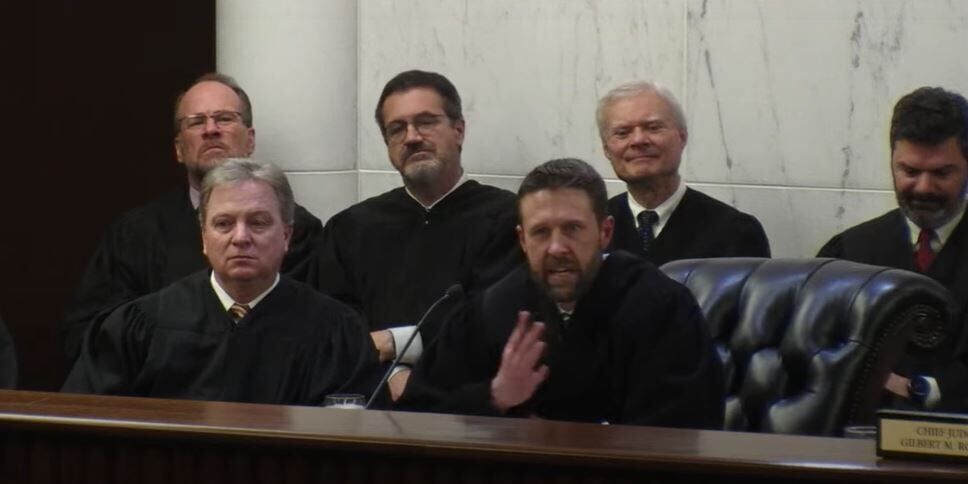
Colorado’s second-highest court overturned a Montezuma County defendant’s child abuse conviction last month, concluding evidence of prior mistreatment was too dissimilar to the alleged conduct that formed the basis of the criminal charges. Garland Kay Malcolm received a 32-year prison...
Federal judge recommends blocking Justice Department ‘dragnet’ on Children’s Hospital Colorado
Michael Karlik
michael.karlik@coloradopolitics.com
Updated 15 hours ago
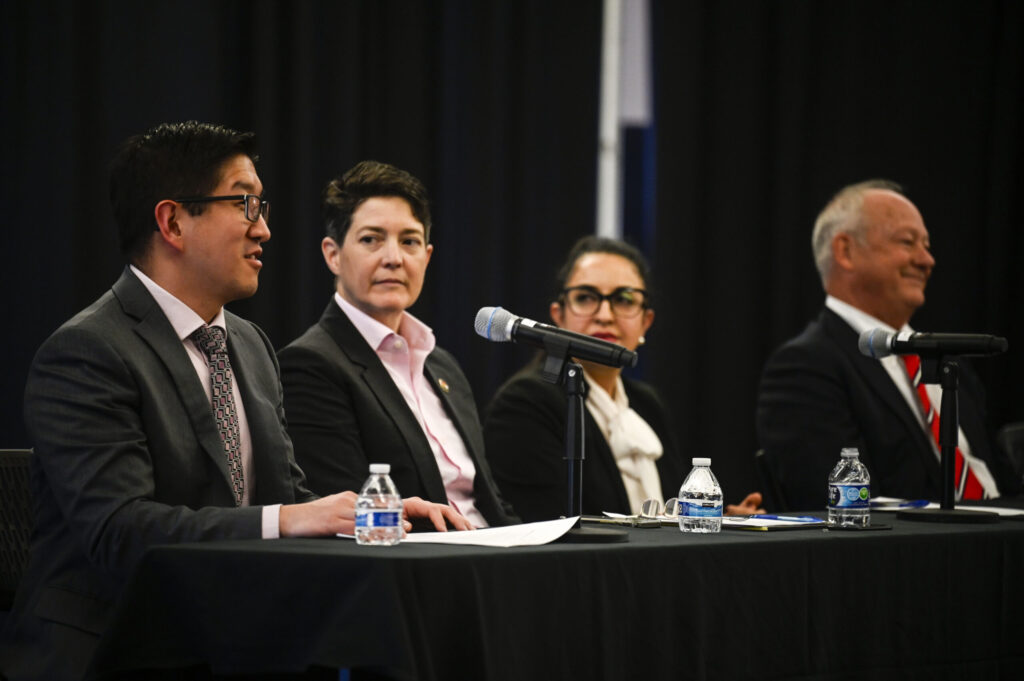
A federal judge repeatedly criticized the government on Monday as he concluded a U.S. Department of Justice request for patient and employee information from Children’s Hospital Colorado was fueled by an “improper purpose” and should be denied. U.S. Magistrate Judge...

Colorado Supreme Court reverses Jeffco judge’s order for fender-bender plaintiff to undergo mental evaluation
Michael Karlik
michael.karlik@coloradopolitics.com
Updated 1 day ago
The Colorado Supreme Court concluded on Monday that a Jefferson County judge improperly ordered a plaintiff in a personal injury case to sit for a mental health examination after the defendant’s experts suggested her injuries were actually psychological. The justices...

State Supreme Court vacancy opens, year in review | COURT CRAWL
Michael Karlik
michael.karlik@coloradopolitics.com
Updated 2 days ago
Welcome to Court Crawl, Colorado Politics’ roundup of news from the third branch of government. The application period is now open for the first state Supreme Court vacancy in five years, plus Colorado Politics looked back on the significant judicial...

‘Everything happens for a reason’: Veterans Trauma Court aims to help military members in times of need
Mackenzie Bodell
mackenzie-bodell@coloradopolitics.com
Updated 2 days ago
Five years after he separated from the Army, Mark Bisset found himself in the Colorado criminal justice system. Bisset’s story started on April 9, 2022. According to past Gazette coverage of the case, the arrest stemmed from an alleged incident...
Federal judge declines to dismiss claims against prison officials for seizure-related death
Michael Karlik
michael.karlik@coloradopolitics.com
Updated 5 days ago
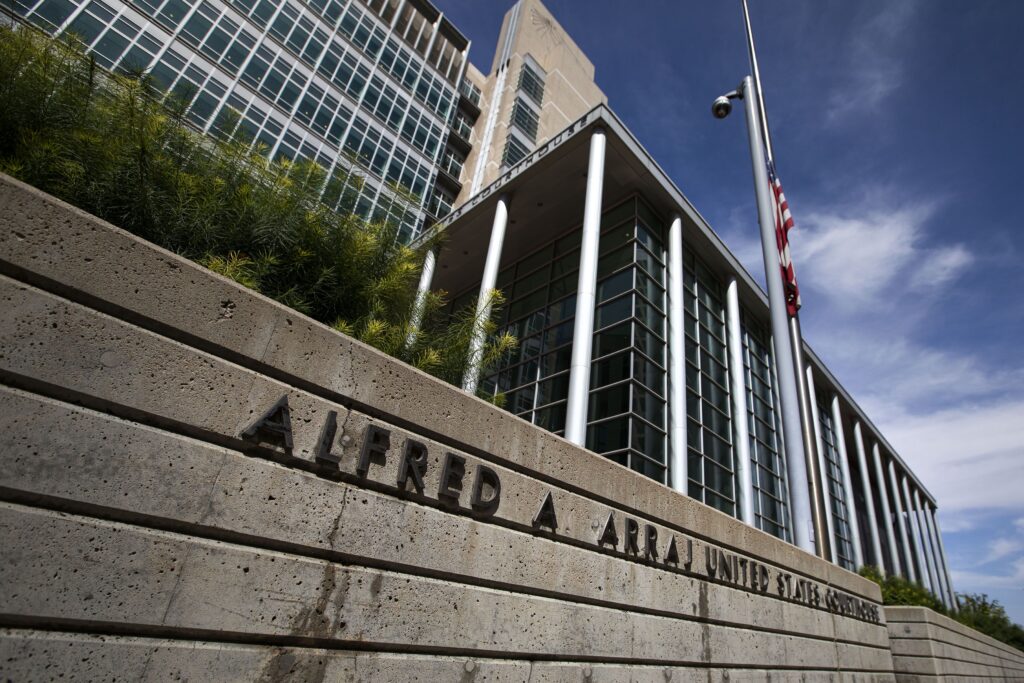
A federal judge declined last month to dismiss the claims against numerous prison employees for a man’s in-custody death following several seizures and his repeated ingestion of liquified pain-numbing medication. The mother and minor children of Victor Esquivel sued the...
Appeals judge believes children’s representatives may challenge certain parental rights decisions
Michael Karlik
michael.karlik@coloradopolitics.com
Updated 5 days ago
A member of Colorado’s second-highest court argued on Wednesday that, despite a recent state Supreme Court ruling prohibiting anyone other than the government from pursuing child-welfare cases, a child’s legal representative may still appeal certain decisions. By 2-1, a three-judge...
Will Colorado Springs get a federal courthouse? Colorado senator, local officials make push for a new facility
Michael Karlik
michael.karlik@coloradopolitics.com
Updated 5 days ago
Local officials and one of Colorado’s U.S. senators urged the judiciary earlier this year to explore placing a new federal courthouse and judge’s chambers in Colorado Springs, while the district court is cautioning that Congress must establish new judgeships before...
Appeals court shuts down path to challenge convictions if lawyer tells jury that defendant is guilty
Michael Karlik
michael.karlik@coloradopolitics.com
Updated 6 days ago
Colorado’s second-highest court concluded on Wednesday that defendants cannot challenge whether the evidence was sufficient to sustain their convictions if their lawyer argues to the jury that it should find the defendant guilty. The U.S. Supreme Court has provided guidance...
Colorado senator, local officials push for new Colorado Springs federal courthouse
Michael Karlik
michael.karlik@coloradopolitics.com
Updated 4 days ago
Local officials and one of Colorado’s U.S. senators urged the judiciary earlier this year to explore placing a new federal courthouse and judge’s chambers in Colorado Springs, while the district court is cautioning that Congress must establish new judgeships before...
PREV
PREVIOUS

Denver mayor’s sanctuary city legal bill hits $2M limit
The bill for Denver Mayor Mike Johnston’s legal defense for that March 5 hearing before the U.S. House Oversight and Government Reform Committee on “sanctuary” cities has reached its $2 million contractual limit. Just as the year closed out on Dec. 30, a fifth payment, in the amount of $950,000 — almost half of the […]
William Lindstedt sworn in to represent Colorado Senate seat left by Faith Winter
Broomfield Democrat William Lindstedt was officially sworn in as a state senator on Monday, following his appointment by Gov. Jared Polis to fill the seat of the late Sen. Faith Winter. A vacancy committee selected Lindstedt, who had been serving in the House since 2023, to represent Senate District 25 in late December. However, because […]