

Denver builder recalls Venezuela’s collapse as Maduro’s party rose to power

When Hugo Chávez — predecessor to deposed Venezuelan President Nicolás Maduro — came to power in 1998, Denver builder Noel West Lane was deep into a homebuilding venture in Caracas, supported by business leaders close to the preceding administration of President Rafael Caldera.
Early Saturday morning, Lane, who had been president of Denver’s Melody Homes, was awakened by a phone call from Caracas: A friend with a house overlooking the city was watching distant explosions, followed by scattered reports that Maduro was gone from power and that associates in the government and military were fleeing town.
The development offered joyous news to Lane and his former Venezuelan associates, who had lost their operations after Chávez nationalized swaths of the economy. The socialist upheaval is widely credited for having driven a total collapse in a nation that once boasted the highest per capita income in Latin America.

On Monday, Lane showed The Denver Gazette photos of “La Marcha” of April 2002 in Caracas, where he joined a crowd estimated at 300,000 to a million protestors in opposition to Chávez’s regime. Some 18 shooting deaths followed when police and national guard troops sought to quell a street battle with Chávez’s own supporters.
MARCH THROUGH CARACAS
Chávez was briefly deposed, but rapidly regained power with military support. He died of cancer in 2013 at the start of a third term, replaced by Maduro, who narrowly won a special election.
“I’d never been in a protest march in my life,” Lane said.
Lane had been back in Caracas later that year when he took a call from Denver, where he had been named “Builder of the Year” by the Home Builders Association in recognition of his accomplishments, including setting up and running a nonprofit organization to create temporary housing for the homeless.
Melody Homes, which built neighborhoods in Westminster and other suburban areas and was often vying for the top spot among builders in metro Denver, was sold by Lane in 1993.
Under Lane’s direction, Melody had pioneered manufactured home technologies that included ways to package American-styled “stick building” using wood components into forms adaptable to mass production.
Former Gov. Roy Romer, Lane recalled, asked him to meet with a Japanese delegation that was anxious to adapt American production techniques for Japan’s market.
At a moment when U.S. tariffs were making Canadian softwood lumber expensive, Lane traveled to Venezuela to see if Caribbean pines, planted during Caldera’s regime, could meet Japan’s homebuilding demand for wood.
That led to a deep involvement in Venezuelan building. Lane joined Venezuelan associates in a number of commercial and residential projects, including construction of worker housing and for-sale units.
CAPTURED BY HISTORY
Lane, who never learned Spanish but said he could do “Spanglish” well enough to teach American building techniques, became captured by Venezuela’s history and traditions.
“I fell in love with the people, the culture, the society,” he said Monday. He also discovered a large Venezuelan community that was already in Colorado.
The Denver-Caracas connection, he said, was amplified as first-baseman Andrés “The Big Cat” Galarraga emerged as the biggest star on the Colorado Rockies.
Lane recalls a time while coaching his kids’ little league team when he took a call from Caracas business associates asking him to drive out to newly opened Denver International Airport and pick up Henrique Salas Römer, the opposition party leader running against Chávez in 1998, and to get him to Coors Field to watch Galarraga play.
Lane, who said he is happy with the fast-moving events in Caracas today, recalled when his associates lost an entire apartment building conscripted in a government takeover and seeing the country’s economy destroyed.
In moving ahead, he cautioned, it is essential to the economy that a rule of law be re-established. He has already received reports of chaos on the streets as thugs, seeking to restore Maduro’s regime, intimidate passers-by and take away cellular phones.
With Venezuelan friends telling him opportunities might return to the country under a new regime, Lane offered a piece of advice.
“When you’re visiting somebody’s house, you should live by the rules of the house,” Lane said. “We can’t force our ethics on another culture.”


Democratic lawmakers propose changes to landlord-tenant laws in Colorado | Bills in Brief
Marissa Ventrelli
marissa.ventrelli@coloradopolitics.com
Updated 7 hours ago
Colorado lawmakers introduce hundreds of bills each year. Bills in brief cuts through the noise by explaining which proposals matter, what’s at stake, and how decisions at the Capitol could affect everyday life across the state. House Bill 1013, sponsored by Reps....
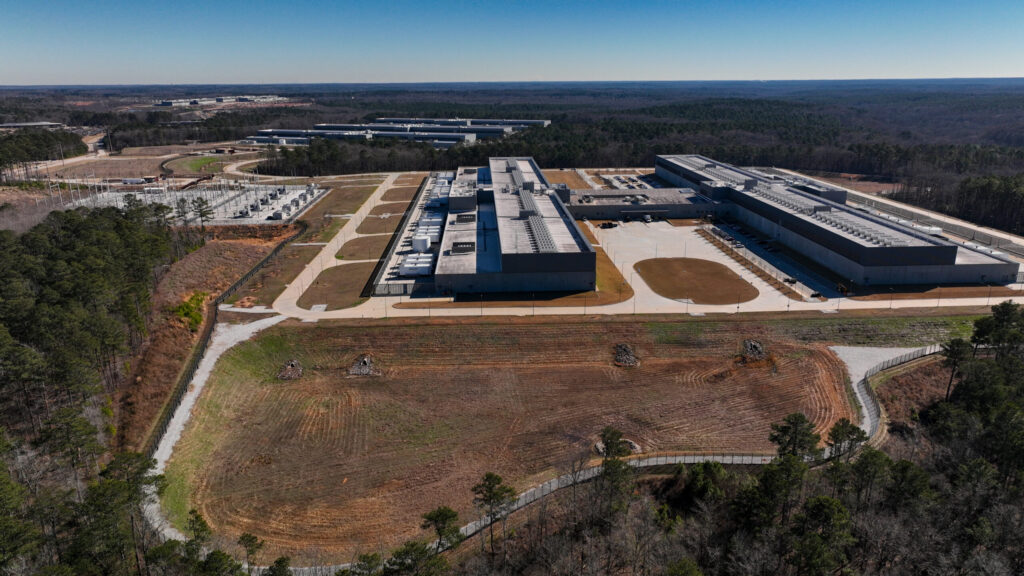
Colorado lawmakers mull competing bills on data centers
Scott Weiser
scott.weiser@gazette.com
Updated 13 hours ago
A Colorado coalition of data center developers and operators is urging lawmakers to pass a proposal that offers tax breaks to attract large facilities, while calling a competing bill a major obstacle to new investment. Meanwhile, proponents of the latter...

U.S. Supreme Court to hear bid by oil companies to toss climate suits in Boulder case
Reuters
reuters@gazette.com
Updated 1 day ago
WASHINGTON • The U.S. Supreme Court has agreed to hear a bid by ExxonMobil and Suncor Energy to scuttle a lawsuit brought by officials in Boulder that seeks to hold the oil companies liable for allegedly helping to fuel climate...
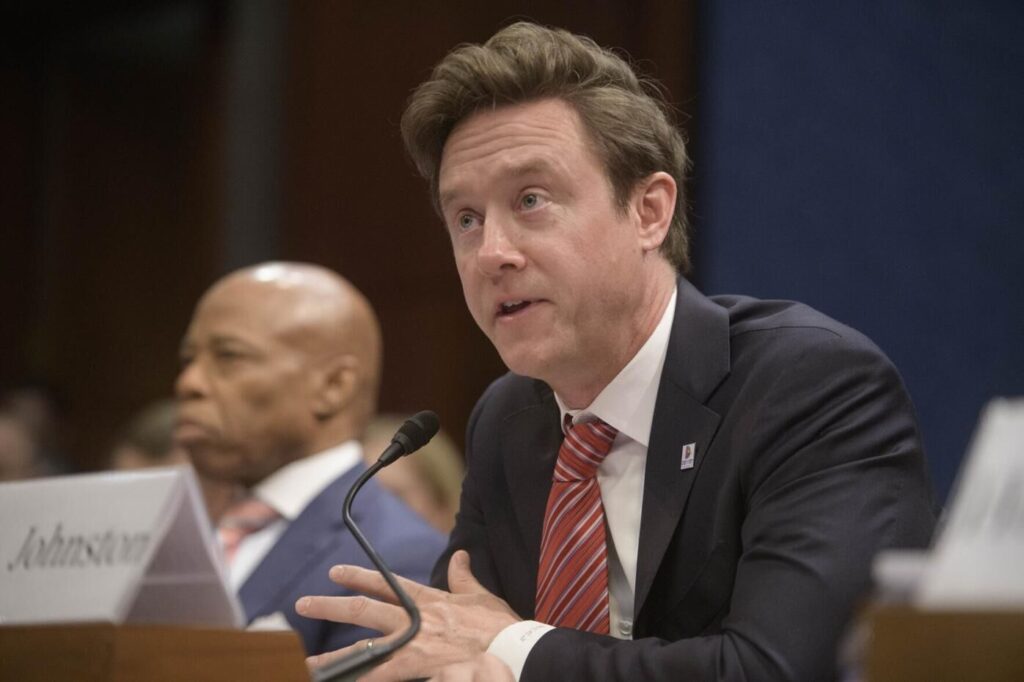
Denver plans moratorium on new data centers
Deborah Grigsby
deborah.smith@denvergazette.com
Updated 10 hours ago
As artificial intelligence drives the data center construction boom, building one in Denver is poised to get more complicated after Mayor Mike Johnston and members of the Denver City Council announced plans to impose a moratorium on new facilities. Under...

Greeley voters to decide fate of project that includes minor league hockey arena
Hap Fry, Special to The Gazette
hap-fry@gazette.com
Updated 2 days ago
GREELEY • The fate of the Cascadia development — and quite possibly the future direction of the city — is in the hands of Greeley voters this Tuesday during a special city election on whether the landscape-altering project should be...

U.S. Supreme Court strikes down Trump’s tariffs, upending central plank of economic agenda
Lindsay Whitehurst
lindsay.whitehurst@associatedpress.com
Updated 4 days ago
WASHINGTON • The Supreme Court struck down President Donald Trump’s global tariffs on Friday, handing him a major loss on an issue crucial to his economic agenda. The 6-3 decision centers on tariffs imposed under an emergency powers law, including...

Colorado legislators challenge lottery rules allowing credit card purchases
Marianne Goodland
marianne.goodland@coloradopolitics.com
Updated 1 day ago
Back in November, legislators told the Colorado Lottery Commission to hold off on rules that would allow, for the first time, purchases of lottery products with credit cards. The commission went ahead anyway and approved those changes. And now lawmakers...

Potential clues? Palantir shares several risks of doing business in Colorado
Bernadette Berdychowski
bernadette.berdychowski@denvergazette.com
Updated 6 days ago
When Palantir announced it moved its headquarters from Denver to Miami, it gave little reason for its decision. All it sent out was a short post on X. It came as a shock that the major company known for its...

Three local nonprofits awarded grants in nationwide award cycle | NONPROFIT REGISTER
Joanne Davidson Special to Colorado Politics
joanne-davidson-special-to-colorado-politics@coloradopolitics.com
Updated 3 days ago
MJ CHARITABLE FOUNDATION Phoenix, AZ News: Dress for Success Denver, Global MindEd and We Don’t Waste are among the nonprofits receiving grants from the MJ Charitable Foundation in its current grant cycle. Dress for Success Denver received $25,000, We Don’t Waste was awarded $15,000 and Global MindEd was given $5,000. Other...

Palantir moves HQ from Denver to Miami
Bernadette Berdychowski
bernadette.berdychowski@denvergazette.com
Updated 1 week ago
Palantir Technologies Inc., a large artificial intelligence and software company with many government contracts, including federal immigration forces and the U.S. military, is moving its headquarters out of Denver. “We have moved our headquarters to Miami, Florida,” the company posted...
PREV
PREVIOUS

Colorado legislators eye ramping up penalties for child trafficking
Colorado legislators on Monday announced a proposal to ramp up the penalties for human trafficking of children. The proposal, which received the backing of Democratic and Republican leaders in the House, will address one of the many problems when dealing with individuals who buy children for sexual exploitation — penalties so low that most offenders […]

Construction in 2025: Commercial development in Colorado Springs dominates the scene, single- family homes see slight decline
Commercial construction dominated the Colorado Springs building scene in 2025. Nearly 400 permits for new commercial projects were approved by the Pikes Peak Regional Building Department last year, according to a news release issued Monday. This is up 31% compared to 2024 and the region’s most since 2022. The year ended with a bang. December […]