

Aurora City Council Q&A: police reform

In November’s election, Aurora voters flipped what was previously a seven-to-three conservative majority on the City Council to a six-to-four progressive majority.
With the significant shift of the council’s political leaning could come policy changes and reversals. The Denver Gazette asked both new and old councilmembers about their thoughts on specific hot-button issues in Aurora and whether or not they plan to attempt to reverse certain policies.
Newly elected progressive Councilmembers Rob Andrews, Amy Wiles, Alli Jackson and Gianina Horton are still in their first official month on the council. Other progressive councilmembers include Alison Coombs and Ruben Medina. Conservative councilmembers include Angela Lawson, Stephanie Hancock, Curtis Gardner and Francoise Bergan.
Gardner, Lawson and Medina did not respond to multiple attempts by The Denver Gazette asking them to answer a questionnaire.
Aurora’s previous councilmembers went back and forth on how to deal with activists protesting the shooting of Kilyn Lewis, who was killed by an Aurora police officer last year during an operation to arrest him on a warrant for attempted first-degree murder. Lewis was not armed.
The protesters have attended every council meeting for more than a year, often speaking over time limits and interrupting meetings.
In the first meeting of the new City Council in early December, several community members spoke about Lewis and what they called a need for police reform in the city.
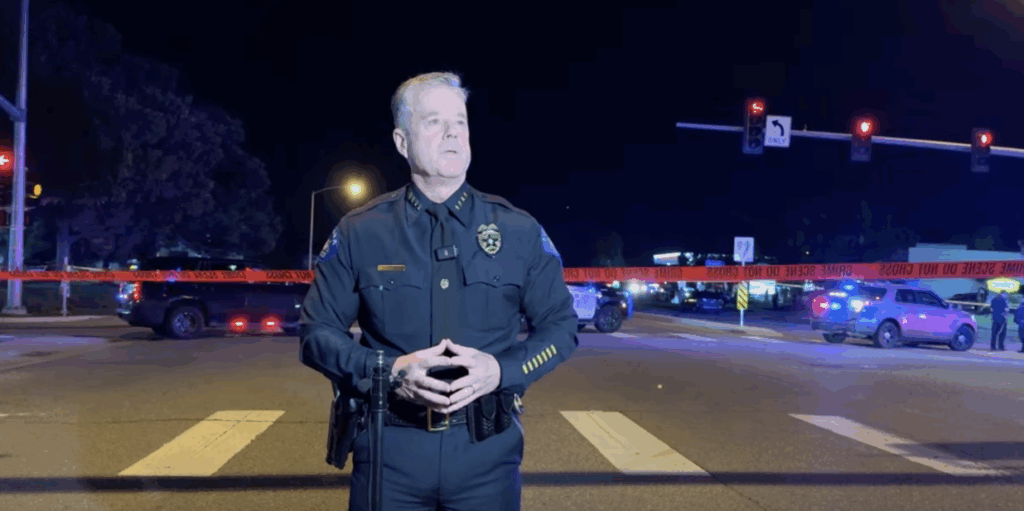
Cassandra Heil with the Denver Aurora Community Action Committee and other members of the committee demanded the resignation of Police Chief Todd Chamberlain.
They also demanded that the city form a public oversight committee.
“Many of you on this new council ran on explicit platforms of police reform and transparency,” Heil said. “Tonight, we demand you begin this work by correcting a grave injustice enacted by your predecessors — the appointment of Police Chief Todd Chamberlain.”
Councilmembers were asked about the demand for police reform. Their responses are written verbatim below in alphabetical order by last name.
The Denver Gazette: In previous council meetings, including the latest one, people have demanded police reform. What are your specific plans to address this? Do you think there needs to be reform? If so, what steps will you take?
Andrews: Yes – I believe in reform that strengthens trust, accountability, and safety for everyone. My focus is community-based public safety: transparent data and oversight, strong training and standards, and clear consequences when policies are violated. I also want to expand effective co-response and prevention strategies so officers are not the default solution for every crisis, especially mental health and substance use calls.
Bergan: I think we need to continue to work to improve transparency and communication and help police move from being seen as an external force to becoming a trusted partner in public safety.
Coombs: We need an ongoing mechanism for independent police oversight that is not tied to the consent decree. We continue to fail on specific directives of the consent decree, and on making sure nobody in our city has to fear that a chance encounter with police will end their life. I intend to work directly with community members, including those impacted by police violence, to develop independent oversight policies and structures.
Hancock: The facts matter: crime is down, officer morale is up, and Chief Chamberlain has a proven record of measurable progress. Reform should be grounded in reality, not rhetoric, and build on what’s working — strong leadership, training, accountability, and support for officers.
APD has also worked to engage the community through programs like the gaming trailer, Shop with a Cop, Coffee with a Cop, and attending town halls. Trust is built through consistent, two-way interaction between officers and residents.
With lower crime, higher morale, strong leadership, and community engagement, we should focus on practical outcomes, mutual trust, and public safety — building on success, not tearing it down.
Horton: I have recently learned that the city is making some strides towards independent oversight of the Aurora Police Department and it’s also incredibly important that community has a robust say in the development of this department. So in January, myself and Councilmember Amy Wiles will be hosting two sessions with community to discuss independent civilian oversight of law enforcement and gather Aurora communities’ expectations of what this office needs to be effective.
Jackson: I think we can always hold our law-enforcement to the highest standards and ask for more, especially given the very real historical events and life that have been lost at the hands of Aurora Police Department. I will be focusing on improving the relationship between the community and the police through a number of community forums during 2026 and work alongside my colleagues who have expertise within criminal justice reform to reshape our policies to make Aurora a place that is safe and inclusive for all.
Wiles: I believe reform and a shift in perspective are needed among some APD leadership. The role of law enforcement is to protect and serve, and this requires cultivating a healthy, collaborative relationship with the community. That means prioritizing listening, partnership, and mutual respect over judgment and hostility. I would strongly support an expansion of community-based policing, where officers are visible and engaged — walking neighborhoods, interacting with small business owners, and building trust with residents. While the existing community team has done commendable work in fostering connections between officers and the public, I believe these efforts should be broadened. Additionally, I would like to see more co-responder units deployed to handle calls that do not necessitate a police response, but instead require the expertise of community partners, particularly in the area of mental health support.
At the same time, I am not in favor of implementing changes hastily. It is important to first understand current structures, study best practices from other municipalities, and allow APD leaders the opportunity to adapt —especially given that they have operated under a very different council with different expectations in the past. Making snap judgments or enacting reforms without careful evaluation would ultimately be a disservice to both the community and APD.


Maduro capture brings surprise, hope to Venezuelan community in Denver
Nico Brambila
nico.brambila@denvergazette.com
Updated 5 hours ago
The announcement that U.S. military personnel arrested Venezuelan President Nicolás Maduro and took him to the United States sent a shockwave through Denver’s Venezuelan community Saturday. Jimmy, an asylum seeker who came to Denver last year, said his phone blew...
Ben Nighthorse Campbell was a Colorado original | Vince Bzdek
Vince Bzdek
vince.bzdek@gazette.com
Updated 11 hours ago
One day in 1982, Ben Nighthorse Campbell walked into a political caucus in Colorado to kill time after thunderstorms grounded his flight. He ended up volunteering to run for office that day and wound up serving two terms as a...

Gov. Jared Polis celebrates ouster of Venezuela’s Nicolas Maduro
Luige DelPuerto
luige.delpuerto@gazette.com
Updated 1 day ago
Colorado leaders praise, criticize military operation capturing South American leader Colorado Gov. Jared Polis celebrated the ouster of President Nicolas Maduro via a military operation that captured and flew him out of the country early Saturday, even as other Democrats...
Aurora City Council Q&A: Homelessness
Kyla Pearce
kyla.pearce@gazette.com
Updated 1 day ago
In November’s election, Aurora voters flipped what was previously a seven-to-three conservative majority on the City Council to a six-to-four progressive majority. With the significant shift of the council’s political leaning could come policy changes and reversals. The Denver Gazette...
Denver homicides declined 48% in 2025
The Denver Gazette
the-denver-gazette@coloradopolitics.com
Updated 2 days ago
2025 numbers among fewest homicide cases since 1990, police say Homicides are down in Denver by 48% in 2025 compared to the year before, police said, citing the city’s focus on areas where violent crimes have persisted as a reason...
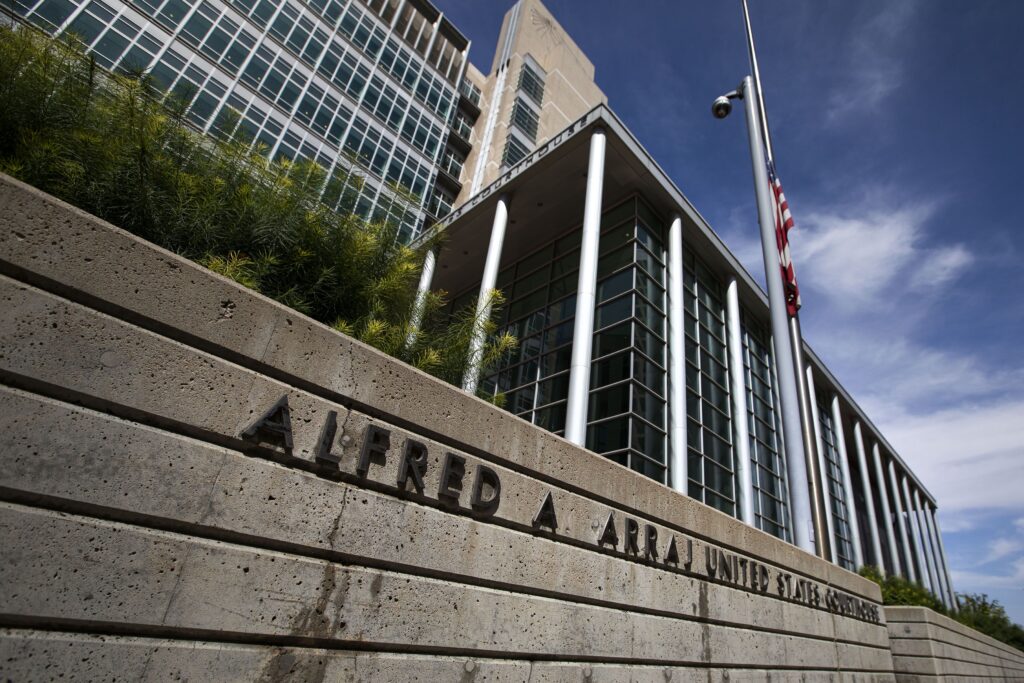
Will Colorado Springs get a federal courthouse? Colorado senator, local officials make push for a new facility
Michael Karlik
michael.karlik@coloradopolitics.com
Updated 2 days ago
Local officials and one of Colorado’s U.S. senators urged the judiciary earlier this year to explore placing a new federal courthouse and judge’s chambers in Colorado Springs, while the district court is cautioning that Congress must establish new judgeships before...

Colorado experiences record number of flu hospitalizations
Stephanie Earls
stephanie-earls@coloradopolitics.com
Updated 2 days ago
With almost 800 hospitalizations statewide last week, Colorado is in the throes of its worst flu surge in almost a generation, less than midway through a season of sickness doctors say they worry hasn’t yet bared its full fangs. “We’ve...
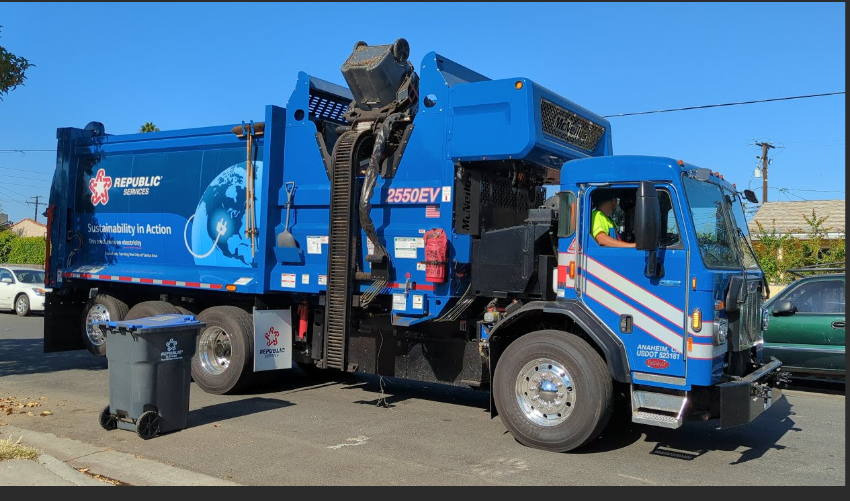
Commerce City to become largest Colorado city with fully EV trash-collection fleet
Kyla Pearce
kyla.pearce@gazette.com
Updated 2 days ago
Starting in January, Commerce City will roll out a fully electric recycling and waste collection fleet, making it the largest Colorado city to adopt such a fleet, a city news release announced. In partnership with Republic Services, Commerce City officials...

Feds order coal-fired Craig power plant to remain open
Scott Weiser
scott.weiser@gazette.com
Updated 3 days ago
The Trump administration’s energy agency has ordered one of three generating units at a Colorado power plant to remain available for operation amid an impending shutdown of the station and its supplying coal mines. The move is one of the...
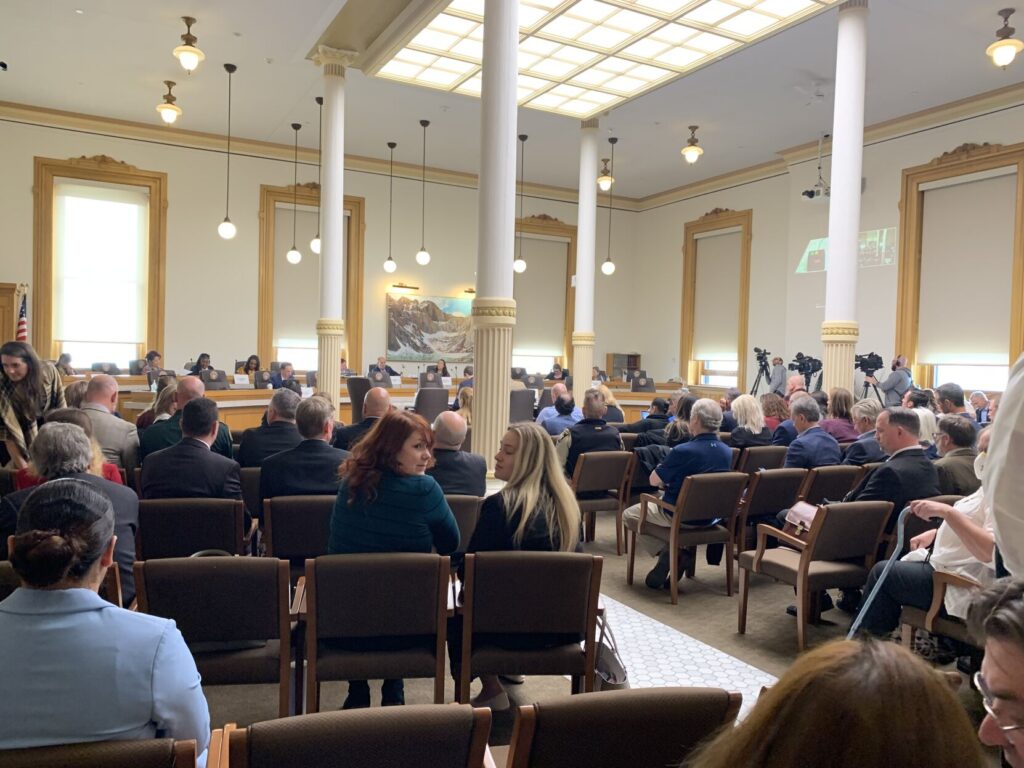
Colorado legislature votes to make committee hearing livestreams permanent
Marianne Goodland
marianne.goodland@coloradopolitics.com
Updated 2 days ago
The executive committee of the legislative council — the six top leaders of the House and Senate — voted 5-1 Wednesday to make permanent the video livestreaming of committee hearings, starting in the 2026 legislative session, which begins Jan. 14....
PREV
PREVIOUS
Aurora City Council Q&A: Homelessness
In November’s election, Aurora voters flipped what was previously a seven-to-three conservative majority on the City Council to a six-to-four progressive majority. With the significant shift of the council’s political leaning could come policy changes and reversals. The Denver Gazette asked both new and old councilmembers about their thoughts on specific hot-button issues in Aurora […]

Supporters perform post-mortem on Hart-Buchanan race for U.S. Senate | A LOOK BACK
by Rachael Wright Forty-Five Years Ago This Week: A month after the general election, Curt Uhre, campaign director for Mary Estill Buchanan, was still dissecting just how Buchanan had lost to Democratic U.S. Sen. Gary Hart and said he believed that a recount and special election were justified. On the day that Buchanan conceded to Hart, […]