

Psychedelics are a safe, novel approach to Colorado’s mental health crisis | OPINION
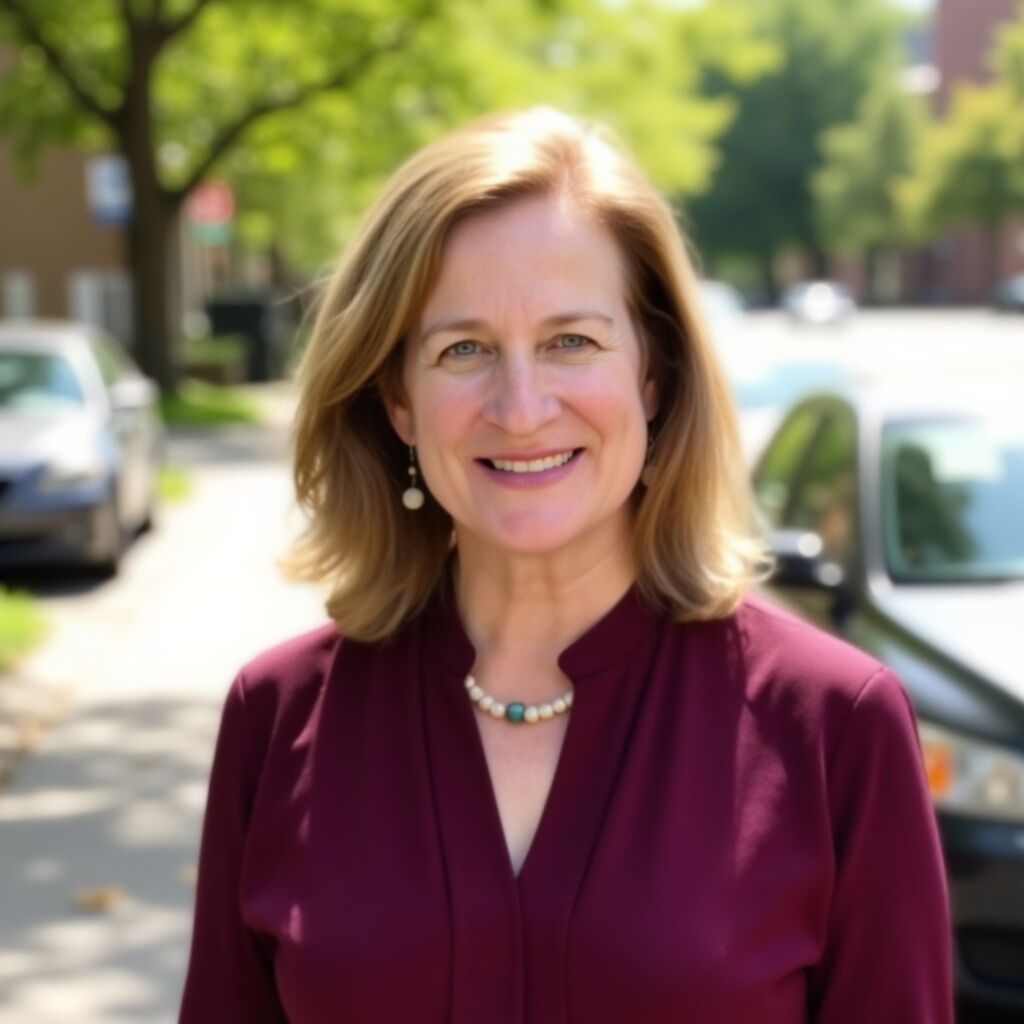

By Sarah Markey and Dafna Michaelson-Jenet
We all have moments in which we experience feelings of anxiety and depression. This is part of what it means to be human in today’s world — there is no shortage of suffering. The problem arises when these feelings are no longer moments, but a prolonged, recurrent state of being.
This is the case for those who carry diagnoses such as Generalized Anxiety Disorder (GAD) or Major Depressive Disorder (MDD), among others. GAD currently impacts an estimated 6% of the population, disproportionately affecting women, and presents differently than the general feelings of anxiety many of us can experience at times. Specifically, GAD sufferers experience chronic, debilitating anxiety, culminating in feelings of excessive worry a majority of the time. This can effect their ability to function in a variety of settings. These diagnoses are some of the leading causes of disability in the United States.
Currently, existing treatment options leave much to be desired. Medications for anxiety and depression have a 50% failure rate, meaning half will not experience symptom relief from the first medication trialed. Though trying other medications is the next step, more medications trialed increases the likelihood of experiencing negative side effects rather than symptom relief. Some side effects are as debilitating as the symptoms themselves — making the attempted treatment unsustainable and therefore unsuccessful. Talk therapy and other behavioral interventions are also inconsistent in providing relief.
Despite all this, there are promising treatment options on the horizon. Psychedelics are not new, but their potential to treat mental health conditions has garnered much attention of late. Fortunately, this increased attention has led to scientific exploration. Long left unexplored due to stigma and harsh federal regulations, scientists are now exploring the powerful effect psychedelic compounds can have in treating mental health. In fact, the majority of psychiatrists agreed (more than 74%) when asked if psychedelics will transform the treatment landscape for GAD and MDD.
Even with such resounding support from mental health care providers, clinical trial data supports this as well. In one study — with only a single dose of an LSD-formulated drug designed to treat anxiety, trial participants experienced nearly a 50% remission rate for GAD in just 12 weeks. In a separate portion of the trial designed to test dosing, 65% of patients saw improved clinical signs for GAD in three months.
Colorado, often seen as one of the most progressive states when it comes to treating mental health by acknowledging and adopting innovative, modern treatments, is already leading the charge; for instance, by passing HB 25-1063 as well as through the state’s Path4EMS program which offers ketamine therapy to first responders.
During this past legislative session, Colorado became one of the first states to pass legislation that will make it legal for health care providers in the state to prescribe FDA-approved medications that contain psilocybin. Though no medications containing psilocybin have yet attained FDA approval, the potential that exists in these medications could revolutionize the way we treat mental illness — both in Colorado and throughout the country.
Passing this bill shows lawmakers and the governor are in agreement: we need more effective interventions and tools to better treat mental illness. More people are experiencing struggles seeking treatment for their mental health than ever before — and many of them will not respond to standard treatments currently available.
We need novel treatments for intractable mental health conditions — the last FDA approval of a treatment for anxiety occurred more than a decade ago. It’s time to start using a modern approach to an epidemic that is only getting worse, not better. There’s no better place to start than Colorado. Colorado has proven time and again we are national leaders when it comes to taking mental health seriously, researching effective treatment methods, and guaranteeing access to those treatments. Despite this, the data shows current efforts are insufficient. This upcoming legislative session is a prime opportunity for lawmakers to support innovative new treatment options for chronic, treatment-resistant mental illness.
Let’s go one step further in expanding access to innovative treatments through regulatory reform. In doing so, we can show the rest of the country FDA approved, clinically tested medications containing psychedelic compounds can and will bring much needed relief to the millions of Americans who suffer from anxiety.
Sarah Markey MD is a board-certified psychiatrist active in the clinical trials of LSD. Dafna Michaelson-Jenet represents Adams County in the Colorado Senate and has earned a national reputation for her legislative efforts to improve mental heath care.

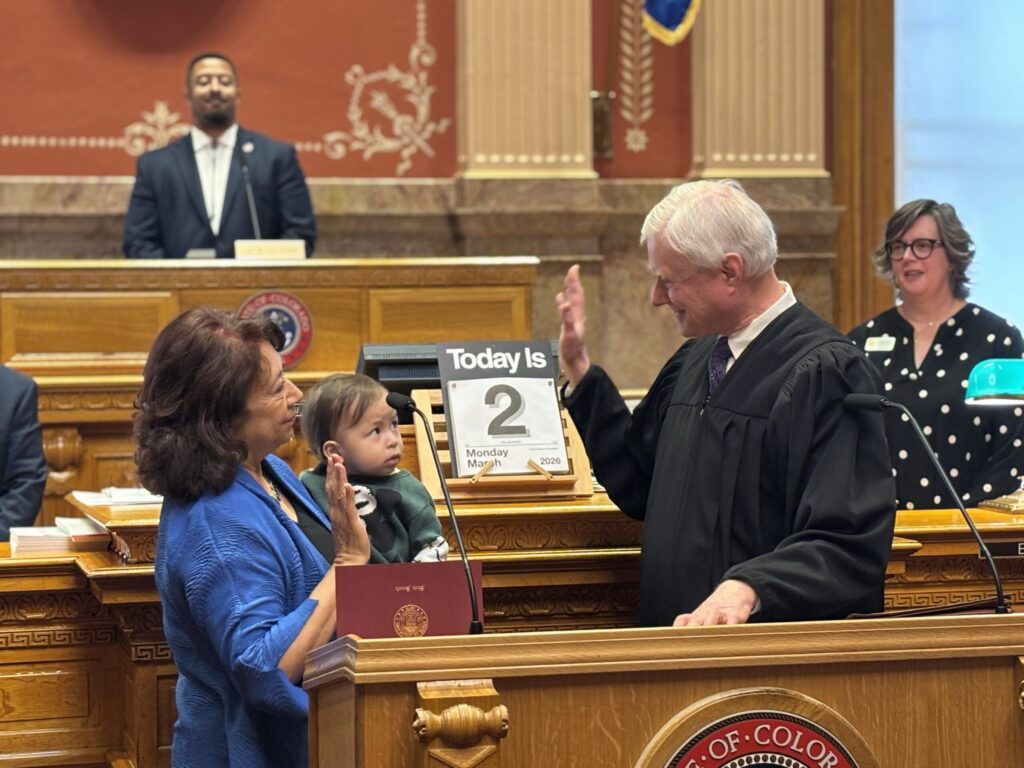
Colorado Senate swears in Adrienne Benavidez after district vacancy win
Marianne Goodland
marianne.goodland@coloradopolitics.com
Updated 3 hours ago
Sen. Adrienne Benavidez, a Democrat from Adams County, was sworn in Monday to the Colorado Senate, just four days after winning a vacancy election in District 21. She was sworn in by Colorado Court of Appeals Justice Lino S. Lipinsky...

Rural legislators, Colorado farmers defeat pollinator bill backed by Gov. Polis
Marianne Goodland
marianne.goodland@coloradopolitics.com
Updated 3 hours ago
A proposal to limit the use of neonicotinoid-coated crop seeds collapsed in the Senate Agriculture and Natural Resources Committee last week, as rural lawmakers, including two Democrats, joined Republicans to reject what they called an expensive, impractical mandate on farmers....

Competing overtime bills for agriculture workers split Colorado Democrats
Marianne Goodland
marianne.goodland@coloradopolitics.com
Updated 7 hours ago
Competing bills setting the overtime threshold for farmworkers have split legislators at the Colorado state Capitol, with one group saying a law passed in 2021 has harmed, rather than helped, farming operations and workers alike, while the other side insists...

Could Weiser or Bennet as governor each be an improvement over Polis? | Miller Hudson
Miller Hudson
miller-hudson@coloradopolitics.com
Updated 1 day ago
The weekend before last was a forerunner to numerous forums and debates where U.S. Sen. Michael Bennet and Attorney General Phil Weiser will jostle for position in the Democratic primary for governor. The victor seems certain to be headed to...

Poison, poultry and prostitution — the Colorado legislature marches on | Rachel Gabel
Rachel Gabel
rachel-gabel@coloradopolitics.com
Updated 1 day ago
Many weeks my search history is odd but the past two weeks might worry our county sheriff if he didn’t know me as well as he does. This week has been the week of poison, poultry and prostitution. Not to...

Thoughts on President Trump’s State of the Union address | Cronin & Loevy
Tom Cronin Bob Loevy
tom-cronin-bob-loevy@coloradopolitics.com
Updated 1 day ago
The U.S. Constitution’s Article Two states “He (the president) shall from time to time give to the Congress Information of the State of the Union, and recommend to their Consideration such Measures as he shall judge necessary and expedient….” On...
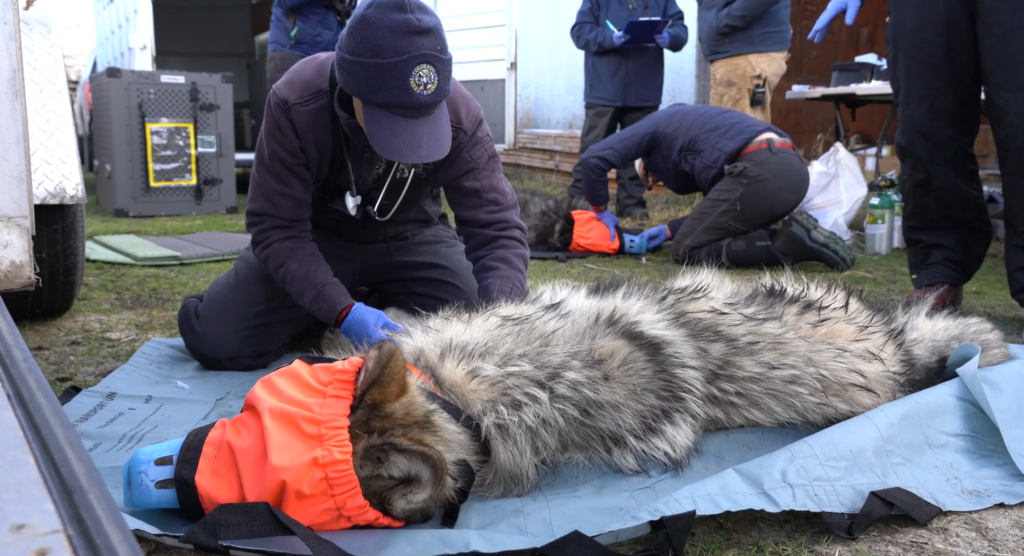
Male wolf dies after capture attempt in Colorado
Marianne Goodland
marianne.goodland@coloradopolitics.com
Updated 1 day ago
One of the original wolves brought to Colorado from Colorado has died after an attempt to capture it, the’s state wildlife agency said. The Colorado Parks and Wildlife identified the wolf as No. 2305 — meaning it was one of...

Are Colorado businesses leaving or evacuating? | Jon Caldara
Jon Caldara
jon-caldara@coloradopolitics.com
Updated 4 days ago
At this point, if you hear beeping downtown, it’s not a construction crew. It’s a company backing out. And look, I get it. Businesses relocate for all sorts of reasons: taxes, regulations, labor costs, office space, crime, commute times, the...

Democrat Michael Bennet turns in petitions for Colorado’s gubernatorial primary, plans to skip caucuses
Ernest Luning
ernest.luning@coloradopolitics.com
Updated 1 day ago
U.S. Sen. Michael Bennet, a Democratic candidate for governor, submitted nominating petitions for Colorado’s June primary ballot on Friday, his campaign and the Colorado Secretary of State’s Office said. Bennet plans to rely on his petitions to get on the...

Colorado Republicans, Democrats clash over Iran military operation
Thelma Grimes
thelma.grimes@coloradopolitics.com
Updated 2 days ago
Colorado’s congressional delegation split sharply along party lines Saturday after the U.S. and Israel attacked Iran, triggering a fresh debate in America over presidential war powers. Trump announced early Saturday morning that U.S and Israeli forces had begun “Operation Epic...
PREV
PREVIOUS
State Sen. Dylan Roberts runs for reelection
State Sen. Dylan Roberts, D-Frisco, is seeking a second term in the Senate and his fourth term in the state legislature. Roberts is committed to “making life more affordable for Coloradans and advocating for the unique needs of the mountain and rural communities he knows and serves,” he said in a news release announcing his […]

Real leadership requires long-term thinking | BIDLACK
I make no secret of my fidelity to the University of Michigan. I grew up in Ann Arbor, the son of a UM school dean, and all three of my degrees, BA, MA, and Ph.D., are from that lovely campus. I choose to mostly ignore the recently past football season, and instead will brag on […]