

We can build a better path forward for Colorado health care | PODIUM
By Jeff Tieman and Julie Reiskin
Colorado is careening toward a health care disaster, and unless we change course now, too many of our neighbors will bear the cost — in dollars, in well-being and in lives.
Colorado’s health care system isn’t just dysfunctional, it’s teetering on collapse. Insurance premiums are set to spike dramatically. The Colorado Division of Insurance warns 2026 rates could rise 28% on average, with rural and mountain counties potentially facing 40%-plus increases. These hikes are tied largely to the expiration of enhanced federal tax credits. If these projections hold, as many as 75,000 Coloradans could lose coverage because they simply can’t afford it anymore.
Meanwhile, looming federal and state Medicaid cuts threaten to rip away another pillar of stability. Colorado officials estimate a nearly $1 billion reduction on the horizon, jeopardizing the care of more than a million Coloradans who rely on the program. Layer onto this the escalating pediatric and adult mental-health crisis in our state and it becomes clear we’re facing a systemwide emergency, not a series of isolated problems.
And yet, for all this urgency, Colorado’s health care system suffers from one of its most debilitating flaws: no one owns the whole system. Decisions are made in silos — hospitals over here, insurers over there, state agencies somewhere in between. Policymakers often craft solutions without genuine input from the people who deliver or rely on care. And far too often, our debates start from clashing assumptions instead of shared facts.
That fragmented approach is pushing us toward the edge of the cliff. It’s also why a broad coalition of hospitals, physicians, health plans, behavioral-health providers, rural leaders and consumer advocates came together earlier this year. In a political environment defined by polarization, this group did something unusual: we sat down, challenged one another openly and confronted the uncomfortable truth Colorado is on an unsustainable trajectory.
Across hours of candid discussions, one theme kept resurfacing: if we don’t change how we solve problems, no big or small policy changes will fix what’s broken. We need real accountability for system-wide outcomes. We need policymaking that begins with community voices, not performative “consultations.” And we need decisions rooted in shared, validated data rather than ideology or assumptions.
This isn’t about blaming state leaders or pointing fingers among sectors. It’s about acknowledging health care is simply too large and complex for anyone to fix alone. Challenges such as workforce shortages, affordability pressures, dwindling rural access and regulatory overload are interconnected. They demand a coordinated response.
That is why our coalition has put forward a clear message to the governor, legislators and candidates: Colorado cannot afford another year of fragmented policymaking. We must move toward a model built on collaboration, transparency and shared responsibility. That means engaging the communities most affected by policy decisions before choices are made. It means being honest about both what is working and what is failing. And it means grounding decisions in common data so we can actually measure effect rather than guess at it.
The challenges ahead are enormous: protecting access as Medicaid funding shrinks, stabilizing the individual insurance market before thousands more lose coverage, strengthening support for the providers who serve low-income and rural Coloradans, streamlining the regulatory thicket driving up costs and addressing workforce shortages leaving entire communities without timely care.
But enormous does not mean impossible. With shared values and collective ownership, this moment offers Colorado a rare opportunity to reset. If we choose collaboration over turf battles and evidence over ideology, we can rebuild a system worthy of the people who depend on it. Our coalition stands ready to meet this moment. And we’re asking others to join us, before the cracks in our system become consequences too big to reverse.
Jeff Tieman is president and chief executive of the Colorado Hospital Association, which represents more than 100 hospitals and health systems across the state. Julie Reiskin is co-executive director of the Colorado Cross-Disability Coalition, the state’s premier disability-rights advocacy organization.

Colorado halts wolf releases for 2026 as federal pressure mounts
Marianne Goodland
marianne.goodland@coloradopolitics.com
Updated 19 minutes ago
Colorado Parks and Wildlife, facing mounting criticism from the Trump administration over its management of the wolf reintroduction program, announced Wednesday they will not bring in any new wolves to the state for the 2026 winter season. CPW was turned...

Colordo wildlife officials report first wolf death of 2026 as mortality count reaches 13
Marianne Goodland
marianne.goodland@coloradopolitics.com
Updated 39 minutes ago
Colorado Parks and Wildlife announced late Monday that another British Columbia female gray wolf, known as 2504-BC, was found dead in northwest Colorado on Friday, Jan. 16. No cause of death nor an exact location of where the wolf was...

Comprehensive energy permitting reform benefits Colorado, the mountain west | PODIUM
Colorado Politics
colorado-politics@coloradopolitics.com
Updated 13 hours ago
By Ron Dickson Thank you, U.S. Reps. Gabe Evans and Jeff Hurd, for your participation in the Congressional Problem Solvers Caucus and your support of comprehensive energy permitting reform. We also appreciate U.S. Sen. John Hickenlooper’s continued efforts to enhance...

Colorado kids will die with CDC’s recent changes to vaccine schedule | OPINION
Colorado Politics
colorado-politics@coloradopolitics.com
Updated 13 hours ago
By Connie Ingram and Lesley Thompson No parent or grandparent should ever face the terror of watching a child fight for their life against a disease that could have been prevented. Yet more families could be put in exactly this...
Solutions right in front of us to solve political extremism crisis | OPINION
Colorado Politics
colorado-politics@coloradopolitics.com
Updated 13 hours ago
By Landon Mascareñaz Everywhere I went these past two weeks, the sentiment was the same: “What are we going to do about political extremism and the conflict in this country?” I heard it from folks on the left, right and...
Gov. Jared Polis touts Colorado’s ‘significant’ drop in crime in 2025
Marissa Ventrelli
marissa.ventrelli@coloradopolitics.com
Updated 17 hours ago
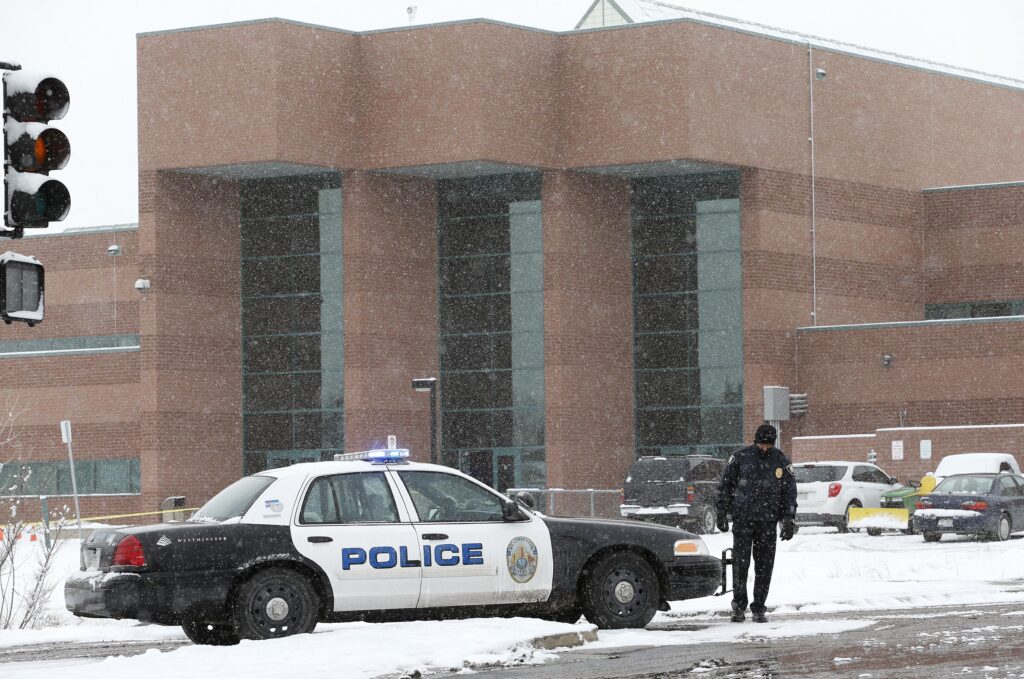
Gov. Jared Polis is touting a recent report saying Colorado’s overall crime rate decreased by double-digit margins over the past year. “I am thrilled to see our data-driven investments in law enforcement support and crime prevention are working,” Polis said...

Democrats Michael Bennet, Phil Weiser and their backers bank $9 million for Colorado gubernatorial race
Ernest Luning
ernest.luning@coloradopolitics.com
Updated 22 hours ago
Democratic gubernatorial candidates U.S. Sen. Michael Bennet and Attorney General Phil Weiser, and the campaign committees that support them, entered the election year with almost $9 million on hand, as the race to succeed term-limited Colorado Gov. Jared Polis heats...
Court rules against Colorado Rep. Jason Crow, other Democrats in ICE visitation policy challenge
Michael Kunzelman
michael.kunzelman@associatedpress.com
Updated 18 hours ago
WASHINGTON • A federal judge refused Monday to temporarily block the Trump administration from enforcing a new policy requiring a week’s notice before members of Congress can visit immigration detention facilities. U.S. District Judge Jia Cobb, who is based in Washington, D.C., concluded...
Pardon me? Nah, Gov. Polis — Tina Peters deserves her time | Hal Bidlack
Hal Bidlack
hal-bidlack@coloradopolitics.com
Updated 2 days ago
As my regular reader (Hi, Jeff!) will recall, I’ve oft praised Gov. Jared Polis for exercising great skill in balancing the outcomes of the many, many issues that cross his desk. As a moderate myself, I’ve stood by Mr. Polis...
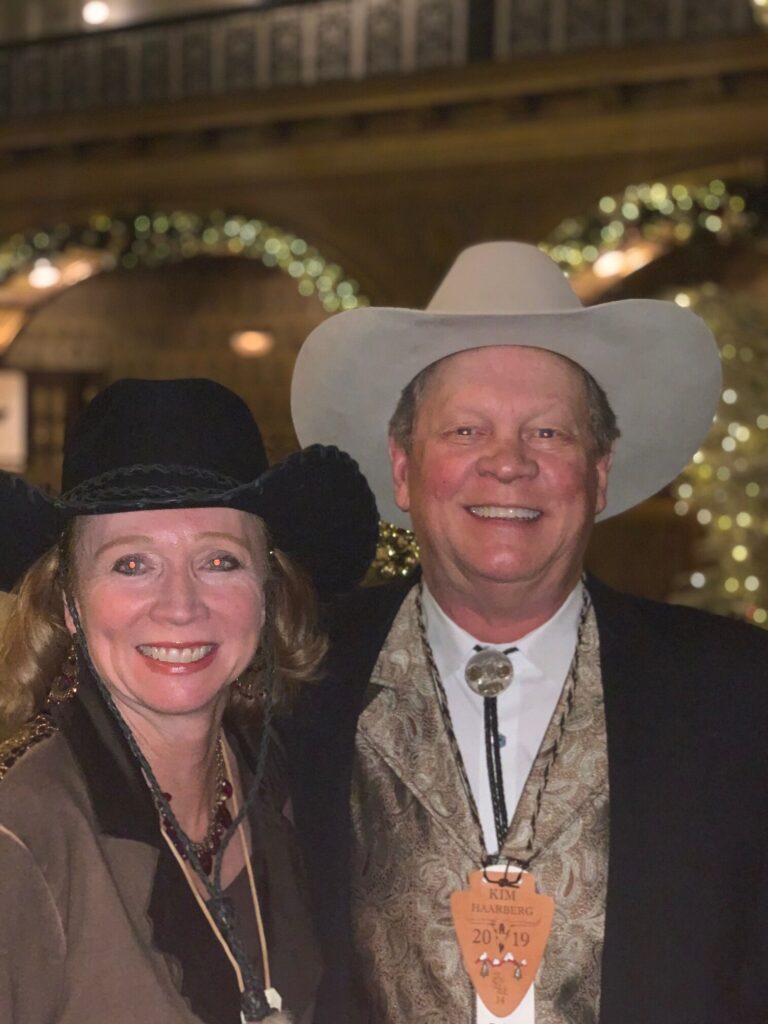
Demand action to stop fentanyl deaths — No. 1 killer of Americans aged 18-45 | OPINION
Colorado Politics
colorado-politics@coloradopolitics.com
Updated 2 days ago
By Kim Haarberg It took me about an hour to write this. And in that time, 10 people in the United States died from fentanyl overdoses. That’s 10 sons, daughters, parents and friends gone because of a counterfeit tablet laced...
PREV
PREVIOUS

Local government can contribute clean energy, national security needs | OPINION
By Adam Eckman Colorado and the nation face increasing energy demands and critical mineral supply needs. These pressures are amplified by population growth, energy-intensive artificial intelligence, a shrinking energy supply portfolio, and geopolitical challenges that have fundamentally altered historical supply chains. In Colorado specifically, approximately a quarter of our electric energy is supplied by coal. […]
Income tax overhaul in Colorado clears first hurdle, as revised estimate puts tax hike at $4 billion
A state panel on Wednesday gave the go-ahead to a ballot measure that seeks to change Colorado’s flat rate of 4.41% to a graduated income tax, beginning in 2027, and raise billions dollars in new revenue. Now the proponents of the measure – which would appear on the 2026 ballot, assuming they gather sufficient signatures […]