

Protecting Medicare Advantage protects our communities | OPINION
As executive director of the Wezesha Dada Center, I spend every day working with families, elders and small business owners who make our communities strong. I see their struggles and their resilience — and I also see how access to good health care determines whether people can stay independent, keep working, and continue contributing to our local economy.
For too many of our elders, health care is a constant worry. They live with chronic conditions like diabetes, heart disease and high blood pressure. They’re on fixed incomes, where even a $20 increase in medication or insurance costs can mean skipped meals. Many live in areas with limited transportation and few care options. Traditional Medicare helps, but it doesn’t cover everything. That’s where Medicare Advantage fills the gap.
Medicare Advantage goes beyond the basics. It includes dental, vision and hearing care — services that make daily life possible. It covers prescription drugs, delivers meals and provides rides to doctor visits. These benefits aren’t luxuries; they’re lifelines that help people stay healthy and independent.
At the WDC, we see every day how access to quality care shapes people’s ability to work and thrive. When someone can manage a chronic condition, they can keep their business open, care for their children and stay active in their community. Health is the foundation for everything else — without it, economic opportunity simply isn’t possible.
Medicare Advantage also supports fitness and wellness programs that build community and reduce loneliness. A simple exercise class can prevent falls, improve mental health and give people a reason to connect. In our outreach, we’ve seen staying active and engaged makes just as much difference for emotional health as it does for physical health.
More than 34 million Americans are enrolled in Medicare Advantage today. Participation is especially strong in Black and Latino communities, where health disparities have long existed and where affordability and wellness benefits matter most. Studies show these communities choose Medicare Advantage at higher rates than traditional Medicare because it’s accessible, preventive and comprehensive.
As Medicare Open Enrollment runs from Oct. 15 through Dec. 7, seniors and caregivers have an important opportunity to review their options and make sure they’re enrolled in plans that meet their needs. For those already enrolled in a Medicare Advantage plan, another window from Jan. 1 through March 31 allows one change or a switch back to Original Medicare. Understanding these timelines can make the difference between maintaining good health and falling through the cracks.

Unfortunately, that progress is now at risk. The No UPCODE Act, being considered in Washington, would weaken Medicare Advantage — cutting funding, raising premiums and threatening in-home care services that many seniors rely on to stay independent.
This isn’t just policy on paper. These cuts would hurt real people — the grandmother who depends on home visits to manage her diabetes, the grandfather who attends a fitness class to stay mobile and social, and the family caregiver balancing work while caring for an aging parent.
More than 80% of seniors say cuts to Medicare Advantage would hurt their financial security, and 86% say they’d be less likely to vote for a member of Congress who supports those cuts. Those numbers don’t surprise me. In our community conversations at WDC, people often tell us Medicare Advantage is one of the few programs they can truly count on.
This program works. It saves money by focusing on prevention and keeping people out of the hospital. It helps close health gaps in communities of color. And it gives people choices and dignity — something they’ve earned after a lifetime of hard work.
At a time when so much feels uncertain, we should be strengthening programs that work, not dismantling them. Protecting Medicare Advantage means protecting our elders, our caregivers, and the small business owners who keep our local economy going. It means protecting our communities.
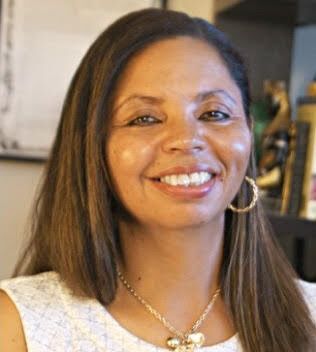
Maya Wheeler is executive director of the Wezesha Dada Center, a Colorado-based nonprofit advancing health equity, economic empowerment, and small-business development across diverse communities. Wheeler is currently a candidate for Arapahoe County commissioner.


Conservation Colorado proposes measures aimed at oil and gas companies
Marissa Ventrelli
marissa.ventrelli@coloradopolitics.com
Updated 8 hours ago
The environmental group Conservation Colorado has introduced four ballot measures it says are in response to an initiative that aims to enshrine Colorado businesses’ and consumers’ right to purchase and sell natural gas in the state’s Constitution. Filed with the...

With jails overcrowding, Gov. Jared Polis asks for new prisons as lawmakers face budget shortfall
Marianne Goodland
marianne.goodland@coloradopolitics.com
Updated 6 hours ago
The Polis administration is asking for hundreds of millions of dollars to expand the state’s prison system, just as Colorado’s legislators are bracing for a worsening fiscal outlook. The request sets up a clash over priorities at a time when...
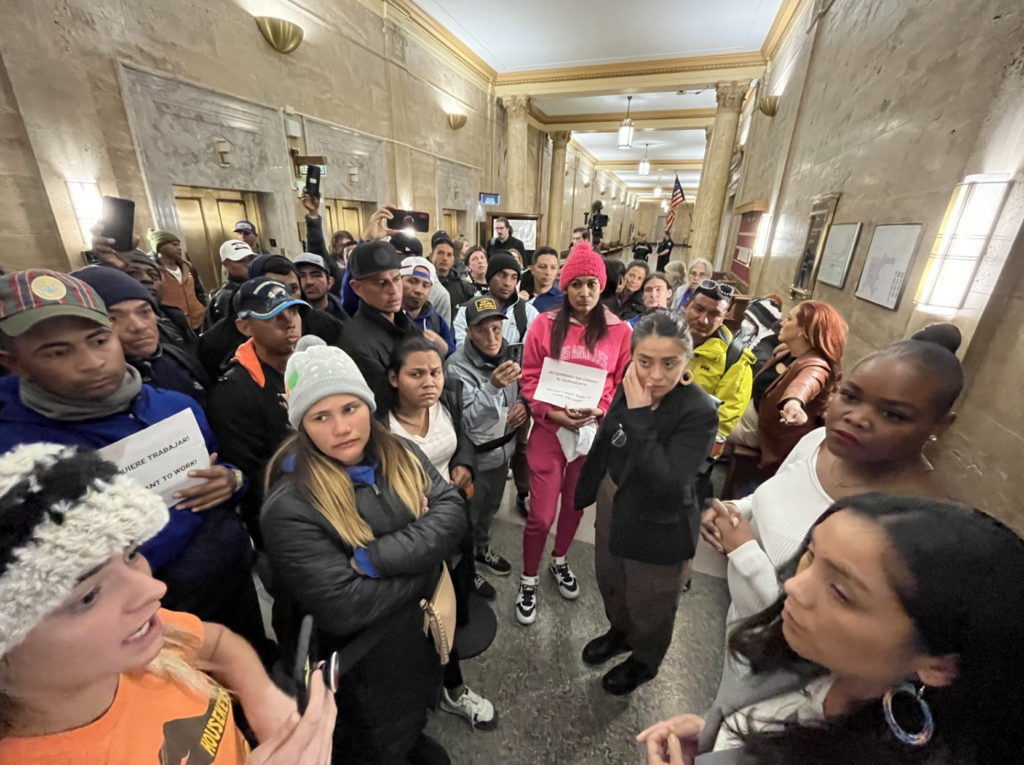
Costs explode for Colorado program covering pregnant women and children living in the U.S. illegally
Marianne Goodland
marianne.goodland@coloradopolitics.com
Updated 15 hours ago
A state program providing health care to pregnant women and children living in the country illegally is costing far more than lawmakers expected, with expenses nearly tripling in just a year and threatening to squeeze Colorado’s budget amid a nearly...

Costs explode for Colorado program covering pregnant women and children living in the U.S. illegally
Marianne Goodland
marianne.goodland@coloradopolitics.com
Updated 1 day ago
A state program providing health care to pregnant women and children living in the country illegally is costing far more than lawmakers expected, with expenses nearly tripling in just a year and threatening to squeeze Colorado’s budget amid a $1...
Penny wise but foolish by pounds | Paula Noonan
Paula Noonan
paula-noonan@coloradopolitics.com
Updated 11 hours ago
Leadership of Colorado’s General Assembly introduced the Fiscal Year 2026-2027 Legislative Appropriation bill, HB26-1333, at $75.72 million. That will be the budget to run the state legislature next year. About $74 million comes out of the general fund and the...

Proposed evictions bill fails to improve housing stability while threatening higher rents | OPINION
Colorado Politics
colorado-politics@coloradopolitics.com
Updated 23 hours ago
No landlord wants to evict a tenant for non-payment of rent. That is true for large housing providers, small “mom-and-pop” owners and nonprofit housing rental providers alike. Evictions are financially and emotionally costly for everyone involved. But when rent goes unpaid, eviction...

Prevention works — invest in conflict prevention with wolves | FEEDBACK
Colorado Politics
colorado-politics@coloradopolitics.com
Updated 12 hours ago
The recent reporting on Colorado’s wolf depredation payouts exceeding $700,000 highlights a critical problem with the current approach to wolf recovery: current mainstream systems focus on compensation and ineffective reactive non-lethals. These systems are not designed to prevent conflict but attempts...
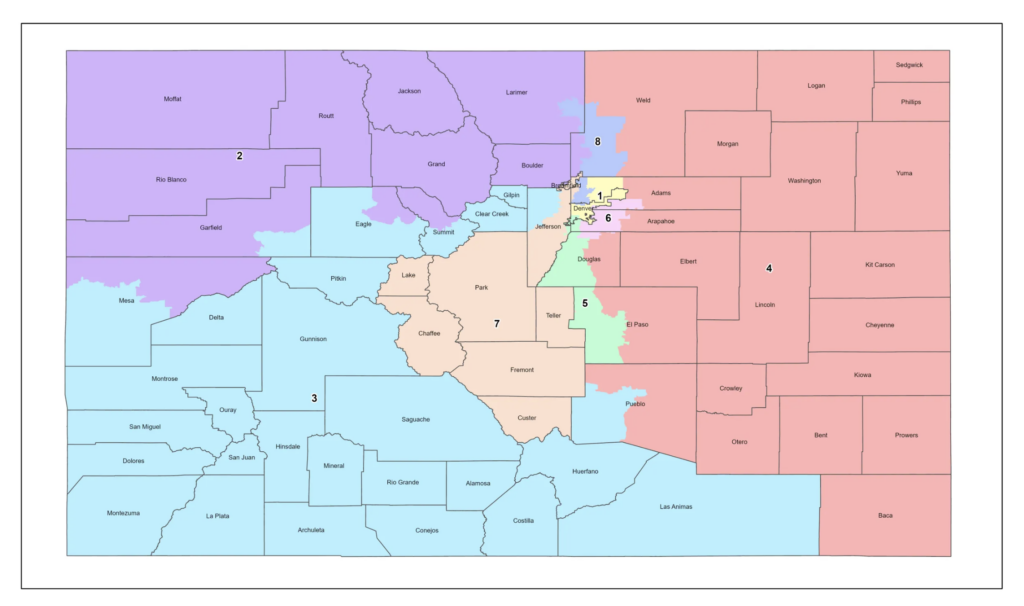
Colorado Title Board advances competing redistricting proposals, revised Pinnacol measure
Marianne Goodland
marianne.goodland@coloradopolitics.com
Updated 15 hours ago
With just two meetings left before an April 15 deadline, the state’s Title Board on Wednesday pushed through a slate of ballot measures, including a revised proposal to privatize Pinnacol Assurance and dueling plans to redraw Colorado’s congressional map. The...

Senate panel advances bill to tighten Colorado sports betting rules amid youth addiction concerns
Marissa Ventrelli
marissa.ventrelli@coloradopolitics.com
Updated 14 hours ago
A divided panel of lawmakers on Tuesday narrowly advanced a bill to impose new restrictions on Colorado’s booming sports betting industry, as lawmakers cited worries about youth gambling and addiction, while online operators warned the changes could drive bettors to...

Democrat Matt Cavanaugh ends campaign in Colorado’s 5th CD, says petition firm came up short
Ernest Luning
ernest.luning@coloradopolitics.com
Updated 13 hours ago
Democratic congressional candidate Matt Cavanaugh said Wednesday that he was ending his bid to challenge Republican U.S. Rep. Jeff Crank in Colorado’s 5th District because the firm his campaign hired to gather petition signatures failed to deliver. Cavanaugh, an Army...
PREV
PREVIOUS

Financial challenges mount for 16 Colorado school districts, audit reveals
Sixteen school districts in Colorado, almost all of them rural, are showing signs of financial stress, according to an audit released on the fiscal health of the state’s 178 public school districts. Eighteen other districts, however, are moving off the list with improvements to their fiscal health in the 2023-24 fiscal year. The Ellicott School […]

The ‘progressive tax’ is a power grab | PODIUM
When politicians promise “fairness,” brace yourself. What usually follows isn’t fairness at all — it’s a quiet transfer of power from the citizen to the state. That’s exactly what’s happening with the new proposal to replace Colorado’s flat income tax with a so-called “progressive” one. The marketing sounds harmless enough: lower rates for most, higher […]