

Colorado’s federal courts announce preparations if shutdown is prolonged
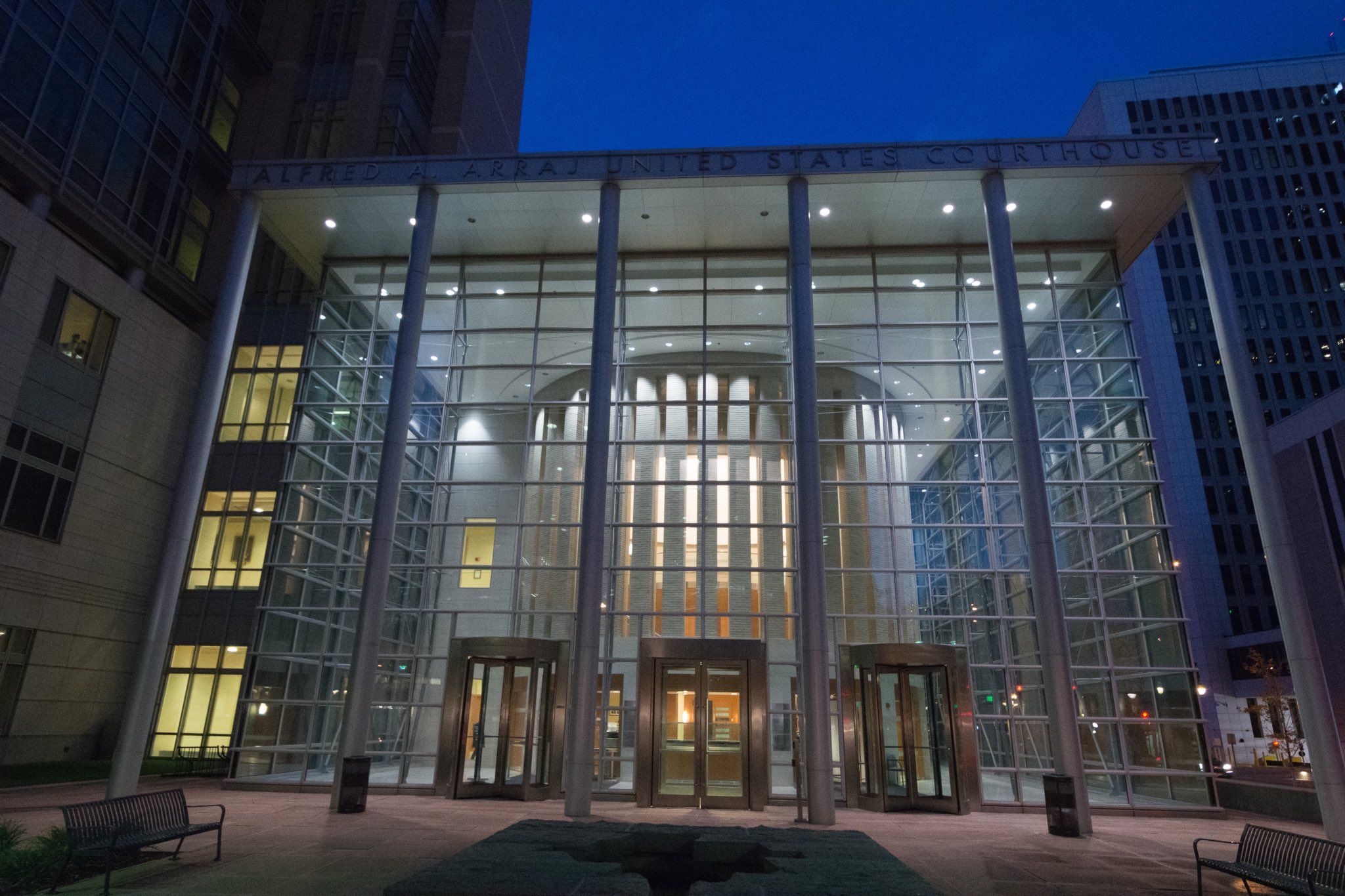
The federal trial and appeals courts headquartered in Denver have announced anticipated changes to their operations should the lapse in congressional appropriations be prolonged, with Oct. 17 being a critical date for the judiciary.
In an Oct. 1 letter to all federal judges, public defenders and related staff, Robert J. Conrad Jr., who heads the Administrative Office of the U.S. Courts, indicated the judiciary can sustain its operations with existing money through Oct. 17 in the absence of congressional funding. That period is known as “Phase 1.”
“During this Phase 1 period of lapse operations, Judiciary employees will continue reporting to work and be in full pay status,” Conrad wrote. During Phase 2, “the Judiciary will operate subject to the Anti-Deficiency Act, which allows excepted activities (including support for Article III judicial authority and necessary activities for the safety of human life and protection of property) to continue during a lapse.”
Jeffrey P. Colwell, the clerk of Colorado’s U.S. District Court, said Phase 1 will be “business as usual.”
However, “internally we attempt to restrict any spending we can to only mission critical expenses,” he said. During Phase 2, any staff who must report to work will not be paid until the government shutdown ends.
The U.S. Court of Appeals for the 10th Circuit, which hears federal appeals arising from Colorado and five neighboring states, will remain open during the shutdown. Chief Judge Jerome A. Holmes cautioned in an Oct. 1 order that case deadlines will not be extended as a result.
Still, “the court will consider on a case-by-case basis requests for extensions of time or for other relief necessitated by a government shutdown,” the order continued.
If Congress does not fund the judiciary by the time of the 10th Circuit’s scheduled oral arguments for November, those proceedings “may be transitioned to Zoom” the court indicated.
Virginia L. Grady, who leads the federal public defender’s office for Colorado, said there are 110 lawyers hired to represent criminal defendants who her attorneys cannot represent due to conflicts or other reasons. They have not received payments since July 3 because Congress failed to appropriate further money. Over 60% of those private attorneys are solo practitioners, said Grady, who have had to stop taking cases, lay off staff or use personal funds to operate their business.
“They should not be asked or expected to work without pay. And yet, over the summer, while not getting paid, most continued to selflessly accept appointments,” she said. “So, here they are today, in the new fiscal year, still not getting paid for months of work. For them, this is the functional equivalent of two shutdowns.”
Her office, she added, would remain open to fulfill the Sixth Amendment’s right to counsel for the criminally accused.
A spokesperson for Colorado’s U.S. Attorney’s Office, which prosecutes federal criminal cases and represents the government in civil matters, had no comment about the shutdown.

Gov. Jared Polis moves to end ICE subpoena fight over Colorado workers’ personal data
Marianne Goodland
marianne.goodland@coloradopolitics.com
Updated 3 hours ago
The effort by Gov. Jared Polis to comply with an administrative subpoena from U.S. Immigration and Customs Enforcement for information held by several state agencies is over. Polis, in a motion filed Feb. 20, asked for a permanent injunction and...

Ex-Colorado Sen. Sonya Jaquez Lewis avoids prison, gets probation for forged ethics letters
Marianne Goodland
marianne.goodland@coloradopolitics.com
Updated 3 hours ago
Former state Sen. Sonya Jaquez Lewis, D-Longmont, was sentenced Friday to two years of supervised probation and 150 hours of community service, and a $3,000 fine, to be waived if she completes an additional 100 hours of community service. The...

Toll to sexual assault survivors rises if they feel blamed and disbelieved
Jenny Deam
jenny-deam@coloradopolitics.com
Updated 11 hours ago
Natalie, a single mother, dropped off her son at daycare, went to therapy and then returned home. She swallowed a fistful of pills, washing them down with a six-pack of beer. She was ready to end her life. “I just...
Colorado rape cases rarely result in an arrest and prosecution
Jenny Deam
jenny-deam@coloradopolitics.com
Updated 7 hours ago
Authorities say they are especially difficult cases. In Colorado, most go nowhere. Over the past decade, for every 10 reports of rape, there is only one arrest. Warning: This story contains descriptions of sexual violence. Kiersten May remembered a fuzziness...

10th Circuit upholds finding of no misconduct against Colorado federal judge
Michael Karlik
michael.karlik@coloradopolitics.com
Updated 1 day ago
A judicial committee for the Denver-based federal appeals court upheld the chief judge’s finding last week that a federal judge in Colorado did not engage in misconduct by handling a civil case involving other attorneys and judges in the state....
SCOTUS whisperer? Justice Carlos Samour may get second opportunity to turn state dissent into national precedent
Michael Karlik
michael.karlik@coloradopolitics.com
Updated 12 hours ago
For the second time in two years, Justice Carlos A. Samour Jr. occupies an unusual position: Having his dissent in a Colorado Supreme Court case potentially forming the basis of U.S. Supreme Court precedent. Earlier this week, the nation’s highest...
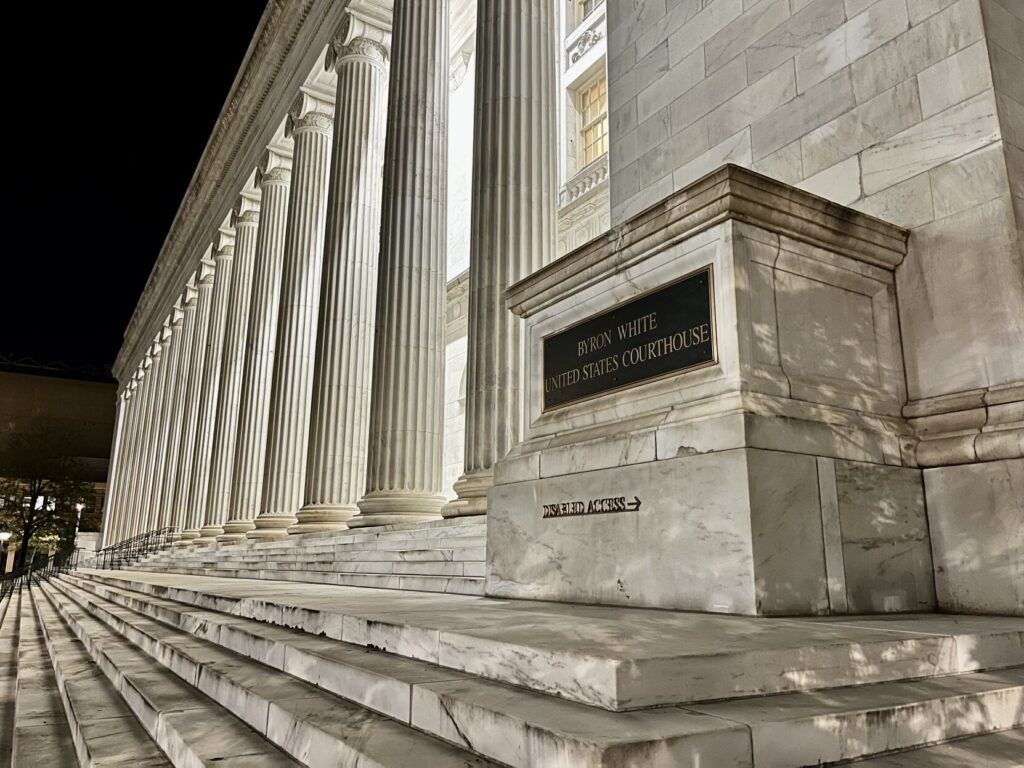
10th Circuit appoints ex-Colorado solicitor general to argue issue after federal government declines
Michael Karlik
michael.karlik@coloradopolitics.com
Updated 3 hours ago
The Denver-based federal appeals court took the unusual step earlier this month of appointing an attorney to independently argue a key issue in a criminal sentencing appeal after the government indicated it would not contest the defendant’s view of the...
Daniel Domenico to take over as Colorado’s chief federal judge
Michael Karlik
michael.karlik@coloradopolitics.com
Updated 3 hours ago
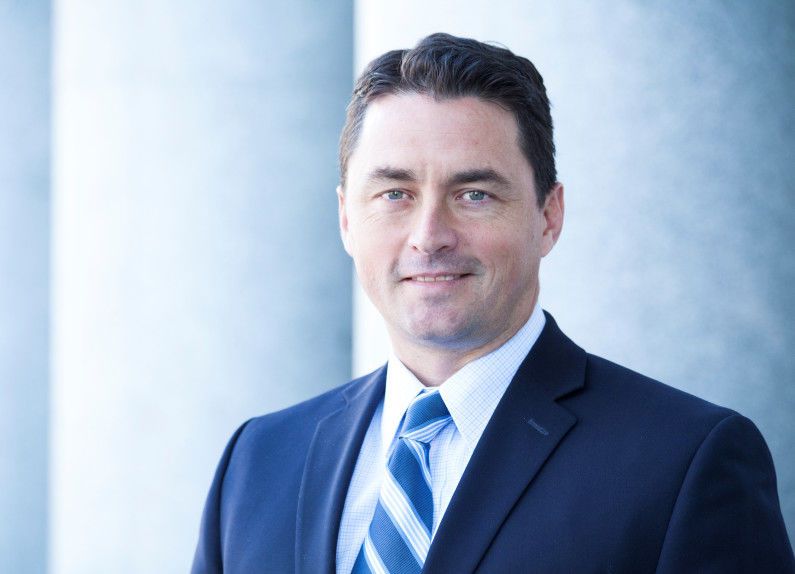
Daniel D. Domenico will become the new chief judge of Colorado’s federal trial court next week, a role that encompasses the administration of the court as well as a judicial caseload. Under federal law, the chief judge of a U.S....
10th Circuit upholds violations, sanctions against Colorado Springs mental health hospital
Michael Karlik
michael.karlik@coloradopolitics.com
Updated 2 days ago
The Denver-based federal appeals court agreed earlier this month that the government properly cited and penalized a Colorado Springs psychiatric hospital for failing to protect its staff from known risks posed by patients. The Occupational Safety and Health Administration inspected...
Appeals judges tell Boulder students about workload, ‘attack mode’ during school visit
Michael Karlik
michael.karlik@coloradopolitics.com
Updated 2 days ago
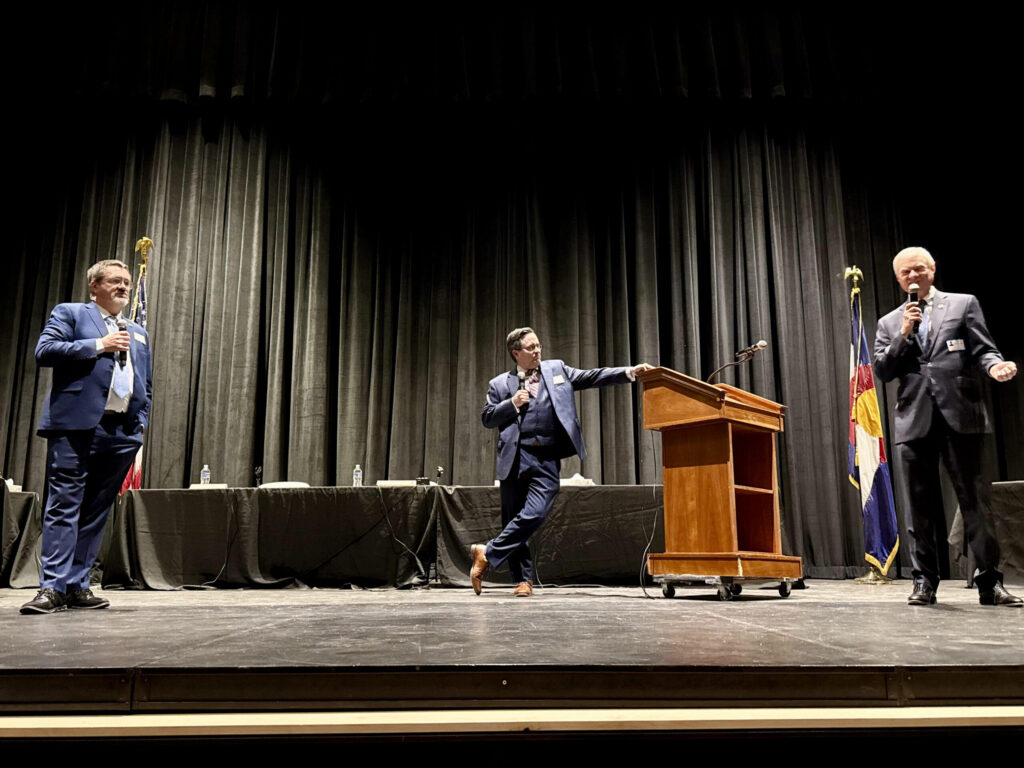
Three judges on Colorado’s second-highest court traveled to Boulder on Tuesday to hear oral arguments in real cases and field questions from students about their professional paths, their workload on the Court of Appeals, and their approach to interacting with...
PREV
PREVIOUS

Colorado bingo night: It's all about the prizes, not so much the charity
It’s a Thursday night at Bingo Oasis in Northglenn. Located on the outer edge of a nondescript strip mall just west of I-25, it has a simple façade sign advertising what goes on behind the mirrored and postered windows: BINGO. About the only giveaway to the activity there is that the 50 or so cars […]
Colorado's competency backlog costs state millions each year, report finds
Colorado’s growing competency backlog for criminal defendants is costing the state millions of dollars in fines each year and jeopardizing public safety, according to a new report by the think tank Common Sense Institute. The report, published on Thursday, found that inpatient competency evaluation orders have increased by 600% in the past 25 years, while […]