

Hypocritical air-quality-control standards put rural Colorado last | OPINION

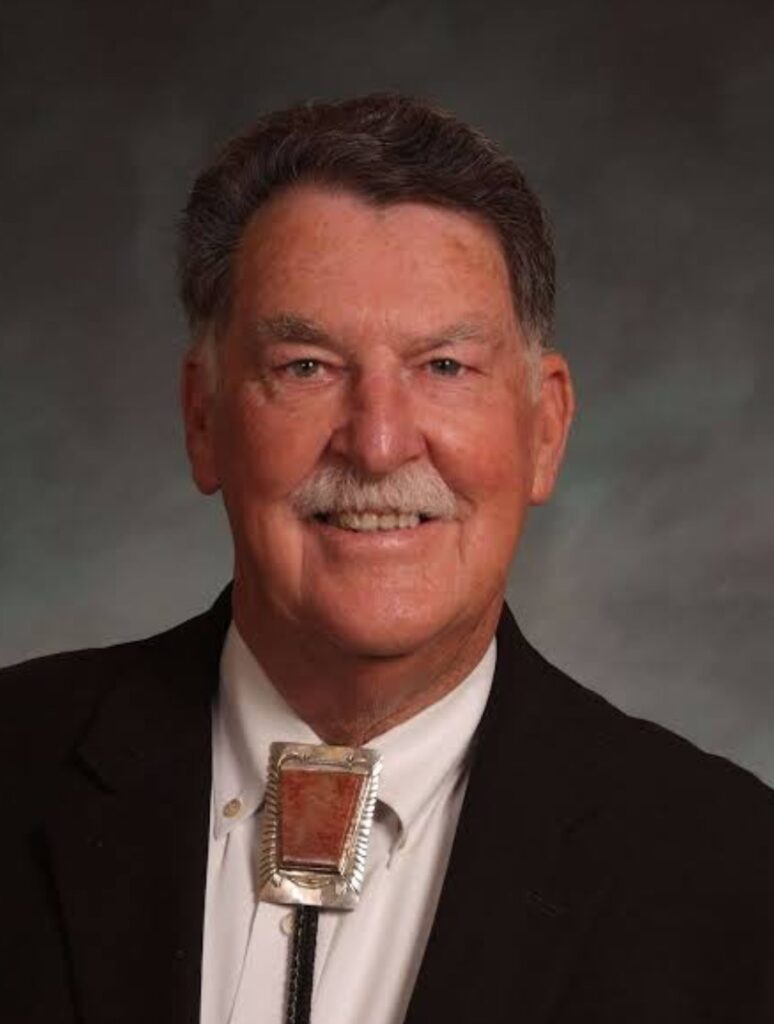
By John Justman and Don Coram
As former rural lawmakers, we’re no strangers to the state trying to squeeze us into the same box as the Front Range. But Colorado’s latest regulations take things to a new level: not only are they completely unworkable for our communities, but the rules also reveal a hypocritical double-standard that puts rural Colorado last.
Starting on Wednesday, Colorado’s air quality commission is holding hearings on their roll out of Regulation 31, a mandate that forces even the smallest landfills to install costly methane capture systems, regardless of whether those systems make scientific, environmental, or economic sense.
The process to get here was rushed and the new rules lack clear written implementation procedures and ignore not only how Colorado landfills already adhere to stringent federal methane rules, but also discount the state’s unique geography, landfill sizes and waste makeup. Even so, the state demands immediate and costly changes from small operators.
Only 1.7% of all methane emissions in Colorado stem from the waste sector. Landfills make a little more than half of that. Small rural landfills — often operating on a shoestring budget of $300,000 a year or less — are a mere sliver of this total. Yet, these are the facilities most heavily impacted by Regulation 31 due to the compliance and operation costs.
For many areas, the new rules would require investments of $2 million to $10 million for gas collection systems, plus $750,000 to $1 million per year in ongoing operations. This is on top of already unsustainable losses.
Local governments and small businesses will be pushed to the brink. Skyrocketing tipping fees and collection rates to cover compliance will hit families and small businesses in every rural town, and illegal dumping will soar, making the environment worse, not better. After Delta County raised tipping fees by 18% in 2024, illegal dumping doubled within a year. Unable to afford compliance, some counties may shut down landfills altogether. Waste would then be trucked across counties, raising costs and increasing carbon emissions from additional transportation.
Seemingly understanding the massive challenges ahead, the state — in the latest, but familiar, twist — has provided government-owned landfills exemptions to its one-size-fits-all regulations. In other words, the state is fine with layering massive new costs on everyday Coloradans and local businesses, while carving out exceptions for their own landfills.
This is eerily similar to the state-imposed strict energy performance standards on privately owned commercial buildings two years ago. While private property owners faced hefty penalties and expensive upgrades to meet stringent targets, publicly owned buildings were required only to benchmark their energy use and emissions, not to meet the same outcomes or pay similar penalties for noncompliance.
Their message is clear: rules for thee, not for me. It would seem to go without saying regulations should not single out those with the fewest resources while exempting the state itself from its own mandates. But here we are.
The reprieve from these mandates is only three years, which will not meaningfully change the onerous burden these regulations place on small businesses and rural areas. Treating Denver’s mega-landfills the same as rural sites is unfair, counterproductive and will destroy vital local infrastructure.
If Colorado insists on applying Regulation 31 statewide, it must also commit to fully funding compliance for small county and rural landfills. Without funding, the rule will destroy essential waste infrastructure in rural Colorado.
The commission must delay or withdraw Regulation 31 until operators, engineers, and regional officials — those who understand the operational and environmental context on the ground — have the opportunity to be fully heard.
Rural Colorado should not be collateral damage on the path to a cleaner future.
John Justman is a former Mesa County Commissioner. Don Coram is a former Colorado state senator.

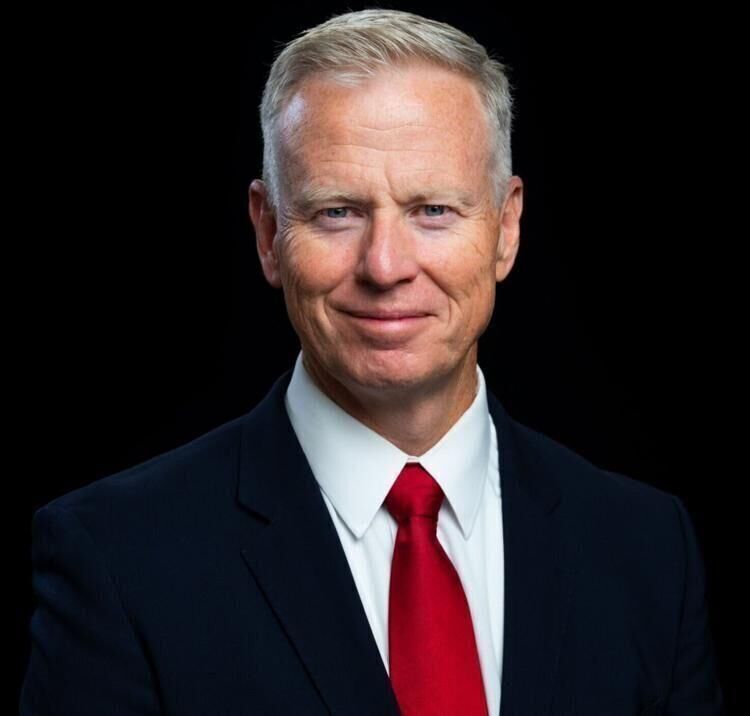
Crow’s stunt wasn’t seditious — but was dangerous | BRAUCHLER
George Brauchler
george-brauchler@gazette.com
Updated 9 hours ago
This Thanksgiving, when millions of military members sat down with their families to eat turkey, they likely discussed Crow. Colorado U.S. Rep. Jason Crow’s media lust led him to create an unprecedented video designed to instill doubt in our military...
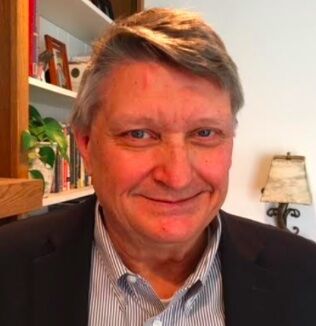
Polis’ silence deafening on Peters’ prison transfer | WADHAMS
Dick Wadhams
dick-wadhams@coloradopolitics.com
Updated 9 hours ago
What is Gov. Jared Polis thinking? As President Donald Trump tries to bully Colorado into releasing convicted and imprisoned Tina Peters to federal custody, a silent Polis appears to have dived under his desk. The U.S. Bureau of Prisons has...

Trump’s menacing military moves wearing thin with voters | HUDSON
Miller Hudson
miller-hudson@coloradopolitics.com
Updated 9 hours ago
When I reported to my initial assignment following Naval Officer Candidate School, my commanding officer asked me somewhat jovially, “You know why the Navy sends me Ensigns don’t you Mr. Hudson?” Puzzled, I replied, “No, Sir.” Still grinning, he explained,...
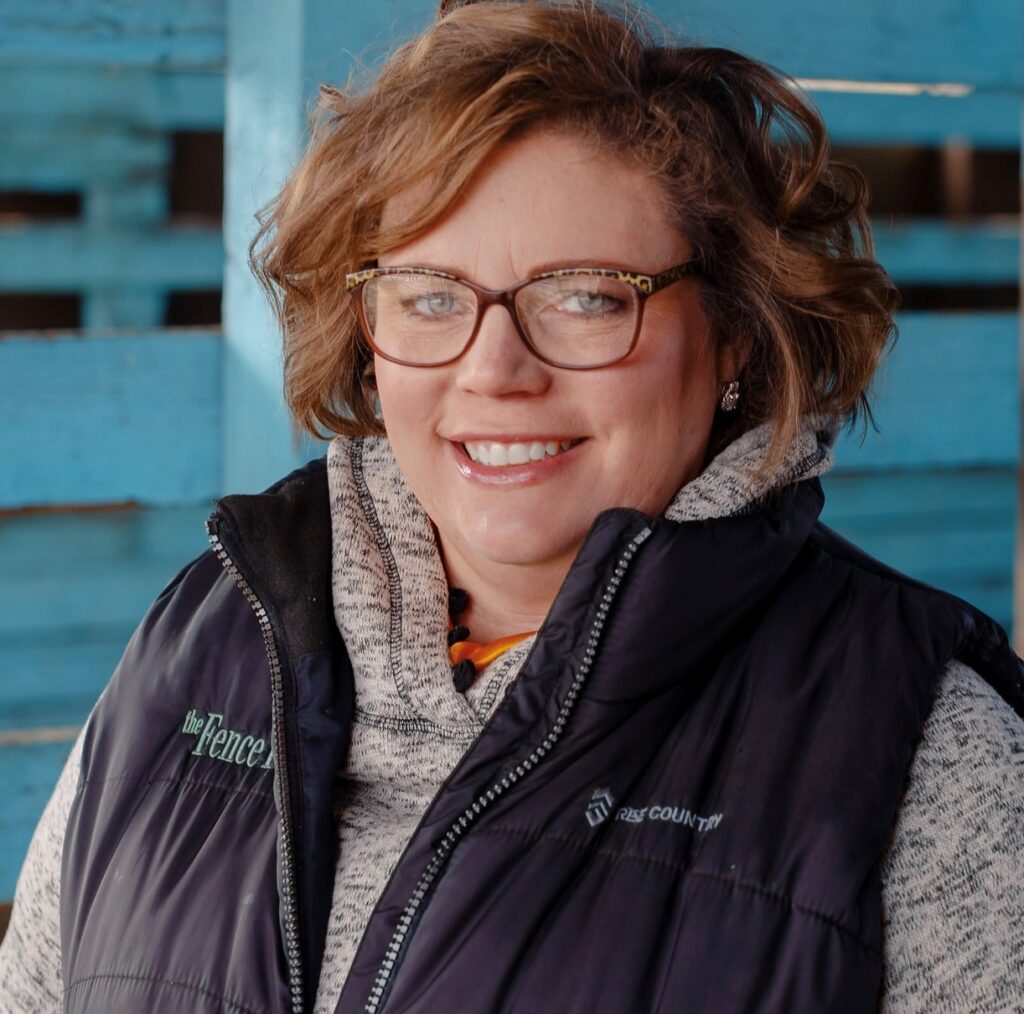
Beef industry takes another blow with Nebraska plant closure | GABEL
Rachel Gabel
rachel-gabel@coloradopolitics.com
Updated 9 hours ago
Black Swan is apparently on the menu this holiday season for people across the cattle and beef value chains. Last week, Tyson announced the closure of a processing plant in Lexington, Nebraska. This plant processes about 5,000 head of cattle...
Gambling is better than polling in predicting elections | CALDARA
Jon Caldara
jon-caldara@coloradopolitics.com
Updated 3 days ago
You’ve heard the term, “click bait.” It’s those wonderful, tempting links all over websites like “The top-10 sexiest actors,” or “You’ll never believe what she looks like now.” For political junkies, our click bait is the latest poll numbers. We...
Rural Colorado health care receives the attention it deserves | PODIUM
Colorado Politics
colorado-politics@coloradopolitics.com
Updated 5 days ago
By Marc Catlin A $50 billion investment to fund rural health care was in jeopardy in mid-October, when members of the U.S. Senate attempted to strip out the Rural Health Transformation (RHT) program in exchange for opening the U.S. government....

Colorado’s Michael Bennet rode outrage over last government shutdown to presidential bid | TRAIL MIX
Ernest Luning
ernest.luning@coloradopolitics.com
Updated 5 days ago
Only weeks after the longest federal government shutdown in U.S. history ended with congressional Democrats’ demands to restore health care funding previously cut by Republicans left dangling, the high-stakes standoff that dominated political news for 43 days has already receded...
Giving thanks for the long-overdue Epstein reckoning | NOONAN
Paula Noonan
paula-noonan@coloradopolitics.com
Updated 5 days ago
Thanksgiving is the best holiday. No gifts required. Just family and friends around a table enjoying each other’s company, expressing gratitude for the good things in their lives. Some good things arrived recently in the form of the Epstein emails....
Illegal means illegal | BIDLACK
Hal Bidlack
hal-bidlack@coloradopolitics.com
Updated 7 days ago
Before I get to the core of today’s column, my outrage at a president calling for the execution of sitting members of Congress, I’d like to tell you a little bit about how we go about launching intercontinental ballistic missiles,...
PREV
PREVIOUS

Swing your arm and cover your ears? | BIDLACK
Through the years when I was teaching American Government and the Constitution at the Air Force Academy, I observed cadets tended to be in one of two mindsets. There were those, a majority in fact, who had what I called “engineering minds,” for whom problems should be defined and the “correct” answer derived from the […]

Commemorating a 70-plus-year Colorado ranching legend | GABEL
Marlin Eisenach is an institution in Colorado 4-H and FFA circles. I assume the Colorado State Fair, National Western Stock Show and Morgan County Fair would, in fact, occur if he weren’t present but I don’t want to risk it. Eisenach, who is the Morgan County Extension Livestock Agent, first entered the show ring when […]