

A miserable, horrible, dangerously cynical idea | SONDERMANN
Avalanche superstar Cale Makar, not one to pass up a strategic advantage, would never be so bold as to suggest that the other team be required to play with broken sticks.
Caitlin Clark, her polished exterior barely concealing the fierce competitor within, would not think of proposing that the basket at the opponent’s end of the court be an inch smaller in diameter than the hoop into which she drains three-pointers.
Dodgers manager Dave Roberts, a canny sort, would not dare be so presumptuous as to request a schedule change allowing his team to play the woeful Rockies every other week.
Each of these three, and every accomplished athlete for that matter, has a competitive fire and an intense will to win. Successful politicians come with those same traits.
But there is one huge difference between such top-flight athletes and top-tier politicians. Those from the arena of sports accompany their drive with a baseline code of honor and elemental fairness. Such an ethic seems ever more absent these days in the political world.
Which brings us to the issue du jour, that being the scheme that started in Texas and is now gaining traction in other states to redistrict congressional seats in the middle of the decade. Just when you think political standards cannot fall lower and political operatives cannot grow more brazen, along comes a ploy that leaves you shaking your head in disbelief and dismay.
By law, states redesign or reapportion congressional districts early every decade to account for the latest decennial census. As a function of that data, some states gain seats while other states emerge with fewer. Every state redraws its electoral district lines to equalize population between districts.
In most states, this is an intense political battle with the legislature running the show and the majority party leaving no stone unturned to secure an advantage. In a few outlier states, authority has been removed from the legislature, usually by popular initiative, and instead placed in some independent commission.
Colorado is proudly among the ranks of such outliers.
But back to the plot. With the 2026 election coming up and control of the U.S. House in the balance, Donald Trump’s political fixers saw an opportunity to tilt the Texas congressional map even farther in the GOP’s favor and add as many as five seats to Republican ranks.
Ever compliant, ever obedient, Texas Gov. Greg Abbott was all too happy to call a special session to enact an even more lopsided map. Lacking any new census data to inform the process, there is not even the patina of a rationale for all this beyond naked gamesmanship.
Democratic legislators, lacking the votes to stop the skullduggery, departed the state en masse to deny the legislative quorum required for action.
Whatever you make of the Democrats’ tactic, it is hard to argue with the idea of getting out of Texas in August.
Like most cancers, this one is spreading. Missouri and Ohio, both Republican strongholds, are expected to follow suit. GOP governors in Florida and Indiana are considering it.
As if to confirm the inescapable law of physics that every action produces an equal and opposite reaction, Democratic leaders in deeply blue California and New York are threatening to respond with their own new, gerrymandered maps. Maryland may join the parade.
Were it possible, there is little doubt that Colorado, firmly under Democratic control in both the legislative and executive chambers, would try to get in on the mischief. Former Congresswoman Yadira Caraveo, now running to reclaim her old seat, has urged such a gambit, proving again that not even reputed centrists can resist the siren call of total partisanship.
Fortunately, Colorado voters in 2018 took care of the temptation by passing Constitutional Amendments Y and Z, each with over 70 percent approval. These amendments vested redistricting power in independent, non-partisan commissions.
This episode, or rather the series of episodes, is an outgrowth of the unbridled rise in polarized passions, which has bred a conviction on the part of partisans of both stripes that every election is existential.
I understand the multiple stresses on our democracy. Such issues are often the subject of this column. I also get that “politics ain’t beanbag,” as succinctly put by the late 1800s writer Finley Peter Dunne.
The sense of the ends justifying any means is the ultimate expression of cynicism and fatalism. For those who practice such a code, nothing is off-limits; no tradition is sacrosanct; no constraint is recognized; no thought is given to long-term consequences.
If the obituary is to be someday written for our diseased democracy, these shenanigans hatched in Texas and exported widely will be more than a footnote—shame on everyone involved.
Eric Sondermann is a Colorado-based independent political commentator. He writes regularly for ColoradoPolitics and the Gazette newspapers. Reach him at EWS@EricSondermann.com; follow him at @EricSondermann

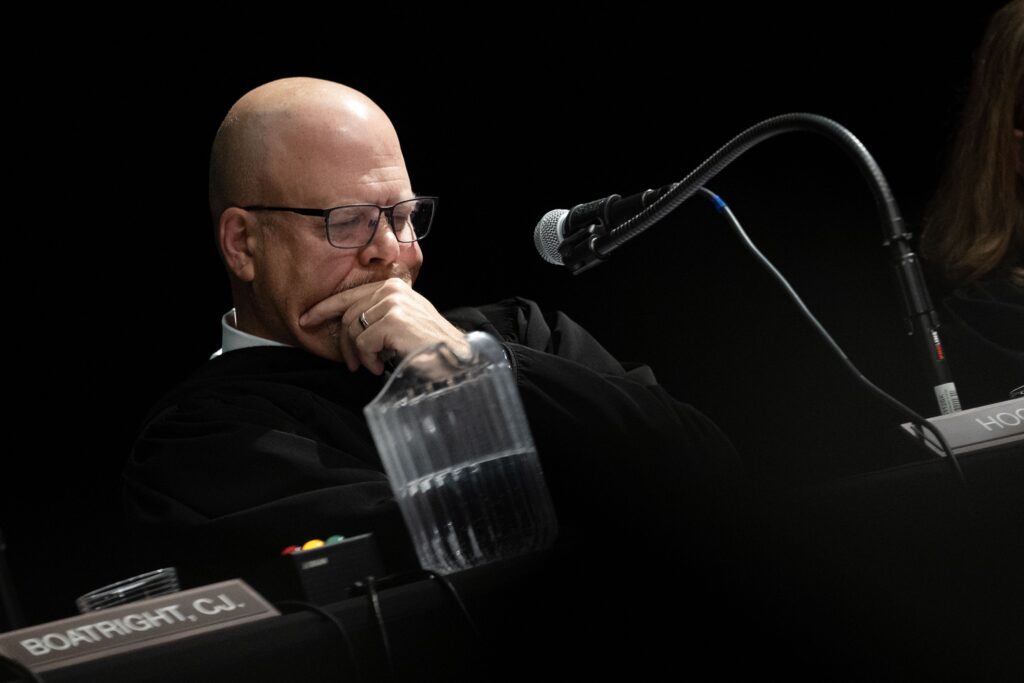
Colorado justices expand ability for civil defendants to avoid participating, win after trial
Michael Karlik
michael.karlik@coloradopolitics.com
Updated 2 hours ago
The Colorado Supreme Court decided on Tuesday that a civil defendant, whose non-participation in the case meant that he legally admitted to the sexual assault allegations against him, could nonetheless prevail after he showed up to testify at trial. A...
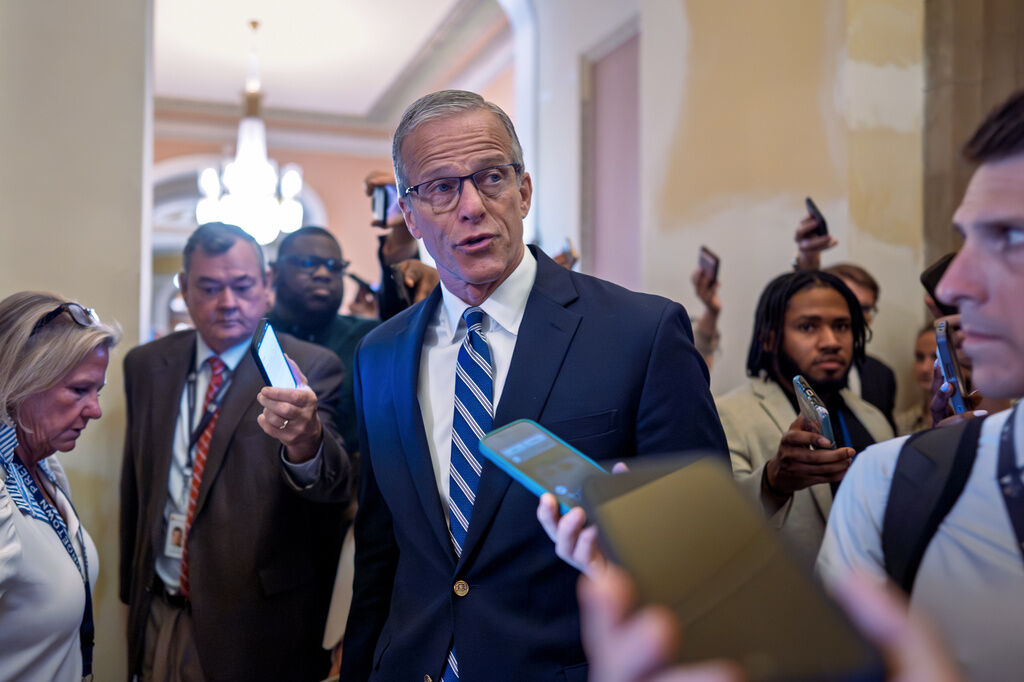
Trump heads to Senate as GOP grows more willing to challenge White House
Naomi Lim
naomi-lim@coloradopolitics.com
Updated 2 hours ago
President Donald Trump normally summons congressional Republicans to the White House, but on Wednesday, he is making a rare trip to Capitol Hill to have lunch with GOP senators. And at least publicly, there is one agenda item. “We’re just...

Trump blasts oil companies for not lowering prices to consumers, accuses them of price gouging
Washington Examiner Staff
washington-examiner-staff@coloradopolitics.com
Updated 2 hours ago
President Donald Trump criticized “big oil companies” for not lowering prices for consumers, even though oil purchase costs have dropped. He accused oil companies of price gouging consumers, ordered the Department of Justice to investigate current practices, and demanded that...
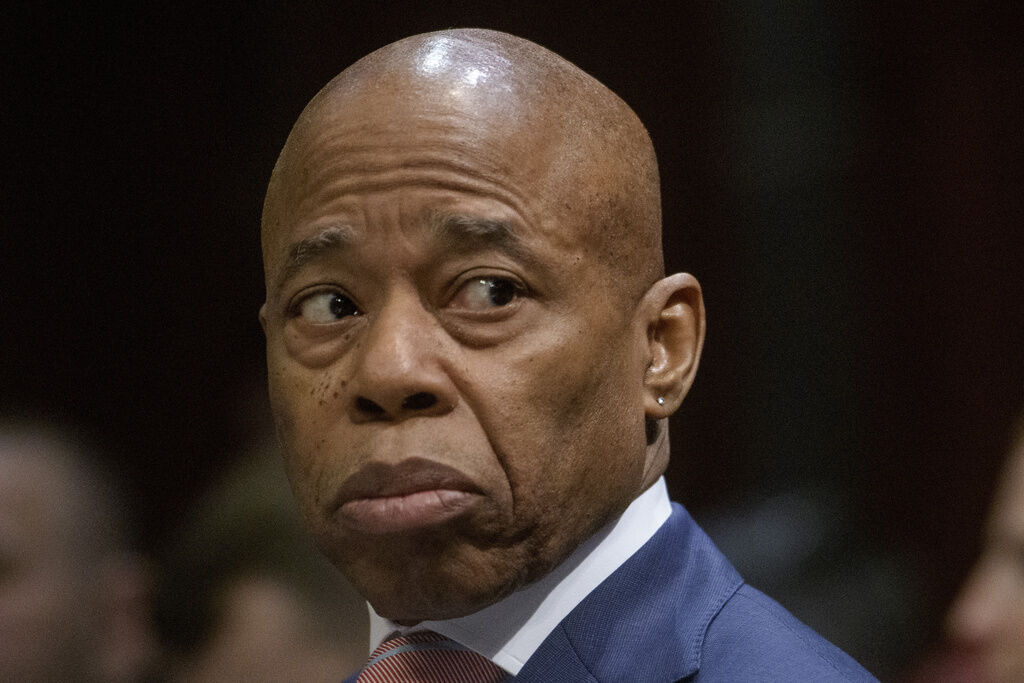
Federal agents arrest ex-New York Mayor Eric Adams’s former chief of staff
Brady Knox
brady-knox@coloradopolitics.com
Updated 2 hours ago
Federal agents arrested former New York Mayor Eric Adams’s chief of staff as part of a wider corruption investigation, according to several outlets. Frank Carone, Adams’s first chief of staff, was reportedly arrested with three others as part of a...

Dispute over nuclear inspections shows how US and Iran are negotiating in public
Jon Gambrell
jon.gambrell@associatedpress.com
Updated 3 hours ago
TOKYO (AP) — The head of the U.N.’s nuclear agency signaled Wednesday that Iranian nuclear enrichment sites would be visited by his inspectors, a key component in the interim U.S.-Iran deal to reach an end to the war. An Iranian...
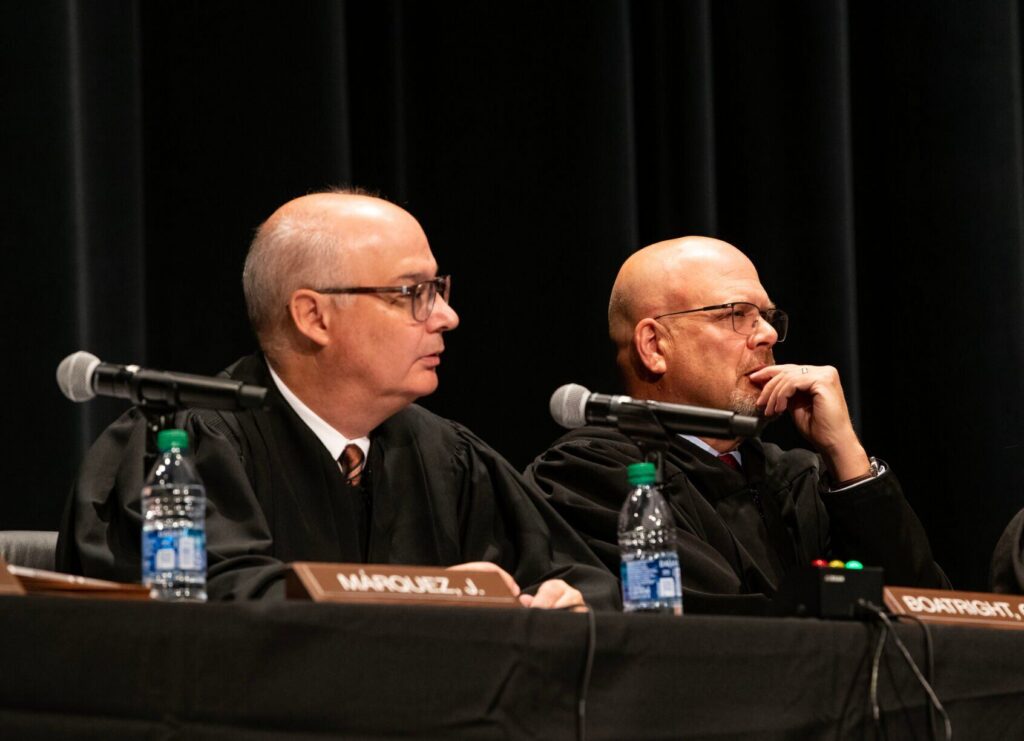
Colorado justices find ability to extend appeal deadline applies equally to prosecutors, defendants
Michael Karlik
michael.karlik@coloradopolitics.com
Updated 3 hours ago
The Colorado Supreme Court decided on Tuesday that prosecutors have the same ability as criminal defendants to freeze their deadline to appeal a trial judge’s ruling when they ask for reconsideration, even though the rules do not explicitly say so....
Colorado’s primary turnout tops 10% as election officials warn it’s too late to mail ballots
Ernest Luning
ernest.luning@coloradopolitics.com
Updated 3 hours ago
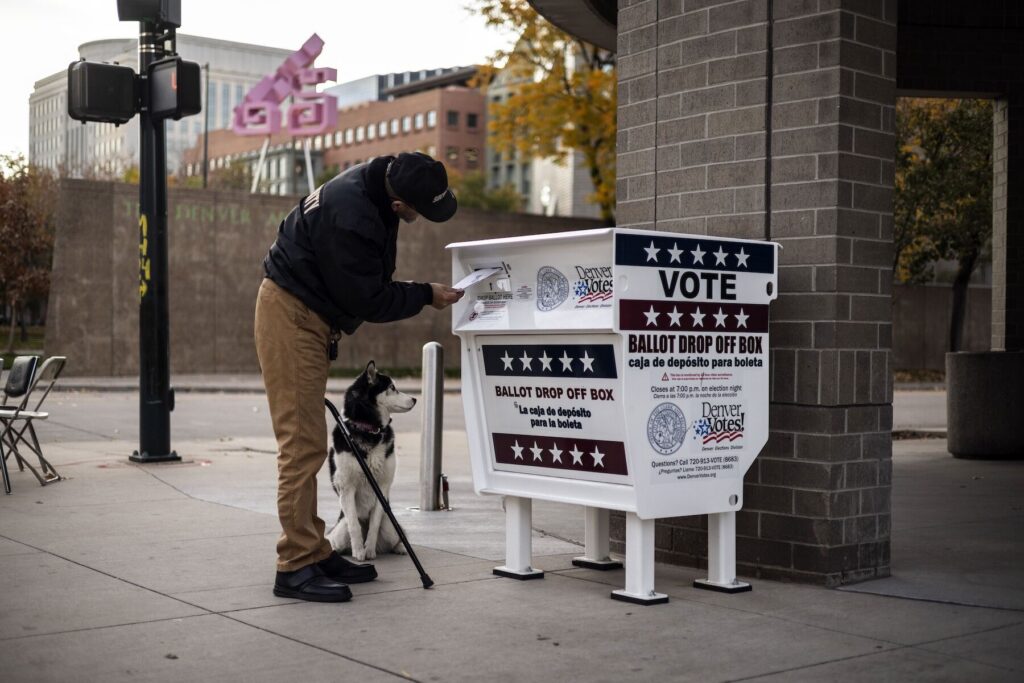
Colorado election officials cautioned on Tuesday that it’s too late to mail ballots for the June 30 primary and urged voters to use drop boxes and their county’s voting centers instead. Secretary of State Jena Griswold said in a release...

We have the chance to change Colorado’s cancer outcomes | PODIUM
Colorado Politics
colorado-politics@coloradopolitics.com
Updated 18 hours ago
By Erika Hanson Brown Colorado ranks among the healthiest states in the nation by nearly every measure. Yet even here — amid the Rocky Mountains and our deeply rooted culture of health and activity — cancer casts a long and...
Colorado justices confirm leaving-the-scene prosecutions require no proof of driver’s knowledge
Michael Karlik
michael.karlik@coloradopolitics.com
Updated 16 hours ago
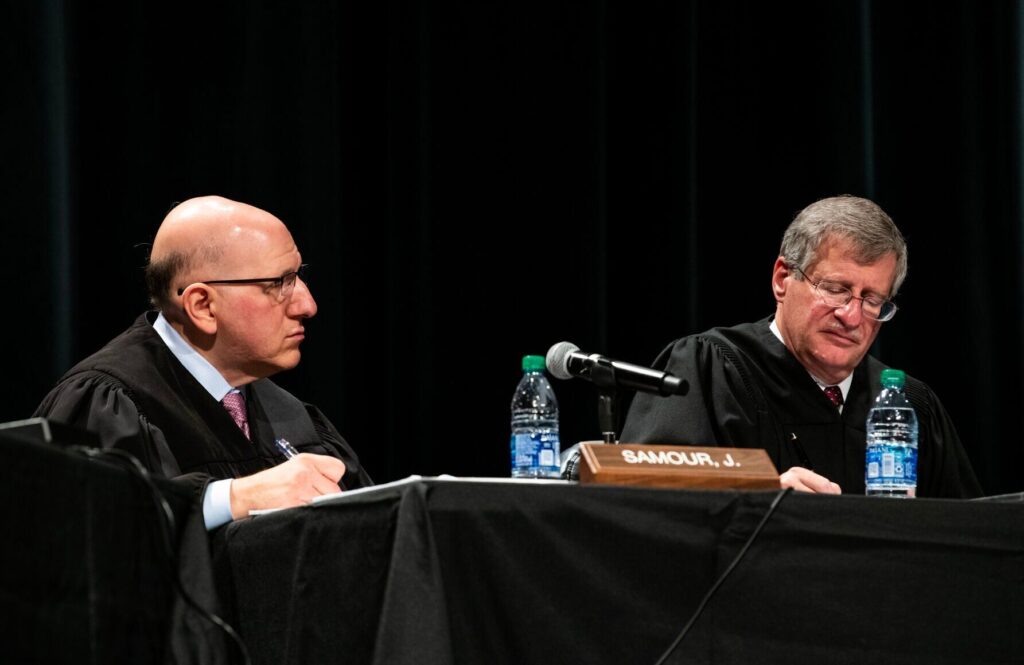
The Colorado Supreme Court confirmed on Tuesday that its 20-year-old decision involving drivers who leave the scene of an accident remains good law and prosecutors do not have to prove that such defendants knew they were involved in an accident....
Aurora sales tax increases will be on November ballot
Kyla Pearce
kyla.pearce@gazette.com
Updated 3 hours ago
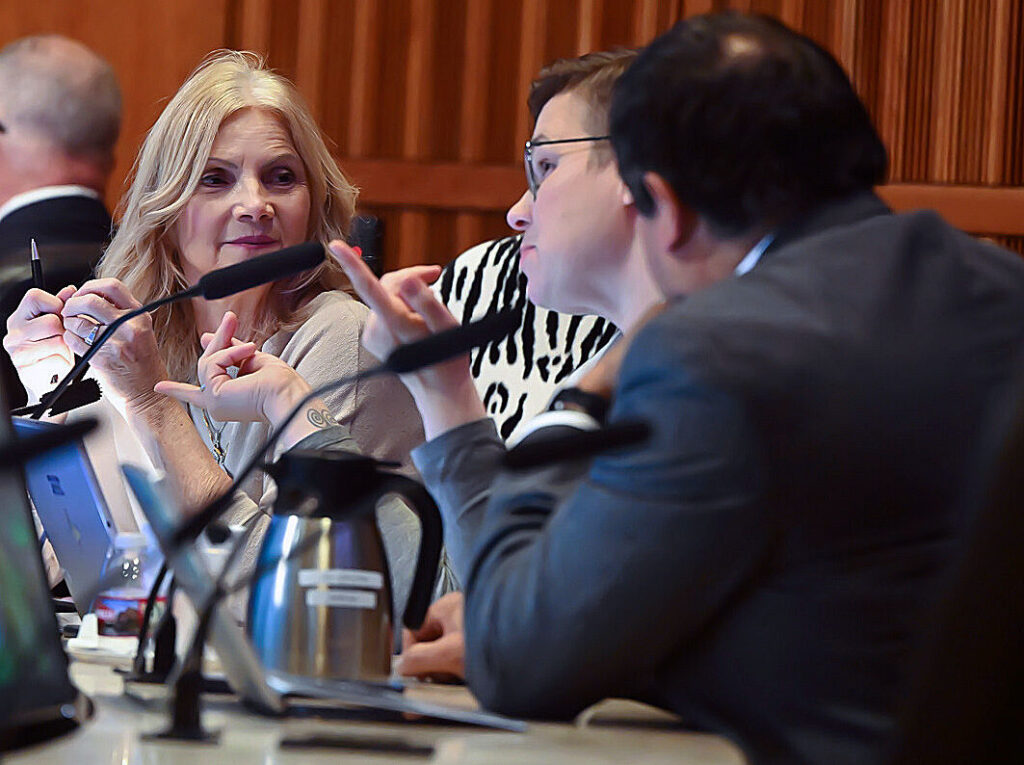
Aurora voters will decide in November whether to raise sales taxes for the first time since 1993 to help pay for infrastructure, transportation and public safety improvements. The City Council cast a final vote Monday night to put three measures...