

Colorado trucking industry leader criticizes lawsuit over ‘impossible’ vehicle emissions standards
The head of a Colorado trucking industry group is voicing worries about the Attorney General’s decision to sue the Environmental Protection Agency over vehicle emissions, stressing that the adopted standards are already “impossible” to meet.
Last week, Colorado Attorney General Phil Weiser announced that he is joining a coalition of states in filing a lawsuit challenging the Trump administration’s use of the Congressional Review Act to prohibit states from adopting stricter emissions standards for certain motor vehicles. California has received federal permission to adopt more stringent standards, with Colorado and other states following suit in adopting emissions standards.
Adopted in 1996, the Congressional Review Act allows Congress to review and overturn new federal agency regulations before they take effect. The Trump administration has invoked the law to block California’s Clean Air Act waiver, which permits the state to set vehicle emissions standards that are more stringent than federal requirements.
Weiser said the Environmental Protection Agency has has already ruled that Clean Air Act waivers are not subject to review under the Congressional Review Act. In what Weiser called a “naked attempt” to circumvent the standard review process, the current EPA submitted the waivers to Congress for review anyway.
Greg Fulton, president of the Colorado Motor Carriers Association, argued that the lawsuit is frivolous, as the emissions standards are nearly impossible for his industry to achieve by the target date.
According to Fulton, California itself hasn’t even met its own emissions standards.
The Colorado Motor Carriers Association has been a strong proponent for emissions reduction and clean energy, he said. Still, the organization has been warning the state about its inability to achieve the California standards since they were first adopted.
“I think what happens is it’s more aspirational goals versus actually realistic objectives,” Fulton said. “I think there was an assumption things would be much further along, and one of the things that’s difficult for folks to understand is when you start looking at smaller vehicles like automobiles, it’s all further along, and you don’t have some of the greater challenges of bigger vehicles. It gets exponentially more difficult.”
Electric semis are still relatively uncommon, Fulton said, and in colder climates like Colorado, they may not even be the best option.
“If I have that truck outside and charged up fully and it drops below freezing, there’s a good chance I’m gonna be around 25% less power than I had,” he said. “On top of that, if I put the heater or defroster on, I’m gonna lose that much more. So, this is not an easy thing to just write off.”
Fulton said he and other industry members told the state there were numerous ways to reduce emissions, such as renewable natural gas, but it appears that electric vehicles took precedence.
Like any new industry, “zero emission” vehicles are constantly evolving, which is another reason why Fulton said he feels the state should focus on other strategies.
“This is one of those things where it almost feels like we’re pushing the string in some ways,” he said. “We’re trying to force this issue too soon, rather than letting it evolve. That doesn’t mean we can’t make substantial emissions reductions.”
“It’s just that certain technologies are gonna take longer,” he said.
Fulton said he’s also wondering why Weiser chose to take up this lawsuit at a time when the state is facing significant financial challenges.
“Why would be spending time and resources on this effort, rather than taking some of that time and resources and saying, ‘Okay, let’s look at these other strategies,’ or a game plan that can actually achieve greater reductions that fits well with this industry at this time?'”
Colorado Politics Must-Reads:

Colorado justices accept appeals on Netflix taxation, children pursuing neglect cases
Michael Karlik
michael.karlik@coloradopolitics.com
Updated 7 hours ago
The Colorado Supreme Court announced on Monday that it will decide whether Netflix subscriptions are subject to the state’s sales tax as “tangible personal property.” At least three of the court’s seven members must agree to hear an appeal. The...
Proposal outlines $300M deal separating Pinnacol from Colorado state government
Marianne Goodland
marianne.goodland@coloradopolitics.com
Updated 8 hours ago
Colorado lawmakers are weighing a proposal that would allow Pinnacol Assurance to sever its remaining ties to the state in exchange for a $300 million payment, a long‑debated shift that supporters say could stabilize the insurer’s future and help plug...
Bill requiring employers to grant unpaid leave to Colorado lawmakers heads to governor’s desk
Marissa Ventrelli
marissa.ventrelli@coloradopolitics.com
Updated 7 hours ago
Colorado lawmakers are one step away from securing guaranteed unpaid leave from their day jobs during the legislative session after the House narrowly approved the proposal Thursday. Senate Bill 087 would require businesses to allow employees who are members of...
Redistricting fight escalates as Colorado Title Board clears competing ballot proposals
Marianne Goodland
marianne.goodland@coloradopolitics.com
Updated 7 hours ago
Colorado’s title board on Wednesday gave final approval to multiple ballot measures related to congressional redistricting, setting up a series of proposals that could alter how the state draws its U.S. House districts for the 2028 and 2030 elections. The...
Trump downplays major reform bill and says housing is ‘all about interest rates’
Zach Halaschak, Washington Examiner
zach.halaschak.washington.examiner@gazetteedit.wpenginepowered.com
Updated 10 hours ago
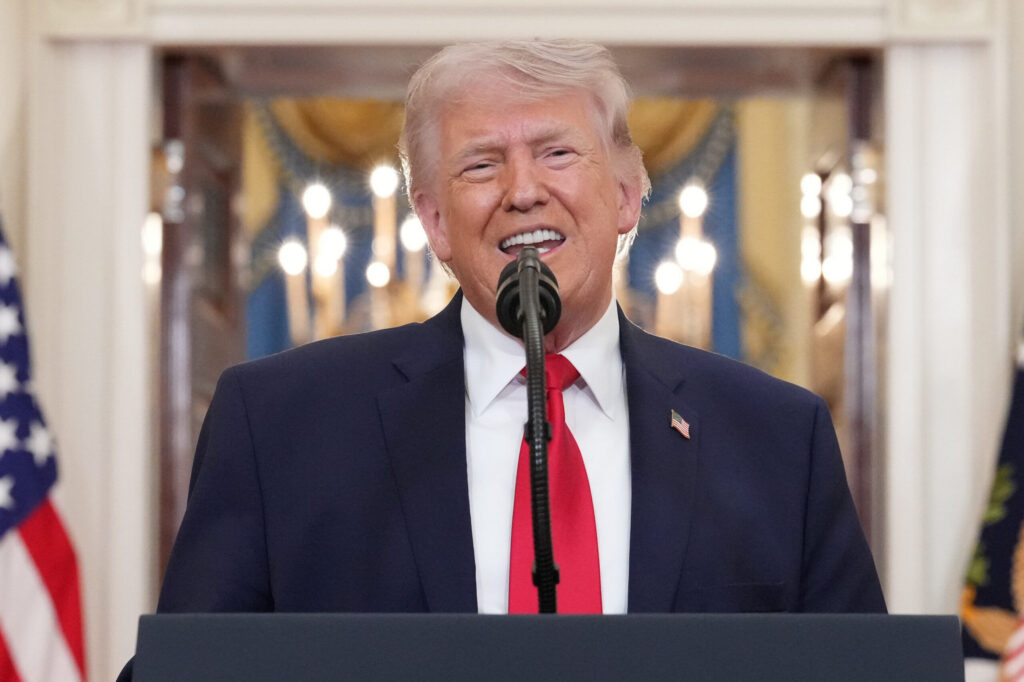
President Donald Trump downplayed the bipartisan housing legislation that many congressional allies hope will ease the affordability worries plaguing voters, saying instead in an exclusive Washington Examiner interview that housing is “all about interest rates.” Trump said on a phone call Thursday morning...
Colorado lawmakers propose deep cuts to close $1.2B budget gap
Marianne Goodland
marianne.goodland@coloradopolitics.com
Updated 6 hours ago
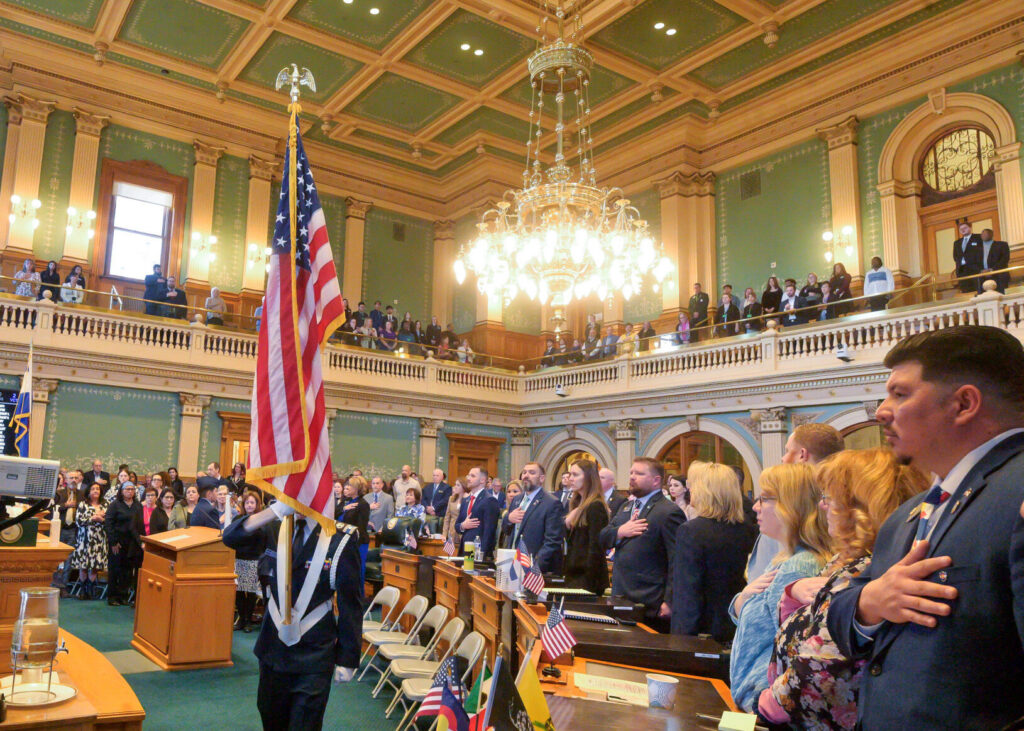
The panel of Colorado legislators in charge of crafting next year’s budget has finalized the 2026–27 spending plan built on deep cuts and one‑time cash transfers in an attempt to close a shortfall of more than $1.2 billion. The plan...
Denver judge denies Gov. Polis request to dismiss ICE-related records case
Marianne Goodland
marianne.goodland@coloradopolitics.com
Updated 10 hours ago
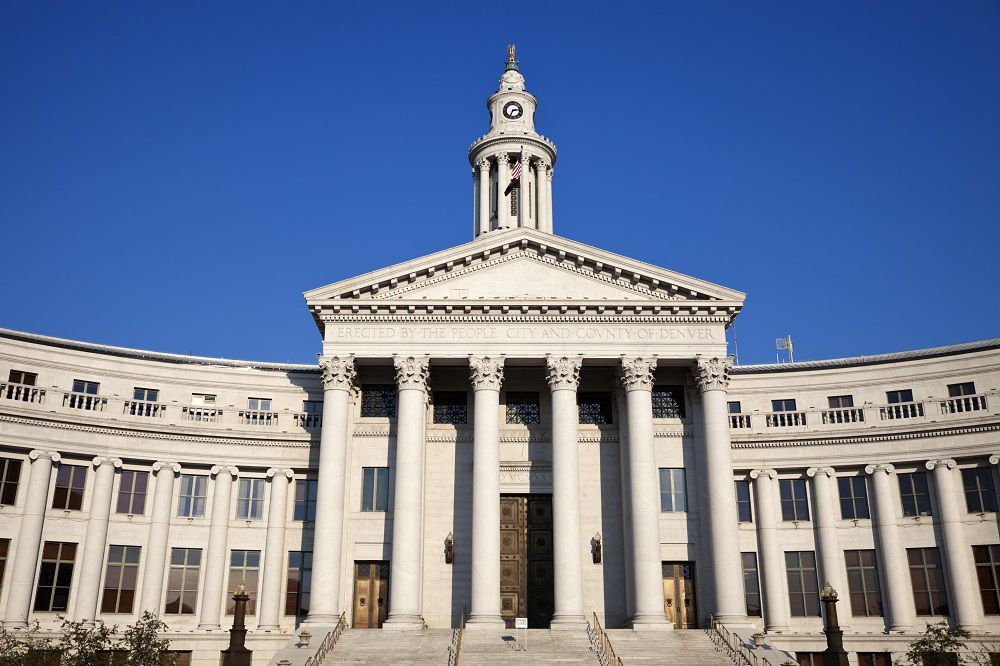
A year after blocking the release of state records to federal immigration agents, a Denver judge has now denied Gov. Jared Polis’ effort to end the lawsuit at the center of the dispute. The lawsuit filed against the governor in...

10th Circuit grants rare all-judges’ review of Colorado banking regulation
Michael Karlik
michael.karlik@coloradopolitics.com
Updated 12 hours ago
The Denver-based federal appeals court announced on Thursday that it will hold a rare all-judges review of a recent decision that permits Colorado to require out-of-state banks to abide by the state’s maximum interest rates when they lend to in-state...
Colorado appeals court orders new sentencing for Tina Peters, upholds convictions
Michael Karlik
michael.karlik@coloradopolitics.com
Updated 6 hours ago
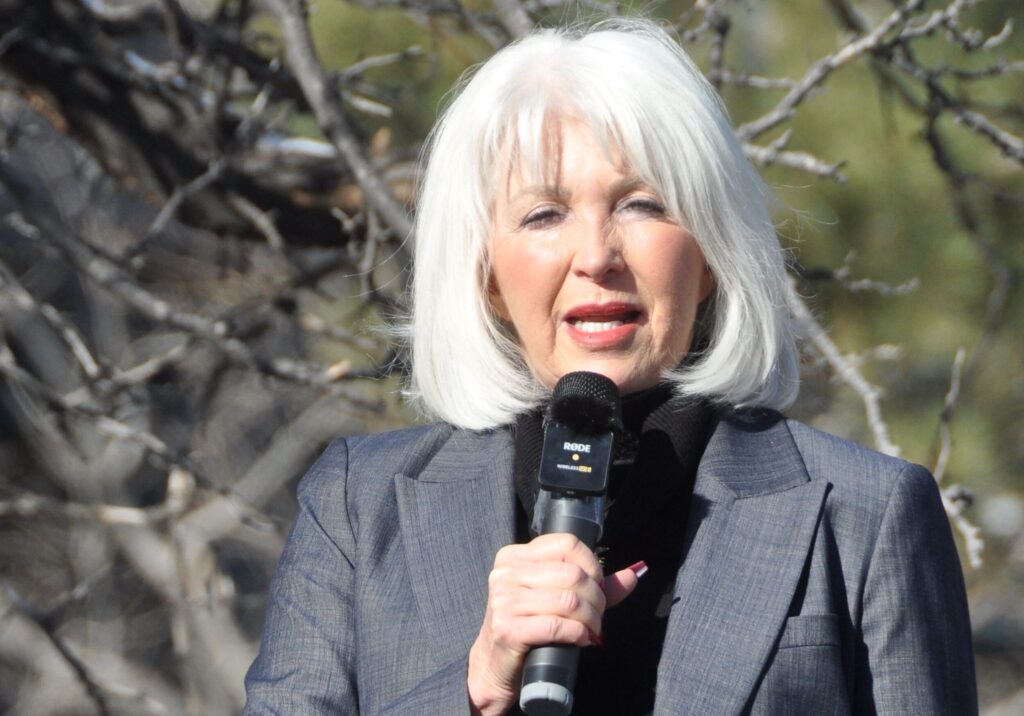
Colorado’s second-highest court determined on Thursday that a trial judge improperly sentenced former Mesa County clerk Tina Peters based upon her exercise of protected speech, while at the same time upholding her convictions. The three-judge Court of Appeals panel also...
Denver promised every school funding from $1B bond — but campuses later closed received far less | Analysis
Nico Brambila
nico.brambila@denvergazette.com
Updated 11 hours ago
Denver voters overwhelmingly approved the largest bond measure in Denver Public Schools history on the promise that every school — including charter campuses — would receive something. And they did. But the nearly $1 billion bond was not distributed evenly....