

Colorado Democrats propose $4 million to defend state against federal actions
Democrats plan to tap $4 million in infrastructure dollars to defend the state against what they described as federal actions that threaten Colorado’s interests but which critics called a blank check to the governor’s office to pursue “frivolous” lawsuits.
The funding will allow the state to hire personnel, including more attorneys at the Department of Law, to represent state officers or employees in federal legal proceedings, including criminal actions, “and other related costs that protect state sovereignty and federal funding streams,” according to the fiscal analysis for House Bill 1321.
The money will come from the last of the unobligated federal dollars in the state’s Infrastructure Investment and Jobs Act Cash Fund.
According to the legislation, the funds would go to the governor’s office, which would use them at his discretion.
The Trump administration announced Wednesday it is suing Maine over its refusal to obey an executive order banning transgender athletes from participating in women’s and girls’ sports. The administration also sought to freeze trillions of dollars in grants, loans and other funding streams to state and local governments and nonprofits.
The cuts were part of a slew of actions by the Trump administration to cut down what it described as a federal government that is too bloated, and where too much money is being lost to waste and fraud. The government has some $36 trillion in debt and ran a $1.8 trillion deficit last year.
Trump officials said the changes need to begin with shrinking the size of the federal bureaucracy. Trump allies also argued that running trillion-dollar deficits means successive federal governments have decided to sacrifice the future stability of generations of Americans in order to pay for today’s spending programs.
Critics said the actions have domestic caused chaos, with people getting laid off and already-allocated funding not reaching their recipients.
HB 1321 won a party-line 43-22 vote in the House on Wednesday, following hours of debate on Tuesday. The bill, which lawmakers debated even as the state is grappling with a $1.2 billion budget hole, now heads to the Senate.
Rep. Ron Weinberg, R-Loveland, said the bill is irresponsible.
“We were told the (infrastructure fund) would be used for roads, bridges, and water systems,” he said.
Instead, he added, the bill uses that money as a blank check to the governor’s office; taxpayers expected roads, not frivolous lawsuits, he said.
“There are no guardrails, no oversight. It’s a misuse of taxpayer dollars,” he said.
He said: “This is not about protecting Colorado’s sovereignty. It’s about protecting power.”
In a statement Wednesday, House Speaker Julie McCluskie, D-Dillon, one of the bill’s prime sponsors, said the measure isn’t about Democrats or Republicans.
“It’s about standing up for Colorado and protecting our taxpayers from federal actions that threaten health care, early childhood education, water infrastructure, and public safety,” she said. “Coloradans pay more in federal taxes than we receive back in federal funding. We deserve to have our federal dollars working for us in Colorado.”
McCluskie’s statement noted that the Trump administration, through the recommendation of the Department of Government Efficiency, at one point froze more than $570 million in federal funding to Colorado.
While most of the funding was restored by a federal judge, more than $69 million in public safety grants are still being withheld. Of the $177 million awarded to Colorado through the Inflation Reduction Act to address drought in the Colorado River Basin, most funds remained frozen, including $25.6 million for critical water projects in southwestern Colorado and $40 million* for the Shoshone water rights that the Colorado River Water Conservation District and its partners are purchasing from Xcel Energy.
During a three-hour debate on HB 1321 Tuesday, Minority Leader Rep. Rose Pugliese, R-Colorado Springs, sought to amend how the dollars would be spent.
“It should not be unchecked power” by the governor’s office, she said.
As the bill currently states, her amendment would have made the money subject to an annual appropriation, instead of being rolled over every year until 2028.
The Joint Budget Committee tackled the move toward requiring annual appropriations on cash funds this month during its budget work. The JBC sponsored a bill now on its way to the governor to require certain cash funds to be annually allocated.
Beyond their core objections to the measure, Republicans questioned why the fund would be housed in the governor’s office, instead of the Attorney General’s Office, given that the funds are primarily for legal services.
Co-sponsor Rep. Shannon Bird, D-Westminster, pointed out that the funds would also be used for assistance with grant management and responding to federal inquiries that do not require legal services.
“Adverse actions are coming,” said Rep. Bob Marshall, D-Highlands Ranch, adding the state will need to defend its interests in court, which costs money.
“In three months, we’ve seen the most unlawful administration in U.S. history … We know there will be unlawful attempts to withhold money from our state.”
Editor’s note: A previous version listed an incorrect amount of federal funding for the Shoshone project.

Colorado’s federal judges maintain approach to immigration detentions while escalating warnings
Michael Karlik
michael.karlik@coloradopolitics.com
Updated 4 hours ago
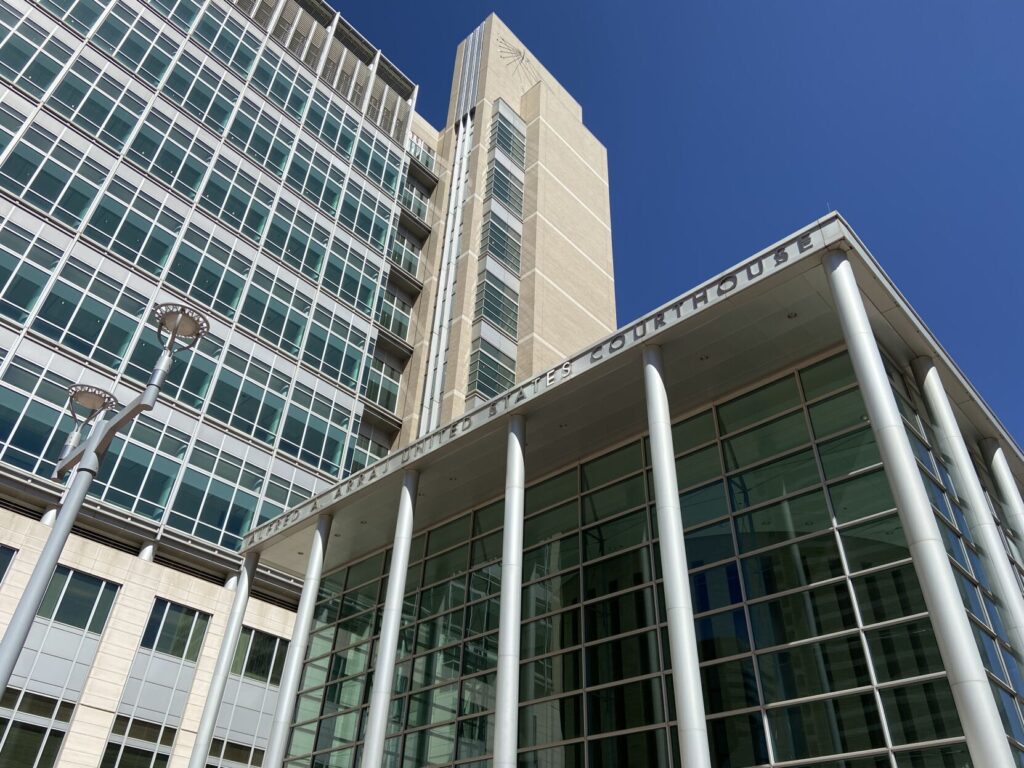
Colorado’s federal judges are maintaining their view that the government’s assertion of broad immigration detention authority is unlawful, casting aside a recent appellate decision to the contrary as “unpersuasive” and out of step with the predominant interpretation by the judiciary....
In a meeting Colorado GOP chair Brita Horn calls ‘illegal,’ Republicans vote to demand her resignation
Ernest Luning
ernest.luning@coloradopolitics.com
Updated 5 hours ago
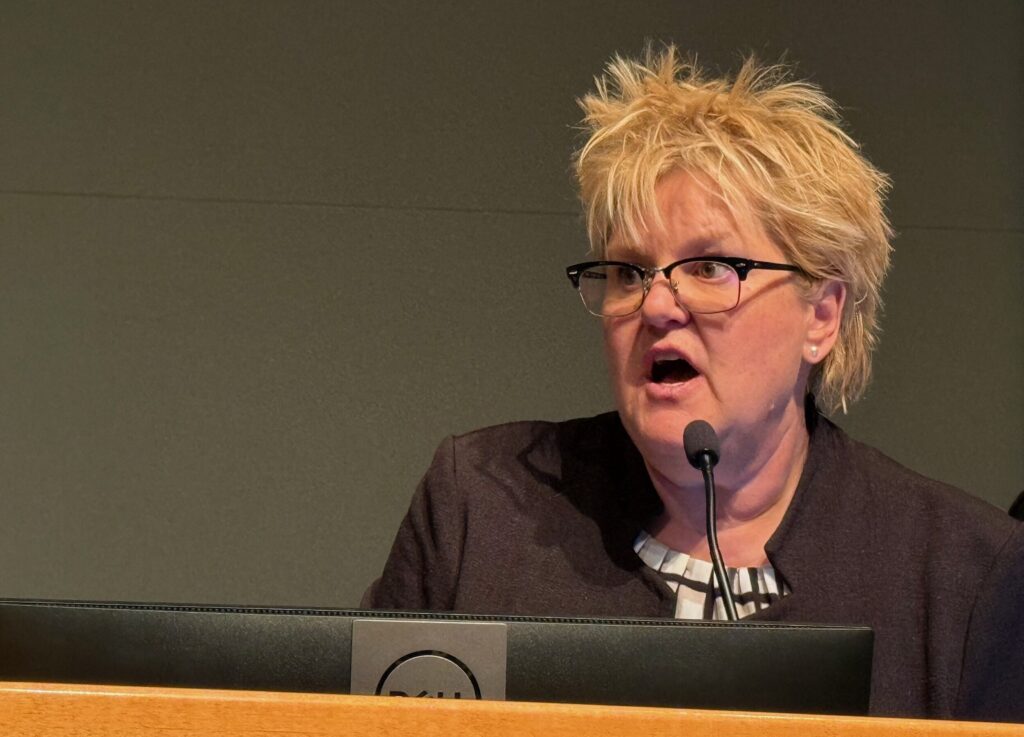
Roughly half the membership of the Colorado Republican Party’s state central committee on Saturday voted overwhelmingly to approve a resolution expressing “no confidence” in state GOP Chairman Brita Horn’s leadership and calling for her immediate resignation in an online meeting...

Colorado Medicaid probe uncovers millions of dollars in alleged transport fraud ring
Nico Brambila
nico.brambila@denvergazette.com
Updated 9 hours ago
Colorado Medicaid officials detected $25 million in abnormal billing over just four months two years ago — a surge that prompted a new state law and the suspension of dozens of providers in what authorities now describe as an organized...
One small step for dialing back the partisanship | SONDERMANN
Eric Sondermann
eric-sondermann@coloradopolitics.com
Updated 3 days ago
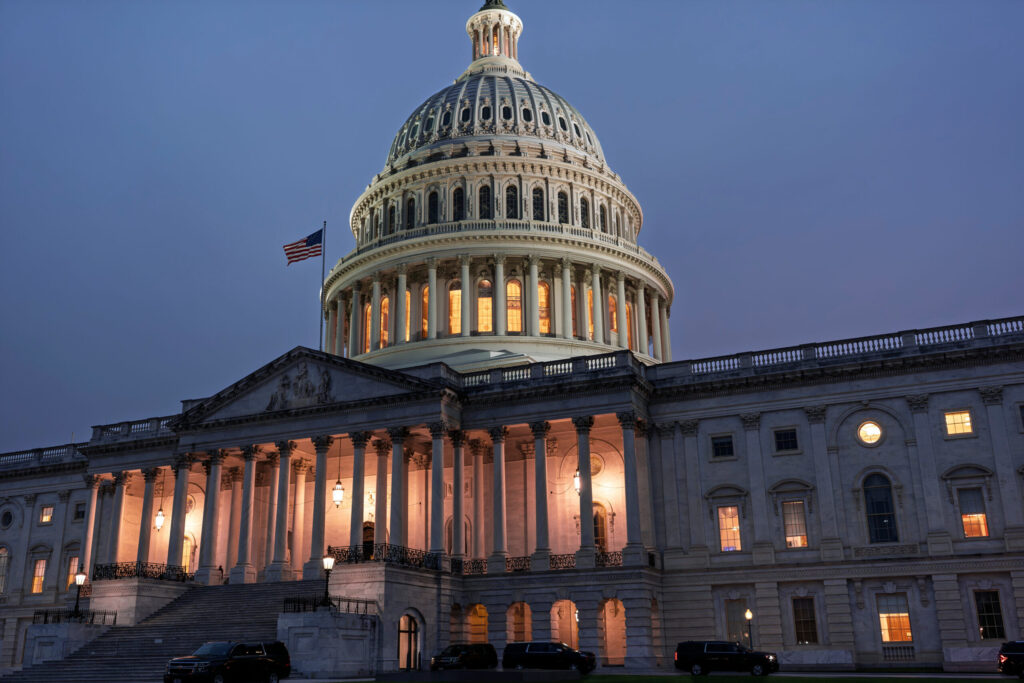
Much ink, including a good deal of my own, has been spilled on the excesses of super-charged, toxic partisanship in this current era. Except for true believers along with those who profit from this all-consuming poison, there is broad agreement...
Greeley voters to decide fate of project that includes minor league hockey arena
Hap Fry, Special to The Gazette
hap-fry@gazette.com
Updated 10 hours ago
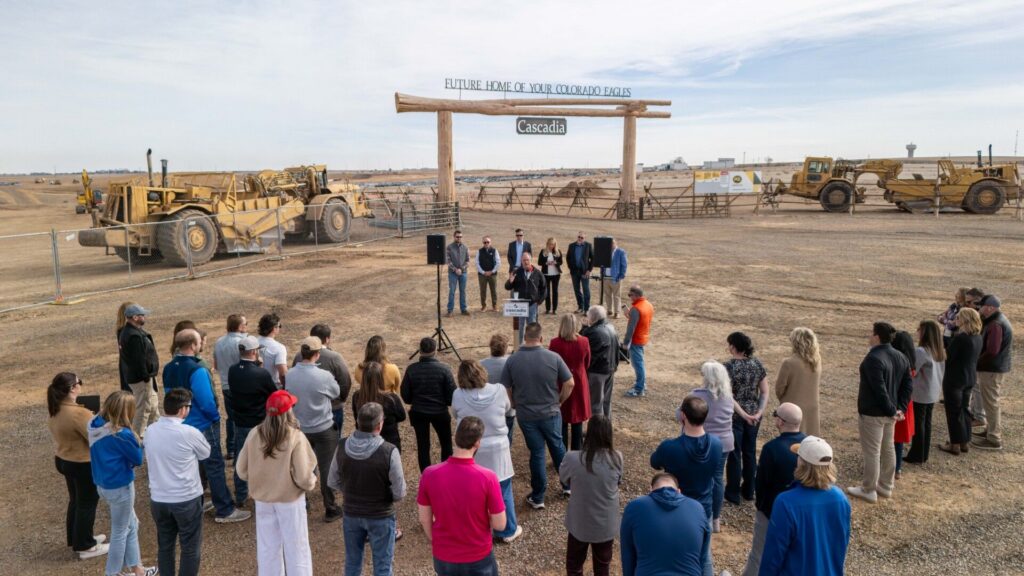
GREELEY • The fate of the Cascadia development — and quite possibly the future direction of the city — is in the hands of Greeley voters this Tuesday during a special city election on whether the landscape-altering project should be...

Colorado Politics Calendar Feb. 23-Mar. 1
Rachael Wright, Special to Colorado Politics
rachael.wright@coloradopolitics.com
Updated 4 days ago
CoPo’s weekly political calendar helps you find political and public policy events throughout Colorado. It includes candidate and issue campaign events, public policy meetings, court hearings, state and local party conventions, assemblies, debates, rallies, parades, speaking engagements, traveling dignitary appearances,...
Meeker rancher leads one of Colorado’s earliest attempts to transfer federal lands | A LOOK BACK
Rachael Wright, Special to Colorado Politics
rachael.wright@coloradopolitics.com
Updated 3 days ago
Forty-Five Years Ago This Week: Former state Rep. Nick Theos, R-Meeker, was one of several people testifying before the Senate Agriculture Committee on Senate Bill 81-170, which would transfer ownership of public lands from the federal government to state control....
Democrats Michael Bennet, Phil Weiser make their cases to be Colorado’s next governor ahead of primary
Ernest Luning
ernest.luning@coloradopolitics.com
Updated 2 days ago
Nearly eight months before ballots will be counted in Colorado’s race for the its open gubernatorial seat, voters are lining up behind two of the state’s leading Democrats, who are facing off in a primary that will likely determine which...
Colorado GOP officers set competing meetings to hold ‘no-confidence’ votes on state chair Brita Horn
Ernest Luning
ernest.luning@coloradopolitics.com
Updated 1 day ago
Once again, members of the Colorado Republican Party’s central committee have scheduled separate, competing meetings to consider whether the state GOP’s governing body supports its chair, but this time neither meeting will be held under a bridge. State GOP Chair...
Colorado Democratic candidate submitted 1,600 signatures — only 29 were valid
Marianne Goodland
marianne.goodland@coloradopolitics.com
Updated 5 hours ago
When he turned in some 1,600 signatures last month, Eric Nelson said it demonstrated “strong grassroots support from voters” across the district and a “growing momentum” for his “inclusive, community-centered leadership.” On Thursday, the Secretary of State rejected Nelson’s petition...