

Advocates for wolf reintroduction repeal in Colorado fall short of fundraising goals
The first fundraising report from a group backing the repeal of Colorado’s wolf reintroduction program on the 2026 ballot fell dramatically short of its initial fundraising goals.
The group sought to raise $200,000 by March 31 but only secured a fraction of that amount.
On Feb. 6, an email from the group called Advocates for Smart Wolf Policy pleaded for $100,000 in contributions by Feb. 28, as proponents prepared for the ballot measure to go before the state’s Title Board, which reviews petitions and ballot titles. That fundraising deadline was “extended” when it failed to reach the goal, and on March 6, the group upped the goal to $200,000 by March 31, the end of the reporting period.
The first campaign finance report shows the group raised $29,000 in the committee’s first three months and spent more than $11,000. Two donations, just over $2,600 and $2,500, came from former CU President Bruce Benson.
Of the $11,311 spent, all but $1,001 went to Patrick Davis Consulting. Davis heads Advocates for Smart Wolf Policy.
The group has two proposals: Initiative #13 seeks to end the wolf reintroduction program on Dec. 31, 2026. Proponents can officially work on gathering signatures for this initiative.
The signatures to start the qualification process are due on Aug. 27.
The other, initiative #35, has been challenged by the Title Board for violating a state law requiring ballot initiatives to address only a single subject.
Also on Tuesday, a coalition that includes commissioners from six Western Slope counties, Colorado Cattlemen’s Inc., ranchers and producers, conservationists and others called again to halt the initiatives.
This group, which includes county commissioners from six counties, sent Davis a letter in March.
That effort has expanded in the past month to include the cattlemen’s group, Club 20, the Associated Governments of Northwest Colorado, and stockgrowers’ groups from Mesa and Grand counties, as well as the Holy Cross Cattlemen’s Association. This regional group represents Western Slope producers.
It follows a similar call to halt the ballot measure from the Colorado Wildlife Conservation Project last week, a coalition of 22 groups representing hunters, anglers, and wildlife conservation organizations.
The April 15 letter to Davis had noted the fundraising challenges.
“We are concerned about the campaign’s ability to secure the necessary resources to succeed on the ballot in 2026,” the letter said.
The letter said it is sometimes appropriate to push a social message “for the sake of messaging,” but the repeal campaign runs the risk of “significant” social and political consequences. A failed effort could affect ongoing policy efforts and undermine the public opinion support ranchers and landowners have received, the letter said.
Observers have pointed to a potential shift in public opinion. Notably, they noted the three ballot measures related to animals that failed last November. The measures sought to ban trophy hunting of mountain lions and bobcats, bar fur sales in Denver, and shutter the city’s only meat-processing facility.
The letter to Davis said the stakeholders are not unified.
“It doesn’t bode well for a successful campaign when key stakeholders are not unified,” the letter said. “We maintain that any meaningful discussion about a potential end to the gray wolf reintroduction must include those who have been engaged in these efforts since the passage of Proposition 114.”
Davis has denied that in the past, telling Colorado Politics he has met, texted, or held Zoom meetings with some of the signatories and groups, including Tom Harrington, board president of the Colorado Cattlemen’s Association and a more recent meeting with Jackson County ranchers and hunters. In his fundraising emails, he’s referred to opponents of the ballot measures as “Polis’ Progressive Wolf Advocates” and “lawyer-lobbyists.”
In a news release tied to the letter, Harrington said: “The production industry is a major economic driver of Colorado’s economy, contributing more than $4.75 billion annually and supporting over 30,000 jobs, yet it continues to be sidelined in decisions that directly affect its future. For policy to be effective, it must include the people on the ground. Without proactive engagement, this initiative falls short, creating greater conflicts rather than viable solutions.”
Davis told Colorado Politics Tuesday that Smart Wolf Policy is “grateful for the hundreds of grassroots donors who will fund this effort to end gray wolf introduction in Colorado.”


Colorado’s federal judges maintain approach to immigration detentions while escalating warnings
Michael Karlik
michael.karlik@coloradopolitics.com
Updated 55 minutes ago
Colorado’s federal judges are maintaining their view that the government’s assertion of broad immigration detention authority is unlawful, casting aside a recent appellate decision to the contrary as “unpersuasive” and out of step with the predominant interpretation by the judiciary....
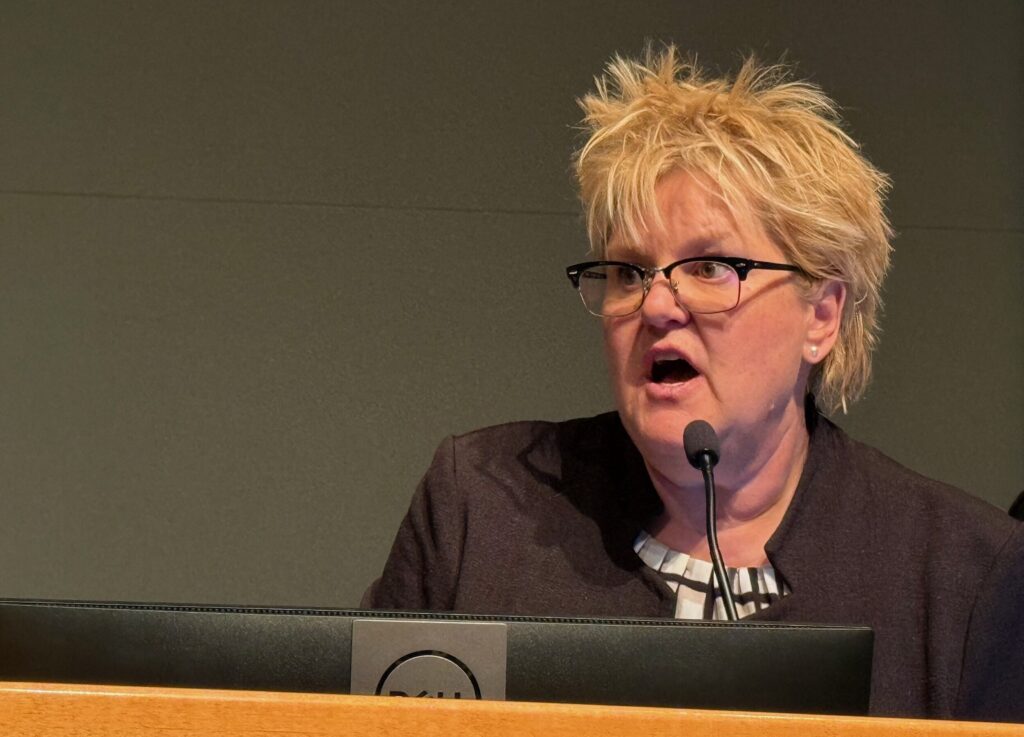
In a meeting Colorado GOP chair Brita Horn calls ‘illegal,’ Republicans vote to demand her resignation
Ernest Luning
ernest.luning@coloradopolitics.com
Updated 3 hours ago
Roughly half the membership of the Colorado Republican Party’s state central committee on Saturday voted overwhelmingly to approve a resolution expressing “no confidence” in state GOP Chairman Brita Horn’s leadership and calling for her immediate resignation in an online meeting...

Colorado Medicaid probe uncovers millions of dollars in alleged transport fraud ring
Nico Brambila
nico.brambila@denvergazette.com
Updated 6 hours ago
Colorado Medicaid officials detected $25 million in abnormal billing over just four months two years ago — a surge that prompted a new state law and the suspension of dozens of providers in what authorities now describe as an organized...
One small step for dialing back the partisanship | SONDERMANN
Eric Sondermann
eric-sondermann@coloradopolitics.com
Updated 2 days ago
Much ink, including a good deal of my own, has been spilled on the excesses of super-charged, toxic partisanship in this current era. Except for true believers along with those who profit from this all-consuming poison, there is broad agreement...
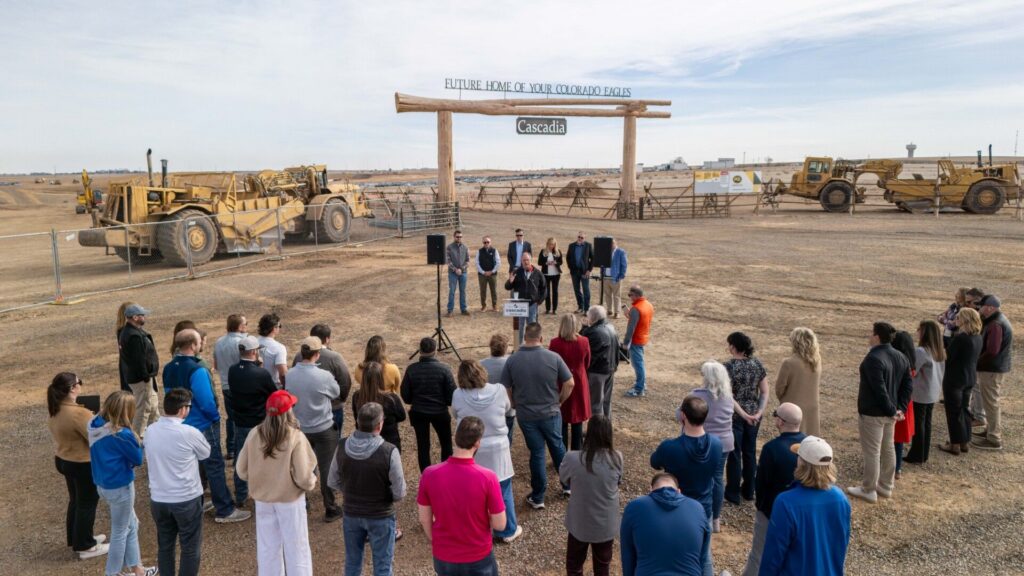
Greeley voters to decide fate of project that includes minor league hockey arena
Hap Fry, Special to The Gazette
hap-fry@gazette.com
Updated 7 hours ago
GREELEY • The fate of the Cascadia development — and quite possibly the future direction of the city — is in the hands of Greeley voters this Tuesday during a special city election on whether the landscape-altering project should be...

Colorado Politics Calendar Feb. 23-Mar. 1
Rachael Wright, Special to Colorado Politics
rachael.wright@coloradopolitics.com
Updated 3 days ago
CoPo’s weekly political calendar helps you find political and public policy events throughout Colorado. It includes candidate and issue campaign events, public policy meetings, court hearings, state and local party conventions, assemblies, debates, rallies, parades, speaking engagements, traveling dignitary appearances,...
Meeker rancher leads one of Colorado’s earliest attempts to transfer federal lands | A LOOK BACK
Rachael Wright, Special to Colorado Politics
rachael.wright@coloradopolitics.com
Updated 2 days ago
Forty-Five Years Ago This Week: Former state Rep. Nick Theos, R-Meeker, was one of several people testifying before the Senate Agriculture Committee on Senate Bill 81-170, which would transfer ownership of public lands from the federal government to state control....
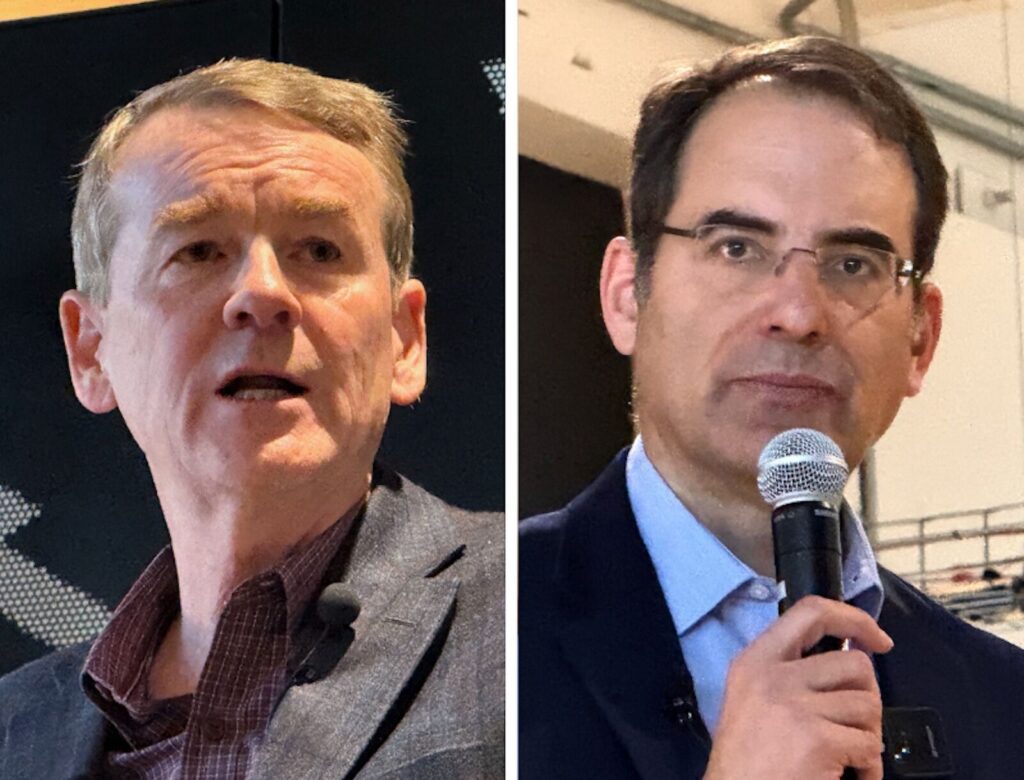
Democrats Michael Bennet, Phil Weiser make their cases to be Colorado’s next governor ahead of primary
Ernest Luning
ernest.luning@coloradopolitics.com
Updated 2 days ago
Nearly eight months before ballots will be counted in Colorado’s race for the its open gubernatorial seat, voters are lining up behind two of the state’s leading Democrats, who are facing off in a primary that will likely determine which...
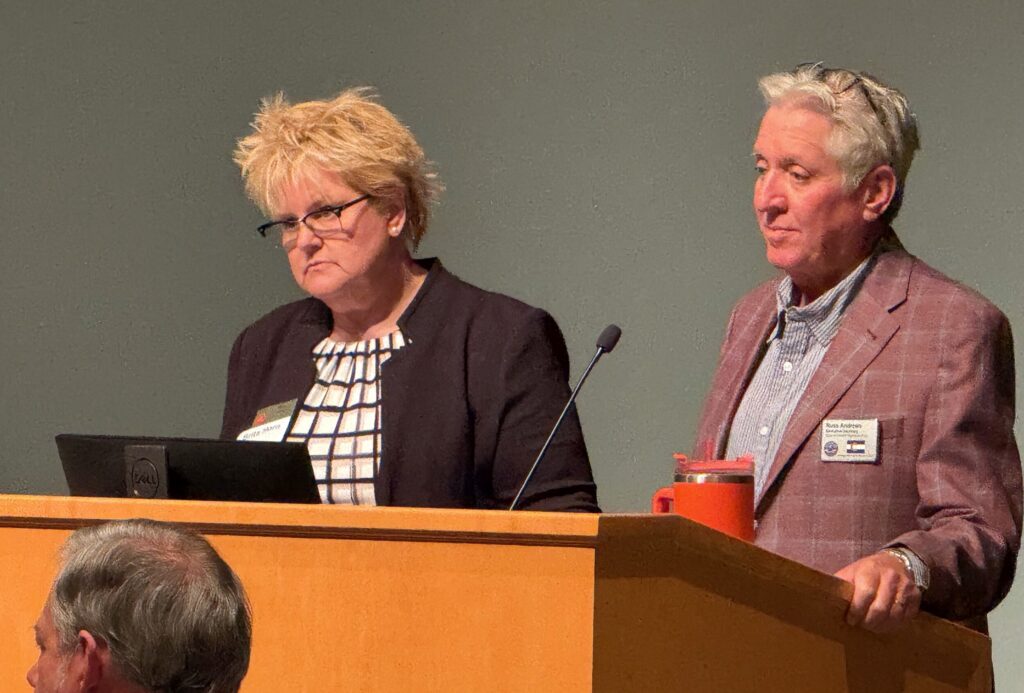
Colorado GOP officers set competing meetings to hold ‘no-confidence’ votes on state chair Brita Horn
Ernest Luning
ernest.luning@coloradopolitics.com
Updated 23 hours ago
Once again, members of the Colorado Republican Party’s central committee have scheduled separate, competing meetings to consider whether the state GOP’s governing body supports its chair, but this time neither meeting will be held under a bridge. State GOP Chair...
Colorado Democratic candidate submitted 1,600 signatures — only 29 were valid
Marianne Goodland
marianne.goodland@coloradopolitics.com
Updated 3 hours ago
When he turned in some 1,600 signatures last month, Eric Nelson said it demonstrated “strong grassroots support from voters” across the district and a “growing momentum” for his “inclusive, community-centered leadership.” On Thursday, the Secretary of State rejected Nelson’s petition...