

Colorado’s hot springs are growing and flowing with major investments
A few years before the COVID-19 pandemic, Chris McLaughlin’s outlook on life had already shifted.
His mom had died. Soon after, he lost a close friend to cancer.
“I was in Chicago working seven days a week,” McLaughlin recalled. Tragedy made him think: “Where am I really finding joy and peace, and being able to restore myself? That’s how I ended up here in Colorado.”
He ended up at Desert Reef Hot Springs, a little-known oasis near Florence that has transformed under his ownership. McLaughlin acquired the property in 2020 — just as an industry boom in Colorado coincided with a shift in the collective conscience.
Desert Reef’s additional pools and quirky overnight accommodations (tiny homes and Airstreams) are modest compared with expansions that have swept Colorado’s soaking scene in the wake of the pandemic.
Major expansion debuting at famed Colorado hot springs resort
Around Florence, a small group of healthy-living, nature-seeking people had long known about Desert Reef’s geothermal, mineral-rich waters. Now more outsiders are in-the-know, often reserving daily soaking and overnighting slots. They are outsiders not so unlike McLaughlin was, thinking more about peace and healing.
Maybe, he thinks, there are social reasons to go with economic realities that saw more breweries close than open in Colorado last year, as reported by the industry for the first time in decades.
“People are drinking less and focusing more on restorative activities,” he says. “So I’m really glad to see all this development across the state.”
That includes a $75 million investment about to be revealed in Pagosa Springs.
This month, The Springs Resort is set to debut 27 more soaking pools, 78 more hotel rooms and a two-story spa combining to be what one resort executive called “a defining moment for hot springs wellness in the U.S.” The expansion essentially doubles the resort’s presence along a steamy stretch of the San Juan River.
“This was something tossed around prior to COVID,” said Jesse Hensle, the resort’s vice president of marketing. “And then COVID came and hit us in the face.”
COVID came not long after Bryan Yearout and two partners acquired Trimble Hot Springs elsewhere in southwest Colorado. They renamed the place for the home town, Durango Hot Springs — better for web hits and marketing, they figured — while reportedly spending around $15 million on dozens of pools and upgrades.
The old Trimble Hot Springs saw about 17,000 visitors a year, Yearout said. “This year, we passed 220,000.”
In Steamboat Springs, Old Town Hot Springs is adding more pools to meet more people. Results of a $10 million capital campaign are anticipated this summer.
Previously, Glenwood Hot Springs Resort celebrated the largest expansion in its 135 years: Yampah Mineral Baths were the next attraction announced last year, following family fun zones and other amenities. Announced at the start of this year: a major remodel at the historic lodge and a soon-to-come boutique hotel.
On the other side of Glenwood, Iron Mountain Hot Springs has added 13 more pools along the Colorado River. And while Desert Reef and Durango Hot Springs have been among reimagined destinations in recent years, an entirely new one opened in 2024: Charlotte Hot Springs near Buena Vista.
Glen Merrifield opened the small counterpart to nearby Cottonwood Hot Springs, finally harnessing the water his family tapped a century ago.
“I could see what Cottonwood Hot Springs did, how packed they were,” Merrifield said in a previous interview. “I thought, Gee, I’m probably missing out here.”
Indeed, Yearout and his Durango partners are far from alone in their spending.
“I think they’re all gonna be able to have a nice ROI,” Yearout said. “It’s a growing business, not a stagnating business.”
The United States’ hot springs market has grown 8.1% from 2019-2023, according to the Global Wellness Institute. That rate is tops in the world, as listed in the latest economic monitor by the institute, which places the national market at $1.24 billion.
While the world’s most robust, most historic hot springs markets have declined since the pandemic — China, Japan and Germany — the institute’s 2024 report suggests a soaking renaissance continues in America. The national market’s year-to-year growth was tracked at 16.3%, below the 24% boom between 2020 and 2022 but still considered strong. And continued “steady and strong” growth is forecast as more soaking establishments continue to be counted.
The latest Global Wellness Economy Monitor tallies 402 establishments in North America — a small fraction compared with Asia and Europe.
But “many consumers from places that do not have the tradition of water treatments or public bathing are discovering the therapeutic benefits of thermal waters, saunas and cold plunges,” the economic report reads.
The benefits are steeped in Indigenous cultures around the world, including in Colorado. “Pagosa,” the town said to be home to the world’s deepest hot spring, is derived from a Ute term meaning “healing waters.” Yampah — as in the source spring of Glenwood and the Yampa River through Steamboat Springs — has been translated from “Big Medicine.”
Those are stories still being learned in a state and country that is young compared with soaking populations in Asia and Europe.
“They have such a long history of it in their cultures. We are definitely playing catch-up here in the U.S.,” said Sharon Holtz, The Springs Resort’s vice president of wellness.
And yet parts of modern Colorado were built on hot springs, or at least partially.
Just as Pagosa gained fame during westward expansion, so too did Glenwood, putting itself on the map with a hot springs-fed pool that is said to be the world’s largest. Amid the spread of tuberculosis, people from far flocked to those towns and others like Steamboat and Manitou Springs that claimed antidotes flowing from Earth.
Yearout has studied history to know of the trend following World War II.
“Then 20 or 30 years ago, people were going, but it was kind of that real earthy person,” Yearout said. “Now it’s a lot more upscale, more of that medium- to high-wage earner that is looking at this as an experience.”
And he sees the market expanding with urban developments. WorldSprings and Therme are two companies that have built or announced plans to build thermal baths in cities such as Dallas and Washington, D.C. — “manufactured hot springs,” Yearout called them.
“I think those are gonna be really good at getting the masses in the big cities to understand what a soaking experience is like,” he said. “It will really help our small towns when people are looking for somewhere to go.”
WorldSprings partnered with Iron Mountain Hot Springs on the recent expansion there along the Colorado River. Visitation has reportedly grown upwards of 40% since 2015, when Iron Mountain opened.
“Obviously it got our attention,” said Loretta Ayala, the longtime manager at the historic Glenwood Hot Springs Resort.
Perhaps the timing of the resort’s historic expansion is no coincidence — in line with competition that seems to be heating up across the state’s hot springs. “They’re all just trying to keep up,” Ayala said.
Nothing wrong with that, she added. “I think there’s more room for healthy competition.”
As Hensle said at The Springs Resort: “A rising tide lifts all ships.”
It seems a rising interest in hot springs in general has led more people to Desert Reef near Florence.
McLaughlin proudly calls it “a small desert hideaway.” And he sounds set on keeping it that way, with reservations aimed at capping visitors and ensuring solitude, maintaining the old spirit of the place.
But he’s thinking about adding more spa elements. And maybe a cold plunge. And maybe “a few more accommodations,” he said.
“Not looking to get too big,” he said, “but we’re just at capacity every weekend.”

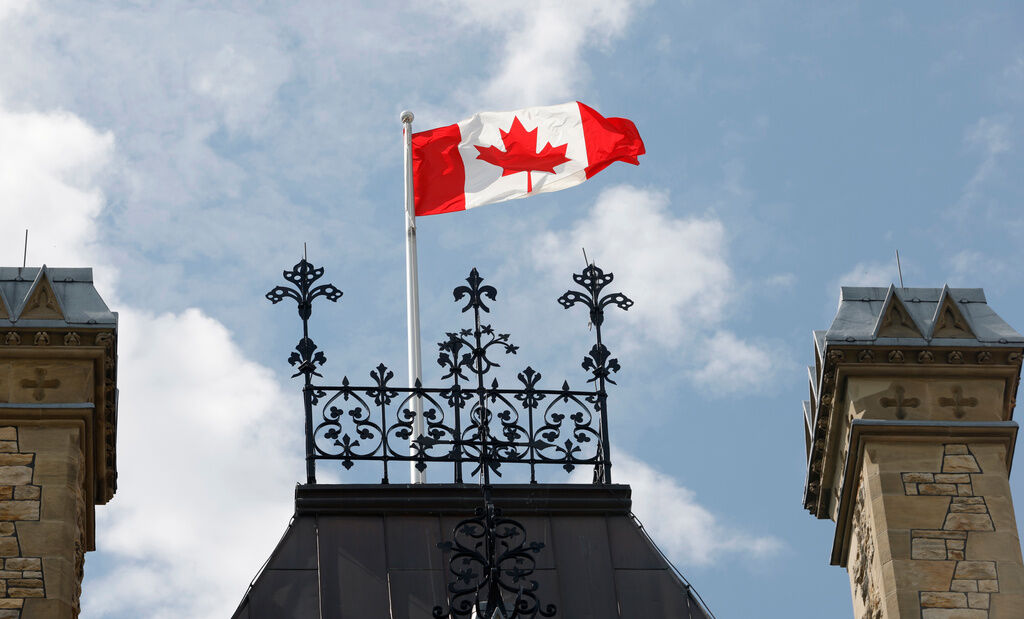
Trump announces 50% tariffs on Canadian cars, auto parts, and steel
Naomi Lim
naomi-lim@coloradopolitics.com
Updated 48 minutes ago
President Donald Trump escalated the trade war with Canada after talks collapsed last week, announcing Monday that the United States would impose 50% tariffs on cars, trucks, automotive components, and steel starting Jan. 1, 2027. “Canada has been ripping off...

Trump opens ‘economic D-Day’ offensive against Iran as war nears six-month mark
Christian Datoc
christian-datoc@coloradopolitics.com
Updated 51 minutes ago
President Donald Trump is seeking to increase the financial pressure on Iran with new secondary sanctions on nations and foreign actors propping up the regime’s economy as the war between the United States and Tehran nears the six-month mark. Treasury...

Iran puts out propaganda video tracking Barron Trump’s location, offering $10 million for his assassination
Timothy Nerozzi
timothy-nerozzi@coloradopolitics.com
Updated 1 hour ago
The Islamic Revolutionary Guard Corps is putting a hit out on President Donald Trump’s son, Barron Trump, with an inflammatory video claiming to track his location. State-run television in Iran is broadcasting a propaganda video claiming to show the locations...
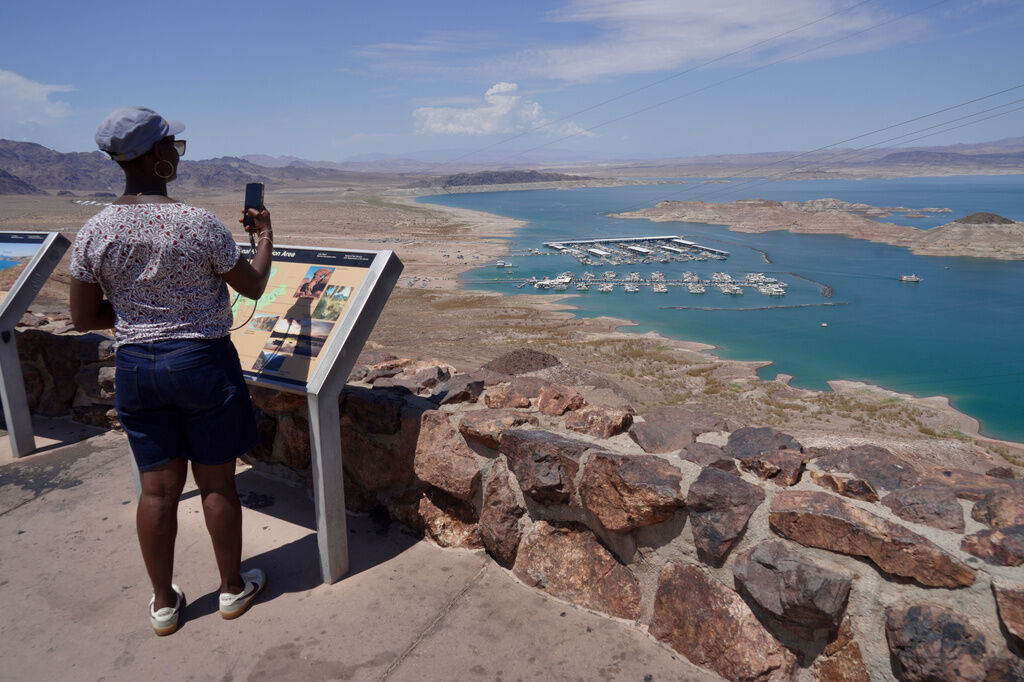
Nevada sues Trump administration over Colorado River cuts
Marianne Goodland
marianne.goodland@coloradopolitics.com
Updated 7 minutes ago
On Monday, the state of Nevada filed a lawsuit against the Trump administration and Interior Secretary Doug Burgum, seeking to block the Colorado River management plan. On Friday, Burgum released a “record of decision” that would reduce water allocations to...

Healthcare Freefall: Longer drives, fewer options for maternity care in Colorado
Thelma Grimes
thelma.grimes@coloradopolitics.com
Updated 3 hours ago
Editor’s Note: Colorado’s healthcare system is entering a period of accelerating instability — a “tsunami,” as multiple leaders describe it — driven by collapsing hospital finances, shrinking Medicaid reimbursements, disappearing services and a political fight over who is responsible for...
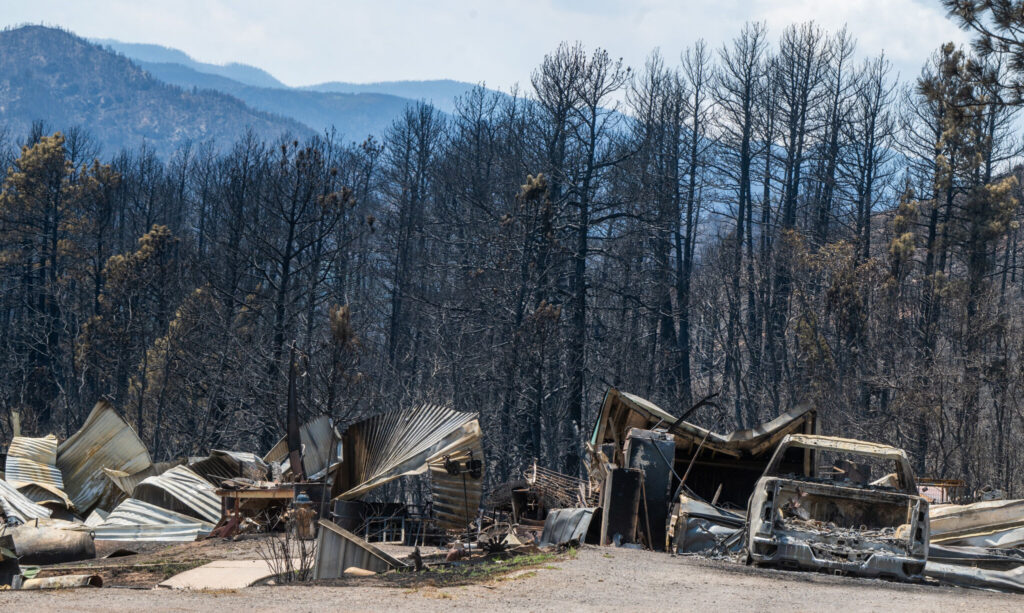
Polis officially requests federal disaster declaration for Colorado wildfires and floods
9News
9news@coloradopolitics.com
Updated 5 hours ago
Gov. Jared Polis has requested a Major Disaster Declaration to aid recovery from the Aspen Acres and Gold Mountain fires and subsequent flooding in the burn scars. COLORADO, USA — On Sunday, Gov. Jared Polis officially requested a Major Disaster Declaration from...
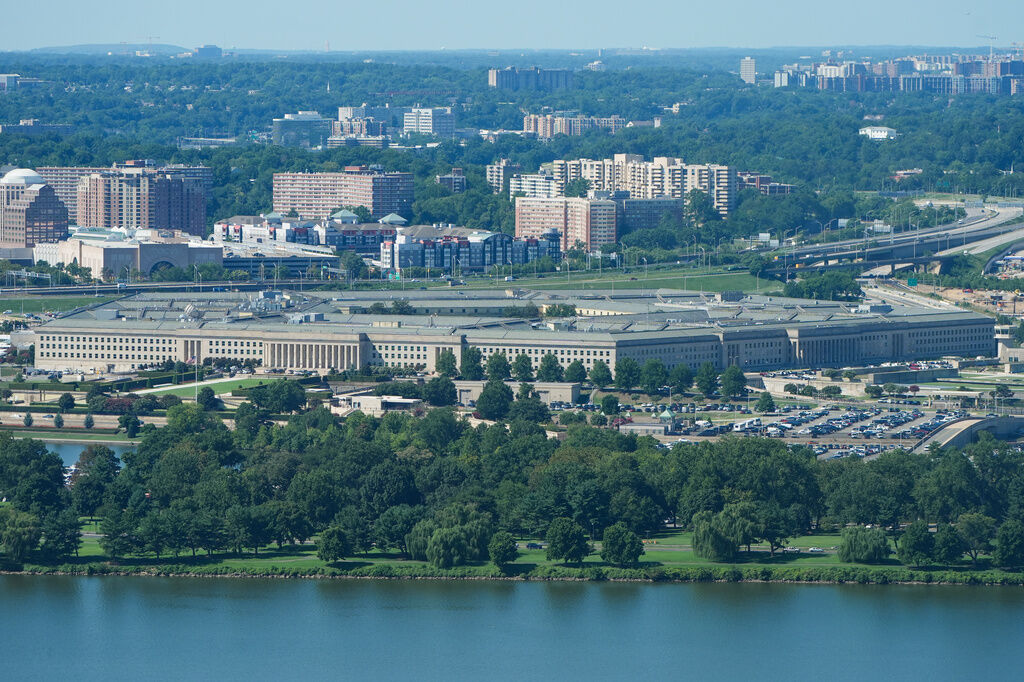
US strikes another boat in eastern Pacific, killing two, Pentagon says
The Associated Press
the-associated-press@coloradopolitics.com
Updated 4 hours ago
U.S. forces have struck another vessel in the eastern Pacific, killing two people the Pentagon says were trafficking drugs. The U.S. Southern Command announced the strike in a social media post early Monday. The death toll from the Trump administration’s...
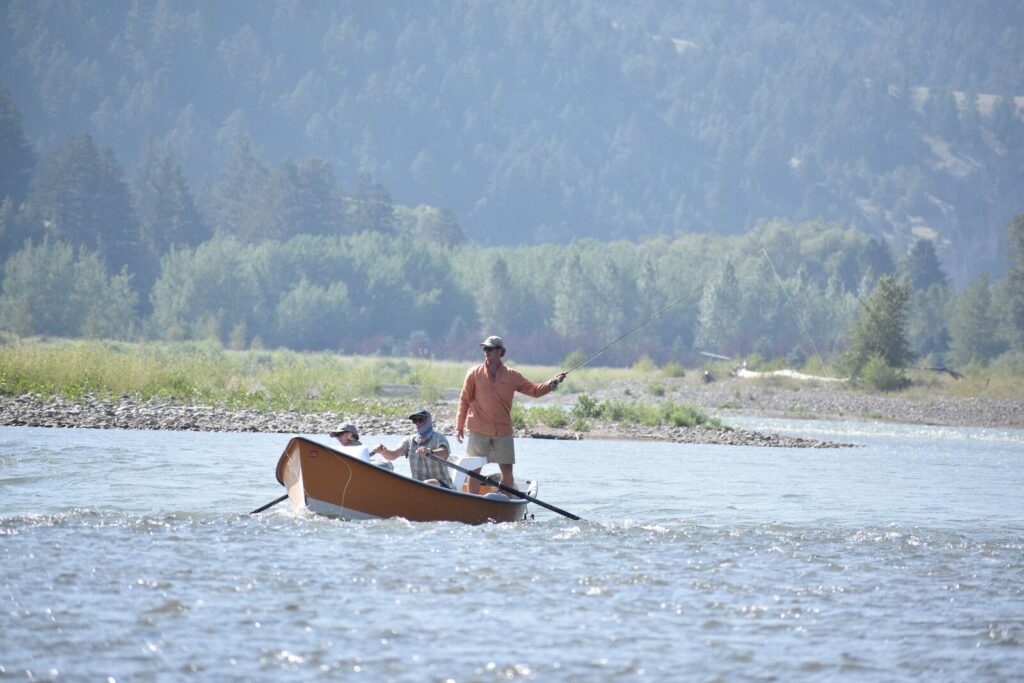
Fishing closures are becoming routine as record heat warms rivers in the US West | OUT WEST ROUNDUP
Ernest Luning
ernest.luning@coloradopolitics.com
Updated 3 days ago
MONTANA Fishing restricted as rivers warm LIVINGSTON — Trout need cool water to survive, but record heat this summer has driven water temperatures to lethal levels for fish. Wildlife officials are banning fishing during certain hours on rivers and streams...

Jena Griswold’s record: corruption, incompetence | Dick Wadhams
Dick Wadhams
dick-wadhams@coloradopolitics.com
Updated 3 days ago
There is no statewide elected official going back decades who is as breathtakingly corrupt and incompetent as Secretary of State Jena Griswold, who is now running for attorney general of all things. And compliant ruling Democrats know it. Their silence...

Kiros exudes why Colorado’s political times are a-changin’ at annual Denver Dems gala | Miller Hudson
Miller Hudson
miller-hudson@coloradopolitics.com
Updated 3 days ago
Among Colorado’s few remaining bipartisan rituals are county and state party dinners. I was particularly intrigued by last week’s Denver Democratic Party’s 2026 Annual Gala, a “New Deal for a New Era.” Their glossy program featured an artist’s Technicolor rendering...