

Colorado Disability Rights Advocacy Day celebrates progress and legislative efforts
Lawmakers joined hundreds of disability rights advocates at the Capitol on Thursday to celebrate Colorado Disability Rights Advocacy Day, established by former Rep. David Ortiz, D-Littleton. Ortiz, the first Colorado lawmaker to use a wheelchair, attended this year’s event, as did several community organizations and lawmakers sponsoring measures to support the disability community this session.
Also in attendance was Danny Combs, director of the Colorado Disability Opportunity Office, which was established through legislation passed last session.
Rep. Chad Clifford, D-Greenwood Village, was a prime sponsor of the measure that created Colorado Disability Opportunity Office, which serves as a point of contact for state agencies, private sector organizations, and the public to “advance the integration and inclusion of the disability community.”
Here are three bills legislators are sponsoring this session that seek to support Coloradans with disabilities:
House Bill 1017: Community Integration Plan Individuals with Disabilities
House Bill 1017, sponsored by Clifford, Rep. Meg Froelich, D-Englewood, and Sen. Dafna Michaelson Jenet, D-Commerce City, seeks to codify the Supreme Court decision Olmstead vs. L.C. into Colorado law.
The landmark 1999 ruling found that segregating individuals with disabilities in institutions without justification is a form of unlawful discrimination under the Americans with Disabilities Act (ADA).
House Bill 1017 establishes that public and government entities are required to administer services, programs and activities in the “most integrated” setting possible for individuals with disabilities and delineates when entities have to provide home and community-based services for community members with disabilities.
In addition, the bill directs the Department of Health Care Policy and Financing (HCPF) to develop a community integration plan.
“It is so important to contain this diverse and rich planning moving forward so that it’s really clear to the community what resources the state has and what resources it doesn’t,” said Clifford. “We are excited to run that legislation this year.”
The bill passed through the House Health and Human Services Committee and is currently awaiting a hearing in House Appropriations.
House Bill 1239: Colorado Anti-Discrimination Act
Described by sponsor Rep. Yara Zokaie as “the largest expansion of the Colorado Anti-Discrimination Act in nearly 70 years”, House Bill 1239 consolidates damages provisions for individuals with disabilities who experience unfair housing practices or discrimination in public locations such as restaurants, hotels, hospitals, and schools. Under the bill, allowable remedies under the Colorado Anti-Discrimination Act will include a court order requiring compliance with the act, monetary damages, attorney fees, damages for noneconomic loss or injury, and a fine of up to $5,000 per party and violation.
The bill also extends the deadline for filing a charge with the Civil Rights Commission for violation of CADA from 60 days to a year.
“As our federal civil rights laws are being eroded across the board, this bill provides crucial recourse for our protected classes when they face discrimination,” said Zokaie. “We are giving the legislature an opportunity to make a commitment to every Coloradan that if they are wronged, there is a pathway to justice.”
A hearing date has not been set.
House Bill 1018: Vocational Rehabilitation Services
Sponsored by freshman Reps. Gretchen Rydin, D-Littleton and Lindsay Gilchrist, D-Denver and Sen. Jessie Danielson, D-Wheat Ridge, House Bill 1018 makes changes to the state’s work program for individuals with disabilities by eliminating the requirement that applicants have financial assistance and that applicants or financially responsible relatives contribute toward the cost of their service. The bill also aligns the program with federal law by eliminating the requirement that the Department of Labor and Employment only provide services to individuals who are present in the state at the time they apply.
Additionally, the bill requires CDLE to submit data on the vocational rehabilitation services program during the General Assembly’s annual SMART Act hearings.
“The power you have as a constituent coming into this building and commanding that we make changes in our policies to protect those with disabilities, to fight for dignity, to fight for equality, is the most powerful thing you can do,” Danielson told advocates.
The bill passed through the House on a 44-20 vote and has been assigned to the Senate Business, Labor and Technology Committee. A hearing data has not been set.

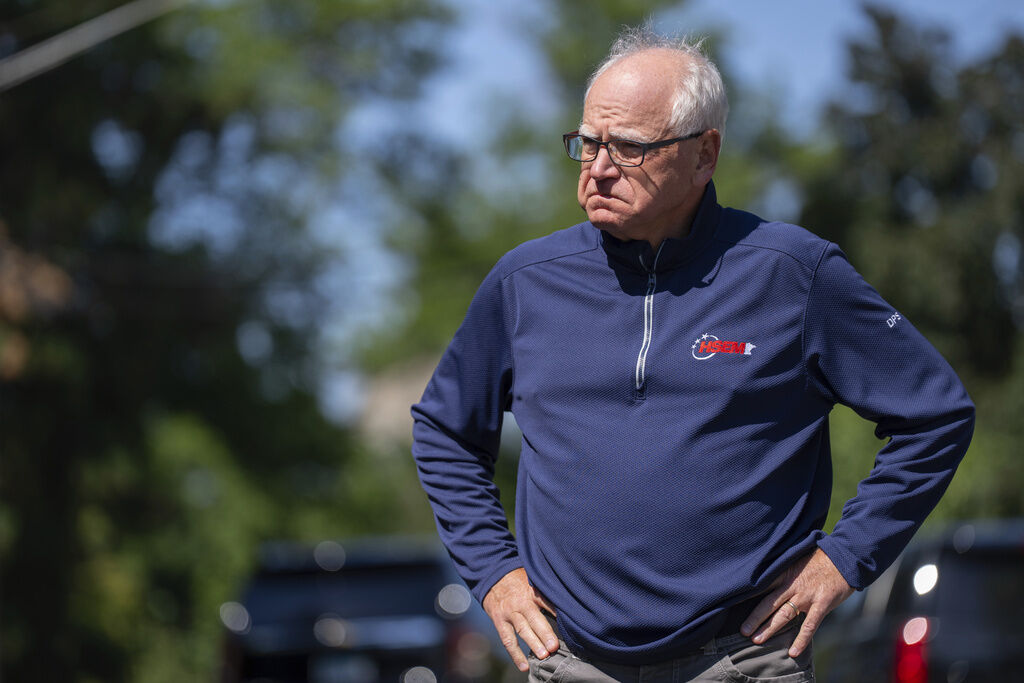
Gov. Tim Walz tells a House panel the Trump immigration crackdown hampered Minnesota’s fraud fight
Scott Bauer
scott.bauer@associatedpress.com
Updated 33 minutes ago
Minnesota’s governor and attorney general on Wednesday defended their efforts to combat fraud and told a U.S. House committee that their efforts have been hampered by President Donald Trump’s immigration crackdown in the state. Republicans on the House Oversight Committee...
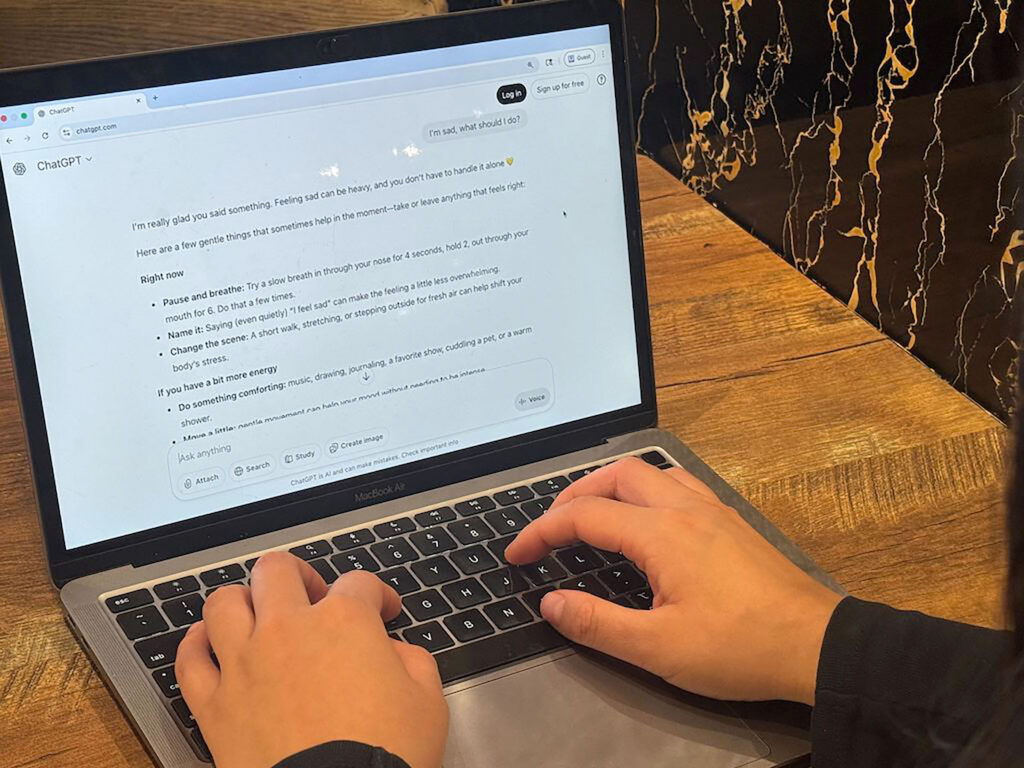
Colorado bill aims to regulate AI chatbots to protect minors from self-harm, sexually explicit content
Marissa Ventrelli
marissa.ventrelli@coloradopolitics.com
Updated 1 hour ago
Juliana Peralta of Thornton was a vibrant, happy kid, said her mom, Cynthia Montoya. However, in the final months of 2023, Cynthia began to notice a change in her 13-year-old daughter. Juliana had become more withdrawn and was on her...

The public health hazards in sports betting | PODIUM
Colorado Politics
colorado-politics@coloradopolitics.com
Updated 12 hours ago
By Brandon Zelasko As Colorado lawmakers revisit sports betting policy this session, the state has an opportunity to widen the lens. Beyond revenue projections and regulatory frameworks lies a critical question: Are we fully reckoning with the human effect of...

Colorado’s public lands are not for sale | OPINION
Colorado Politics
colorado-politics@coloradopolitics.com
Updated 12 hours ago
By Jonathan Houck Our state is defined by its public land. It shapes our communities, our economy and our Colorado way of life. Just driving through Gunnison County, where I have lived for more than 30 years, sometimes I can’t...

Colorado Supreme Court signals intervention in dispute over treatment for trans children
Michael Karlik
michael.karlik@coloradopolitics.com
Updated 19 hours ago
The Colorado Supreme Court ordered Children’s Hospital Colorado on Tuesday to explain why it should not direct the organization to resume providing certain types of services to transgender children in compliance with the state’s non-discrimination law. Last month, a Denver...
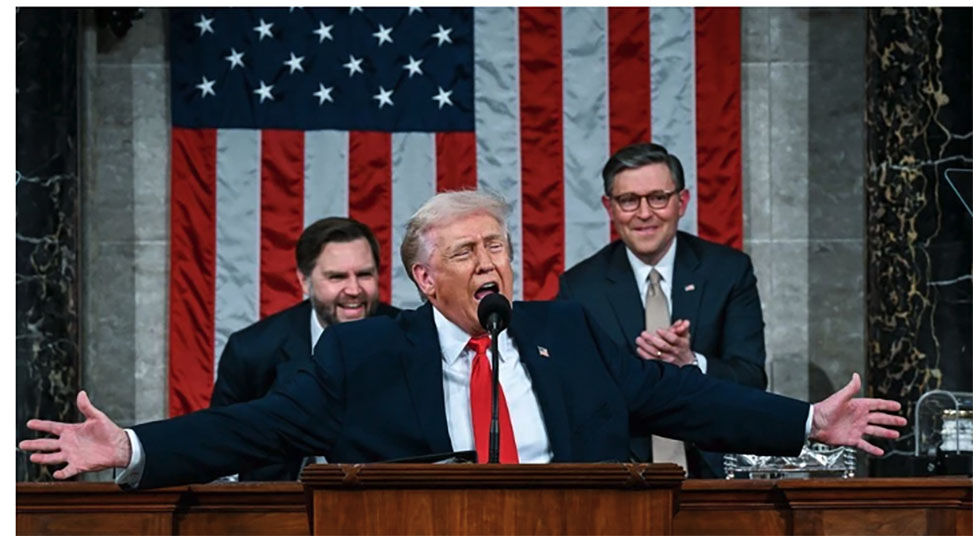
Trump faces first domestic test on Iran conflict with Senate war powers vote
Ramsey Touchberry, Washington Examiner
ramsey.touchberry.washington.examiner@gazetteedit.wpenginepowered.com
Updated 20 hours ago
Administration officials are scrambling to sell members of Congress on President Donald Trump’s military operations in Iran ahead of bipartisan attempts to limit his war powers in the Middle East without approval from lawmakers. The Senate and House are set...
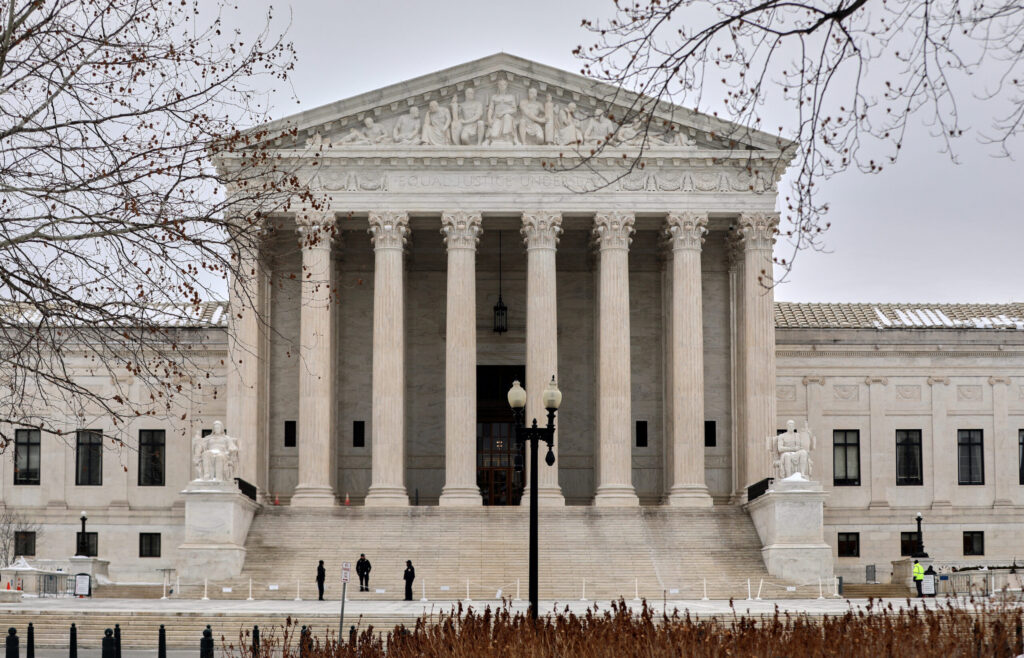
Supreme Court hands California parents win over secret gender transition policy
Jack Birle, Washington Examiner
jack.birle.washington.examiner@gazetteedit.wpenginepowered.com
Updated 20 hours ago
The Supreme Court gave California parents a significant victory late Monday when it kept in place a lower court’s block of the Golden State’s public school policy hiding students’ gender identity and preferred pronouns from parents. A 6-3 majority on...

Judge nixes latest policy requiring 7 days’ notice for Congress members to visit ICE facilities
Michael Kunzelman
michael.kunzelman@associatedpress.com
Updated 18 hours ago
WASHINGTON • A federal judge agreed on Monday to temporarily suspend the latest version of a Trump administration policy that requires members of Congress to provide a week’s notice before they can visit immigration detention facilities. U.S. District Judge Jia...
Judge nixes latest policy requiring 7 days’ notice for Congress members to visit ICE facilities
Michael Kunzelman
michael.kunzelman@associatedpress.com
Updated 20 hours ago
WASHINGTON (AP) — A federal judge agreed on Monday to temporarily suspend the latest version of a Trump administration policy that requires members of Congress to provide a week’s notice before they can visit immigration detention facilities. U.S. District Judge...

Gov. Polis, Upper Basin states criticize federal draft plan for managing the Colorado River
Marianne Goodland
marianne.goodland@coloradopolitics.com
Updated 21 hours ago
With no agreement among the seven Colorado River states and federal deadlines now passed, the Upper Colorado River Commission on Monday sharply criticized the U.S. Department of the Interior’s draft plan for managing the river after current guidelines expire this...