

Colorado Gov. Jared Polis criticizes Trump’s deportation, tariff plans in state address
Even as he vowed to pursue solutions to longstanding woes that Colorado faces, Gov. Jared Polis on Thursday devoted a portion of his annual address to the legislature lambasting President-elect Donald Trump’s plans to impose tariffs and enact the largest deportation program in American history.
Polis delivered his seventh State of the State address as Colorado finds itself in a string of not-so-flattering news recently. Notably, Colorado has fallen as a destination people want to move to in the U.S., a new study says it is now the sixth-most regulated state in the country and it has found itself at the center of the country’s illegal immigration firestorm.
Domestically, Polis sought to set the tone for this year’s legislative session by focusing on housing, education, public safety, and energy.
‘The free State of Colorado’
In an apparent attempt to juxtapose Colorado against the incoming Republican-dominated U.S. Congress and the Trump administration, the governor mentioned the word “freedom” seven times, saying that, in the “free State of Colorado, we understand what government is and is not here to do.”
The government’s job, he said, is “not to dictate who you love, who you marry, or if, when and how you choose to start a family.”
He expounded on those familiar Democratic themes later, noting Colorado voters enshrined the right to an abortion in the Colorado constitution as well as struck down a constitutional provision prohibiting same-sex marriage.
He used the same framing to talk about illegal immigration, hinting at objections to Trump’s plan for a mass deportation, saying immigrants “want nothing more than to contribute to our society.”
Later in the speech, Polis mentioned an empty seat in the House gallery reserved for “Sofia.” Not using her real name, Polis said Sofia is a nurse who has been in Colorado for 20 years and is a recipient of the Obama-era Deferred Action for Childhood Arrivals program, which allows immigrants who were brought to the country illegally as children to lawfully remain in the U.S.
“We are not joined by Sofia today,” he said, because she and others live in fear. The governor also warned that Colorado will not support the campaign to deport “Americans” and individuals with “pending legal status,” or actions that would “break up families.”
Still, Polis said he welcomes federal help to “detain and deport dangerous criminals.”
“I hope that President Trump and Congress work together quickly to secure the border, stop human trafficking, and stop the illegal flow of guns and drugs, and we welcome more federal help to detain and deport dangerous criminals,” he said.
Since December 2022, roughly 43,000 immigrants — mainly from South and Central America who crossed the southern border illegally — have come to Denver.
Early in the crisis, Denver officials decided city taxpayers would assume the cost of temporary housing and feeding the immigrants. The city’s costs have so far exceeded $75 million.
What Trump’s “Operation Aurora” and mass deportations would look like remains to be seen, as the Trump administration faces potential legal hurdles — the ACLU and other groups have been preparing for protracted court battles in anticipation of a second Trump presidency — and logistical ones, particularly since such a campaign would need the cooperation of local governments to be effective.
The latter is unlikely in Colorado, a “sanctuary” state. While no legal definition of a “sanctuary” city or state exists, broadly speaking, it refers to a community that expressly refuses to cooperate with federal authorities on enforcing immigration laws.
Polis to unions and businesses: Avoid any rancorous fight
Polis also hinted of his position on what will likely be the hottest topic in the legislature in 2025 — efforts by the unions to eliminate a second election — which requires a 75% yes vote from workers in a unionized company — in order to impose “representation” fees. The latter are union dues imposed on non-union members.
Polis said he does not want to see another “rancorous fight” and added that, if there are any efforts to change Colorado’s 80-year-old Labor Peace Act, it should have the support of both unions and businesses.
“Just because you can pursue a costly and divisive fight doesn’t mean you should,” he told policymakers.
Polis also asked lawmakers to examine laws and regulations and “question whether they are adequately balancing consumer protection, health and safety, while minimizing red tape and reducing costs for the private sector.”
“As you make your review, I encourage thinking about what more could be done to unleash small businesses and drive economic growth,” he said.
A new study from the state’s chamber of commerce says Colorado has become the sixth-most regulated state in the country and nearly half of its roughly 200,000 regulations are “excessive or duplicative,” a finding that poses negative ramifications on economic growth, on productivity and, ultimately, on residents.
In a separate report, the Business Research Division at the University of Colorado Boulder said while Colorado’s economy is growing, it is falling behind in several areas. In fact, over the last 15 years, Colorado had been among the strongest economies in the U.S. Not anymore, according to the study. Colorado has dropped to the bottom 10 states for real GDP (No. 41) and home price growth over 2024 (No. 49). And it was among the bottom 20 for personal income and unemployment.
Meanwhile, Polis indicated in his speech that he is more receptive this time around to legislation dealing with wage theft, a bill he vetoed in the 2024 session.
An ‘outlier’ on school funding
Last year, lawmakers overhauled the state’s 30-year-old school finance formula, but Polis said the state is still an “outlier” on school funding.
He called for changes in how the student count is done to ensure the financing of actual students, rather than “empty chairs.” He also dropped a previous request to stretch out the timeline for implementing the new formula. In his Nov. 1 budget request, he suggested going from six to seven years, but he backed off on that proposal in a revised request last week.
Notably, Polis said the state needs to start funding students “where they are in their schools today in ways tailored to individual needs” and, in a clear nod to school choice, he added that the state needs to make it easier for “innovative schools to start and operate in Colorado.” The state, he said, needs to support students “whether in a traditional district or a charter school, and (give) parents the ability to choose the best option for their kids.”
Polis targets ‘excessive hospital pricing’
Polis’ signature issue, in addition to full-day kindergarten, is to lower health costs and he focused anew on the subject on Thursday, noting previous legislation to cap the price of insulin and add a reinsurance program to address the highest medical claims.
There’s more to be done, the governor said, expressing some frustration with the Food and Drug Administration’s delay in approving the state’s request to import prescription drugs from Canada. He is supportive of a bill to expand prescription drug discounts and legislation to deal with what he called “excessive hospital pricing.”
Governor wants to go after cattle theft
The governor touted the work of Democratic lawmakers, largely on gun control, but added there’s more work to do.
He called for boosting the state’s emergency dispatch system, revisiting a 2024 bill on gun theft, and expanding resources for youth in the juvenile system, notably including more beds in the Division of Youth Services.
The governor also noted the work of lawmakers on Proposition KK, which imposes an excise tax on the sale of firearms and ammunition to fund victim services, school safety, and behavioral health.
That has drawn criticism from Republicans, who noted that lawful gun owners should not pay for victim services for crimes that they had nothing to do with.
Polis did not address a bill introduced Wednesday by Sens. Tom Sullivan, D-Centennial, and Julie Gonzales, D-Denver, that would ban semi-automatic weapons with detachable magazines.
Polis noted the problems ranchers on both the Eastern Plains and Western Slope have had with livestock theft in the past year. He said he is committed to holding cattle rustlers accountable through working with local sheriffs and the state’s brand board.
Water was not among the major topics of his 2025 speech. Polis also mentioned he’d like to reduce or eliminate the state income tax every year, but he left it out of his remarks on Thursday.
Polis pushes changes to ‘construction defects’ law
Last year, the state Capitol saw a bitter battle between trial lawyers and realtors and builders. Three bills failed to get out of the legislature.
While Polis did not address that issue last year, he expressed full support for a fix to the state’s construction defects law. Critics have argued that the law has blocked developers from building condos, which are considered the entry point for young families and the place where seniors can downsize from single-family homes.
Polis called for meaningful conversation about construction defects reform, one that, he said, would protect homeowners while making it less expensive for builders to deliver housing. Rep. Shannon Bird, D-Westminster, and Senate President James Coleman, D-Denver, are sponsoring the main bill on this issue. Bird carried the construction defects bill in 2024; this year’s bill is expected to be quite different.
The high homeowner insurance cost is also part of his agenda for 2025, with some drivers being wildfires and hail.
“I hear from Coloradans across our state who either can’t find coverage to begin with or are getting priced out of their coverage. And the rising cost of insurance isn’t relegated to homeowners alone. It gets passed on to renters, too,” he said.

Colorado justices accept appeals on Netflix taxation, children pursuing neglect cases
Michael Karlik
michael.karlik@coloradopolitics.com
Updated 9 hours ago
The Colorado Supreme Court announced on Monday that it will decide whether Netflix subscriptions are subject to the state’s sales tax as “tangible personal property.” At least three of the court’s seven members must agree to hear an appeal. The...
Proposal outlines $300M deal separating Pinnacol from Colorado state government
Marianne Goodland
marianne.goodland@coloradopolitics.com
Updated 9 hours ago
Colorado lawmakers are weighing a proposal that would allow Pinnacol Assurance to sever its remaining ties to the state in exchange for a $300 million payment, a long‑debated shift that supporters say could stabilize the insurer’s future and help plug...
Bill requiring employers to grant unpaid leave to Colorado lawmakers heads to governor’s desk
Marissa Ventrelli
marissa.ventrelli@coloradopolitics.com
Updated 9 hours ago
Colorado lawmakers are one step away from securing guaranteed unpaid leave from their day jobs during the legislative session after the House narrowly approved the proposal Thursday. Senate Bill 087 would require businesses to allow employees who are members of...
Redistricting fight escalates as Colorado Title Board clears competing ballot proposals
Marianne Goodland
marianne.goodland@coloradopolitics.com
Updated 9 hours ago
Colorado’s title board on Wednesday gave final approval to multiple ballot measures related to congressional redistricting, setting up a series of proposals that could alter how the state draws its U.S. House districts for the 2028 and 2030 elections. The...
Trump downplays major reform bill and says housing is ‘all about interest rates’
Zach Halaschak, Washington Examiner
zach.halaschak.washington.examiner@gazetteedit.wpenginepowered.com
Updated 12 hours ago
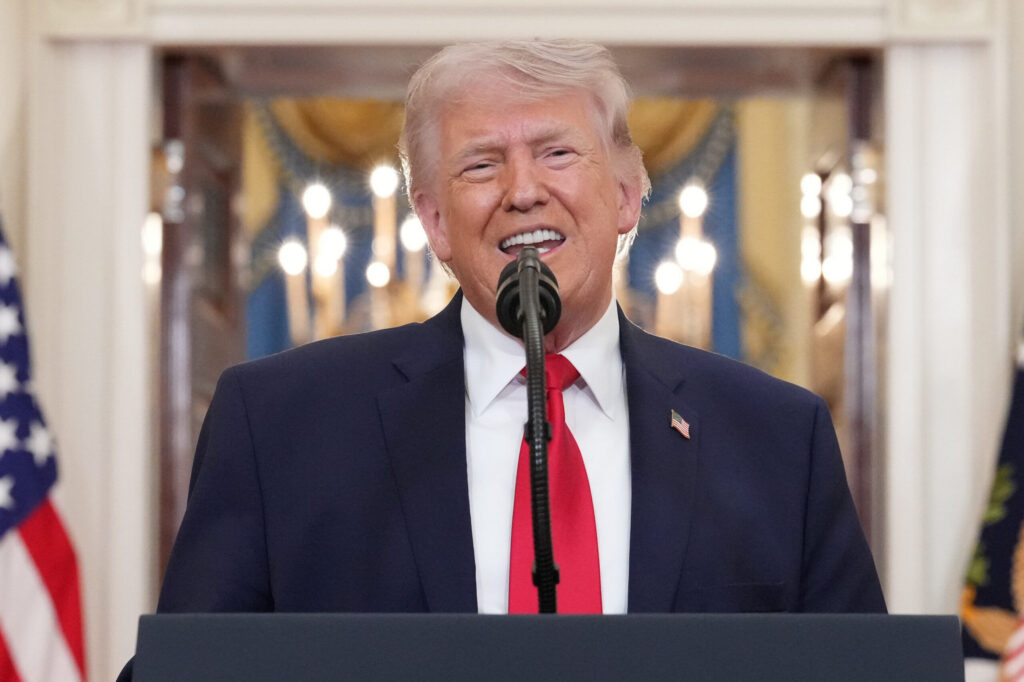
President Donald Trump downplayed the bipartisan housing legislation that many congressional allies hope will ease the affordability worries plaguing voters, saying instead in an exclusive Washington Examiner interview that housing is “all about interest rates.” Trump said on a phone call Thursday morning...

Colorado lawmakers propose deep cuts to close $1.2B budget gap
Marianne Goodland
marianne.goodland@coloradopolitics.com
Updated 8 hours ago
The panel of Colorado legislators in charge of crafting next year’s budget has finalized the 2026–27 spending plan built on deep cuts and one‑time cash transfers in an attempt to close a shortfall of more than $1.2 billion. The plan...
Denver judge denies Gov. Polis request to dismiss ICE-related records case
Marianne Goodland
marianne.goodland@coloradopolitics.com
Updated 12 hours ago
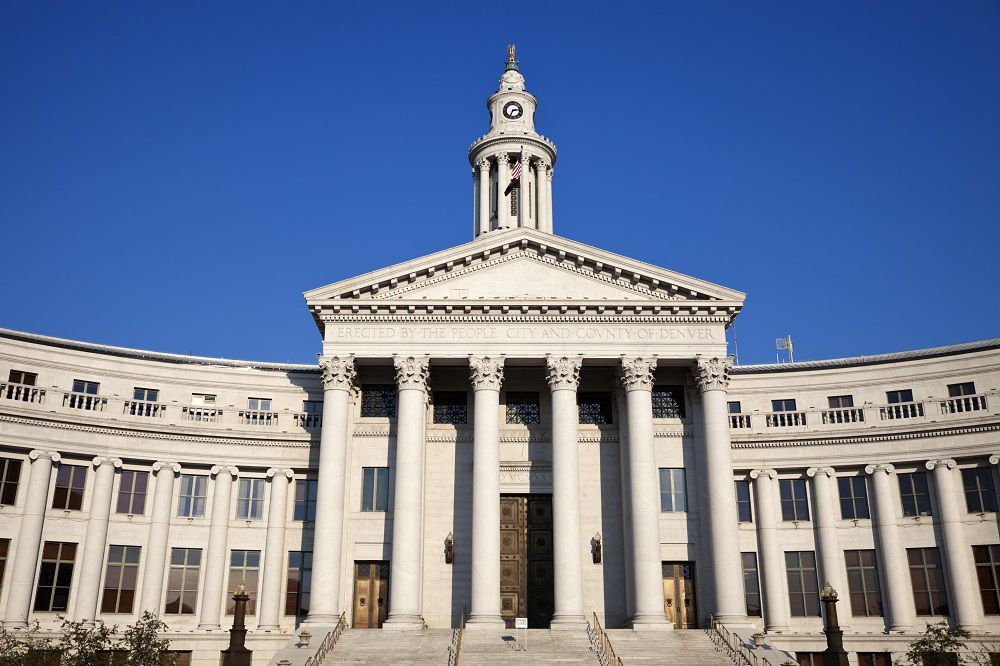
A year after blocking the release of state records to federal immigration agents, a Denver judge has now denied Gov. Jared Polis’ effort to end the lawsuit at the center of the dispute. The lawsuit filed against the governor in...
10th Circuit grants rare all-judges’ review of Colorado banking regulation
Michael Karlik
michael.karlik@coloradopolitics.com
Updated 14 hours ago
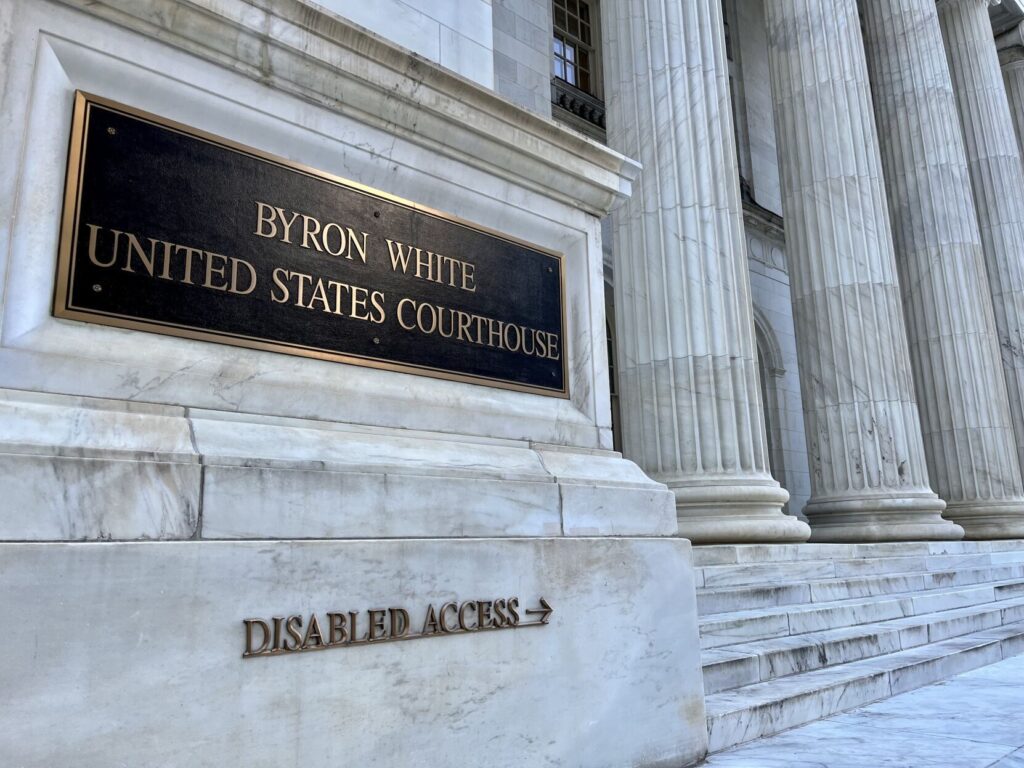
The Denver-based federal appeals court announced on Thursday that it will hold a rare all-judges review of a recent decision that permits Colorado to require out-of-state banks to abide by the state’s maximum interest rates when they lend to in-state...
Colorado appeals court orders new sentencing for Tina Peters, upholds convictions
Michael Karlik
michael.karlik@coloradopolitics.com
Updated 8 hours ago
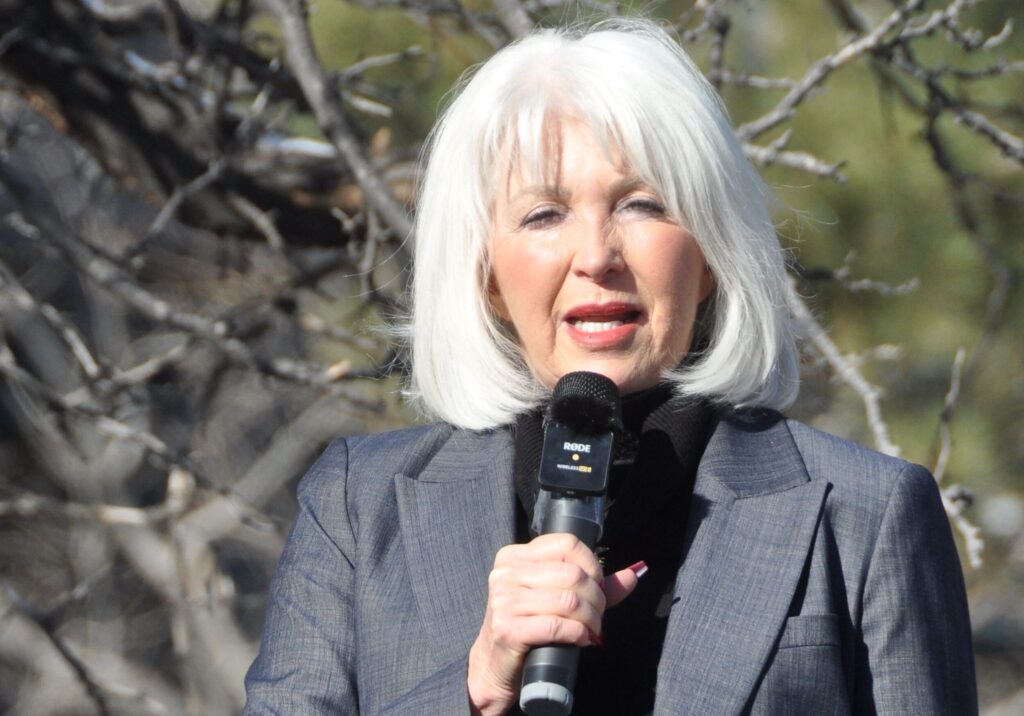
Colorado’s second-highest court determined on Thursday that a trial judge improperly sentenced former Mesa County clerk Tina Peters based upon her exercise of protected speech, while at the same time upholding her convictions. The three-judge Court of Appeals panel also...

Denver promised every school funding from $1B bond — but campuses later closed received far less | Analysis
Nico Brambila
nico.brambila@denvergazette.com
Updated 13 hours ago
Denver voters overwhelmingly approved the largest bond measure in Denver Public Schools history on the promise that every school — including charter campuses — would receive something. And they did. But the nearly $1 billion bond was not distributed evenly....