

Colorado voters pass judicial discipline amendment
Colorado voters have signed off on changes to the way state judges are investigated and disciplined, favoring Amendment H by a margin of 73% to 27%, according to the initial, unofficial tally on Tuesday night.
As an amendment referred by the legislature that adds language to the constitution, the measure requires 55% support to pass.
Amendment H will make the following changes to the process for disciplining judges, apart from the separate appellate procedure for reviewing judicial opinions:
• An adjudicative board will preside over formal disciplinary proceedings, with 12 members appointed by the governor and state Supreme Court and confirmed by the Senate. Adjudications will occur through three-member panels — one judge, one attorney and one non-lawyer. The Supreme Court will sit only as an appellate body, with the standards of review explicitly listed.
• The amendment requires other judges to review disciplinary appeals in instances where a Supreme Court justice is the subject or is involved in the underlying matter.
• Currently, formal disciplinary filings are made public after a case has been adjudicated by the discipline commission and the Supreme Court receives a recommendation. The new method triggers disclosure upon any filing of formal charges.
• The commission will be able to release information about discipline, even informal discipline that remains confidential, to judicial performance commissions, attorney regulators and other entities.
• Rulemaking will come from a 13-person committee consisting of four Supreme Court appointees, four named by the adjudicative board, four by the commission and a victim advocate appointed by the governor. Currently, the Supreme Court has the authority to make the rules.
• The commission will be authorized to release information about the status of an investigation or proceeding to the complainant.
The amendment will not likely alter the fact that the vast majority of disciplinary complaints are dismissed because they do not implicate judicial misconduct. For example, almost 50% of complaints in 2023 fell into the category of disputes over judges’ rulings — which are mostly handled through the appeals process — and nearly 7% were “sovereign citizen/generalized conspiracy” complaints.

Colorado justices accept appeals on Netflix taxation, children pursuing neglect cases
Michael Karlik
michael.karlik@coloradopolitics.com
Updated 9 hours ago
The Colorado Supreme Court announced on Monday that it will decide whether Netflix subscriptions are subject to the state’s sales tax as “tangible personal property.” At least three of the court’s seven members must agree to hear an appeal. The...
Proposal outlines $300M deal separating Pinnacol from Colorado state government
Marianne Goodland
marianne.goodland@coloradopolitics.com
Updated 9 hours ago
Colorado lawmakers are weighing a proposal that would allow Pinnacol Assurance to sever its remaining ties to the state in exchange for a $300 million payment, a long‑debated shift that supporters say could stabilize the insurer’s future and help plug...
Bill requiring employers to grant unpaid leave to Colorado lawmakers heads to governor’s desk
Marissa Ventrelli
marissa.ventrelli@coloradopolitics.com
Updated 9 hours ago
Colorado lawmakers are one step away from securing guaranteed unpaid leave from their day jobs during the legislative session after the House narrowly approved the proposal Thursday. Senate Bill 087 would require businesses to allow employees who are members of...
Redistricting fight escalates as Colorado Title Board clears competing ballot proposals
Marianne Goodland
marianne.goodland@coloradopolitics.com
Updated 9 hours ago
Colorado’s title board on Wednesday gave final approval to multiple ballot measures related to congressional redistricting, setting up a series of proposals that could alter how the state draws its U.S. House districts for the 2028 and 2030 elections. The...

Trump downplays major reform bill and says housing is ‘all about interest rates’
Zach Halaschak, Washington Examiner
zach.halaschak.washington.examiner@gazetteedit.wpenginepowered.com
Updated 11 hours ago
President Donald Trump downplayed the bipartisan housing legislation that many congressional allies hope will ease the affordability worries plaguing voters, saying instead in an exclusive Washington Examiner interview that housing is “all about interest rates.” Trump said on a phone call Thursday morning...
Colorado lawmakers propose deep cuts to close $1.2B budget gap
Marianne Goodland
marianne.goodland@coloradopolitics.com
Updated 8 hours ago
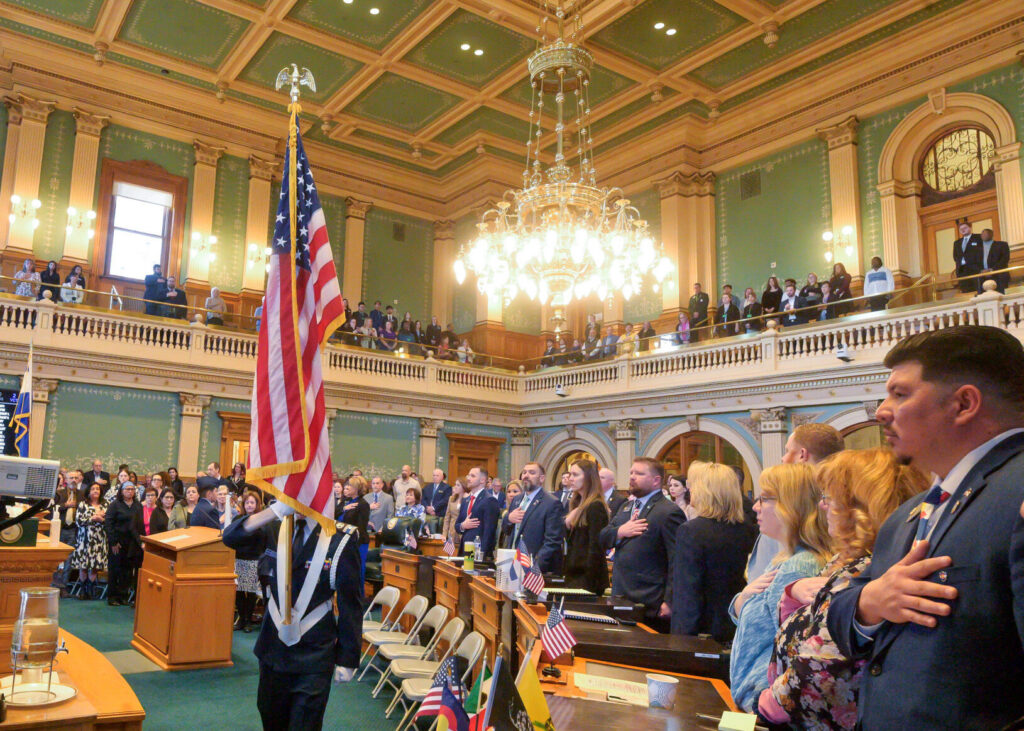
The panel of Colorado legislators in charge of crafting next year’s budget has finalized the 2026–27 spending plan built on deep cuts and one‑time cash transfers in an attempt to close a shortfall of more than $1.2 billion. The plan...
Denver judge denies Gov. Polis request to dismiss ICE-related records case
Marianne Goodland
marianne.goodland@coloradopolitics.com
Updated 12 hours ago
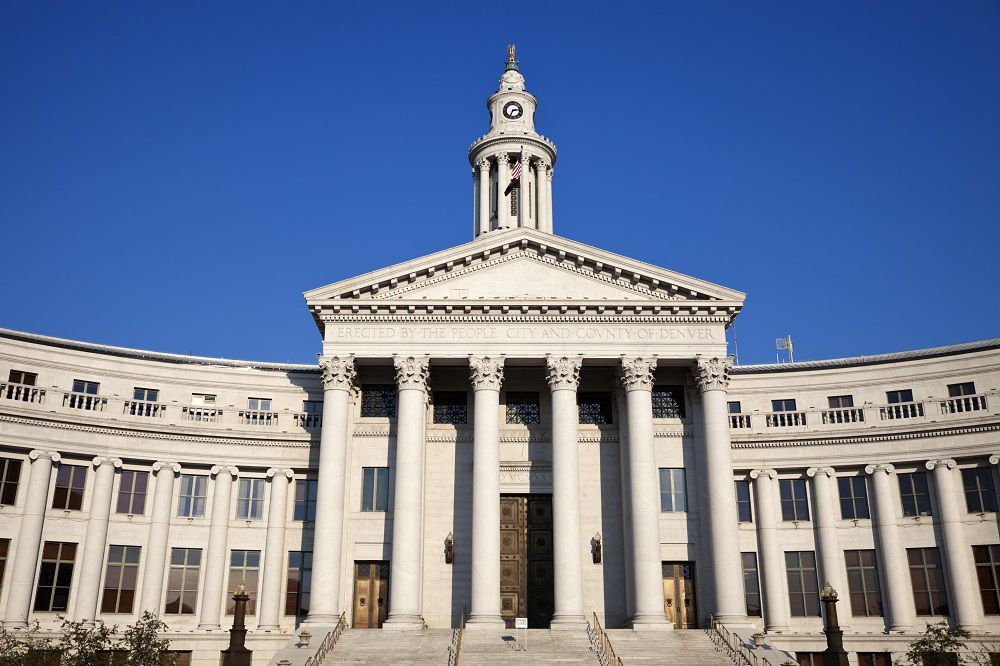
A year after blocking the release of state records to federal immigration agents, a Denver judge has now denied Gov. Jared Polis’ effort to end the lawsuit at the center of the dispute. The lawsuit filed against the governor in...

10th Circuit grants rare all-judges’ review of Colorado banking regulation
Michael Karlik
michael.karlik@coloradopolitics.com
Updated 13 hours ago
The Denver-based federal appeals court announced on Thursday that it will hold a rare all-judges review of a recent decision that permits Colorado to require out-of-state banks to abide by the state’s maximum interest rates when they lend to in-state...
Colorado appeals court orders new sentencing for Tina Peters, upholds convictions
Michael Karlik
michael.karlik@coloradopolitics.com
Updated 8 hours ago
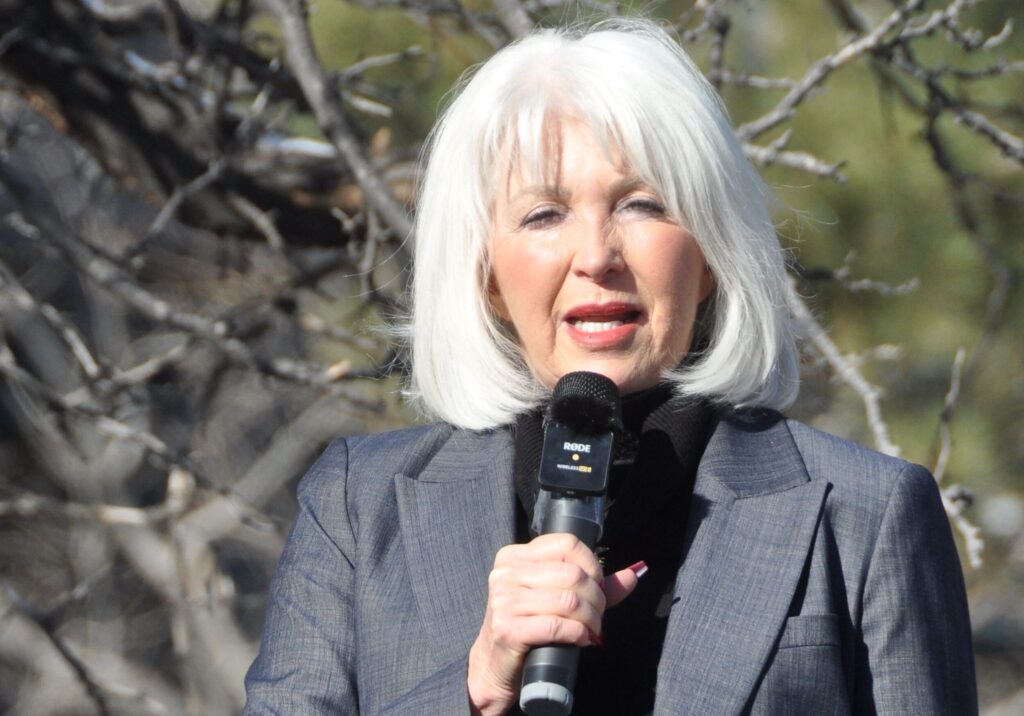
Colorado’s second-highest court determined on Thursday that a trial judge improperly sentenced former Mesa County clerk Tina Peters based upon her exercise of protected speech, while at the same time upholding her convictions. The three-judge Court of Appeals panel also...

Denver promised every school funding from $1B bond — but campuses later closed received far less | Analysis
Nico Brambila
nico.brambila@denvergazette.com
Updated 12 hours ago
Denver voters overwhelmingly approved the largest bond measure in Denver Public Schools history on the promise that every school — including charter campuses — would receive something. And they did. But the nearly $1 billion bond was not distributed evenly....