

Colorado wildlife commissioners divided on proposal to ban hunting mountain lion, lynx, bobcat
A ballot measure that seeks to prohibit the hunting of mountain lions, bobcats, and lynx has divided current and former members of the Colorado Parks and Wildlife commission, with animal rights activists arguing that hunting big cats is cruel and unnecessary and sportsmen asserting that wildlife management should be left to the experts.
A number of opinion pieces penned by current and former CPW commissioners have been circulating in newspapers around the state. This practice isn’t improper in itself, but the pieces must include a disclosure stating that the current commissioners are expressing their personal views and not those of the state wildlife agency, as it is legally prohibited from taking an official stance on the measure, known as Proposition 127.
Those who support the proposed ban that current practices of hunting big cats in Colorado violate accepted methods and that mountain lions self-regulate their own populations.
Critics contended that the arguments offered by Proposition 127 proponents aren’t accurate or grounded in scientific evidence.
Supporters: Big cats hunting practices violate North American model
In an article for the Ark Valley Voice titled, “A ‘Yes’ on Proposition 127 meets the North American Model of Wildlife Conservation,” commission Vice Chair Richard Reading contended that the methods used to hunt mountain lions violate the principles of the North American model of wildlife conservation, which the state adheres to.
He argued that using dogs fitted with GPS tracking collars to hunt mountain lions does not meet the “fair chase” standard required under the model.
“That is not hunting, and something we would never allow with ungulates (animals with hooves),” he wrote. “Similarly, bobcats are trapped not for personal use, but for the sale of their fur for sale to buyers from outside the U.S. — the very definition of commodification.”
Reading, who also serves as the vice president of science and conservation at the Butterfly Pavilion, argued that “the literature is clear” that mountain lions self-regulate their populations, and that this counters a common argument made by opponents of the proposition, who maintain hunting is necessary to maintain healthy lion populations.
Another piece, coauthored by James Pribyl, Jack Murphy, and Jessica Beaulieu, in the Durango Herald and The Daily Sentinel in Grand Junction the weekend of Oct. 12, said that Proposition 127 would protect Colorado’s big cats from “unscientific abuse” and “exploitation.”
“Prop 127 simply protects Colorado’s majestic mountain lions and bobcats from highly unpopular, unscientific and unwarranted abuse and exploitation that in no way contributes to our bright future of ethical outdoor recreation in our great state of Colorado,” Pribyl, Murphy and Beaulieu wrote, drawing comparisons between themselves and Tom Back, a former CPW commissioner who, they said, was attacked for supporting Amendment 10, a successful 1992 measure that placed limitations on black bear hunting in the state.
“Beck was attacked mercilessly by extreme special interests for doing the right thing for wildlife and for Colorado,” they wrote. “He had no support from commissioners. We’re proud to carry Beck’s legacy, understanding that we can support most hunting, but not all hunting, and it’s important to see the difference when the loudest extreme voices want nothing to change.”
Like Reading, Pribyl, Murphy, and Beaulieu argued that mountain lion hunting does not constitute a fair chase, adding that using dogs “tracked by phone app, often aided by drones” resembles a “canned hunt” as it leaves lions with nowhere to escape and no chance of survival.”
Pribyl is a former CPW commissioner and also served on the Colorado State Parks Board and Great Outdoor Colorado Trust Fund. Murphy is the cofounder and president of Urban Wildlife Rescue and was appointed to the CPW commission last summer to serve as the Parks Utilization Representative for Aurora.
Beaulieu, also appointed last summer, is an animal law attorney and manages the University of Denver’s Animal Law program. She serves as the Outdoor Recreation and Parks Utilization Representative for Denver.
Murphy and Beaulieu’s appointments by Gov. Jared Polis faced opposition from members of the ranching and hunting communities, and Beaulieu received an unfavorable recommendation from the Senate Agriculture & Natural Resources Committee due to concerns about her lack of ties to the outdoor recreation community.
Critics: Arguments for Proposition 127 aren’t grounded in science
John Howard a former CPW commissioner who served from 2014 to 2020 and chaired the commission during his final two years, contended that the arguments presented by proponents of Proposition 127 aren’t accurate or grounded in scientific evidence.
“With predators, the biologic science is important, but it’s the social science that is the most important issue, I think,” Howard said. “In the states that have outlawed lion hunting, so principally California and Washington, the animals have become much less tolerated in the rural communities that host the majority of them.”
He added: “These lions are losing their fear of humans, so you’re having more and more problems where ultimately the lions are the ones that suffer.”
Howard argued that the same number of mountain lions are being killed in California now as before the hunting ban was passed, but the killing is being done by wildlife biologists, rather than by hunters.
“It’s not like lions aren’t being killed, they’re just being euthanized and left to rot on the ground or put in a landfill as opposed to being harvested,” he said. “It’s just a waste to see an animal that would generate revenue from license fees that would then get poured back into science; instead you’re gonna euthanize them and leave them to rot on the ground.”
While Pribyl, Murphy, and Beaulieu “are certainly entitled to their opinion,” Howard said it is “disingenuous” for them to say there’s no science that supports hunting mountain lions because CPW commissioners frequently attend presentations that, he maintained, demonstrate otherwise.
“Proposition 127 is a solution in search of a problem, to use a cliché,” said Howard. “I just think the science is overwhelming both biologically and on the social side.”
Like many other proponents of Proposition 127, Howard highlighted the state’s reintroduction of gray wolves, a program that faces criticism from policymakers, who said wildlife officials bungled the rollout, and from farmers and ranchers, who are frustrated with the livestock killings.
Howard, who was a member of CPW’s Wolf Stakeholder Advisory Group, said the relationship between CPW and rural communities has deteriorated as a result of the reintroduction, and he worries things will only get worse if Proposition 127 passes.
“Instead of following the science that was presented to the CPW commission and to people like me that were on the Wolf Stakeholder Advisory Group, the governor just kept intervening in the formation of the (wolf reintroduction) plan and rejecting both the social science and the biologic science that was being presented to us,” he said. “It’s the same thing happening now. You’ve just got a tremendous amount of political interference as opposed to scientific wildlife management, which is why we have so many lions today.”
Howard said he is also concerned with some of the “divisive” language used in opinion pieces written by supporters of Proposition 127.
He noted that GPS collars are used in various hunts besides mountain lions, and disagreed with the argument that their use doesn’t qualify as fair chase under the North American Model.
Furthermore, Howard said, drones are no longer permitted for any big-game hunting in Colorado — a fact Pribyl should be aware of, he said, given that he served as a CPW commissioner when that rule was implemented.
“This is sort of like noise to take away from the actual science, which is a great success story and something we should all be proud of,” he said.
John Howard: Current commissioners violated open meetings law
Both the Ark Valley Voice and Daily Sentinel pieces by the Proposition 127 supporters included disclaimers clarifying the writers’ connections to CPW and stating their views are personal and do not represent the agency’s stance on the ballot measure.
The Durango Herald Piece, however, initially lacked any kind of statement about CPW’s position on the proposition or that the writers were expressing their opinions as private citizens. Other than this difference, the Daily Sentinel and Durango Herald pieces were exactly the same.
According to CPW rules, commissioners are required to “clearly establish” that they are not speaking on behalf of the commission as a whole.
When asked about the discrepancy in disclaimers, the Durango Herald acknowledged that an updated version of the disclaimer was sent to them but it had missed it. The paper said it was working to update the story with the correct disclaimer.
In addition to the content of the Durango Herald/Daily Sentinel piece, Howard raised suspicions about the manner in which it was crafted.
“We had a major problem with this before I went on the commission, but commissioners cannot talk to each other except about social matters, like having dinner or something,” he said. “They can’t talk about issues like this, except in a hearing after proper notice has been given to the public. So, there’s no question in my mind that the two serving commissioners have violated that law.”
Howard said there’s “no way to write a joint op-ed without some email traffic and phone calls” without violating the Colorado Open Meetings Law.
Howard added: “This has been a terrible problem for the commission in the past, and oddly enough, the offending party was Jim Pribyl.”
Howard pointed to a 2012 lawsuit against the CPW commission — then known as the Colorado Board of Parks and Outdoor Recreation — stemming from Pribyl’s communications with other commissioners outside of public hearings, which violated the Colorado Open Meetings Law.
The case went to the Colorado Court of Appeals, leading the CPW commission to confess to the violation and redo the meeting in question, thereby “curing” the violation.
Given his history with the Open Meetings Law, Pribyl should know better, Howard said.
“You would think he would be able to advise these new commissioners,” Howard said. “I just think it’s a shame that Pribyl has led these folks into an obvious Open Meetings Law violation.”
CPW commission Chair Dallas May had reminded commissioners about the law in a meeting just over a week before the op-ed’s publication.
“I think it’s relevant to point out the fact that especially members of the public (should) realize, we as commissioners never converse about this,” he said during a discussion about the wolves. “We don’t discuss this. The time you see us on the open mics, that’s the discussion time commissioners have. So, that’s why a lot of the questions that get asked may seem to you like that commissioner should know that, but we don’t have that ability. This is the one time we as commissioners have to come together and discuss this.”
Editor’s note: Commissioner Dallas May did not respond to Colorado Politics’ questions on whether Murphy and Beaulieu had violated CPW rules or the Open Meetings Law.

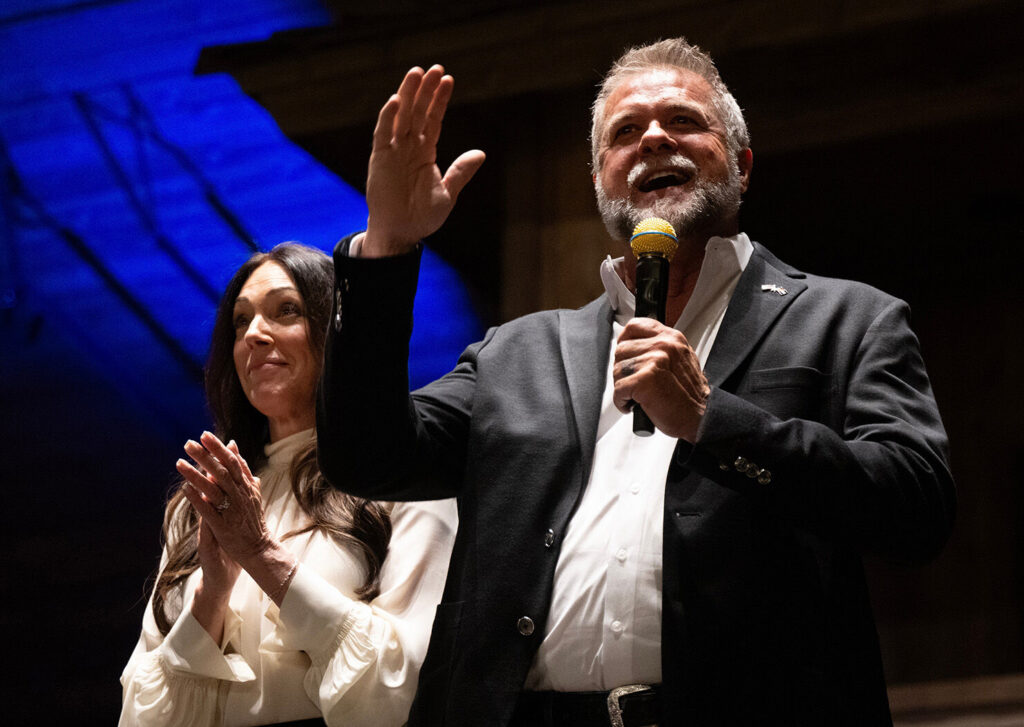
Victor Marx says he’ll only debate Phil Weiser once in Colorado governor’s race — without a moderator
Ernest Luning
ernest.luning@coloradopolitics.com
Updated 6 hours ago
Colorado Republican gubernatorial nominee Victor Marx said on Tuesday that he will participate in only one debate with Attorney General Phil Weiser before the November election — and he challenged the Democratic nominee to hold the event without a moderator....
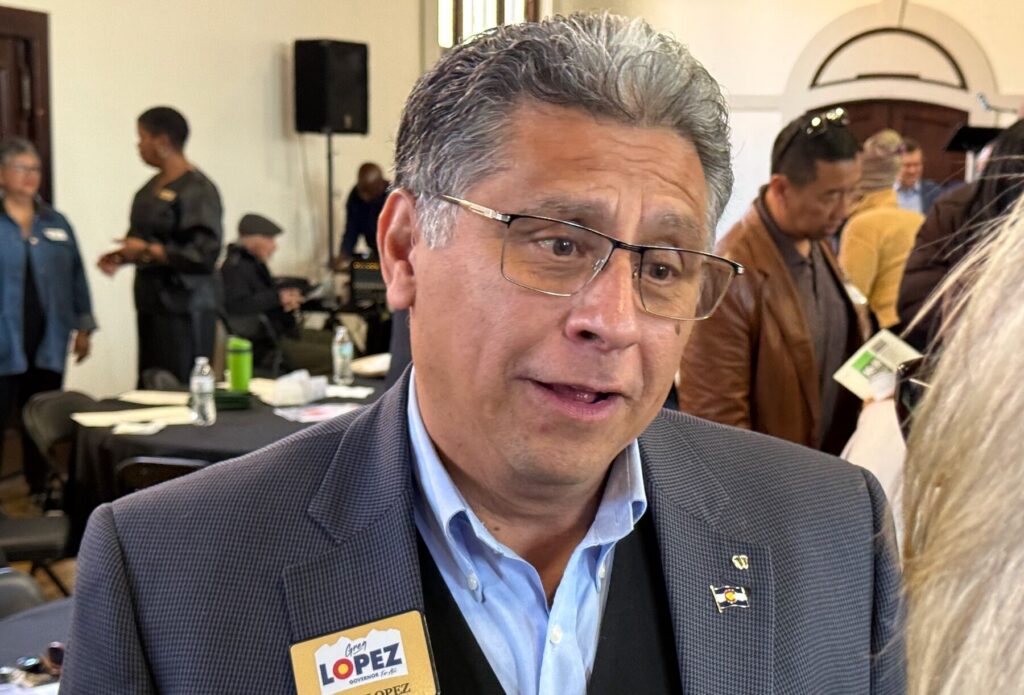
Independent gubernatorial candidate Greg Lopez, a former GOP congressman, qualifies for Colorado ballot
Ernest Luning
ernest.luning@coloradopolitics.com
Updated 1 day ago
Unaffiliated gubernatorial candidate Greg Lopez, a former Republican congressman from Elizabeth who left the GOP to run as an independent, has qualified for the ballot by submitting enough petition signatures, the Colorado Secretary of State’s Office said Tuesday. He’ll face...
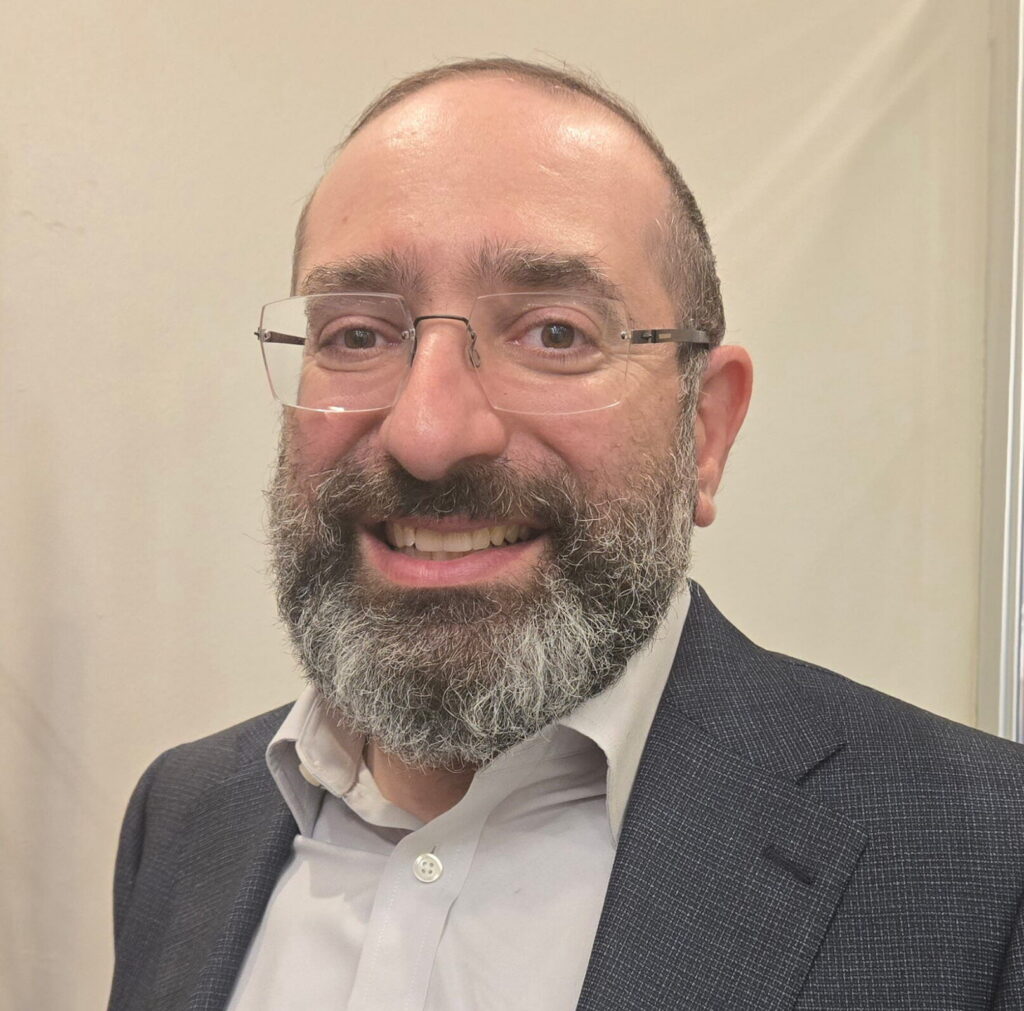
Surprise candidate Shimon Blau cleared to face off against Melat Kiros in November
Ernest Luning
ernest.luning@coloradopolitics.com
Updated 5 days ago
Unaffiliated congressional candidate Shimon Blau, a Denver doctor, has qualified by petition for the general election in Colorado’s 1st District, where Democrat Melat Kiros defeated 15-term U.S. Rep. Diana DeGette in last month’s primary, the Colorado Secretary of State’s Office...
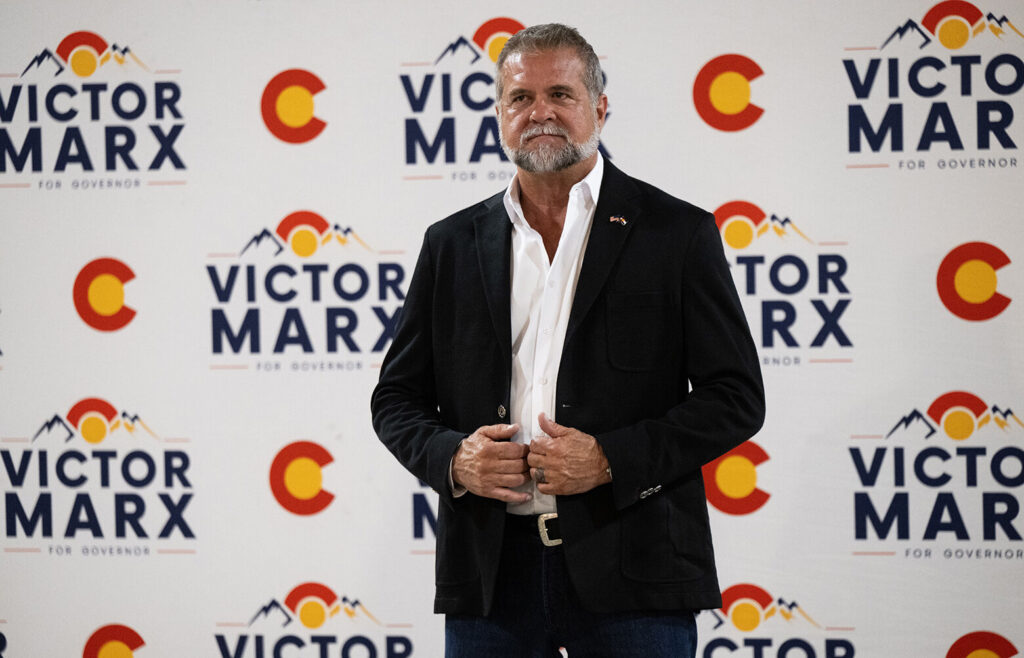
Victor Marx, GOP candidate for governor, faces 100-plus campaign finance complaints
Marianne Goodland
marianne.goodland@coloradopolitics.com
Updated 2 days ago
Victor Marx’s gubernatorial campaign has been hit with more than 140 campaign finance complaints, although most have been consolidated by the state’s election office because they follow similar alleged violations. Marx faces Attorney General Phil Weiser, who won the Democratic...
Jefferson County to fill commissioner vacancy after Dahlkemper tapped for lieutenant governor
Matt Kyle
matt.kyle@denvergazette.com
Updated 6 days ago
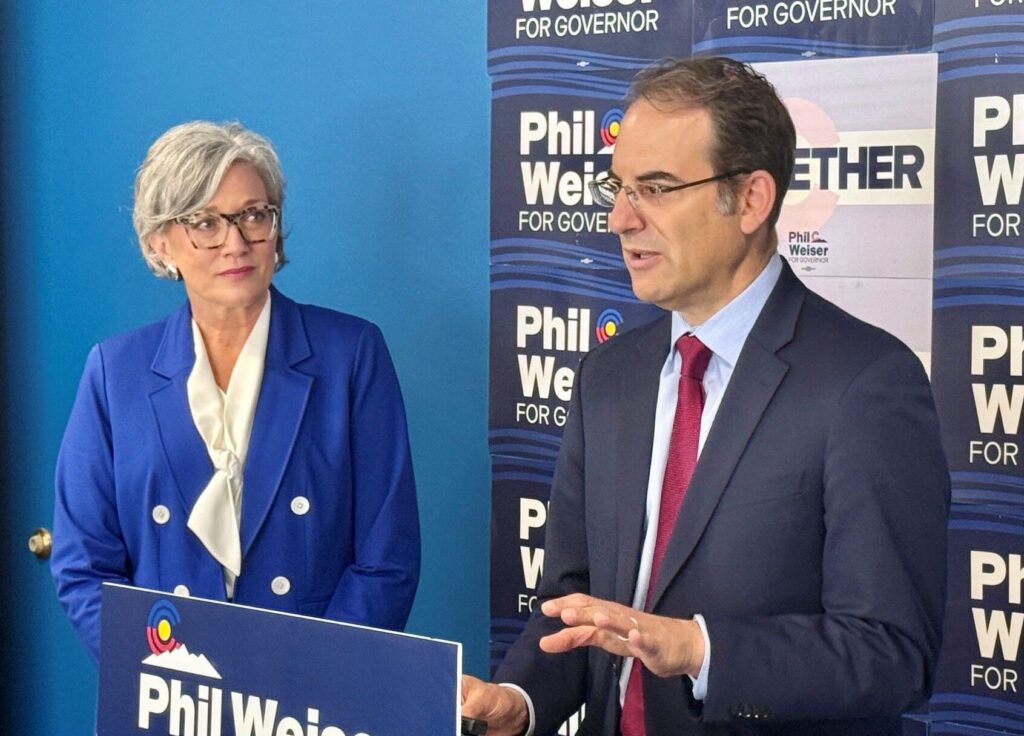
Democratic gubernatorial nominee Phil Weiser on Wednesday announced that Jefferson County Commissioner Lesley Dahlkemper would be his lieutenant governor, meaning she would be leaving her commissioner seat open should he win the race in November. However, Dahlkemper’s term was already...
Democrat Phil Weiser names Jeffco Commissioner Lesley Dahlkemper as his gubernatorial running mate
Ernest Luning
ernest.luning@coloradopolitics.com
Updated 1 week ago
Colorado Attorney General Phil Weiser, the Democratic nominee for governor, on Wednesday named Jefferson County Commissioner Lesley Dahlkemper to be his lieutenant governor running mate in the general election. Calling her “someone who can be a governing partner,” Weiser said...
Democrat John Hickenlooper hauls in $1.3 million in 2nd quarter in Colorado’s U.S. Senate race
Ernest Luning
ernest.luning@coloradopolitics.com
Updated 2 weeks ago
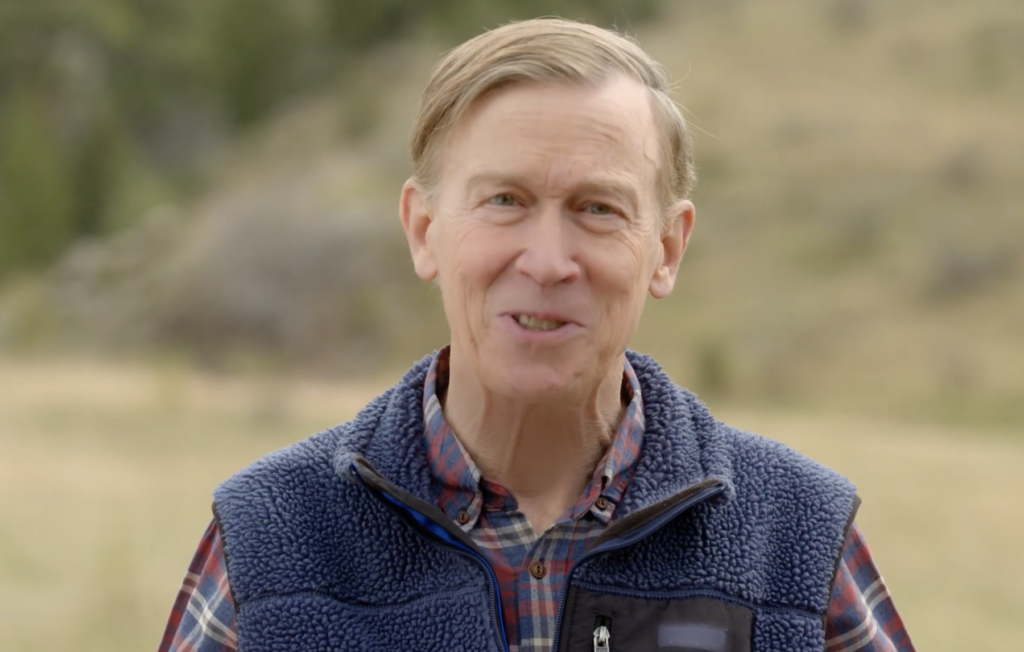
U.S. Sen. John Hickenlooper’s reelection campaign raised just over $1.3 million in the year’s second quarter and finished the period with $2 million in the bank, leaving the first-term Democrat with nearly 80 times as much cash on hand as...

Campaign launched to redirect $1 billion in TABOR refunds to education
Marissa Ventrelli
marissa.ventrelli@coloradopolitics.com
Updated 1 week ago
A coalition that includes the state teachers’ union on Tuesday launched a campaign for a ballot proposal that would reduce more than $1 billion in taxpayer refunds and spend the money on education. The measure is among several campaigns taking...

WATCH: Trump speaks on elections in primetime address
The Associated Press
the-associated-press@coloradopolitics.com
Updated 2 weeks ago
WASHINGTON (AP) — President Donald Trump will deliver a primetime address Thursday that he says will include a focus on elections. The speech comes as he’s escalated calls for Republicans to pass tighter federal voting rules for November’s midterm elections....

Signatures submitted to cap Colorado’s income tax rate
Marissa Ventrelli
marissa.ventrelli@coloradopolitics.com
Updated 2 weeks ago
The group behind a ballot measure aiming to cap the state’s income tax at the current rate has submitted signatures from voters to election officials for review, part of the tug and pull in Colorado between opposing political forces fighting...