

Anger, frustration, fear reign as first anniversary of Israel-Hamas war descends — but hope remains
The one-year anniversary of the Oct. 7 attack on Israel by the Palestinian militant group Hamas is being met with a mood of somberness and waning optimism in Colorado Springs and other communities.
“It’s very difficult to be Jewish, Israeli, Muslim, Palestinian, Arab right now. It’s very difficult to be human right now,” said Associate Professor G. Carole Woodall, who teaches history at the Colorado Springs campus of the University of Colorado.
While events are planned in cities around the nation to remember the day Hamas launched a surprise attack at a concert in Israel near the Gaza border, killing more than 1,200 people and kidnapping 250 civilians, the weight of Hezbollah, an Iran-backed Shiite militia based in Lebanon, expanding violence against Israel, and Israel Defense Force’s counterattack, feels almost too heavy to bear.
The Oct. 7 tragedy — recognized as the largest attack on Jewish people since the Holocaust — is “a very omnipresent kind of awareness,” said Jeff Ader, president of Temple Beit Torah, a reform synagogue in Colorado Springs.
“I think people will be briefly remembering the anniversary of a very heinous, abhorrent act of terrorism that moved the tensions in the region into what seems like all-out war,” he said. “There’s a lot of sadness, a lot of anger, a lot of frustration.”
Ader said Jews are still holding out hope that remaining missing hostages, presumably alive while being held in Gaza, will be reunited with family and friends.
War rages on multiple fronts as Israel marks a year since Hamas’ Oct. 7 attack
And they stand by Israel’s right to defend itself, he said, particularly after the atrocities Hamas committed in raping, beheading, maiming and inflicting other brutality against innocent people.
“These are the kinds of things that no human being should ever do or have done to them,” he said.
Pro-Palestinian groups have protested Israel’s military response and the devastation in the West Bank, saying the fighting is lopsided as many more Palestinians have died than Israelis.
Around the world, pro-Palestinian protests were held over the weekend, in cities including New York City; Austin, Texas; Istanbul, Turkey; Rome, Italy; Santiago, Chile; Bengaluru, India; and Quito, Ecuador.
“We are terribly saddened by the fact that innocent civilians on both sides are being killed,” Ader said. “I think we all decry, we all denounce the life of innocent lives — there’s no doubt about that.”
Local public protests have been subdued in recent months, which concerns Woodall, who said she does not speak for UCCS but is expressing personal views.
“It’s been quiet on campus, and that is I think what I find to be disturbing, given the number of Palestinian deaths, at 41,000 being reported and the sense that thousands of bodies have not been identified and recovered,” she said.
Silence suggests normalization of the situation, Woodall said.
“As opposed to — which is my question — how do we continue to sustain a dialogue about what is continuing?” she said. “That it’s not just over there, that it actually does resonate here with people that might feel uncomfortable to say something or might not know how to say something.
“There’s an enormity to it; there’s also a sense of helplessness, of being hopeless and trying to tap into those reactions is really important to recognize, respect and use as a place to start having a conversation.”
That the fighting has intensified in recent weeks is “alarming,” Woodall said, as she believes nothing will change the dynamic of the Middle East until the battles cease.
Israel marks Oct. 7 anniversary under shadow of escalating war
After the war started last year, Woodall organized two teach-ins about the Middle East and conflict between Israel and Hamas on the UCCS campus. She said her message has been consistent: “how can we as a community continue to sustain a dialogue.”
“I want to think through what does it mean to recognize genocide and at the same time be able to have a conversation,” Woodall said. “I have friends in the West Bank, Beruit and Jerusalem, and I position the work I do in the classroom as based on humanizing the region, starting with a name, and with a name comes history.”
Ader believes some pro-Palestinian protesters do not understand the history of the region and how terrorist groups like Hamas and Hezbollah have “been winning the propaganda war by lying to people.” Israel became a nation state in 1948, and a takeover in 2007 led Hamas to become the governing body.
“Because of the way Hamas and Hezbollah use citizens as human shields, there are human lives being lost all the time in Palestine, Lebanon and Israel,” Ader said. “That saddens us because we cherish human life and all people’s right to peace and freedom.”
It’s been a tough year, physically and spiritually, said Rabbi Boaz Vituk, executive director of Chabad of Colorado Springs Jewish Community. He said he has family, friends and rabbinical peers in Israel.
“Many Chabad houses and Jewish communities in Israel are bending over backwards and struggling to take care of Jewish soldiers and families, who have members or friends who were injured or murdered,” Vituk said.
Rabbis worldwide are emphasizing unity within the Jewish nation and across the globe, he said.
“Our biggest strength is our unity, which we ask for in our prayers,” Vituk said. “Blessings come when there is unity and God’s presence, and then there is no hatred toward some of us. We have many differences — in our outlooks on life, observance of faith and politics, which can separate people.”
In one year of war, Israel strikes 40,000 Hamas targets in Gaza
Last year’s bombings began at the onset of the Jewish observance of the “10 days of repentance,” which include the high holy days of Rosh Hashanah, held last week to signify new beginnings, and Yom Kippur, which begins Friday evening, and is when Jews seek to atone for their sins and reconcile with God.
The messages are related to hope, Ader said.
“We believe every day that dawns is a new day that gives us a chance to redeem ourselves, to make the world a better place and have a positive impact on humanity,” he said. “Rosh Hashanah and Yom Kippur teach that and help us name this new beginning and rekindle the flame of peace and hope and freedom.”
The Chabad rabbi, Vituk, said: “We believe through charity, prayer, unity, repentance, kindness and study of Torah, we will ring the blessing that the nation of Israel will be redeemed from oppressors.”
Is peace possible?
“The title of the national anthem of Israel, Hatikvah, means hope (in Hebrew). We always have hope,” said Ader of Temple Beit Torah. “At this point in time it’s overshadowed by a little bit of pessimism, but there’s always hope.”


Democratic group aims Spanish-language TV ad at Gabe Evans in Colorado’s battleground 8th CD
Ernest Luning
ernest.luning@coloradopolitics.com
Updated 1 hour ago
A national group tied to House Democratic leadership launched a six-figure Spanish-language TV ad in Colorado this week targeting Republican U.S. Rep. Gabe Evans and the GOP’s signature budget legislation. The 30-second spot is part of $15 million in new...

Colorado School of Mines lands major share in Trump’s $100M mining-education plan
Thelma Grimes
thelma.grimes@coloradopolitics.com
Updated 1 hour ago
President Donald Trump on Friday named the Colorado School of Mines among roughly a dozen institutions that will share in a $100 million commitment “to train the next generation of American miners.” Paul Johnson, the university’s president, said he is...
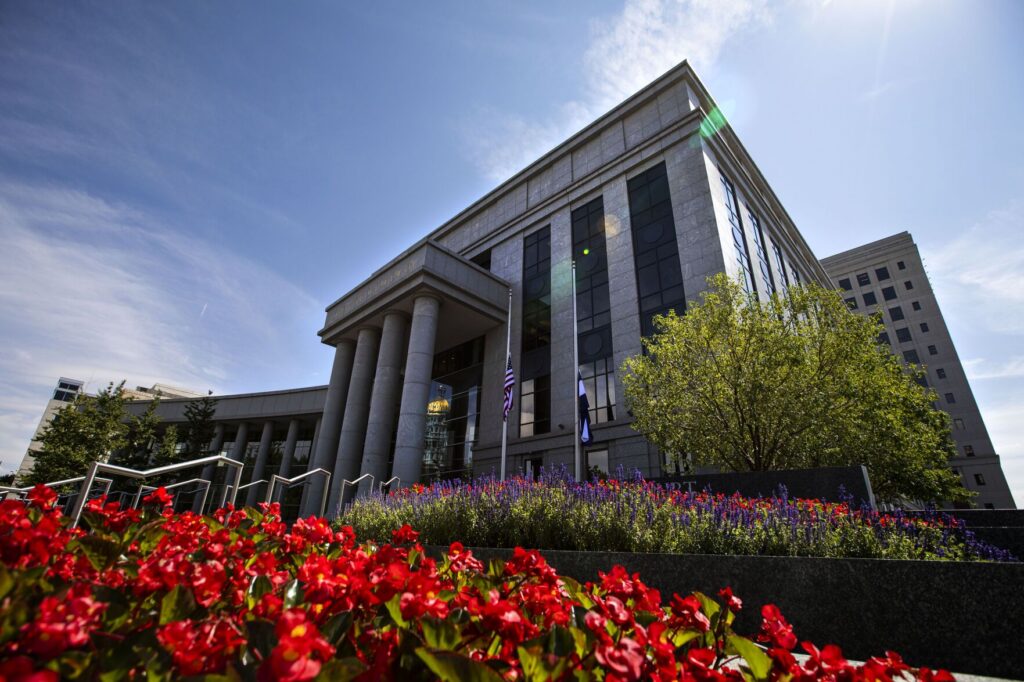
Local party leaders, incoming judge among members of judicial performance commission that violated law
Michael Karlik
michael.karlik@coloradopolitics.com
Updated 1 hour ago
A local Democratic leader and 2024 presidential elector. A legislative aide and leader in the Young Republicans. An incoming county court judge freshly appointed by the governor. They are among the eight members of the northeastern Colorado judicial performance commission...

Judge dismisses lawsuit seeking records from Colorado Democratic group
Marianne Goodland
marianne.goodland@coloradopolitics.com
Updated 2 hours ago
A lawsuit seeking to obtain records from Democratic lawmakers affiliated with a caucus has been thrown out by a Denver District Court judge. On July 17, Judge Ericka Englert dismissed the April lawsuit filed by progressive activist Derrick Blanton, who...

US job market stalled in July as employers cut 23,000 jobs, delivering political setback to Trump
The Associated Press
the-associated-press@coloradopolitics.com
Updated 9 hours ago
WASHINGTON (AP) — The U.S. job market stalled unexpectedly last month, delivering a political blow to President Donald Trump three months ahead of midterm elections and complicating decision-making for the inflation fighters at the Federal Reserve. Employers cut 23,000 jobs...
Colorado must continue finding common ground on wildfire policy | GUEST COLUMN
Colorado Politics
colorado-politics@coloradopolitics.com
Updated 1 day ago
By John Herrick Colorado has never lacked for opinions about wildfire policy. We debate forest management, climate change, prescribed burns, land use, air quality and budgets. Those debates are familiar territory, but a new discussion is beginning to happen around...
Proposition NN is the best investment for Colorado’s students and schools | GUEST COLUMN
Colorado Politics
colorado-politics@coloradopolitics.com
Updated 1 day ago
By Justin Ogden Colorado families know what it means to make difficult budget decisions. Inflation has driven up the cost of groceries, housing, utilities and just about everything else. Families like mine work hard to stretch every dollar while still...
DOJ official decries ‘nonsense’ in Jeffco schools at fundraising gala
Matt Kyle
matt.kyle@denvergazette.com
Updated 6 hours ago
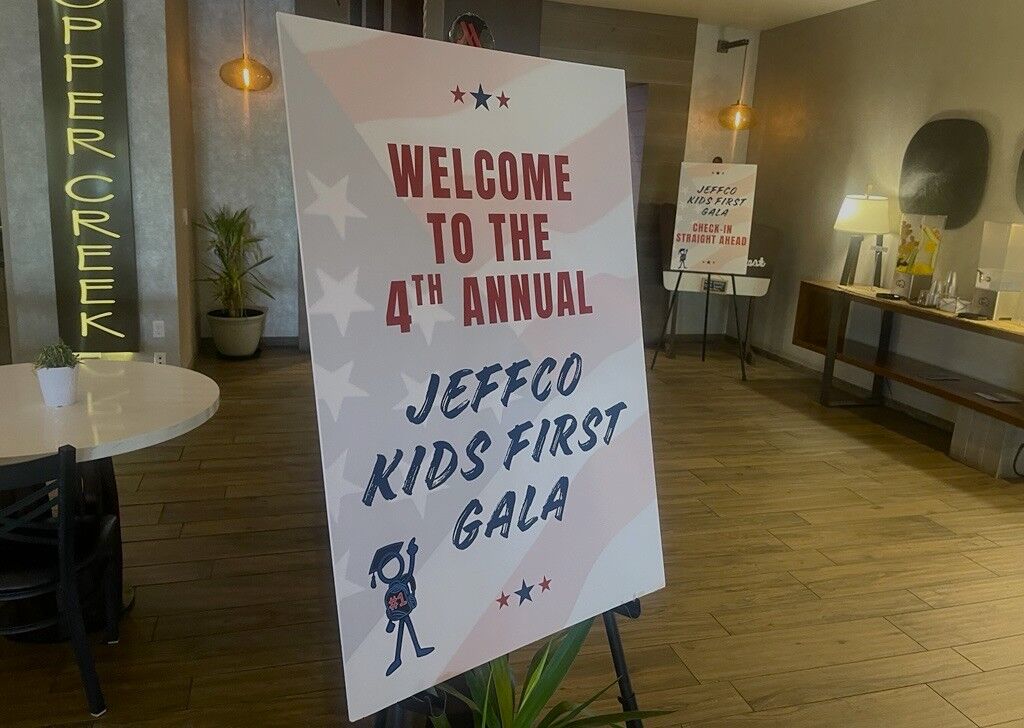
Amid a legal battle between Jeffco Public Schools and the federal government, a Department of Justice official spoke at a fundraising gala and decried “crazy stuff” and “nonsense” in the school district. The gala was for Jeffco Kids First, an...
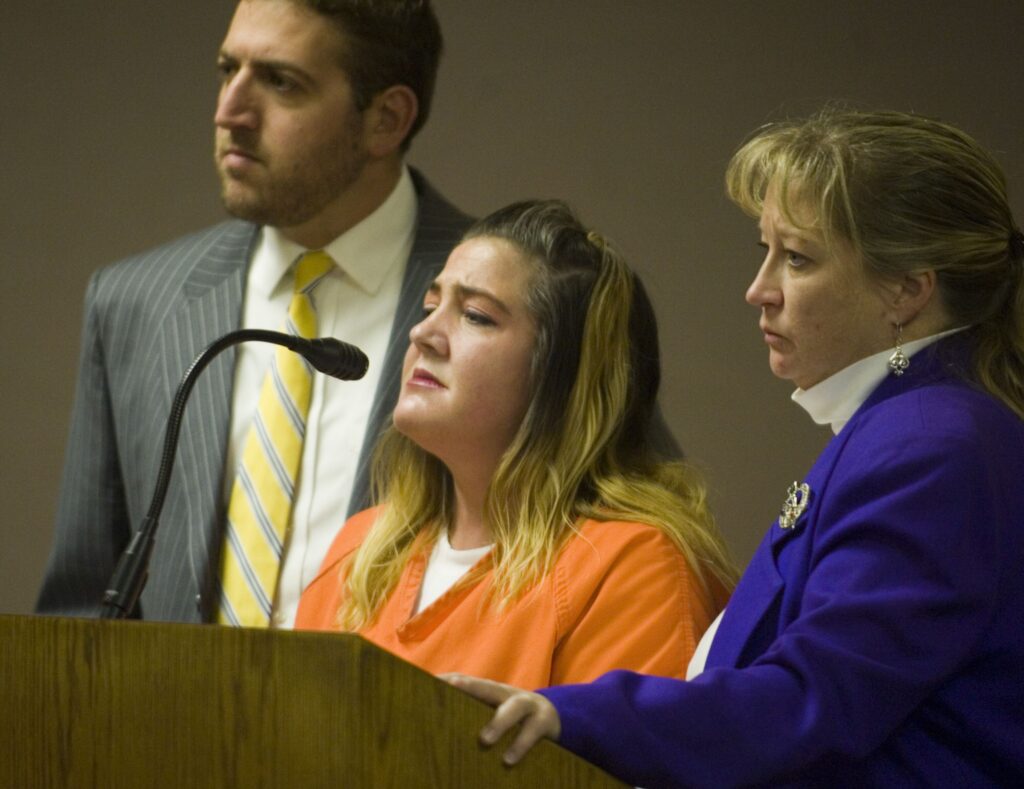
Colorado Springs mother Deborah Nicholls’ murder conviction overturned
Nick Smith
nick-smith@coloradopolitics.com
Updated 23 hours ago
A Colorado Springs mother convicted in 2008 of murdering her three children in a house fire might get a new trial after a judge ruled that prosecutors withheld key evidence that could have impacted the jury’s verdict. Deborah Nicholls, whose...

Aurora Community College student journalist accuses college of ‘unconstitutional gag order’
Kyla Pearce
kyla.pearce@gazette.com
Updated 9 hours ago
An Aurora Community College student is accusing the college of putting an “unconstitutional gag order” on his student-run publication, saying the college banned it from publishing until students jumped through “countless bureaucratic hoops.” A college spokesperson said the college is...