

The long arm of livestock-theft law | GABEL

Rachel Gabel
Robert Crowder appeared in Weld County Court before Judge Allison Esser on June 11 charged with illegal branding, a class-6 felony, and attempting to influence a public official, a class-4 felony. Brand Commissioner Todd Inglee said it was the first case to bring brand laws before a judge in several years. Crowder was found not guilty, an outcome Inglee said was disappointing, but doesn’t diminish the importance of the laws or the seriousness with which the Brands Division of the Colorado Department of Agriculture takes the crimes.
The Brand Division predates the state of Colorado and livestock theft, once a hanging crime, is difficult to convict. Because most livestock producers are law-abiding citizens and due to the dedication of the state’s brand inspectors, few cases of livestock crimes make it before the bench.
Stay up to speed: Sign up for daily opinion in your inbox Monday-Friday
Crowder’s case, however, did and the eyes of livestock producers across the state were on the hearing.
Crowder allegedly purchased 34 head of calves from another producer in June of 2023. He hauled them to rodeos and used them throughout the summer as roping calves. He did so without a permit through the brand office, and without paying for the calves. A recording of a colorful conversation between debtor and payee was played in court, though the balance remained unpaid. Then, according to the court proceedings, Crowder branded the calves with his brand, signifying ownership, and sought to sell the calves. The original seller who still owned them discovered this and, months later, the two were in court.
Eventually, a third party purchased the calves and paid the original seller directly the $22,000 owed.
There are some quite sophisticated cattle rustling schemes, but this isn’t one of them. In one case, cattle feeder Cody Easterday in Washington swindled Tyson out of millions of dollars by creating a “ghost herd” of 265,000 head of cattle and charging for their purchase, feed and care. It’s likely the magnitude of the scam affected the price consumers pay for beef. For context, Easterday was ordered to pay $244 million, which, according to the Department of Justice’s sentencing recommendation, is enough to fund the area’s entire police budget for eight years.
In watching the court hearing, it was apparent there were two distinctly different languages spoken in the courtroom. There was the language spoken by the judge and attorneys and the language spoken by those who appeared to speak about the difference between calves and steers and of brand inspections and rodeo permits. It left me confused and thinking the defense attorney successfully heeded the advice I once received: if you can’t dazzle them with your brilliance, baffle them with your bullshit. Even though I am able to speak both languages with some proficiency, I was confused.
Despite the lack of sophistication demonstrated by Crowder and his alleged crimes, livestock theft isn’t as it was once depicted in western movies when the good guys and the bad guys are clearly identifiable. There are significant dollars at stake and because the crimes likely don’t make as much sense to judges, juries and attorneys as a shoplifting case or a robbery or the other types of crimes that so often clutter the nightly news, they are difficult to prosecute.
Inglee and the brand supervisors and inspectors around the state are continuing to reach out to the offices of district attorneys and law enforcement to guide them and support them through these unfamiliar crimes. Judges, of course, serve at the pleasure of the people, and if in livestock theft cases or any other cases aren’t making the decisions supported by voters, those voters have recourse on their ballot.
As much as I dislike the term “urban-rural divide” we spend so much time lamenting, it was on full display in Weld County court last week. The same brand laws penned in 1865 apply to livestock crimes today, something notably impressive. It speaks to the wisdom of those upon whose shoulders the brand board stands. It also speaks to the relevance of brands and brand laws, which are as important now as in the 1800s. With brand inspectors deterring theft by inspecting some 4 million head of livestock annually, the security of the multi-billion-dollar livestock industry is protected for the benefit of producers and consumers alike.
Rachel Gabel writes about agriculture and rural issues. She is assistant editor of The Fence Post Magazine, the region’s preeminent agriculture publication. Gabel is a daughter of the state’s oil and gas industry and a member of one of the state’s 12,000 cattle-raising families, and she has authored children’s books used in hundreds of classrooms to teach students about agriculture.

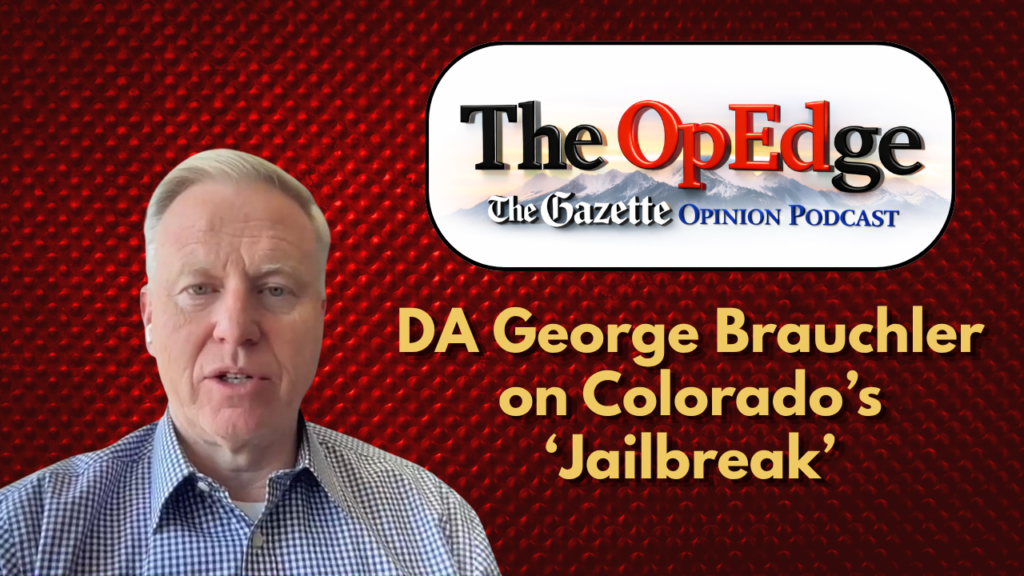
George Brauchler on Colorado’s ‘Jailbreak’ | The OpEdge Podcast
Tony Olivero
tony.olivero@gazette.com
Updated 47 minutes ago
We are pleased to introduce the inaugural episode of The OpEdge — The Gazette’s new opinion podcast. District Attorney and law enforcement hawk George Brauchler tells host and investigative columnist Jimmy Sengenberger what lawbreakers can expect in the 23rd Judicial District. Brauchler recaps...
Update, safeguard Colorado’s mail ballot with voter ID | PODIUM
Colorado Politics
colorado-politics@coloradopolitics.com
Updated 3 hours ago
By Chuck Broerman and Suzanne Taheri Coloradans often refer to our state as a leader for accessible and secure elections. We have led on all-mail ballots, automatic voter registration, and same-day registration, turning Colorado into a model for modern elections...
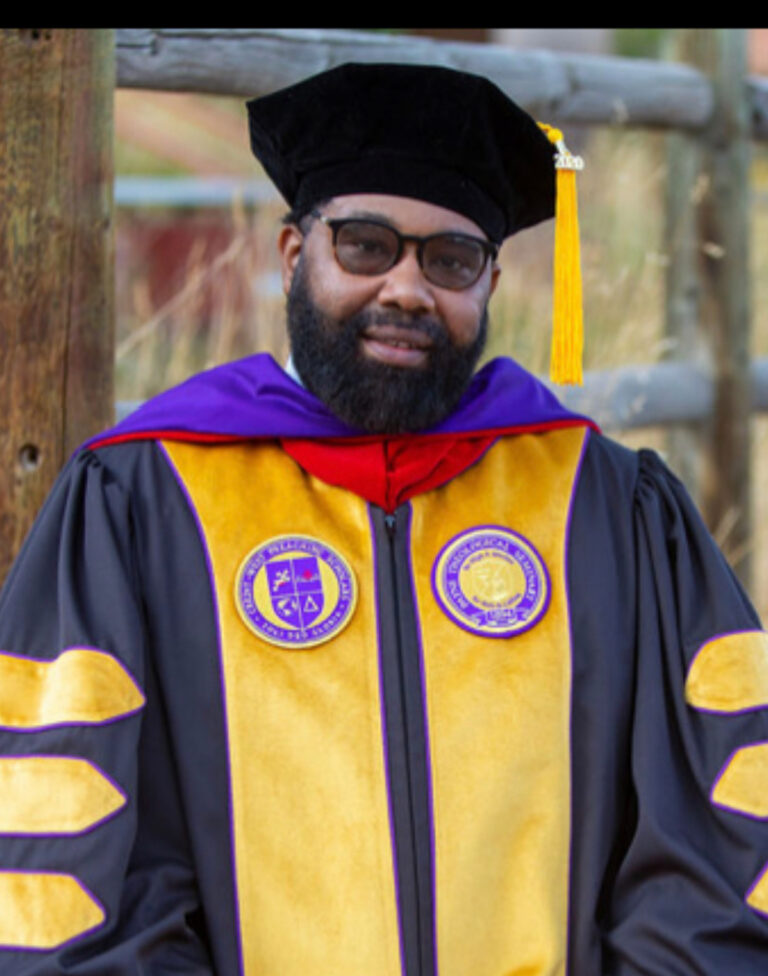
Preserving access for vulnerable communities should be a top priority in Congress | OPINION
Colorado Politics
colorado-politics@coloradopolitics.com
Updated 3 hours ago
By Tony Henderson As both a minister and as president of the NAACP Denver, I believe access to high-quality, accessible health care is a right that should be afforded to each and every one of us. To that end, Medicare...
Yet again, when rights are in conflict | Hal Bidlack
Hal Bidlack
hal-bidlack@coloradopolitics.com
Updated 1 day ago
I admit, it is going to take quite a bit of self-control to not have this entire column end up being yet another screed about a certain president who continues to shock the world in his race to the bottom...

Turn blueprint into action with the Outdoors Opportunities Act | OPINION
Kent Thiry
kent-thiry@gazette.com
Updated 1 day ago
Nearly a year has passed since Gov. Jared Polis, Colorado Parks and Wildlife, the Colorado Department of Natural Resources, Colorado’s Outdoor Recreation Industry Office and other key partners finalized the visionary Colorado Outdoor Strategy, establishing the framework to ensure Colorado’s...
Let Colorado’s communities govern their own neighborhoods | OPINION
Colorado Politics
colorado-politics@coloradopolitics.com
Updated 1 day ago
By Jeff Bailey and Cindy Bailey Coloradans have always done things their own way. From how we manage our land to how we build our economies, the instinct to govern locally — to trust mayors, councils and commissioners over distant...

Threats inside and out loom for Colorado’s Republicans | Dick Wadhams
Dick Wadhams
dick-wadhams@coloradopolitics.com
Updated 3 days ago
Colorado Republicans made strides in 2024 despite an insidious state chairman who tried to defeat successful Republican candidates. Newly elected U.S. Reps. Gabe Evans, Jeff Hurd and Jeff Crank fought off unethical opposition from their own state party chairman, making...

Is it time for both parties to bail on Colorado’s political nominating system? | Miller Hudson
Miller Hudson
miller-hudson@coloradopolitics.com
Updated 3 days ago
Cracks are beginning to appear in Colorado’s political nominating system. Recently, Mario Nicolais, a formerly Republican-leaning pundit, and Doug Friednash, former Democratic legislator, have opined regarding the imminent demise of the caucus/assembly framework which controls partisan candidate selection. There has...

Recognizing the value of generational work | Rachel Gabel
Rachel Gabel
rachel-gabel@coloradopolitics.com
Updated 3 days ago
The Lesser Prairie Chicken habitat in southeastern Colorado is a swath of prairie that begins in Cheyenne and far-southeastern Lincoln counties and moves south and east into Kiowa, Prowers and Baca counties. This is cattle country where the short grass...

Why the controversy with mail-in ballots? | Cronin & Loevy
Tom Cronin Bob Loevy
tom-cronin-bob-loevy@coloradopolitics.com
Updated 3 days ago
Most Coloradans enjoy the right to vote “by mail” at election time. Most Americans favor this process. But U.S. President Donald Trump is trying to federalize (nationalize) this practice and shift the supervision of voting from county clerks to the...