

Federal judge refuses to dismiss lawsuit of Highlands Ranch man attacked by police dog
A federal judge on Wednesday refused to dismiss a lawsuit against two Douglas County sheriff’s deputies whose dog bit the sleeping resident of a Highlands Ranch home as the result of an alleged misunderstanding about a burglary.
Tyler Luethje sued Deputies Travis Kyle and Scott Kelly for excessive force, wrongful arrest and unlawful entry after they responded to a report that someone had broken into Luethje’s house. The deputies, according to Luethje’s lawsuit, quickly sent their dog inside the home, where it bit Luethje in his bedroom and caused lasting nerve damage.
In a June 5 order, U.S. District Court Judge Charlotte N. Sweeney rejected the defendants’ attempt to dismiss the case, finding the allegations suggested there was no immediate danger that would have justified the warrantless entry into Luethje’s house.
“Defendants failed to exercise any restraint prior to releasing the dog and entering the home; they made no attempt to knock on the door or ring the doorbell before releasing the police canine,” she wrote. “Instead, they released the canine into a private residence at approximately 7:00 p.m. where it could have bitten (and, in fact, did bite) a resident of the home.”
In Luethje’s narrative, the deputies arrived at his home one evening in February 2022 in response to a 911 caller’s report that someone had broken a window on a house. Kyle allegedly broke the rest of the glass when he arrived so the police dog could enter through the window. The dog located Luethje, who was alone in the house, and bit down on him.
“I live here!” Luethje allegedly screamed repeatedly. The deputies found Luethje, who disclosed he was the one who broke the window. The deputies then handcuffed him and escorted him to their patrol vehicle, where Luethje was in “extreme pain.” As Luethje went to the hospital for his injuries, the deputies searched his home without a warrant.

FILE PHOTO
In moving to dismiss Luethje’s claims, the defendants attached a recording of the 911 call and asked Sweeney to consider it. The caller was a passerby walking his dog, who told the dispatcher:
• The intruder “maybe just was breaking into his house because he lost his keys or something.”
• “He was breaking a window. He stopped.”
• “I’m not gonna go back and check” the address. “I’m so sorry. It’s really cold and snowing like crazy.”
• “It might be his house and he lost his keys. I don’t know.”
In response, the dispatcher told officers the caller “couldn’t give a description” and “he said the male party took off running.”
In the final seconds of the recording, an unidentified deputy standing outside the home said he was “going to start making announcements and see if we can get him to come out” and, seconds later, “sending in the dog now.”
The deputies’ motion to dismiss argued the 911 call illustrated they had a reasonable belief a burglary was in progress and a victim “may be in imminent danger.”
“When the Deputies arrived, they personally observed evidence of the broken entry,” wrote the Douglas County Attorney’s Office. “The idea that the homeowner would break his own front window after dark on a ‘freezing cold’ February evening, and then run away from his own home leaving the pipes to burst, is beyond logical explanation.”
Sweeney, however, saw things differently.
Once they contacted Luethje, “Defendants did not ask him why he broke the window or whether he owned the home. They simply arrested him,” she wrote. “Had they asked, the answer may have been simple: that he had lost his keys and he broke the window because it was frigid outside. Indeed, in considering the 911 audio Defendants asked the Court to consider, the 911 caller acknowledged that the person who broke the window may have just lost his keys.”
Sweeney concluded the allegations, if proven, showed the deputies acted unreasonably in entering the home and using force on Luethje. She allowed the claims to proceed.
The case is Luethje v. Kyle et al.


Federal judge sanctions Pueblo for destroying evidence in lawsuit
Michael Karlik
michael.karlik@coloradopolitics.com
Updated 3 hours ago
A federal judge imposed sanctions on the city of Pueblo last week after it disposed of a key piece of evidence shortly after the plaintiffs filed suit seeking damages for the destruction of their home. On June 25, 2022, a...
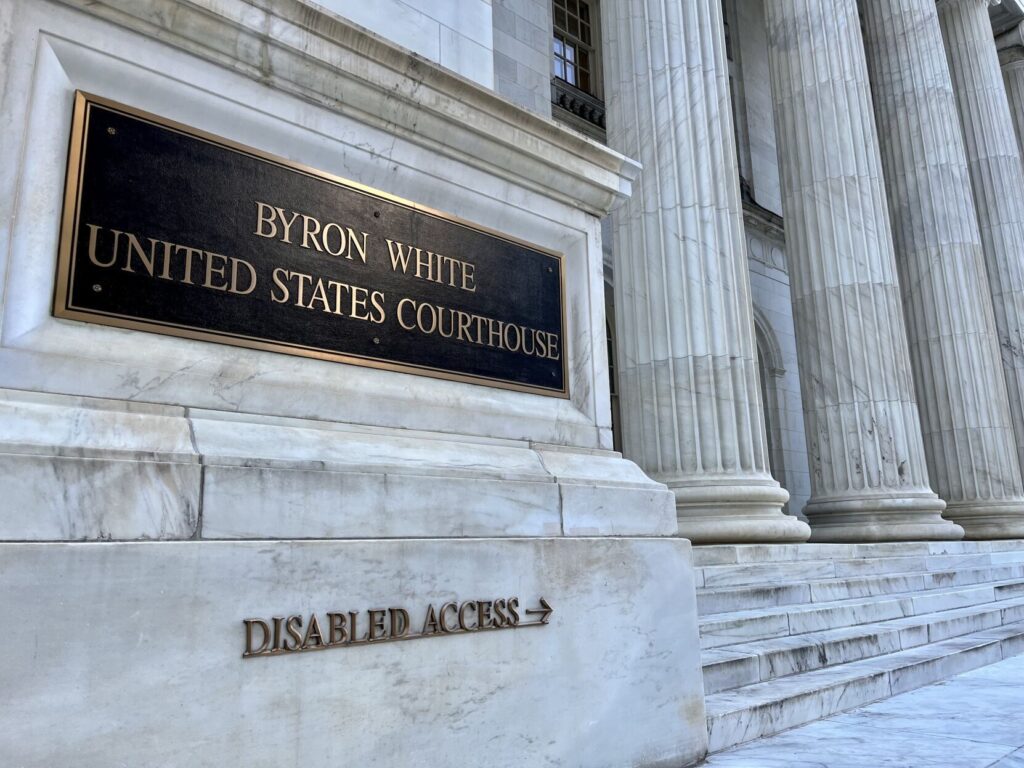
10th Circuit orders lawyer to pay $1,000 for faulty AI citations
Michael Karlik
michael.karlik@coloradopolitics.com
Updated 13 hours ago
The Denver-based federal appeals court ordered a lawyer on Monday to pay $1,000 to the opposing side for submitting a legal filing with fake case citations generated by artificial intelligence. A three-judge panel of the U.S. Court of Appeals for...

Supreme Court finalists selected, federal judges slash backlogs | COURT CRAWL
Michael Karlik
michael.karlik@coloradopolitics.com
Updated 1 day ago
Welcome to Court Crawl, Colorado Politics’ roundup of news from the third branch of government. Coloradans learned who the three finalists are for a state Supreme Court vacancy, and new data show that Colorado’s federal trial judges reduced their backlog...
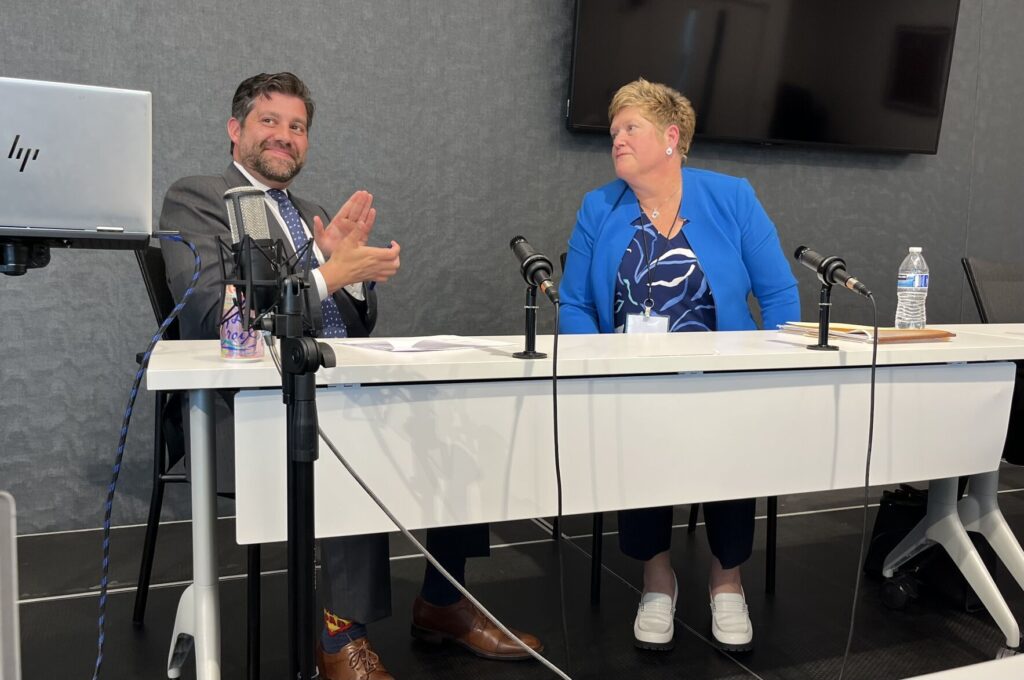
Federal judge blasts government for violating court order, confiscating man’s property
Michael Karlik
michael.karlik@coloradopolitics.com
Updated 2 days ago
A federal judge gave the government three hours on Friday to return the property of a man released from immigration detention, which it allegedly retained in violation of her previous order. “At its most benign, this failure is an unforced...
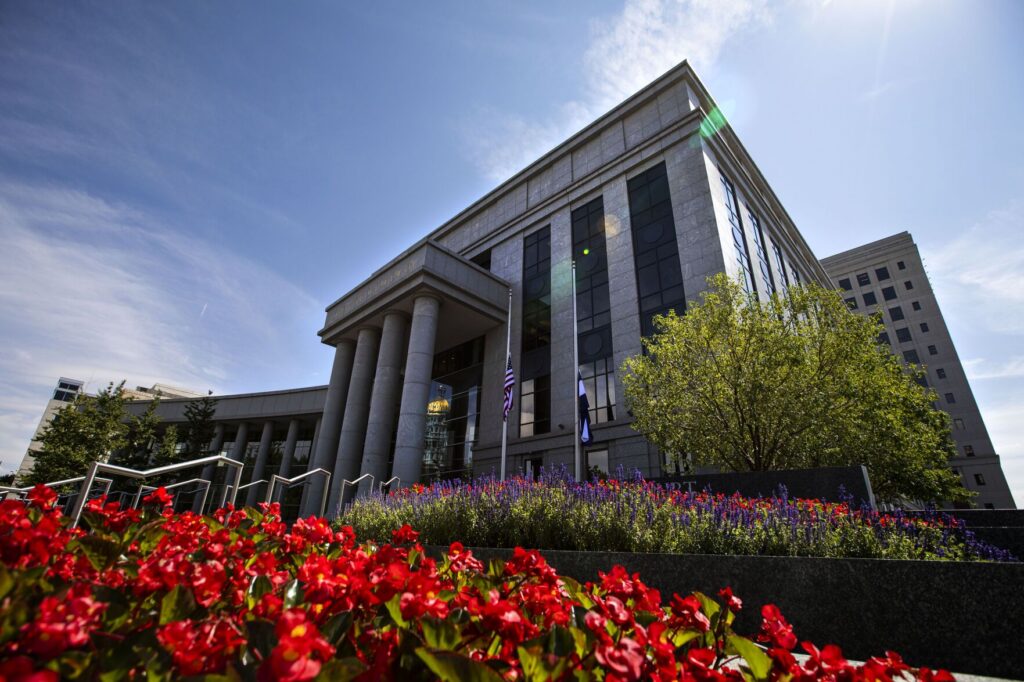
DA’s withdrawal from veterans treatment court not judge’s problem, ethics panel says
Michael Karlik
michael.karlik@coloradopolitics.com
Updated 4 days ago
There are no ethical concerns from a judge continuing to participate in a specialty veterans treatment court if the district attorney’s office has withdrawn from the program, the Colorado Supreme Court’s ethics committee advised on Wednesday. Colorado law permits chief...
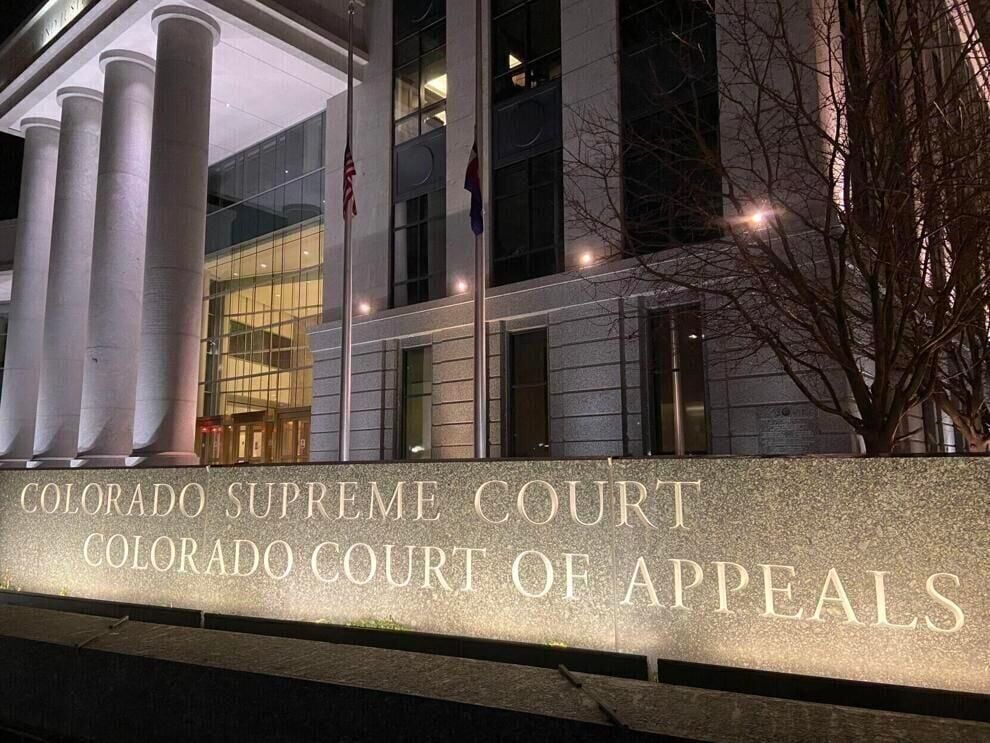
Divided appeals court orders insurance company to pay $35,600 for delayed disclosure of policy
Michael Karlik
michael.karlik@coloradopolitics.com
Updated 4 days ago
Colorado’s second-highest court concluded on Thursday that an insurance company violated state law when it refused to disclose an automobile policy to an injured motorist for nearly one year after she requested it. By 2-1, a three-judge Court of Appeals...
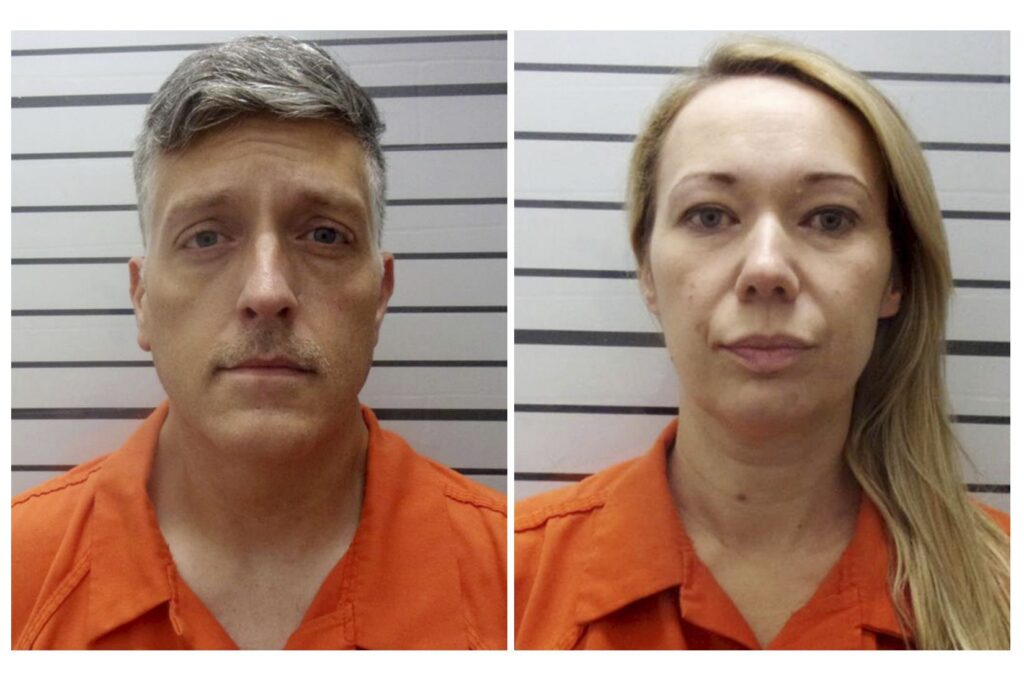
Judge expected to decide Monday whether to accept latest plea agreements for Hallfords
Mackenzie Bodell
mackenzie-bodell@coloradopolitics.com
Updated 4 days ago
An El Paso County judge is expected to decide Monday whether to accept new negotiations that would extend the prison sentence for Jon and Carie Hallford, coming on the heels of the court rejecting the original plea agreements for the...
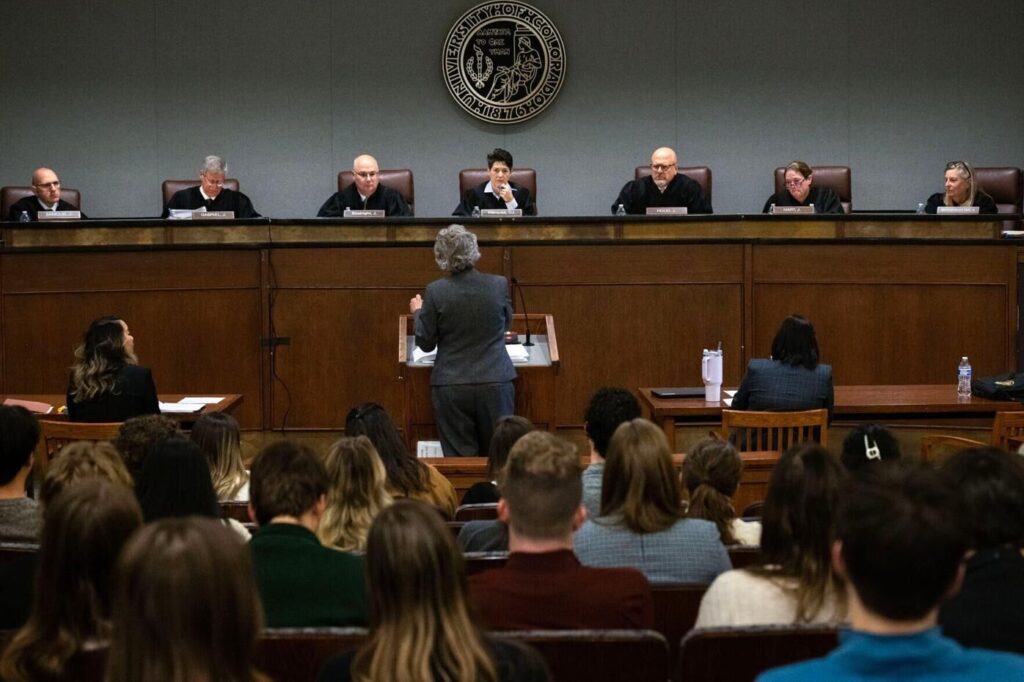
Who are the 3 finalists for the Colorado Supreme Court?
Michael Karlik
michael.karlik@coloradopolitics.com
Updated 5 days ago
A citizen-led nominating commission has chosen the finalists for a vacancy on the Colorado Supreme Court, the first opening in five years on the seven-member court. The vacancy arose after the unexpected resignation of Justice Melissa Hart, who formally departed...
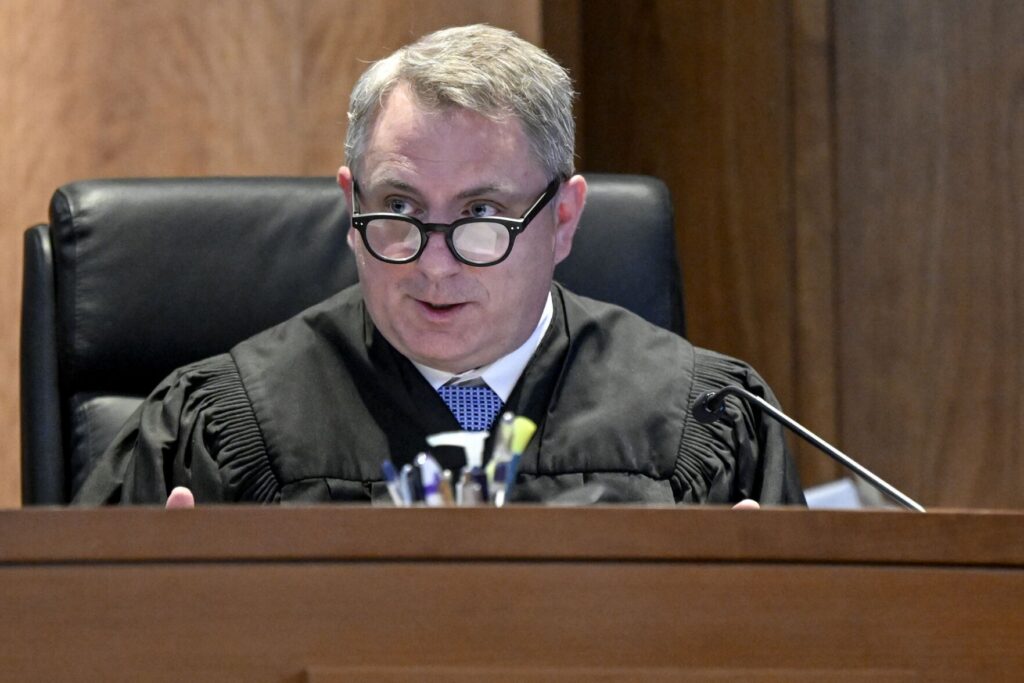
Christopher Zenisek, trial judge experienced with high-profile cases | SUPREME COURT FINALISTS
Michael Karlik
michael.karlik@coloradopolitics.com
Updated 5 days ago
After the Marshall fire burned through Boulder County in the final days of 2021 and wound up destroying more than 1,000 homes, the sprawling 4,000-plaintiff litigation was assigned to District Court Judge Christopher Zenisek of Jefferson County. Zenisek would go...
Andrea Wang, water and energy expert | SUPREME COURT FINALISTS
Michael Karlik
michael.karlik@coloradopolitics.com
Updated 5 days ago
When the late Chief Justice Mary Mullarkey authored a 2002 opinion in the complex and long-running Taylor Ranch case involving landowners’ claims to access a 77,000-acre tract in the San Luis Valley, she worked with her law clerk, Andrea S....