

Colorado makes free therapy services for youth permanent; candidate rejects GOP endorsement over call to burn Pride flags | WHAT YOU NEED TO KNOW
Today is June 5, 2024, and here’s what you need to know:
Colorado makes I Matter program permanent, offering free therapy sessions for youth
A state program that provides young people mental health services will continue, as Gov. Jared Polis and the state legislature have made preserving it a priority in the last two sessions.
At the beginning of the 2024 session, Sen. Michaelson Jenet, D-Commerce City, said one of her top priorities was to ensure that the I Matter program, which was slated to expire on June 30 of this year, was made permanent.
Senate Bill 001, the chamber’s first bill of the session and signed by Polis this week, makes the program, which provide up to six free therapy sessions annually for youth, permanent.
Republican congressional candidate rejects Colorado GOP's endorsement over call to burn Pride flags
Republican candidates and elected officials reacted with outrage Tuesday after the Colorado GOP called to “burn all the Pride flags” in a social media post and evoked a notorious anti-gay slur in a mass email.
The state Republican Party on Monday noted the beginning of Pride Month with an email titled “God Hates Pride” that led off with a prominent graphic featuring the phrase “God Hates Flags,” a rhyming echo of a slogan used in past decades by members of the Westboro Baptist Church when they picketed funerals in opposition to LGBTQ Americans.
“The month of June has arrived and, once again, the godless groomers in our society want to attack what is decent, holy, and righteous so they can ultimately harm our children,” read the email’s message, signed by Colorado GOP Chairman Dave Williams, who linked to an excerpt from a Seattle pastor’s sermon attacking the agenda behind Pride Month as “demonic.”
Colorado justices nudge legislature to take action to combat racial bias in jury selection
In a major pair of decisions on Monday, the Colorado Supreme Court simultaneously found Arapahoe County prosecutors provided non-racial reasons for removing jurors of color from two criminal trials, but that judges failed to adequately determine whether those reasons were credible.
Further, three of the seven justices, with seeming support from the other four, suggested state lawmakers should abolish the mechanism that allows lawyers to remove jurors for no reason at all. The consequence, noted the majority and concurring opinions, is that jurors of color can end up being “struck” for reasons correlating with their race — and trial judges may have difficulty preventing or detecting it.
Litigants “often rely on intuition or ‘gut feelings’ in choosing a jury. This can sometimes bring false stereotypes or even unconscious bias into play,” acknowledged Justice William W. Hood III in the June 3 majority opinions.
Colorado Supreme Court rules DUI suspects may revoke consent to blood test, requiring warrant
Suspected drunk drivers do have the ability to revoke their consent to a blood or breath test, meaning police will generally need to get a warrant to measure intoxication levels, the Colorado Supreme Court ruled on Monday.
Although the U.S. Supreme Court has not explicitly held that states cannot legislate consent for warrantless blood draws on behalf of their citizens, Colorado’s justices believed the court’s recent statements signaled the idea of state-created consent is on shaky constitutional grounds.
“In sum, we hold that a conscious driver may revoke their statutory consent to a blood draw,” wrote Justice Melissa Hart in the June 3 opinion. “Once consent has been revoked, the police are generally required to obtain a warrant before trying to conduct a blood draw.”


Appeals court upholds limits on warrantless ICE arrests at churches
Kaelan Deese
kaelan-deese@coloradopolitics.com
Updated 37 minutes ago
A federal appeals court on Tuesday upheld limits on warrantless U.S. Immigration and Customs Enforcement arrests at churches affiliated with a coalition of religious groups, ruling that the Trump administration’s policy likely violated a federal religious freedom law. The 4th...

Wheat Ridge considering e-bike, scooter ordinances as usage increases in city
Matt Kyle
matt.kyle@denvergazette.com
Updated 1 hour ago
Wheat Ridge may soon pass regulatory ordinances on e-bikes as city officials say usage of such devices has increased within the city. The measures are proactive as e-bike usage has increased across the Denver metro area, according to city officials,...

Denver revenues rise despite expectations for flat year
Nico Brambila
nico.brambila@denvergazette.com
Updated 2 hours ago
Five weeks after Denver said it expected revenues to remain flat heading into 2027, stronger-than-expected collections are prompting finance officials to signal they may raise this year’s revenue forecast. General Fund revenue was up 2.3% through June compared with the...

Judicial performance evaluations released, Montezuma County judge disciplined | COURT CRAWL
Michael Karlik
michael.karlik@coloradopolitics.com
Updated 19 hours ago
Welcome to Court Crawl, Colorado Politics’ roundup of news from the third branch of government. Colorado’s citizen-led judicial performance commissions released their voter narratives for the judges standing for retention in November, plus a disciplinary panel imposed consequences on a...
Colorado House Democrats’ caucus finances under scrutiny as ethics case against leader advances
Marianne Goodland
marianne.goodland@coloradopolitics.com
Updated 20 hours ago
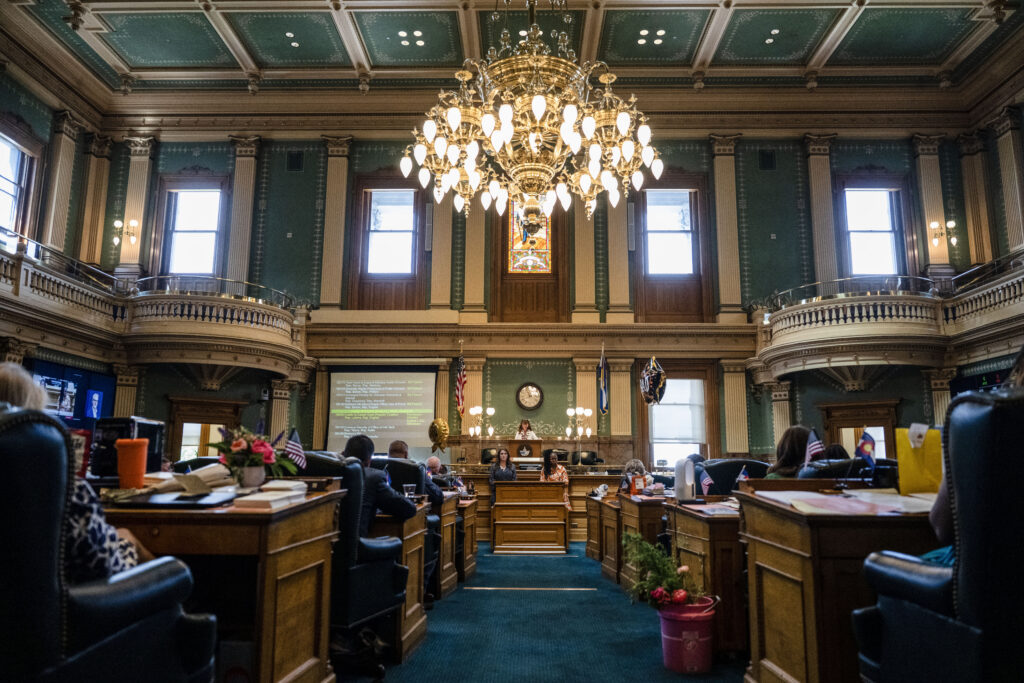
Democratic lawmakers told a legislative ethics panel that a leader’s management of caucus finances left them with unanswered questions, disputed reimbursements and a breakdown in communication that ultimately triggered a formal complaint. The House Ethics Committee is examining a complaint...
Federal judge holds off on dismissing formerly bankrupt medical contractor from Jeffco jail death lawsuit
Michael Karlik
michael.karlik@coloradopolitics.com
Updated 22 hours ago
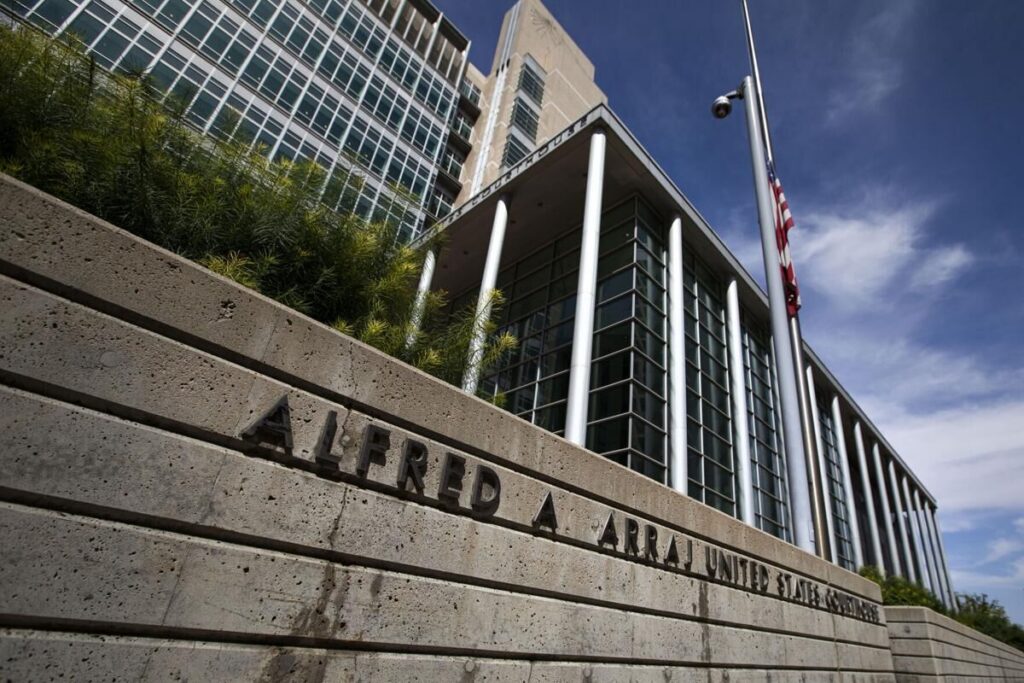
A federal judge declined on Monday to dismiss the formerly bankrupt medical contractor from a lawsuit over a detainee’s death in Jefferson County jail, but indicated she would do so if the plaintiffs’ attorneys go through the process to ensure...

Here are the 10 oldest members of Congress running for reelection
Lauren Green
lauren-green@coloradopolitics.com
Updated 23 hours ago
Capitol Hill has long been called a “retirement home,” as well over 100 House members and half the Senate are over the age of 65. That reputation doesn’t look due to change anytime soon — there are currently more than...
Castle Rock caregiver sentenced after stealing more than $110,000 in jewelry from family
Nicholas Fogleman
nicholas.fogleman@denvergazette.com
Updated 1 hour ago
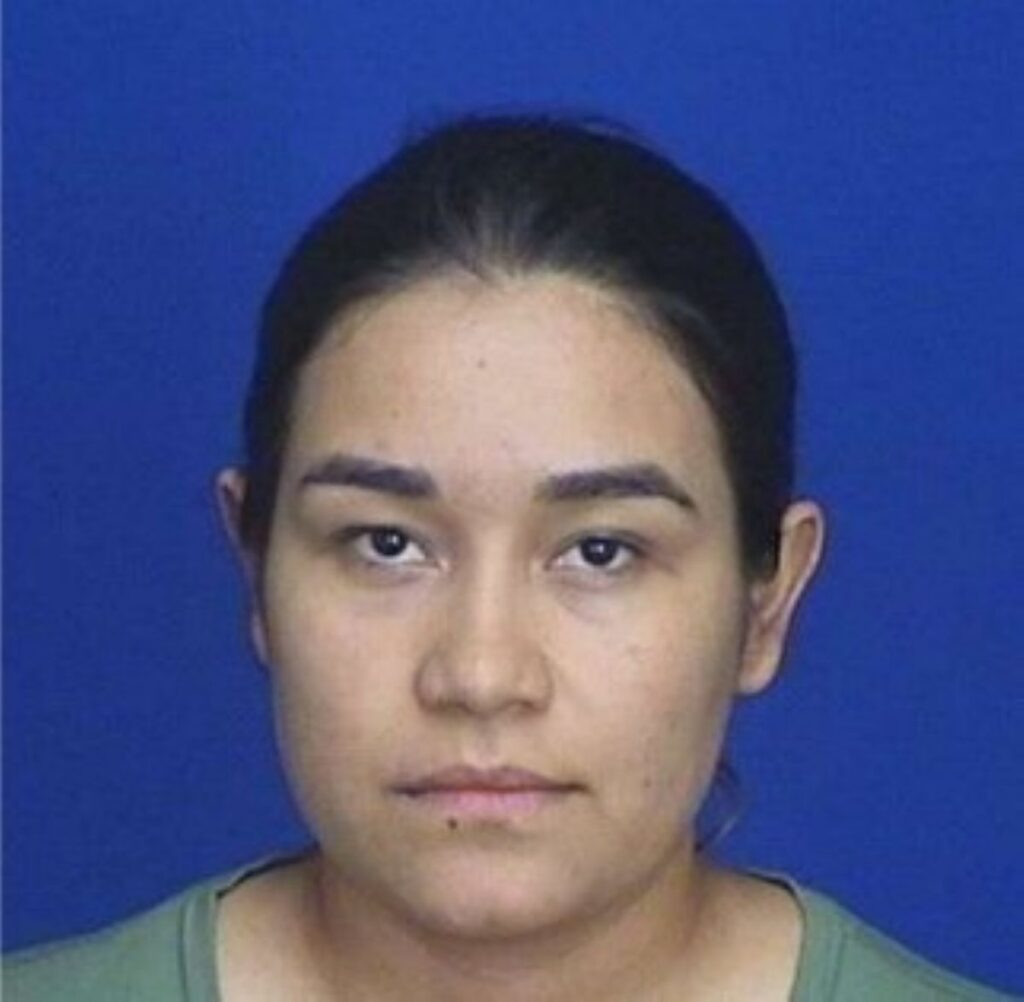
A judge sentenced a Castle Rock caregiver to 90 days in jail after she pleaded guilty to stealing more than $110,000 worth of jewelry from the family of a disabled son under her care. Elsa Montejo-Fuentes, 32, had worked for...
Fauci ignored reports of COVID vaccine side effects, new documents show
Gabrielle M. Etzel
gabrielle-m-etzel@coloradopolitics.com
Updated 1 day ago
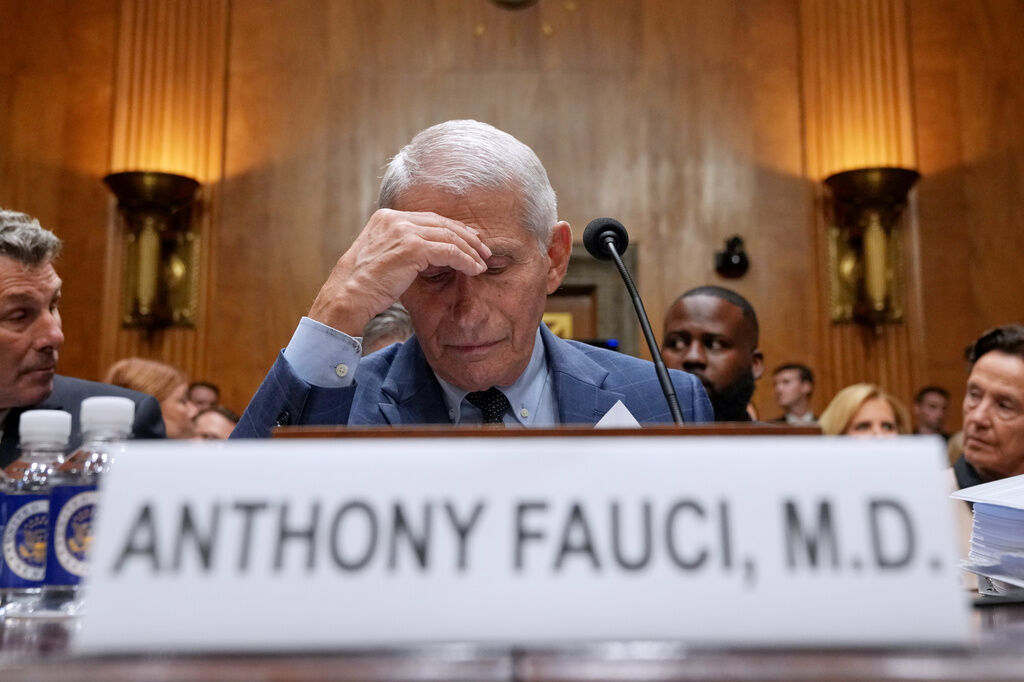
Dr. Anthony Fauci was made aware of possible COVID-19 vaccine complications by other senior-level public health officials in early 2021, according to new emails and text messages released by Senate Republicans on Sunday. Documents released by Sens. Rand Paul (R-KY)...

Majority of Americans say they’re worse off financially since Trump took office again: Poll
Emily Hallas
emily-hallas@coloradopolitics.com
Updated 1 day ago
The majority of the public believes they are worse off financially than when President Donald Trump won a second term nearly two years ago, according to a new poll that painted an ominous picture of Republicans’ electability in the 2026...