

Polis sharpens his veto pen | SLOAN

Kelly Sloan

Kelly Sloan
It was quipped, on election night in 2018, that that evening Jared Polis became the most conservative statewide elected official in Colorado. That was meant to be rather tongue-in-cheek, but every now and then the governor’s more temperate proclivities are granted a day pass, lending the remark a bit of prophetic substance.
Those proclivities flared again last week as Gov. Polis sharpened his veto pen and wielded it as a knight slaying dragons, skewering a handful of bills that simultaneously represented progressive dreams and economic nightmares.
Here’s what Gov. Polis euthanized:
HB-1008: This was a bill that ostensibly went after wage theft — which is, by definition, a breach of contract — by infringing on the concept of freedom of contract. Targeted solely on the construction industry — for now — the bill would make both the general contractor and the chain of subcontractors jointly and severally liable for debts owed based on a wage claim. Meaning the general contractor would now be responsible for contractual relationships with parties with whom he or she maintains no direct association with. The obvious corollary is it would absolve the sub (or sub-sub) contractor from that responsibility, essentially letting any cretinous subcontractor who chose not to pay his or her workers off the hook. Oh, and it exempted union shops from its provisions, inasmuch as wage theft is evidently a-OK as long the wronged workers are in a union.
Stay up to speed: Sign up for daily opinion in your inbox Monday-Friday
HB-1260: Cursory examinations of this bill could induce polemical whiplash. An initial reading of the short title would rightly induce a horrified reaction — “Prohibitions Against Employee Discipline.” A couple sentences into the summary, or a brief explanation, would assure you that no, it was just saying an employer can’t force an employee to attend a political or religious meeting. Well, okay, blood pressure goes down. Until you dig a little deeper yet and the horror returns as the implications of the wording set in. The best argument made in explaining these implications, especially for businesses that operate overseas, came from the sagacious Rep. Rick Taggert, who knows a thing or two about operating businesses overseas. He pointed out the depth and breadth of the definitions of “political” and “religious” in the bill would prohibit, for instance, requiring employees to attend briefings informing them of cultural expectations when going into another country. You know, things that might keep them from being imprisoned or flogged.
SB-150: This one was a little more bizarre, and took several detours before being put out of its misery. Essentially, the bill sought to prohibit the recycling of waste — plastic especially — via something called pyrolysis, basically the burning of organic substances without the presence of oxygen, exposing them to temperatures high enough to reduce them to their base molecules. Pretty neat, huh? Well, the bill would have prohibited that in the state, until it was modified by the Senate into something a little more reasonable, so reasonable that the House had to revert it, and eventually pound it into something that begrudgingly allowed it, but prohibited any state economic incentives (tax credits, that sort of thing) from being used in conjunction.
Well, this ran headlong into another state priority, that being economic development and the market incentivization of clean technology. It especially ran afoul of one of the governor’s priorities, the incentivization of Sustainable Aviation Fuel (SAF), which come to find out is largely produced by — wait for it — pyrolysis of organic substances like waste plastic. Exit bill three.
Now, say what you want about the government’s use of tax incentives — as a purely philosophical matter I do not believe the state ought to be using the tax code to influence behavior — but we are well down that road, and this is the economic world we live in. Businesses make decisions based on the laws in place and more often than not pulling the rug out from under them is more harmful and distorting to the market than tinkering with the tax code in the first place.
But there is another issue here and it is this: a problem is identified, (plastic pollution and airplanes burning fossil fuels, for example) and American entrepreneurial ingenuity comes up with an answer, (like, say, pyrolysis and SAF) and it is summarily dismissed by the progressive left who caterwauled the loudest about the problem in the first place. Too many on the left are wedded more to the problem than a solution, unable or unwilling to accept any remedy short of repeal of the industrial revolution.
And this does not only afflict environmental problems either. Affordable housing is the cry of the day. The problem is well established — nobody is building starter housing like condos in the state because of the excessive cost of insurance needed to protect against dubious construction defect claims. So, a solution was crafted, and SB 106 was ran by the estimable Sens. Rachel Zenzinger and James Coleman, and Rep. Shannon Bird that would have substantially solved the problem — and was rejected out of hand.
If progressives were serious about solving the problems they speak so passionately about, they would be inquisitive enough to explore solutions that fall outside their tightly defined ideological box. No one will confuse Jared Polis as a conservative, but nor can they question his inquisitiveness; nor his willingness, at times, to apply a moderating hand on the brake, just in time to avert disaster. Usually.
Kelly Sloan is a political and public affairs consultant and a recovering journalist based in Denver.


Clock is ticking on Colorado’s new AI rules | PODIUM
Colorado Politics
colorado-politics@coloradopolitics.com
Updated 19 hours ago
By Aashis Luitel On Jan. 1, organizations using covered automated systems must begin complying with Senate Bill 26-189, Colorado’s new Automated Decision-Making Technology Act. They can identify those systems and start building the processes the statute clearly requires. What they...
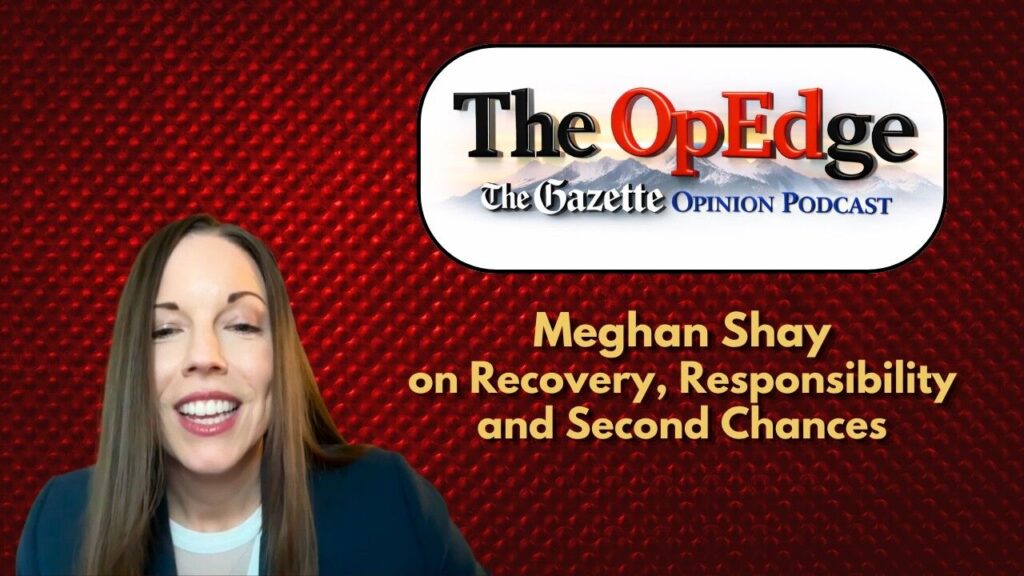
Meghan Shay on recovery, responsibility and second chances | The OpEdge Podcast
Tony Olivero
tony.olivero@gazette.com
Updated 1 day ago
Step Denver and Step Springs CEO Meghan Shay joins The OpEdge to explore addiction recovery, homelessness, and the role of accountability in lasting change. Shay tells host and investigative columnist Jimmy Sengenberger why she believes recovery is built on personal...
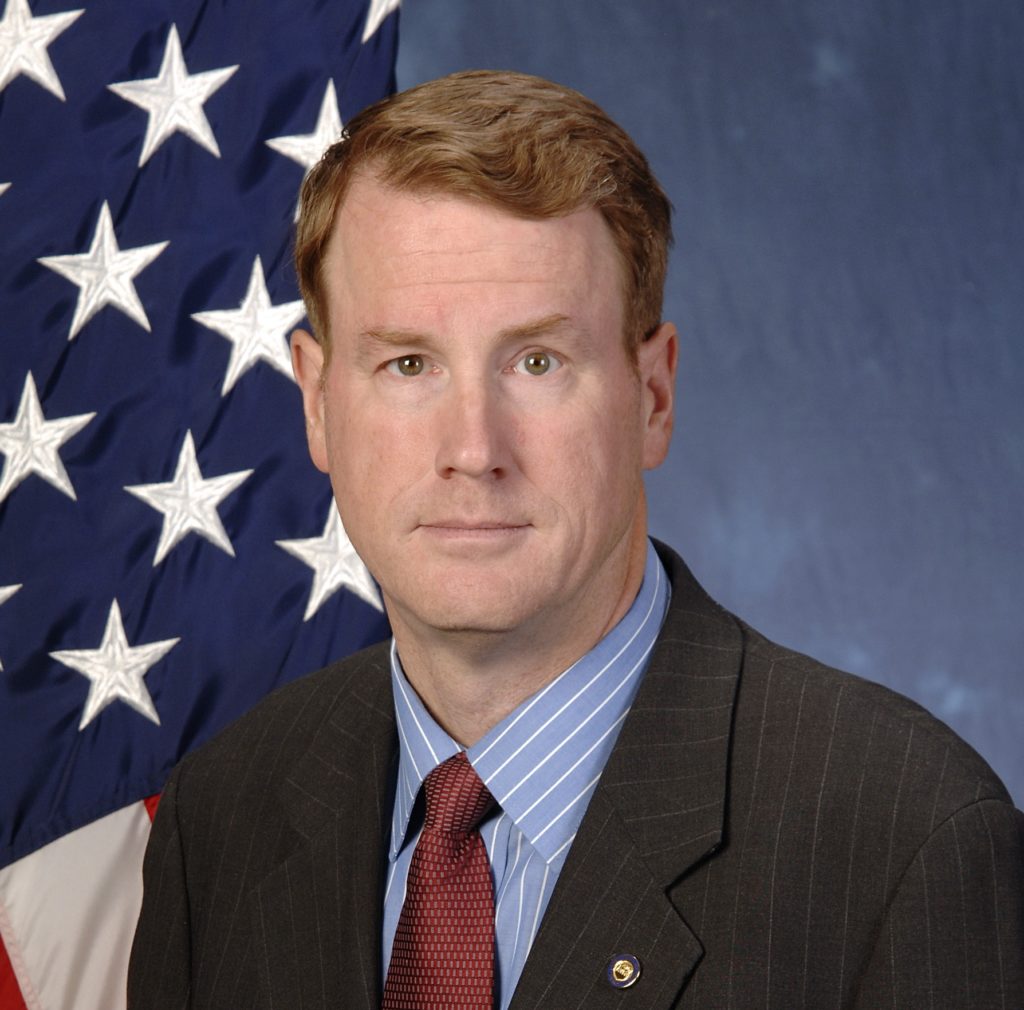
The outrages mount | Hal Bidlack
Hal Bidlack
hal-bidlack@coloradopolitics.com
Updated 1 day ago
My kindly and forgiving editors understand that, from time to time, I can’t help myself from leaping atop my rickety soapbox to vent. And, like many other political commentators have already done, I could easily fill this entire missive with...

Rural Colorado deserves a tax holiday | GUEST COLUMN
Eric Mulder
jstooksberry@gmail.com
Updated 2 days ago
Spend enough time in Colorado’s Eastern Plains, the San Luis Valley, or the Western Slope, and you’ll see boarded-up storefronts, schools consolidating classrooms, and small rural communities stretching every dollar to keep basic services afloat. Once the backbone of Colorado’s...

Weiser’s leadership crucial for rural win-win | Rachel Gabel
Rachel Gabel
rachel-gabel@coloradopolitics.com
Updated 5 days ago
Attorney General Phil Weiser is going to win the gubernatorial election. That said, Colorado agriculture and rural communities have a 30-year track record of finding the win-win be it for species or industries or habitat. Former Governor Roy Romer possessed...

A Colorado history lesson for Victor Marx | Dick Wadhams
Dick Wadhams
dick-wadhams@coloradopolitics.com
Updated 5 days ago
Victor Marx, who narrowly won the Republican nomination for governor by one half 1% after boasting of a massive 44-point lead, is just as misguided on Colorado political history. During the primary, Marx made a clumsy attempt to denigrate his...

‘Be prepared to march in the streets’ | Miller Hudson
Miller Hudson
miller-hudson@coloradopolitics.com
Updated 5 days ago
It was early in 1974 when I first met Tim Wirth as he announced his candidacy for Congress, challenging Republican incumbent Don Brotzman. Although I had only resided in Colorado two years, I was drafted to serve as a Democratic...

‘CoCo’ would take taxpayers for a ride | Jon Caldara
Jon Caldara
jon-caldara@coloradopolitics.com
Updated 2 days ago
Colorado wants taxpayers to spend another $4.73 billion on passenger rail. Don’t worry. They have a plan. Which is a little like your brother-in-law announcing he’s launching another exciting restaurant venture after his last three restaurants ended in bankruptcy. Please....

The through line from Donald Trump to Victor Marx | SONDERMANN
By Eric Sondermann
by-eric-sondermann@coloradopolitics.com
Updated 1 week ago
Over 10 years ago, before Donald Trump could ever defeat Hillary Rodham Clinton, he had to first engineer a hostile takeover of the Republican Party. Prior to his descent of that golden escalator, the previous seven Republican presidential nominees had...
Primary voters rejected big money in politics | Paula Noonan
Paula Noonan
paula-noonan@coloradopolitics.com
Updated 5 days ago
While we’re in an election campaign lull between now and Labor Day, we have time to consider the impact of $102 million in campaign contributions in the primary. In the general election, more money will fill candidate campaign coffers, and...