

Lawmakers hold the key to solving Colorado’s mental health crisis | OPINION
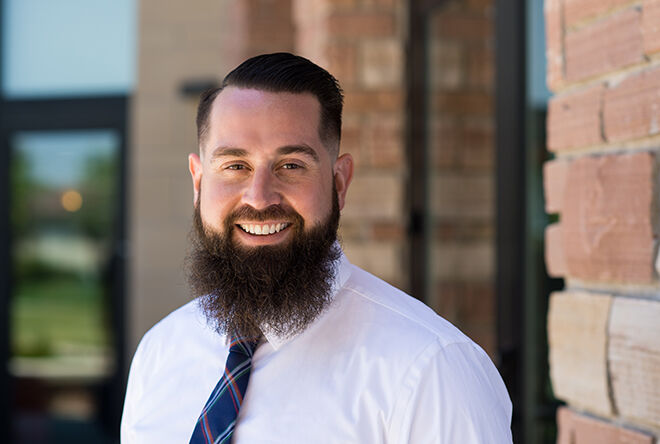
By Ryan M. Burkhart
The U.S. is currently in the midst of a mental health crisis, and here in Colorado, more than 28% of residents live with a mental health condition. Unfortunately, a majority of Colorado residents are currently locked out of the state’s mental health care system due to a critical workforce shortage, in which our care networks cannot meet growing demand.
Behind these numbers are real people: a teenager waiting months for counseling after a suicide attempt; a parent rationing therapy sessions because their child’s provider no longer accepts insurance; a rural senior driving hours for an appointment. For too many Coloradans, the system fails at the very moment they reach out for help.
A just-released report by one of the nation’s leading mental health advocacy organizations, Inseparable, reveals the state of Colorado meets only 34% of its mental health workforce need, leaving many patients to seek more costly care out-of-network, or even forgo treatment entirely.
When timely care is out of reach, the consequences can cascade across families and communities, leading to job insecurity, housing displacement and increased physical health costs. This lack of timely care can also burden schools, law enforcement, emergency rooms and other public services statewide.
When care is delayed, mental health conditions can worsen. Anxiety can become a panic disorder. Depression can deepen into crisis. Substance use can escalate. Early intervention is not just clinically effective, it is cost effective too. Every barrier to access delays treatment and increases the likelihood individuals will require more intensive, more expensive and more disruptive care later.
Colorado’s workforce shortages are not inevitable. They are largely the result of burdensome requirements, misguided policies and insurance practices that make it difficult for mental health care professionals to both enter and stay in the field. State lawmakers must enact policies that build a strong workforce pipeline and support the state’s current mental health care professionals, which will expand mental health care access for all Coloradans.
A major problem contributing to our mental health workforce shortage is wage discrimination or a gross undervaluing of our mental health providers who are routinely paid less than their medical counterparts. Here in Colorado, for every dollar a physician assistant earns, a therapist earns only 74 cents. That wage gap — not to mention the sky-high education costs and unpaid clinical hours — steers health care professionals away from the field.
Fortunately, there are concrete policy steps Colorado can take to address the mental health workforce shortage. The same report that documents the severity of the problem also provides a roadmap for our policymakers. Among its many policy recommendations, it includes clear actionable ways to modernize training, streamline credentialing, remove financial barriers to entry and retention, and expand the spectrum of recognized providers.
I believe our legislature recognizes the severity of the mental health workforce shortage in our state and wants to do something about it. In fact, there is currently a bill before the state legislature that would make significant strides along these lines. This bill (HB 26-1002) would require insurers and Medicaid managed care plans to keep provider directories accurate, credential mental health and substance use disorder providers faster, and reimburse supervised pre-licensed providers — so more Coloradans can find and access in-network care. The bill has passed the House and is currently making its way through the Senate. I am optimistic it will pass and go to Gov. Jared Polis for signature.
Though HB 26-1002 is a critical piece of legislation that will make a significant difference for Coloradans, I want to make sure my representatives in the legislature are equipped with the full range of policy solutions available to us so I will send them a copy of this report. I encourage you to do the same. Currently, Colorado is leaving thousands of residents locked out of care systems. It does not have to be that way. We need sustained commitment from state leaders, and accountability from voters who understand mental health access is essential infrastructure, not an optional add-on.
The stakes are high: without decisive action, we risk further marginalizing vulnerable communities, exacerbating health disparities and allowing our state’s mental health crisis to deepen. It’s time for policymakers to act and build a stronger, more resilient mental health care workforce for all Coloradans. The choice is ours. Let’s make the right one.
Dr. Ryan M. Burkhart is executive director of the Counseling Association and dean of the School of Counseling at Colorado Christian University.


Gazette, Centennial Institute cosponsoring Republican gubernatorial debate Tuesday
The Gazette
the-gazette@coloradopolitics.com
Updated 10 hours ago
The Gazette and the Centennial Institute are cosponsoring a Republican gubernatorial debate Tuesday at Colorado Christian University, featuring candidates state Rep. Scott Bottoms, a Colorado Springs pastor, and longtime GOP insider state Sen. Barb Kirkmeyer. Candidates will field questions on...
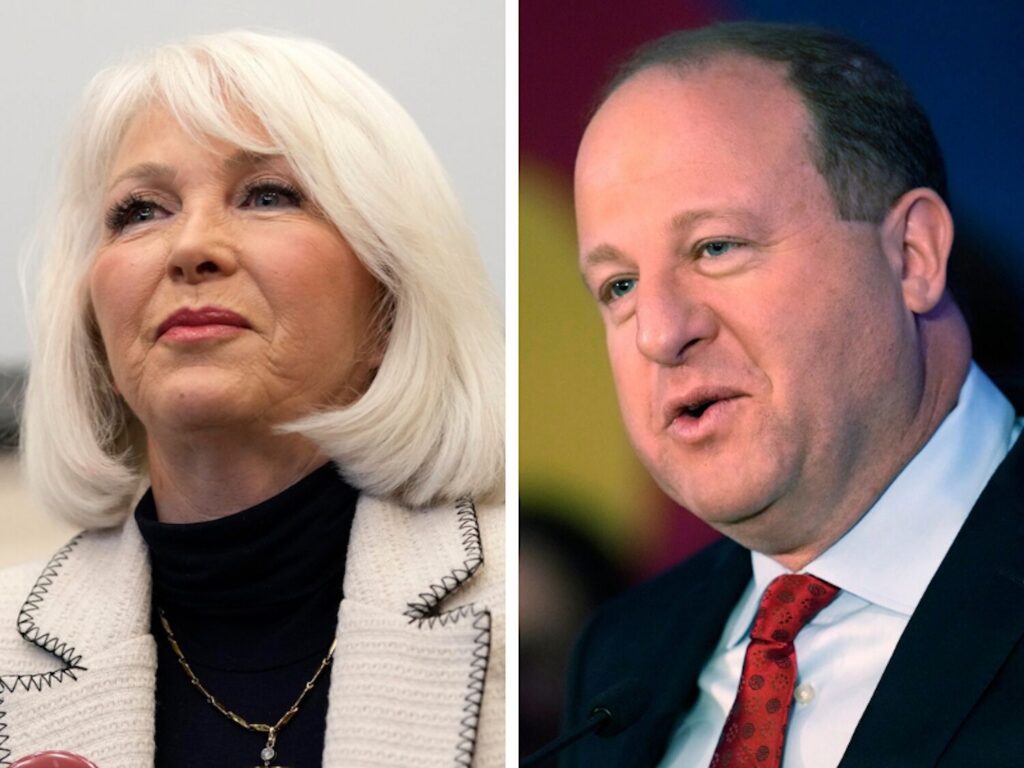
Tina Peters thanks Polis for shortening her sentence, calls Colorado Democrats’ censure a ‘travesty’
Ernest Luning
ernest.luning@coloradopolitics.com
Updated 1 day ago
Two days after the Colorado Democratic Party formally condemned Gov. Jared Polis over his decision last week to shorten Tina Peters’ prison sentence for tampering with election equipment, Peters heaped praise on the term-limited Democrat and slammed his party for...
Trump administration releases $40 million for Colorado water project
Marianne Goodland
marianne.goodland@coloradopolitics.com
Updated 1 day ago
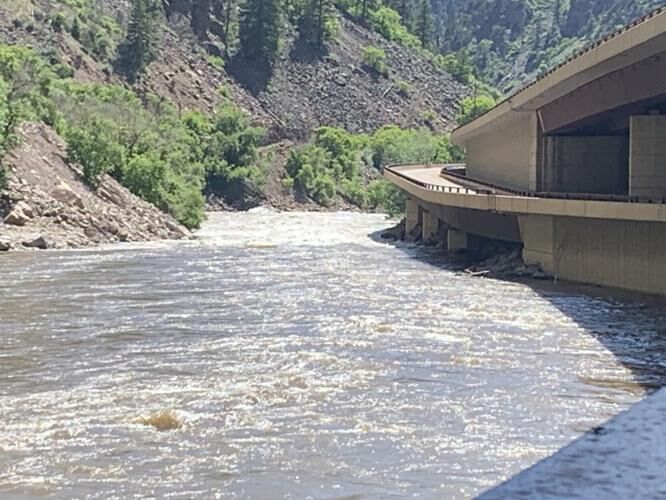
The Trump administration on Friday released $40 million, clearing the way for a water district and its partners to finish funding the purchase of some of the state’s most senior Colorado River water rights, Gov. Jared Polis announced. Federal funding...

Attorney general candidate Doshi puts ‘Hetal to the metal’ in Colorado Democrat’s 1st TV ad
Ernest Luning
ernest.luning@coloradopolitics.com
Updated 10 hours ago
Democratic attorney general candidate Hetal Doshi makes clear how to pronounce her first name in the former federal prosecutor’s first TV and digital ad, which launched statewide on Friday, just over two weeks before ballots start going out to Colorado...
Colorado governor signs into law proposal to close gaps in court competency system
Marissa Ventrelli
marissa.ventrelli@coloradopolitics.com
Updated 1 day ago
Gov. Jared Polis has signed a bill that supporters say would close gaps in Colorado’s criminal justice system for people whose charges are dismissed after they are found incompetent to stand trial. “This is a major step forward to keep...

As street camera use surges, Colorado legislators grapple with law enforcement, privacy implications
Marissa Ventrelli
marissa.ventrelli@coloradopolitics.com
Updated 2 days ago
In Boulder, the Flock camera system helped authorities locate the car of the suspect in the firebombing that killed a woman and injured 29 others in June last year. The car had contained explosives, authorities said. In Columbine Valley, authorities...

Colorado is too wealthy to keep cutting basic services | GUEST COLUMN
Colorado Politics
colorado-politics@coloradopolitics.com
Updated 2 days ago
By Kathy White and Lydia McCoy Colorado is a wealthy state. It may be hard to believe right now because so many of us are feeling the strain. Costs are high. Many families are struggling to keep up. There is...

Denver, Boulder prosecutors call congressional immigration probe ‘political theater’
Marissa Ventrelli
marissa.ventrelli@coloradopolitics.com
Updated 2 days ago
Elected officials in Denver and Boulder are pushing back after the U.S. House Judiciary Committee opened an investigation into their immigration policies, as part of a broader probe targeting “sanctuary” jurisdictions nationwide. On May 20, U.S. Rep. Jim Jordan, R-Ohio,...
Legal filings escalate tensions in Colorado House District 6 Democratic primary
Marianne Goodland
marianne.goodland@coloradopolitics.com
Updated 1 day ago
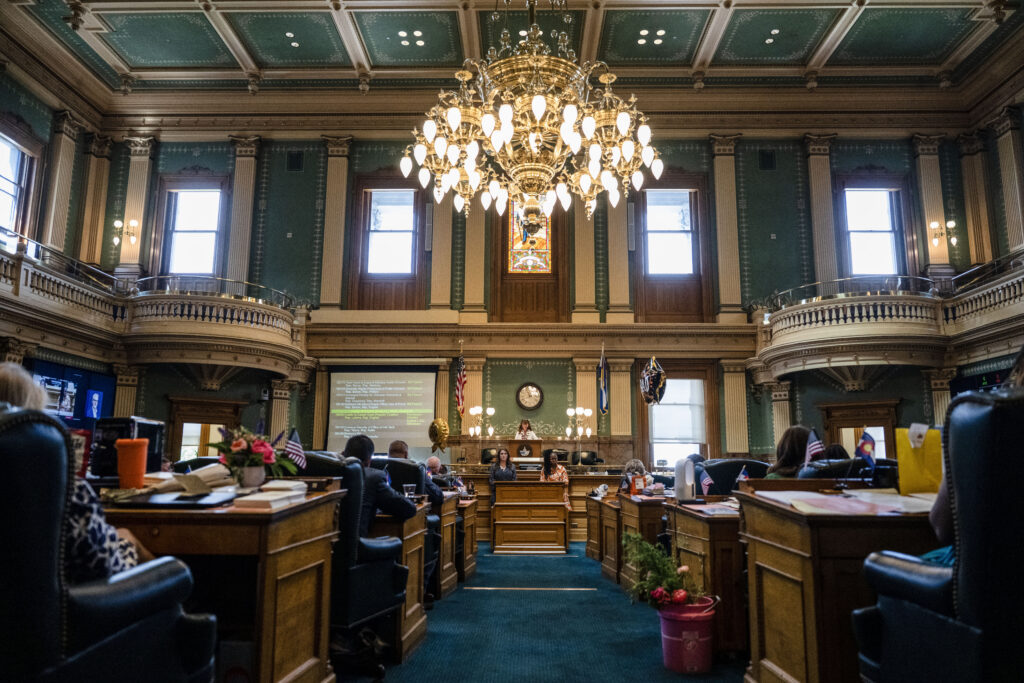
With the Colorado primary just weeks away, the Democratic race in Denver’s House District 6 has erupted into dueling complaints and legal challenges, underscoring the district’s long‑running divide between moderates and progressives. In Denver’s House District 6, the Democratic primary...
Colorado Gov. Polis signs order to block spending on soda, alcohol for official state functions
Marissa Ventrelli
marissa.ventrelli@coloradopolitics.com
Updated 2 days ago
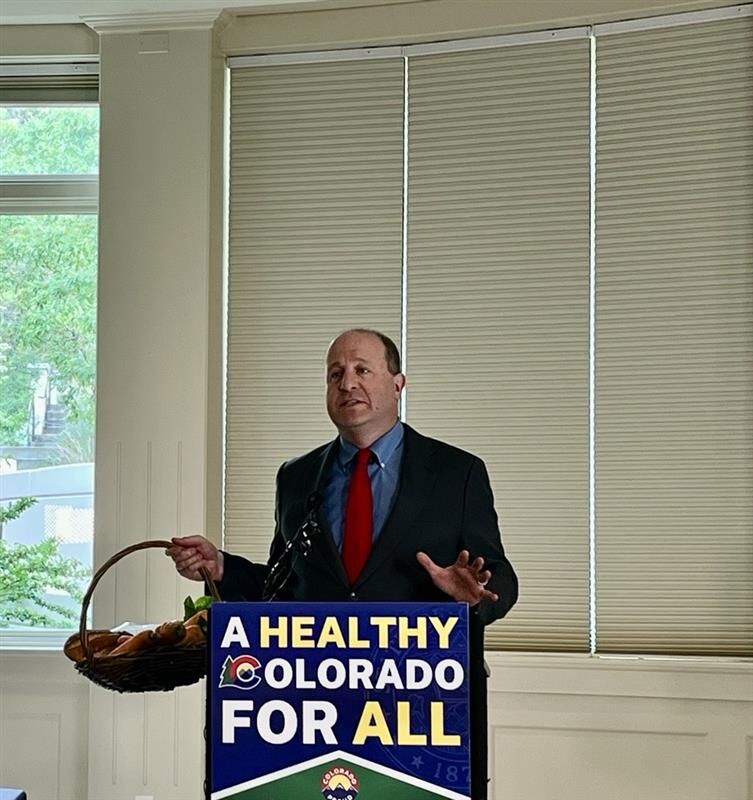
Gov. Jared Polis signed an executive order on Thursday aimed at increasing access to healthy food and promoting outdoor recreation as a form of exercise. “Colorado is one of the healthiest states in the nation, and this is an opportunity...
PREV
PREVIOUS

‘Change the terrain’ for deliberative democracy | FEEDBACK
Vince Bzdek’s Gazette piece on James Fishkin’s experiments in deliberative democracy is an interesting read, though the very factors that produced its results — balanced information, expert moderation, and structured discussion — are what everyday politics lacks, and precisely what make these experiments so difficult to scale (“Can deliberation save democracy?” March 8). The processes […]

SB26-140 will protect access to rare disease treatments | OPINION
By Amanda Boone There are moments in life that leave an indelible mark on your soul. For me, one came in the middle of the night when I took a full breath for the first time in over a decade. At first, I was confused — then I realized what it was. I woke my […]