

Understanding the three ‘acts’ of political influence | CRONIN & LOEVY

Tom Cronin and Bob Loevy
Policy change typically requires leadership, both non-elected as well as elected leadership, in at least three distinct phases. In what can be called Act I, policy ideas are formulated and launched. In Act II, they are spread and support for them is mobilized. In Act III, power brokers and elected leaders modify the ideas and gradually broker the compromises needed to fund and implement policy change.
Act I politicians
Act I people promote visions and challenge prevailing norms. Act I folks prod fellow citizens to live up to ideals of freedom, equality and social justice for all. They often celebrate integrity, community and authenticity. Act I actors see themselves as the renouncers of lies and the restorers of truth. They can also be advocates of cutting taxes and working to reduce the size of government.
In the case of the 19th century abolition movement, Act I leaders were devout supporters of ending human slavery. They believed everyone deserved rights under the law, regardless of their race or gender. William Lloyd Garrison and Wendell Phillips were not running for office. They wrote and lectured to change public attitudes. Garrison was considered a hectoring scourge in his generation.
Stay up to speed: Sign up for daily opinion in your inbox Monday-Friday
Act I activists often operate in ways the majority considers reckless. John Brown at Harpers Ferry was considered a fanatic. Early suffragettes chained themselves to the White House fence or were arrested as they illegally voted, and many were jailed. Physician Jack Kevorkian, an early and lonely champion of physician-assisted suicide, was jailed for a decade for political beliefs in advance of his time.
A good example of an Act I politician in Colorado is Douglas Bruce. The practice is accepted now in Colorado, but limiting the tax revenues of state and local government through a constitutional amendment and requiring a citizen vote on all tax increases was a radical policy idea when Douglas Bruce first advocated it. Another example of Act I activity in Colorado is the out-of-state groups which first supported the idea of reintroducing wolves to rural Colorado.
Act II politicians
Act II political agents understand the causes and goals Act I people espouse, yet they modify those ideas in ways to broaden the base of support. They are organizers, mobilizers, activist lobbyists, influencers, preachers or teachers with an interest in clarifying policy aspirations with the intent of making progress.
Susan B. Anthony on women’s voting rights and the Rev. Martin Luther King, Jr., on civil rights are examples of Act II politicians. They are alliance builders who rally people to a policy cause. They build and bring pressure on elected officials. They bring people together in anticipation of what their country could and should be.
Their goals are seldom accomplished in short periods. Abolitionists became involved in a two-generation campaign. Suffragettes waged an even longer struggle. Climate-change reformers likewise know easy and early victories are unlikely.
Act II politicos seek to educate the public and raise consciousness by arguing the validity of an idea, no matter how long it takes.
Act II “politicians” seldom run for political office. They seek to change the thinking of voters and the people the voters have elected to public office. The power of Act II types lies in their ability to swell the ranks on behalf of new ideas, new reforms or new paradigms. Colorado Springs businessman Steve Schuck’s two-generation campaign to win support for charter schools and “school choice” programs is a good example of Act II leadership in Colorado.
Act II types are coalition builders and consciousness raisers who take the ideas and innovations of Act I types, understand their potential, and make them into viable political causes.
Conservative anti-tax and anti-gun control movements have also had their share of Act II political agents rallying people to their policies. Candy Lightner, who founded Mothers Against Drunk Driving, was initially only an outraged mother whose daughter was killed by a drunken driver. Her Act I impulses were to storm City Hall and be furious at the lenient prosecutorial system.
She learned, however, organizing thousands of other mothers was the practical way to make elected officials listen. She became an Act II activist and eventually changed multiple laws, including the national drinking age, at all levels of government.
If Act I types can be called cranks, agitators, rebels and revolutionaries, Act II types are usefully characterized as intermediary catalysts and “evolutionaries.”
Examples of Act II players in Colorado include such prominent lobby groups as the Colorado Municipal League, Colorado Counties, and the chambers of commerce located in principal cities throughout the state. The Bell Policy Institute is an Act II player advocating for more progressive programs in Colorado and try to mitigate the effects of Douglas Bruce’s various tax and revenue reforms.
Another example of Act II players in Colorado is some of the many administrative assistants and legislative assistants who work for and assist elected officials. They often have influence over policy decisions and work hard to get their ideas adopted, yet they do it by assisting elected officials rather than running for office themselves.
Act III politicians
Act III politicians are elected officials who operate at the center of our political systems. They gauge public and legislative sentiment for what is doable. They are attentive to Act II movements and often refashion and modify Act II agendas in politically achievable or acceptable ways.
Officials performing in Act III are cautious. Their legitimacy depends on electability, thus they view themselves largely as delegates, as agents on behalf of their political parties or the larger general public. Most of them fear being in advance of their time, of being too far out in front.
They recognize Act I, and even Act II, activists are primarily motivated by principles and their conscience and by the truth as they see it. In contrast, Act III individuals feel responsibility to what is doable, practical, achievable and acceptable to broad majorities.
Act III politicians balance and reconcile competing claims about how best to serve the public interest. Act III politicos continually read the public pulse. An Act III politician focuses more on relationships with constituents and the gradual and incremental adjustments that need to be made, rather than on grand ideas or ideals.
Former-Gov. John Hickenlooper, who is now Colorado’s U.S. Sen. Hickenlooper, and former Colorado Springs Mayor John Suthers personify Act III moderation and political pragmatism.
Colorado Gov. Jared Polis is a mixture of Act II and Act III. He likes being an advocate and out front on issues, yet he plainly has his eye on running for other political offices and the necessity to prove acceptable to large majorities of voters.
The roles Act I, Act II and Act III politicians play are different from one another, but all three “acts” are necessary for our democratic form of government to operate successfully. We need dedicated, patriotic policy politicians in a variety and stages and acts. Politics is a collective enterprise.
Tom Cronin and Bob Loevy write about Colorado and national politics. Some of the ideas in this column are adapted from Cronin’s earlier writings about politics and leadership.

Colorado’s GOP at its best — and worst | Dick Wadhams
Dick Wadhams
dick-wadhams@coloradopolitics.com
Updated 2 days ago
By Dick Wadhams Colorado Republicans are fighting to be relevant in the face of gross mismanagement by Democrats who totally control state government. While the Colorado Republican Party is mired in controversy, several Republican elected officials and candidates represent the...

Someone’s lying in latest activist embarrassment for Polis’ CPW Commission | Rachel Gabel
Rachel Gabel
rachel-gabel@coloradopolitics.com
Updated 2 days ago
Either Samantha Miller is lying, or Gov. Jared Polis is. If Miller is lying, she is so secure in the red carpet rolled out for animal activists by this administration she is willing to put words in the governor’s mouth....

Ask Secretary of State candidates if they’re in favor of independent election audits | Jon Caldara
Jon Caldara
jon-caldara@coloradopolitics.com
Updated 4 days ago
This part will disappoint angry people on Twitter: Relax. Put the pitchforks down. I am not relitigating the 2020 election or mail ballots or even Tina Peters. But I am saying people don’t trust elections like they used to. And...
Redistricting plan to give Colorado Dems 7 members of the U.S. House will split El Paso County | Bob Loevy
Bob Loevy
bob-loevy@coloradopolitics.com
Updated 2 days ago
A proposed redistricting plan, which would give Colorado seven Democratic members of the U.S. House of Representatives and only one Republican, will split El Paso County into two parts and thereby weaken the county’s influence in Congress. El Paso County,...
Can deliberation save democracy? | Vince Bzdek
Vince Bzdek
vince.bzdek@gazette.com
Updated 6 hours ago
In September 2019, 523 Americans traveled to Dallas for an experiment called “America in One Room.” The gathering was designed to test a theory: Could representative citizens deliberate productively even in an era of intense polarization? The event focused on...
Redistricting scheme would give Colorado Democrats seven House members, split El Paso County | Bob Loevy
Bob Loevy
bob-loevy@coloradopolitics.com
Updated 1 day ago
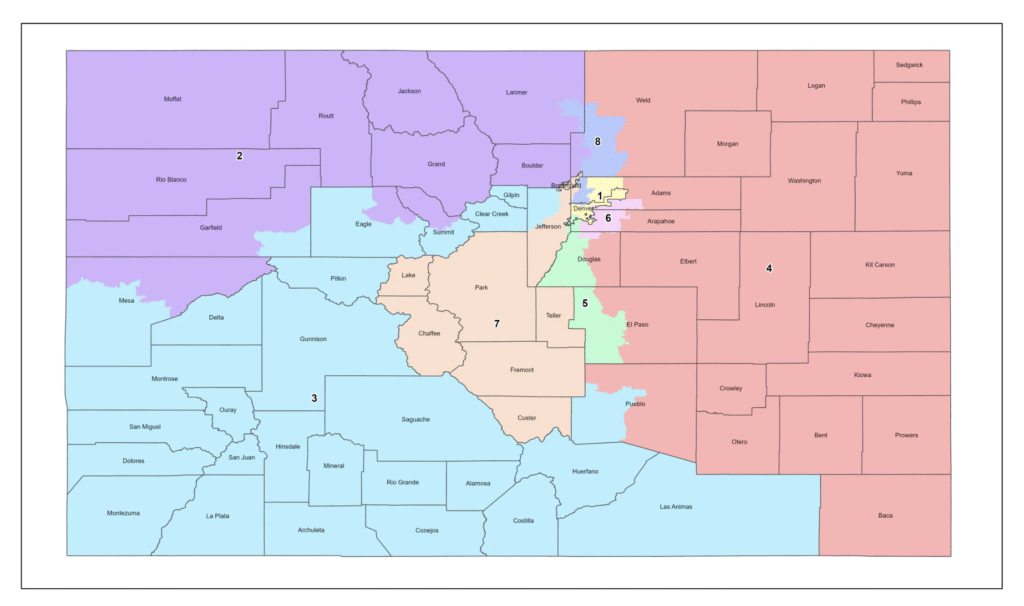
A proposed redistricting plan, which could give Colorado seven Democratic members of the U.S. House of Representatives and only one Republican, would split El Paso County into two parts and thereby weaken the county’s influence in Congress. El Paso County,...
Is Trump a builder or just a latter-day headhunter? | SONDERMANN
By Eric Sondermann
by-eric-sondermann@coloradopolitics.com
Updated 4 days ago
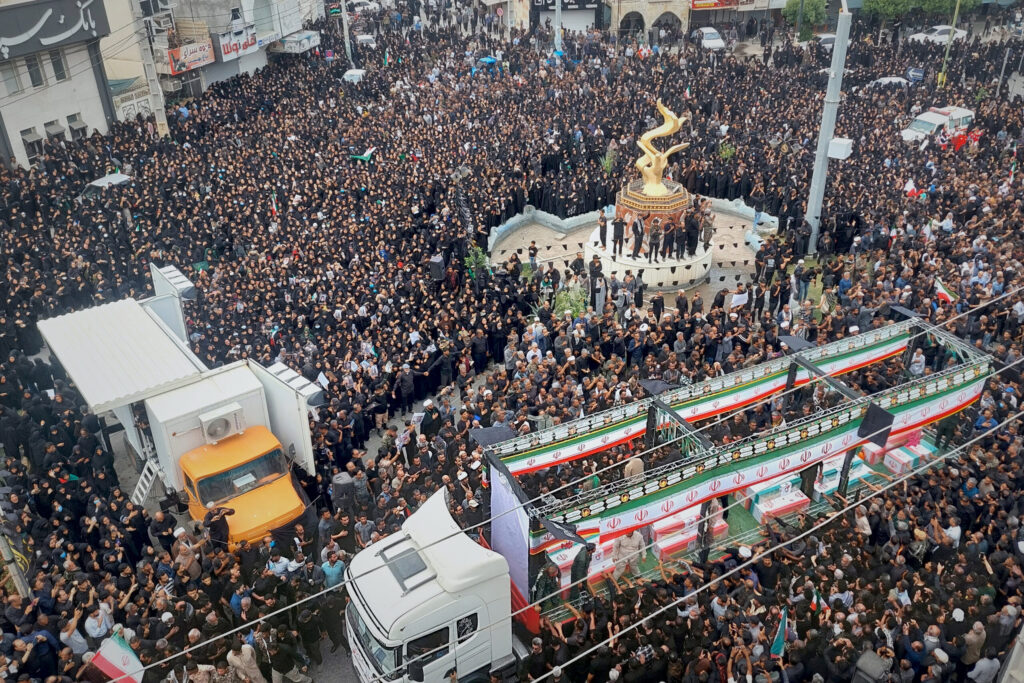
It was well under 100 hours after President Donald Trump’s overly long, overly theatrical State of the Union speech that he unleashed American bombers across Iran. As I write, it is now less than 100 hours since those bombers started...
Pueblo board violates Open Meetings Law | Dennis Maes
Dennis Maes
dennis-maes@coloradopolitics.com
Updated 3 days ago
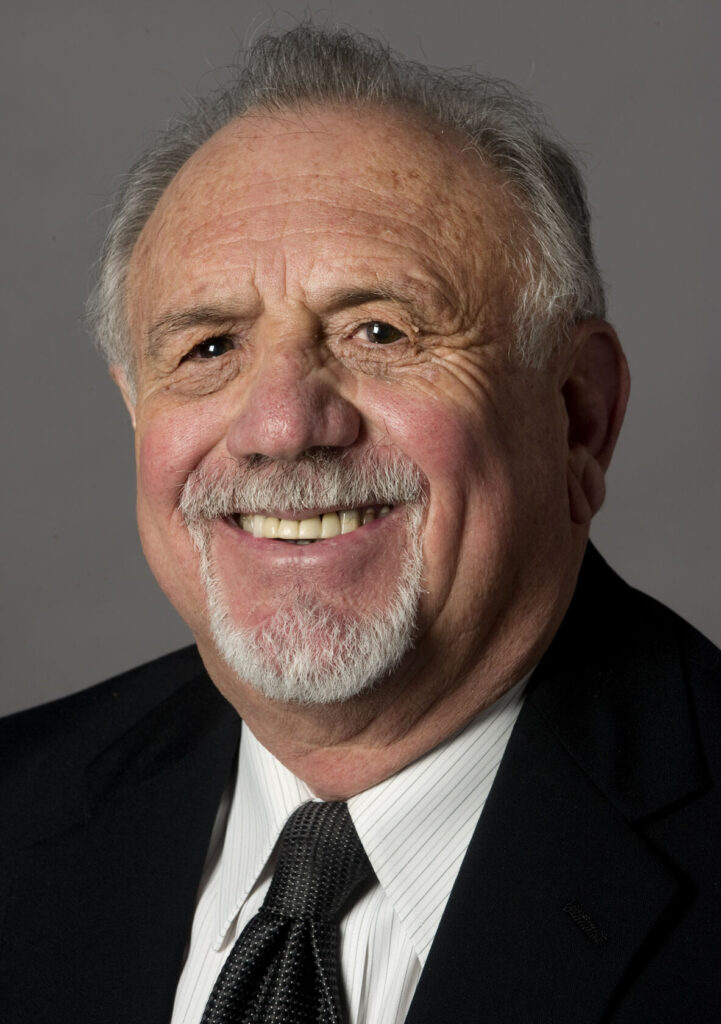
By Dennis Maes I recently witnessed two serious violations of the Colorado Open Meetings Law by the Pueblo Urban Renewal Authority (PURA) board. Both were brought to the attention of the board in an open meeting and entered on the...
Legislation would undermine educational opportunity | OPINION
Colorado Politics
colorado-politics@coloradopolitics.com
Updated 4 days ago
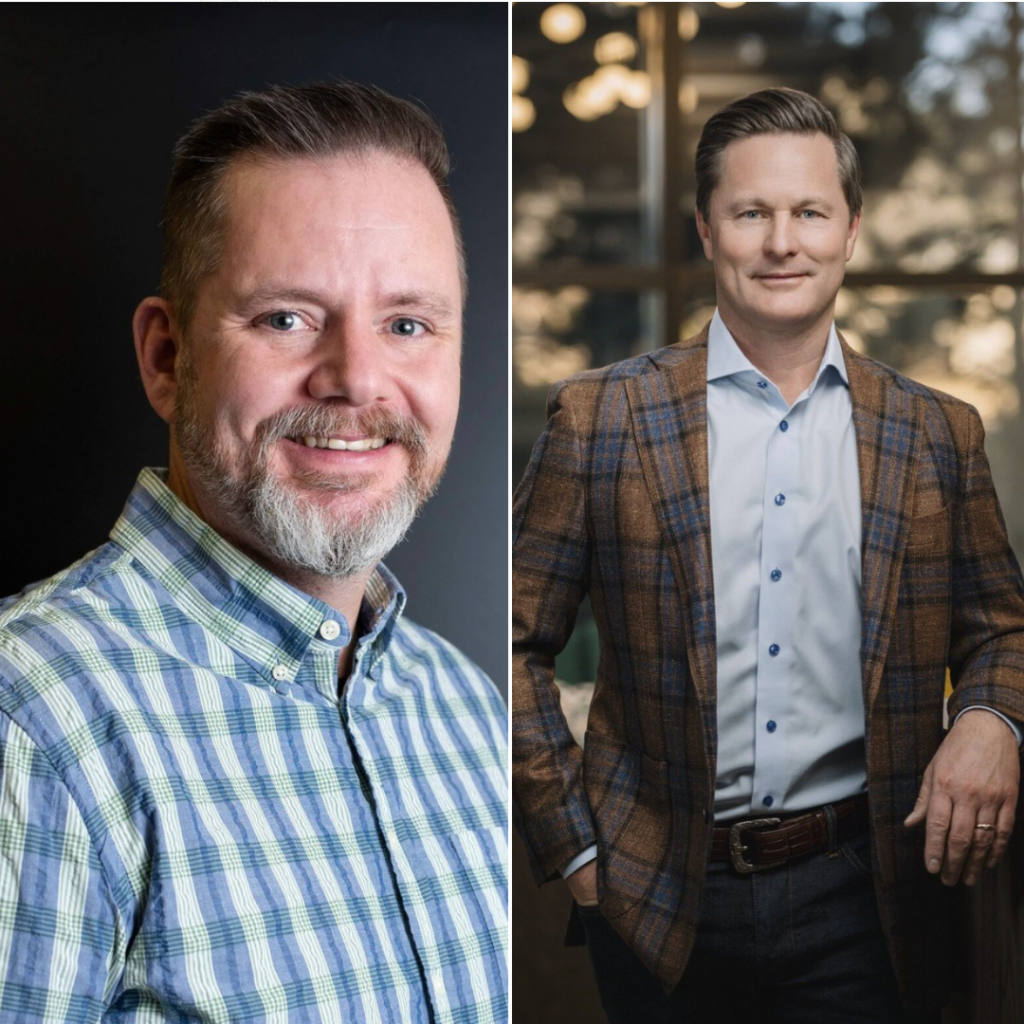
By Norton Rainey and Weston Kurz New legislation under consideration by Colorado lawmakers could have far-reaching consequences for Colorado students and families looking for new educational options. HB26-1292, currently under consideration by the Colorado General Assembly, would severely limit the...

Medicaid cuts for critical care hurts providers, reduces access to the best care for patients | OPINION
Colorado Politics
colorado-politics@coloradopolitics.com
Updated 4 days ago
By Gurdev Rai This year, the legislative session started with one thing on everyone’s minds: the state budget, and the major hole created by Congress’ HR 1 law. Costs, including for health care, have ballooned across the board, and we...