

Universities should enforce free speech | Colorado Springs Gazette
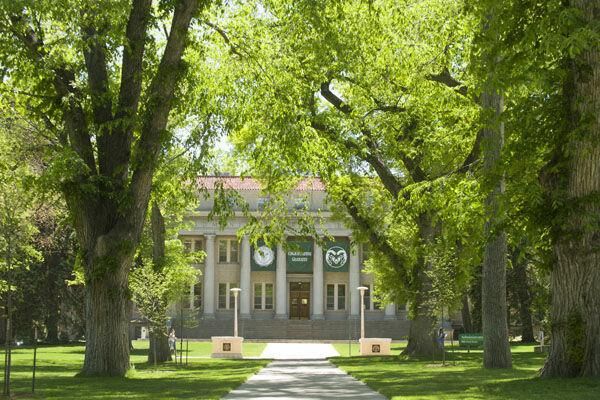
Colorado State University, like most of academia, wants diversity. Hearing diverse views from people with countless backgrounds and viewpoints provides an essential component of a well-rounded higher education.
Here’s what the university’s website says:
“Colorado State University is committed to embracing diversity through the inclusion of individuals reflective of characteristics such as: age, culture, different ideas and perspectives, disability, ethnicity, first-generation status, familial status, gender identity, and expression, geographic background, marital status, national origin, race, religious and spiritual beliefs, sex, sexual orientation, socioeconomic status, physical appearance, medical diagnosis, documentation status, and veteran status with special attention given to populations historically underrepresented or excluded from participation in higher education.”
Consider the “special attention” part.
It is hard to imagine anyone less represented on any state campus in the country than the minority who oppose abortion. As such, the campus should welcome nearly any anti-abortion/pro-life speaker an organization of students invites. That would uphold the university’s commitment to “different ideas and perspectives.”
Stay up to speed: Sign up for daily opinion in your inbox Monday-Friday
Students for Life at Colorado State University invited anti-abortion/pro-life speaker Josh Brahm from the Equal Rights Institute to enhance the free exchange of diverse ideas by someone representing a philosophy often “underrepresented or excluded from participation in higher education.” Attendance was voluntary, so no one triggered by the speaker’s message needed to attend.
When the group applied to CSU’s Diversity Grant Committee to reimburse the $600 cost of bringing the speaker, the committee denied it. It wasn’t for a lack of funds for speakers. The diversity committee, funded by mandatory student fees, apparently refused the request because the speaker’s views were diverse relative to the campus population.
A federal lawsuit by the student group claims the Diversity Grant Committee denied the application because “the speaker’s content doesn’t appear to be entirely unbiased as it addresses the topic of abortion.” Furthermore, the “committee worries that folks from varying sides of the issue won’t necessarily feel affirmed in attending the event.
If true, one wonders what kind of speaker affirms the views of everyone attending a speech. That would be impossible. If possible, this exercise would undermine the purpose of bringing speakers to campus to share diverse ideas.
The students seek $600 in compensatory damages. They also want reimbursement for the mandatory student fees each member paid to fund the Diversity Grant Committee.
Their demands are more than reasonable in what sounds like a prima facie case of a state university violating the First Amendment’s guarantee of free speech no matter how controversial, unpopular and triggering it might be. As the First Amendment protects hardcore porn, it should certainly protect an abortion opponent.
The lawsuit invokes the First Amendment and the 14th, which guarantees equal protection under the law.
These students have a moral obligation to sue, if only to defend the Constitution for the rest of us. The outcome of the lawsuit has nothing to do with favoring one side or the other in the longstanding abortion debate. Quite the contrary, the students’ likely victory will ensure pro-abortion rights students are never treated like this if popular sentiment turns against them.
It’s a sad day in Colorado when one of our major university systems – one that preaches “diversity” as the highest cause – balks at diversity. If the lawsuit’s claims are factual, that’s what this otherwise great university did by breaking the first law in the Bill of Rights – the one ratified 233 years ago to protect the exchange of diverse and controversial views.
Colorado Springs Gazette Editorial Board

Our legislature’s mission — absolve criminal conduct | George Brauchler
George Brauchler
george-brauchler@gazette.com
Updated 12 hours ago
As the dust settles on a primary election that should alert Coloradans to the downward dive public safety may take in November — our current attorney general and secretary of state have presided over a state that is now America’s...
Telling themes to take away from Tuesday’s primary elections | Paula Noonan
Paula Noonan
paula-noonan@coloradopolitics.com
Updated 22 hours ago
Let’s be clear about how Colorado’s primaries arrived at these unexpected results. The most significant voting cohorts on both the Democratic and Republican sides were women from 65 to 75-plus. These senior women voters selected Phil Weiser and have given...
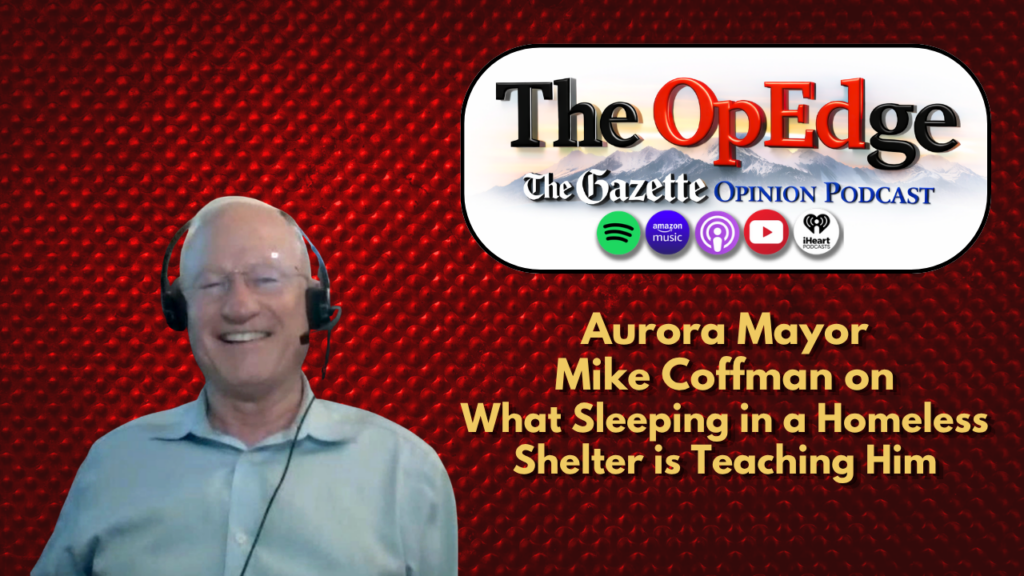
Aurora Mayor Mike Coffman on what sleeping in a homeless shelter is teaching him | The OpEdge Podcast
Tony Olivero
tony.olivero@gazette.com
Updated 2 days ago
Aurora Mayor Mike Coffman joins The OpEdge to explore why he’s spent every Friday night since February sleeping at a homeless shelter. Coffman tells host and investigative columnist Jimmy Sengenberger what the experience is teaching him about homelessness, why he...
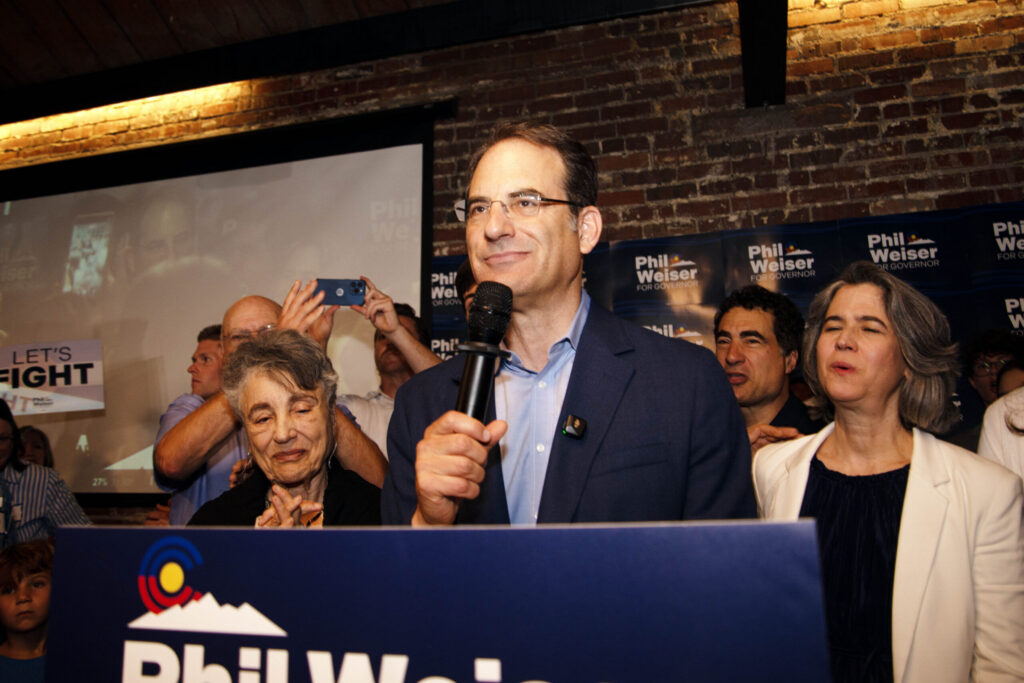
Landlocked Colorado’s sea-change primary | ANALYSIS
By Eric Sondermann
by-eric-sondermann@coloradopolitics.com
Updated 19 hours ago
Colorado’s primary elections held in the doldrums of early summer tend to be routine affairs, most often predictable and by the book. Tuesday’s battlefield was anything but. It is no exaggeration to call it a sea change. Its ripples will...
If we lose our coverage, we lose our lives | PODIUM
Colorado Politics
colorado-politics@coloradopolitics.com
Updated 22 hours ago
By Thomas Buckley My oncologist asked: “Polycythemia Vera. Do you know what that means?” Earlier, I lived in blissful ignorance, unaware I potentially carried a myeloproliferative neoplasm encoded within my DNA. “Yes,” I answered, “A rare form of blood cancer,...
Leading Colorado toward modern mental health solutions | GUEST COLUMN
Colorado Politics
colorado-politics@coloradopolitics.com
Updated 3 days ago
By Sean Camacho America is facing a silent crisis. Millions of Americans are living with invisible illnesses like generalized anxiety disorder (GAD), major depressive disorder (MDD), and post-traumatic stress disorder (PTSD), which decrease quality of life and, amid limited treatment...
Colorado’s workers can’t afford a decline in tourism | GUEST COLUMN
Colorado Politics
colorado-politics@coloradopolitics.com
Updated 4 days ago
By Terrance Carroll Work is about more than a paycheck. It is about dignity, stability and the ability to build a life, to provide for family, to contribute to community, and to move forward with purpose. That is why we...
Add Lynn Bartels to Colorado’s roll call of legends | Dick Wadhams
Dick Wadhams
dick-wadhams@coloradopolitics.com
Updated 5 days ago
A few weeks after the Rocky Mountain News shut its doors forever in 2009, more than 600 Republicans gathered for the state party’s annual Centennial Dinner. Lamenting the historic significance of the loss of one of Colorado’s great daily newspapers,...

Conservation efforts emphasize the lesser prairie chicken | Rachel Gabel
Rachel Gabel
rachel-gabel@coloradopolitics.com
Updated 5 days ago
Reid DeWalt, deputy director of Colorado Parks and Wildlife, spoke to the Water Resources and Agriculture Review Committee about the Lesser Prairie Chicken and moving conservation forward. He said in 2026, CPW staff counted 77 males on 13 leks, a...

Colorado’s regulations should address policy challenges only as truly needed | Miller Hudson
Miller Hudson
miller-hudson@coloradopolitics.com
Updated 22 hours ago
As Colorado approaches its 150th birthday, we should remember its first 100 years were characterized by repeated boom-and-bust economic cycles. Dependence on mineral extraction and agricultural commodity prices was subject to the volatility of these markets. In 1972, as I...
PREV
PREVIOUS
Soft 'separate but equal' subverts success of charter schools | NOONAN
Paula Noonan Fifty years ago, the Denver Public Schools’ de-segregation litigation known as the Keyes decision finally came to a conclusion. Denver Public Schools, the federal district court decided (and the U.S. Supreme Court agreed), segregated its schools particularly in northeast Denver where Black and White populations lived on either side of Colorado Boulevard between […]
Trump's legal arguments forewarn another term's authoritarianism | BIDLACK
Hal Bidlack As we approach the election season (for some of us, it is already here), I can’t resist making a few national politics comments, but I promise my kindly and forgiving editor that I will end with something specifically about Colorado politics, unless I run out of space (Ed: keeping my eye on you…). […]