

Q&A with Steve Fenberg | Senate president talks about reaching goals with a tight budget
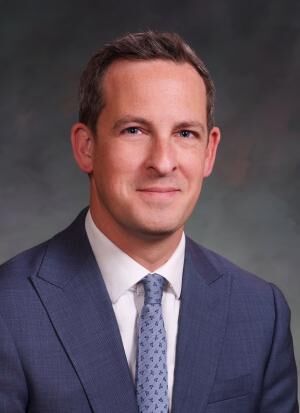
As the 2024 state legislative session gets underway on Jan. 10, Senate President Steve Fenberg gears up for some tough decisions. In particular, analysts expect the budget to be tight, while the state’s challenges, notably housing, have grown.
The Democratic leader also talks about the need to build more “authentic relationships” among Senate lawmakers, adding he will work with the minority party leadership to ensure adequate time for debate, while stressing that being heard won’t necessarily translate into actual policy.
Colorado Politics: What are your top policy priorities for the 2024 session?
Senate President Steve Fenberg: To cut to the chase, my top priorities for 2024 are more housing, more education funding, and more transportation options.
More specifically: Top of mind is addressing the affordability crisis that is making our state so expensive. That work will take a number of forms and span across issue areas, but one focus, in particular, will be our work to bring down the cost of housing so that more of our neighbors can afford to live in the communities they work. We’re also excited to build off recent advances in federal funding that will enable us to finally create a truly statewide transit system that has modern front-range rail as the backbone.
Last, one of our top goals this session is to fully fund K-12 education by paying off the budget stabilization factor once and for all and ensuring our schools and teachers have the resources they need to thrive.
CP: How will the 2024 election affect your chamber?
Fenberg: My sincere hope is that the 2024 election won’t impact the Senate all that much. We will continue to be focused on the job we were elected to do in the last election. We’ve all been elected by the communities we represent to represent their interests, and we will work to keep the campaign trail separate from the Capitol.
CP: How would you like this session to be different than 2023?
Fenberg: Although we had several momentous accomplishments last session when it comes to preventing gun violence, reducing the costs of health care, combating climate change, and many other areas, there’s always going to be more work to do. However, my hope for this coming session is for all members to spend more time building authentic relationships with each other and spend less time on social media. I sincerely believe better policy outcomes occur when we talk and deliberate more rather than demonizing those who disagree with us on Twitter.
CP: Given the tight budget, what are your expectations in areas such as housing and education?
Fenberg: Colorado’s economy is continuing to grow at a steady pace, but after a few years of pandemic-era federal spending, we are now entering a more normal – and restrained – fiscal period, which means we need to be more cautious and responsible while crafting a budget that meets our state’s needs. Luckily, the JBC has done a remarkable job of budgeting, which means we are still on track to achieve significant priorities, including, most notably, finally eliminating the budget stabilization factor for good this session and fully funding our public schools for the first time in over a decade.
CP: What do you think will be the toughest challenges this session?
President Fenberg: The toughest challenge will be the one mentioned previously. Our state’s budget will be much tighter this session than it has been during previous years – thanks largely to the unwinding of pandemic-era federal stimulus funding. We’ll need to think creatively and budget responsibly to continue delivering results that position our state well for the future and build a stronger, safer, and healthier Colorado for us all.
CP: What guarantee are you giving Republicans that they will be heard this year – and what does that guarantee look like?
President Fenberg: The legislative process provides many opportunities to ensure majority and minority opinions are heard, opportunities that our Republican colleagues utilize every day throughout the session, and which are guaranteed both by our Colorado Constitution and by Senate Rules.
It’s important to note that “being heard” does not guarantee that what Republicans say will translate into their preferred policy outcomes. We work closely with minority leadership to ensure adequate time for debate is given to every topic we consider and will continue creating an atmosphere that encourages healthy debate throughout the legislative process.
I’m proud of how our chamber has operated in the last few years and hope to continue and improve bipartisan relations in 2024.

It’s time to let unaffiliated voters caucus | Vince Bzdek
Vince Bzdek
vince.bzdek@gazette.com
Updated 6 hours ago
There’s no getting around it: Colorado’s 3,000 county caucuses, which just wrapped up recently, left half the electorate out in the cold. Since unaffiliated voters now make up 51% of all Colorado voters, a majority of Colorado electors are barred...
Governor warns energy development both a boon and a risk to Colorado | A LOOK BACK
Rachael Wright, Special to Colorado Politics
rachael.wright@coloradopolitics.com
Updated 3 days ago
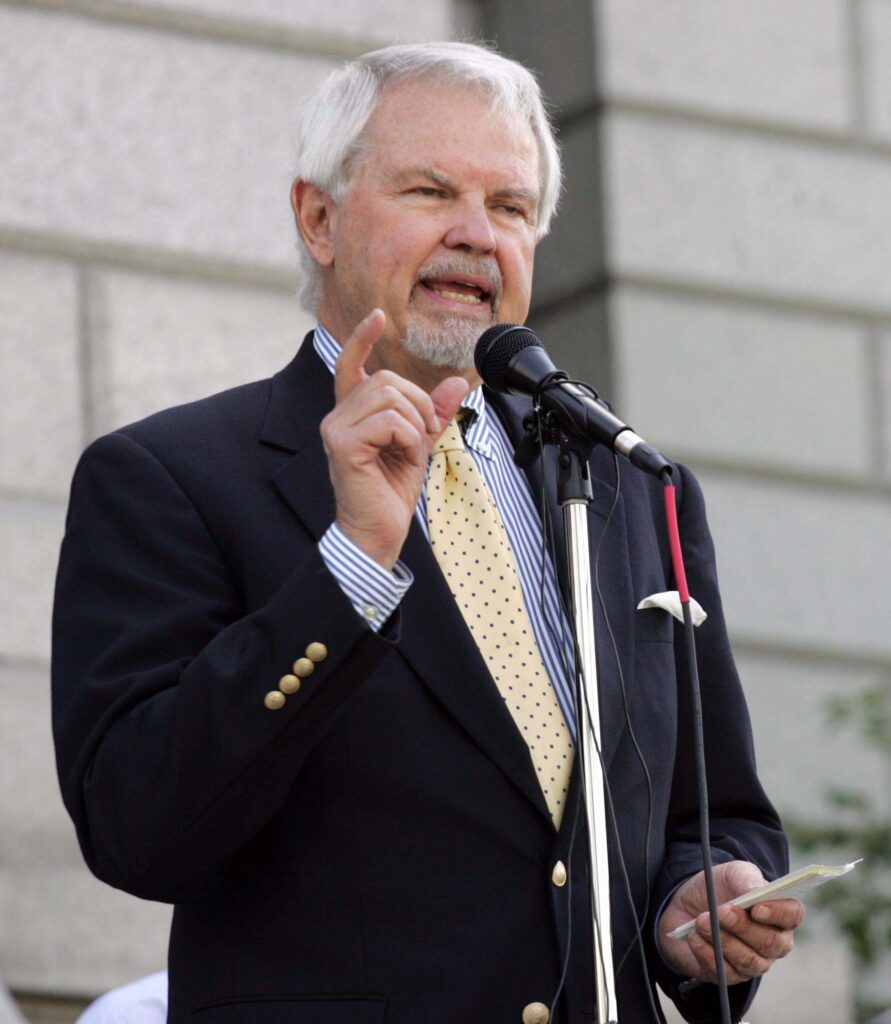
Forty-Five Years Ago This Week: “The real opportunity and the dangers before us are both real,” said Gov. Dick Lamm in his January state of the state address before the Colorado General Assembly. Lamm argued that energy development would continue...
A Mile High, again: Capitol M | Week of March 21, 2026
Marianne Goodland
marianne.goodland@coloradopolitics.com
Updated 3 days ago
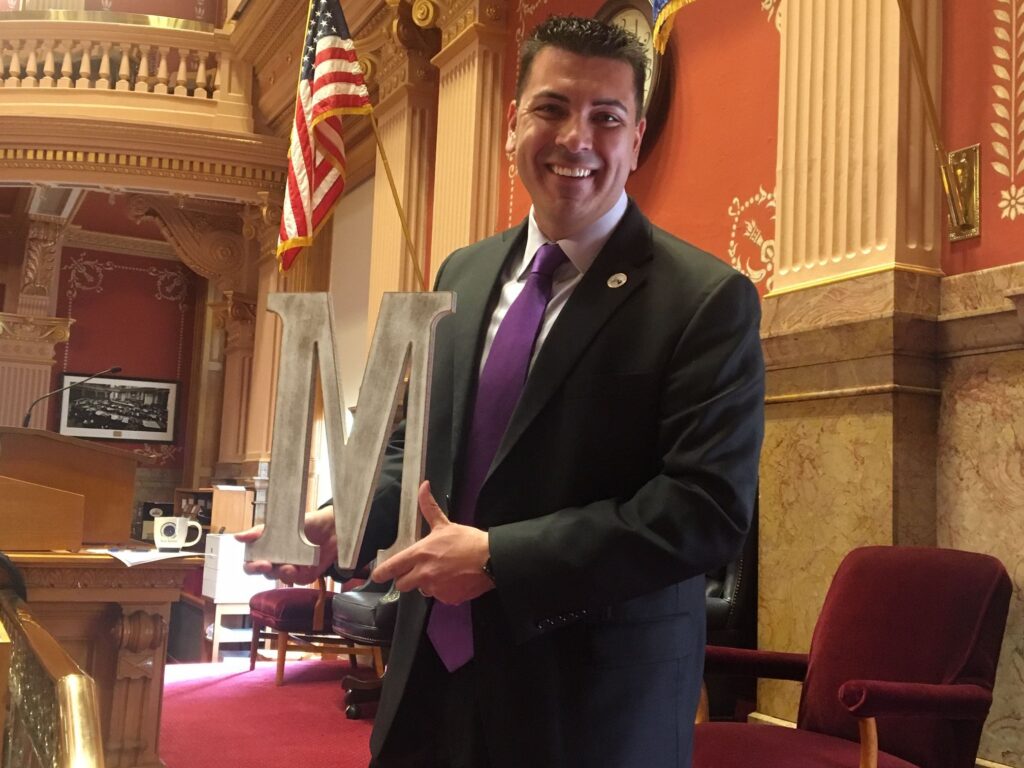
The lighter side of the Capitol, usually…. Local Journalism Day, except they forgot their very own local journalists. The state Senate on Thursday, March 19, passed a resolution recognizing Local Journalism Day. Everyone voted for it, which is good, because...

Colorado Politics Calendar Mar. 23-29
Rachael Wright, Special to Colorado Politics
rachael.wright@coloradopolitics.com
Updated 2 days ago
CoPo’s weekly political calendar will help you find political and public-policy events throughout Colorado. It includes candidate and issue campaign events, public policy meetings, court hearings, state and local party conventions, assemblies, debates, rallies, parades, speaking engagements, traveling dignitary appearances,...
The insular bubble of caucuses and assemblies | SONDERMANN
Eric Sondermann
eric-sondermann@coloradopolitics.com
Updated 2 days ago
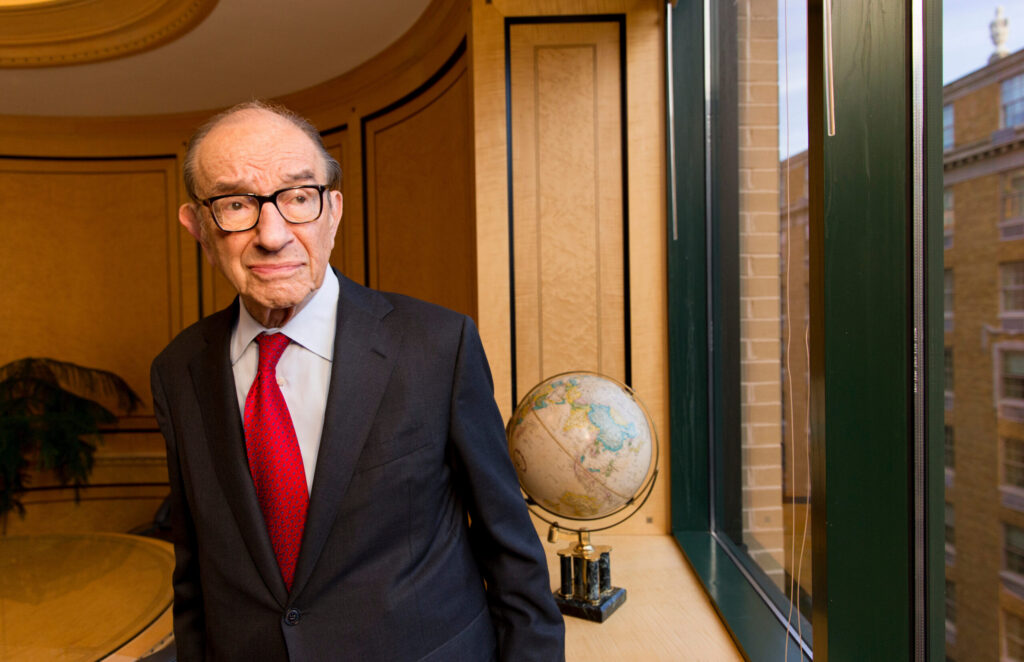
Nearly 30 years ago, then-Federal Reserve Chairman Alan Greenspan coined the term “irrational exuberance” to describe the overheated stock market. That descriptive phrase could also apply to much of the political realm. The hype in politics often grossly exceeds the...
Lauren Boebert’s hard ‘no’ on Pentagon Iran funding request puts Mike Johnson in tough spot
Emily Hallas, Washington Examiner
emily.hallas.washington.examiner@gazetteedit.wpenginepowered.com
Updated 1 day ago
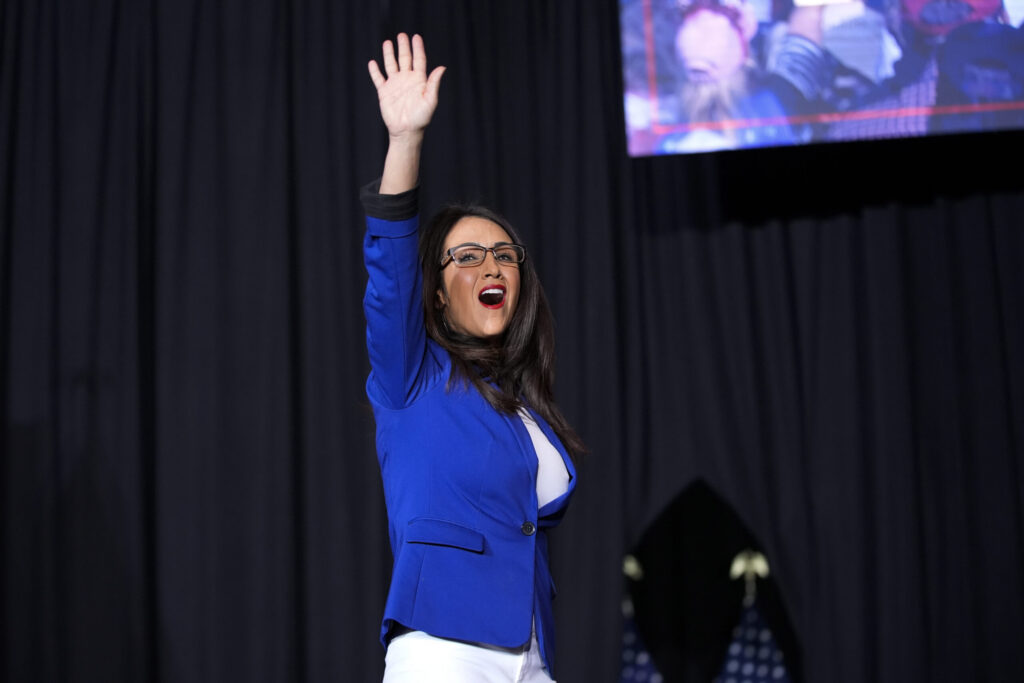
Colorado U.S. Rep. Lauren Boebert announced on Thursday that she will not support further funding for the United States’s war in Iran, marking an uphill battle for the Trump administration’s effort to secure additional financing from Congress. “I’ve already told...
Rubio gains ground in 2028 jockeying as Iran war elevates his profile
Samantha-Jo Roth, Washington Examiner
samantha-jo.roth.washington.examiner@gazetteedit.wpenginepowered.com
Updated 1 day ago
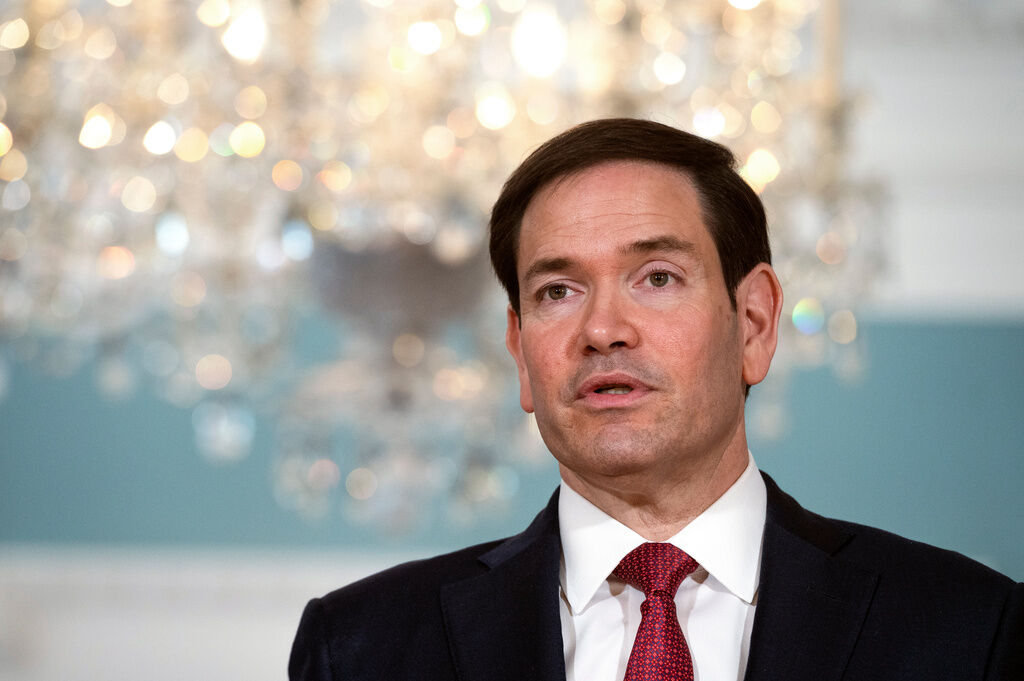
Secretary of State Marco Rubio’s high-profile role in the Trump administration’s response to the Iran war is boosting his standing in the early jockeying for the 2028 Republican presidential nomination — and positioning him as a possible rival to Vice...
Federal judge dismisses claims against medical contractor for Eagle County jail suicide
Michael Karlik
michael.karlik@coloradopolitics.com
Updated 1 day ago
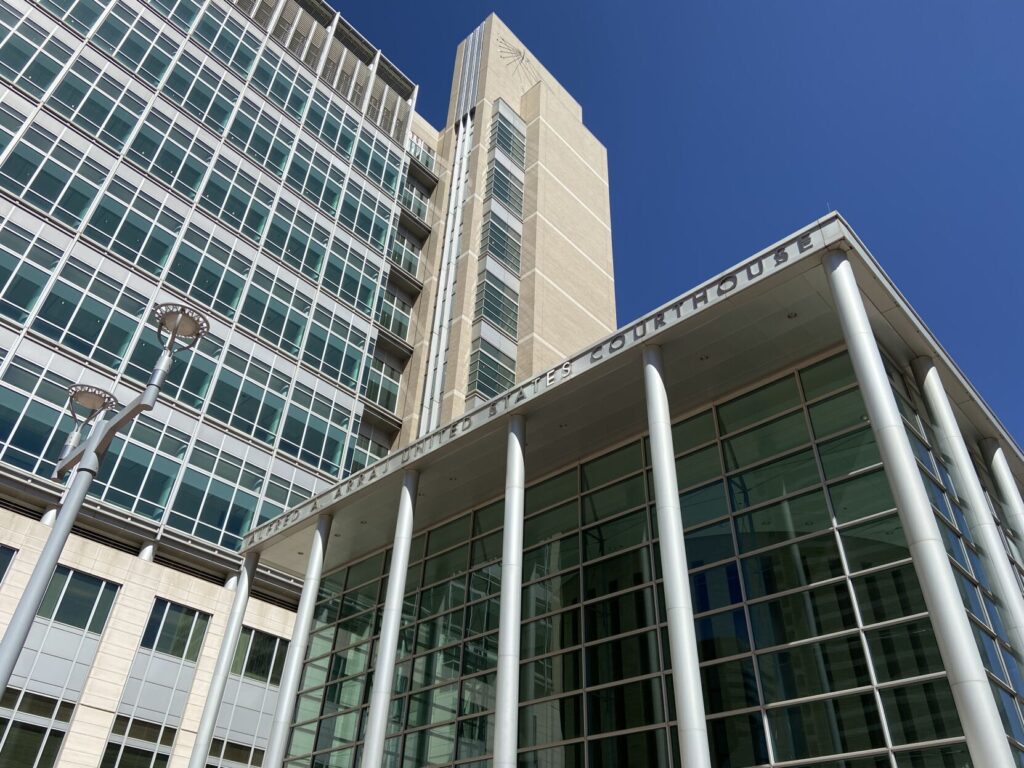
A federal judge dismissed the claims against a medical contractor for the Eagle County jail and its employees earlier this month, concluding there were insufficient allegations that they violated the constitutional rights of a man who died by suicide in...
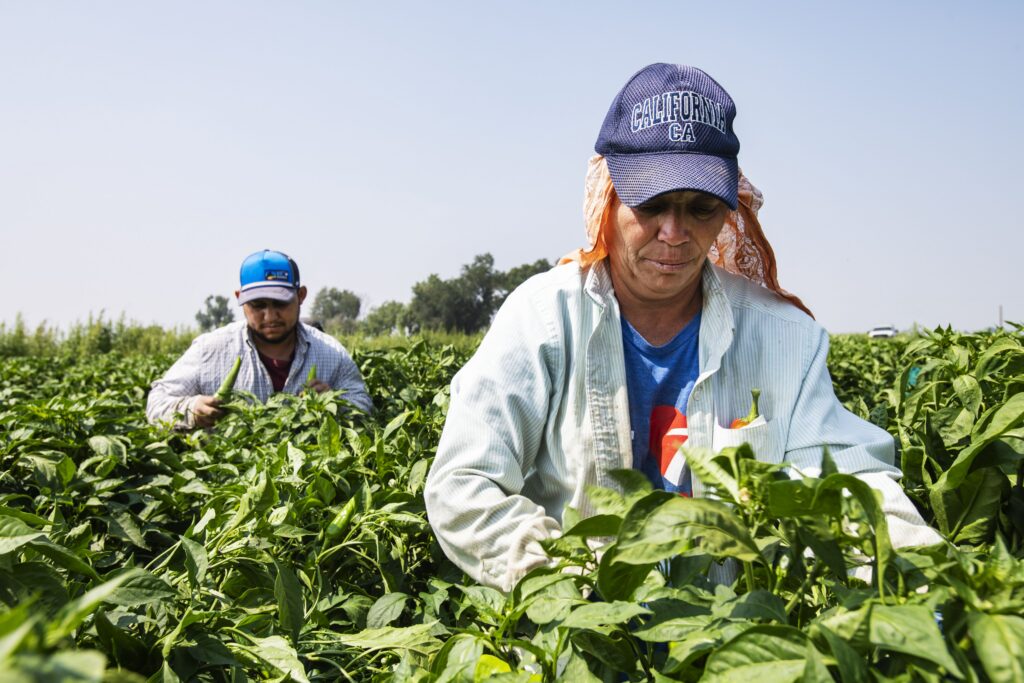
Colorado Senate committee advances bill increasing overtime threshold for farmworkers
Marianne Goodland
marianne.goodland@coloradopolitics.com
Updated 1 day ago
The struggle to balance farmworker protections with the survival of Colorado’s family farms took center stage Thursday as senators debated two competing overtime bills. The Senate Business, Labor and Technology Committee held a rare double-bill hearing that led to a...
Colorado bill to fund mental health by raising alcohol taxes defeated in House committee
Marissa Ventrelli
marissa.ventrelli@coloradopolitics.com
Updated 2 hours ago
Colorado legislators on Wednesday narrowly rejected a second measure that would raised taxes on alcohol products in order to fund mental health care treatment in the state. Proponents said the new revenue is necessary to help pay for mental health...
PREV
PREVIOUS

Raft of Republicans considering runs for Congress in wake of Doug Lamborn's retirement announcement
Within hours of Republican U.S. Rep. Doug Lamborn’s surprise announcement Friday morning that he won’t seek reelection in Colorado’s 5th Congressional District, more than a dozen potential GOP candidates emerged for the reliably Republican seat. At the same time, Democrats said they’re now eyeing the open El Paso County-based district, which has trended in their […]

Guv reacts to Air Force’s experimental missile deployment in Colorado | A LOOK BACK
Forty Years Ago This Week: Gov. Dick Lamm sent a five-page letter to the Department of the Air Force, reiterating his belief that Colorado should be included in public hearings on the environmental impacts of MX – “Missile, Experimental” – deployments. “I urge that the study process be reconsidered,” Lamm wrote. “There should be full […]