

Denver tears down immigrant camp, plans to relocate hundreds to new city shelters

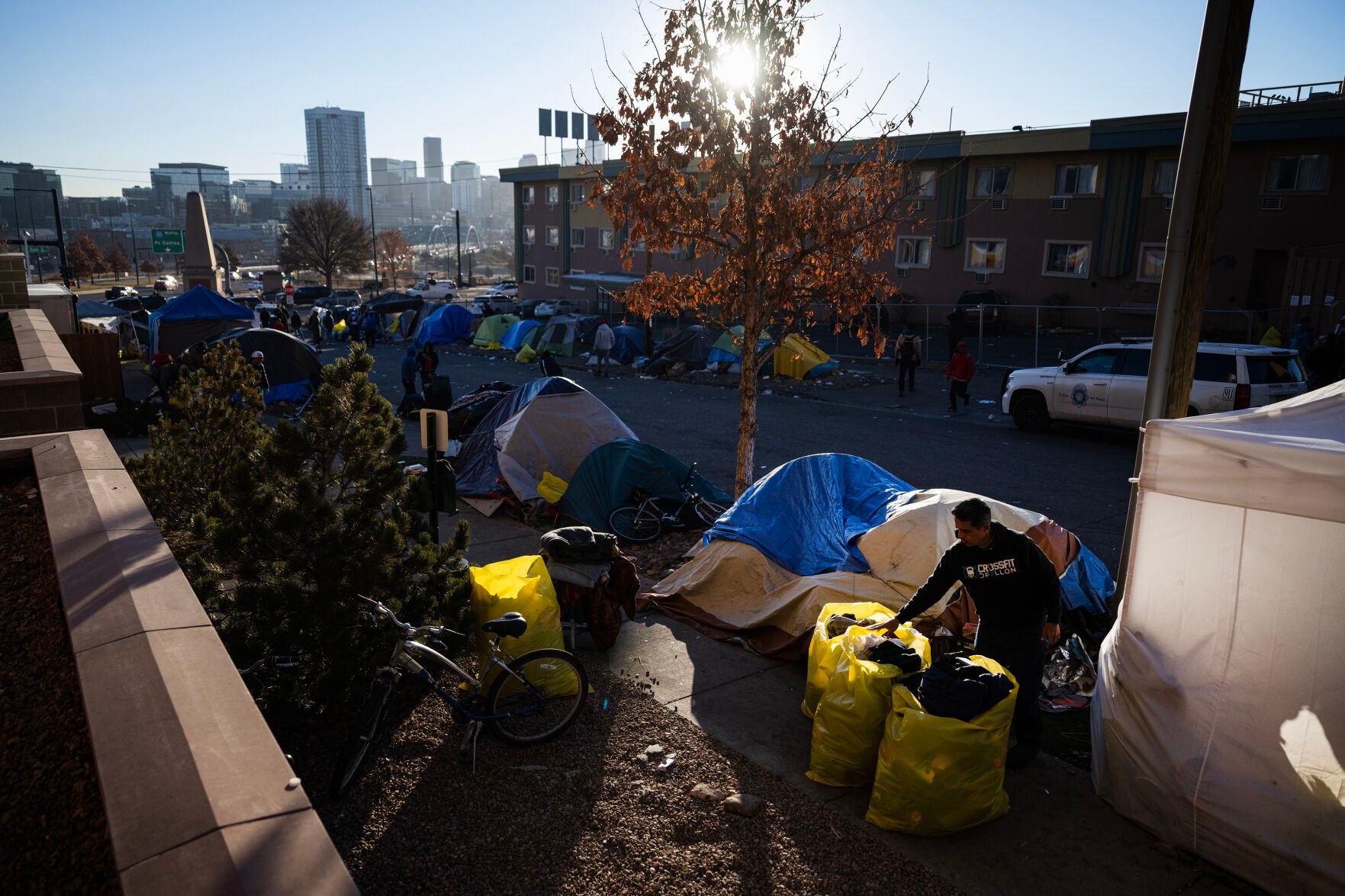
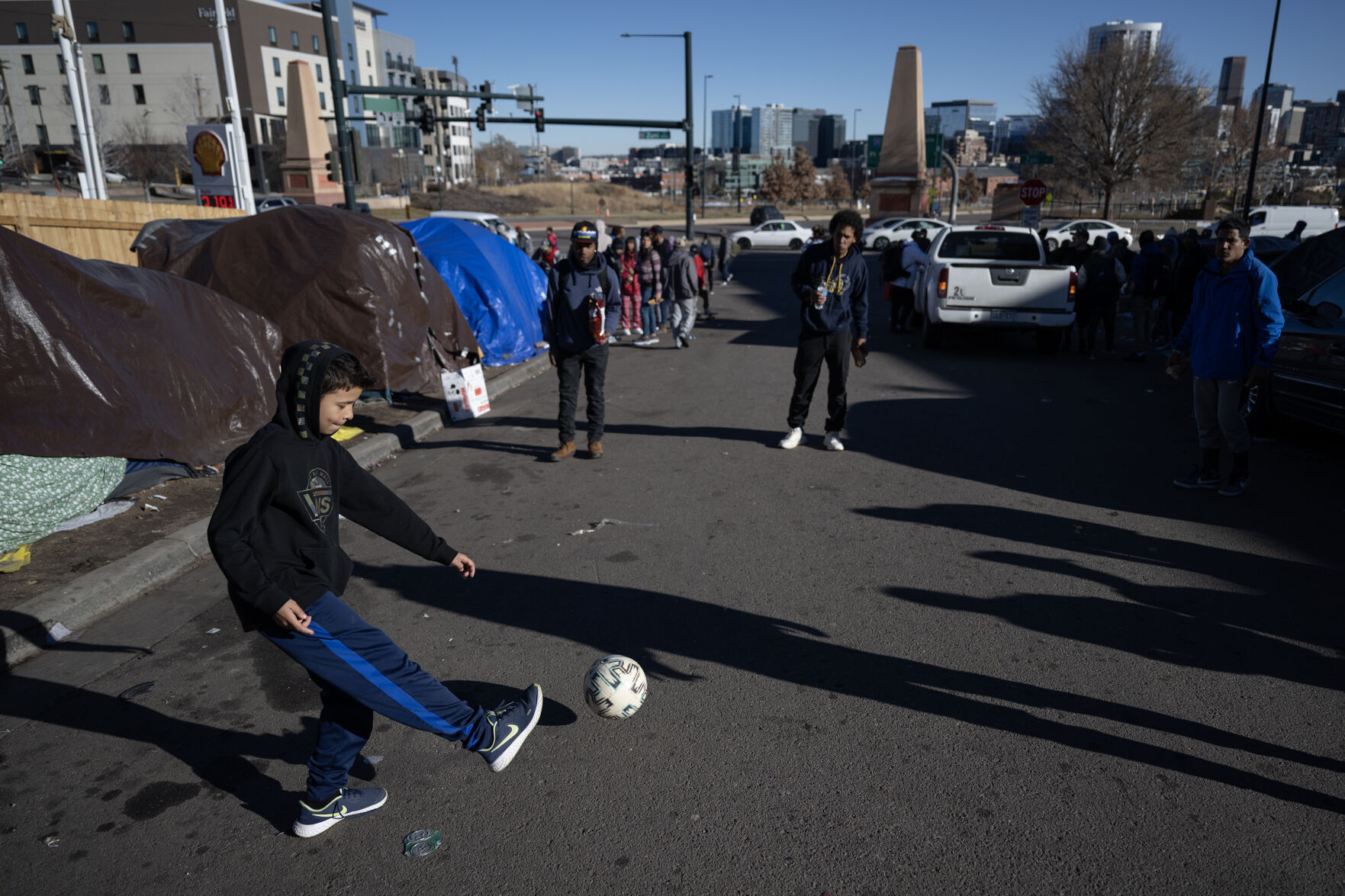
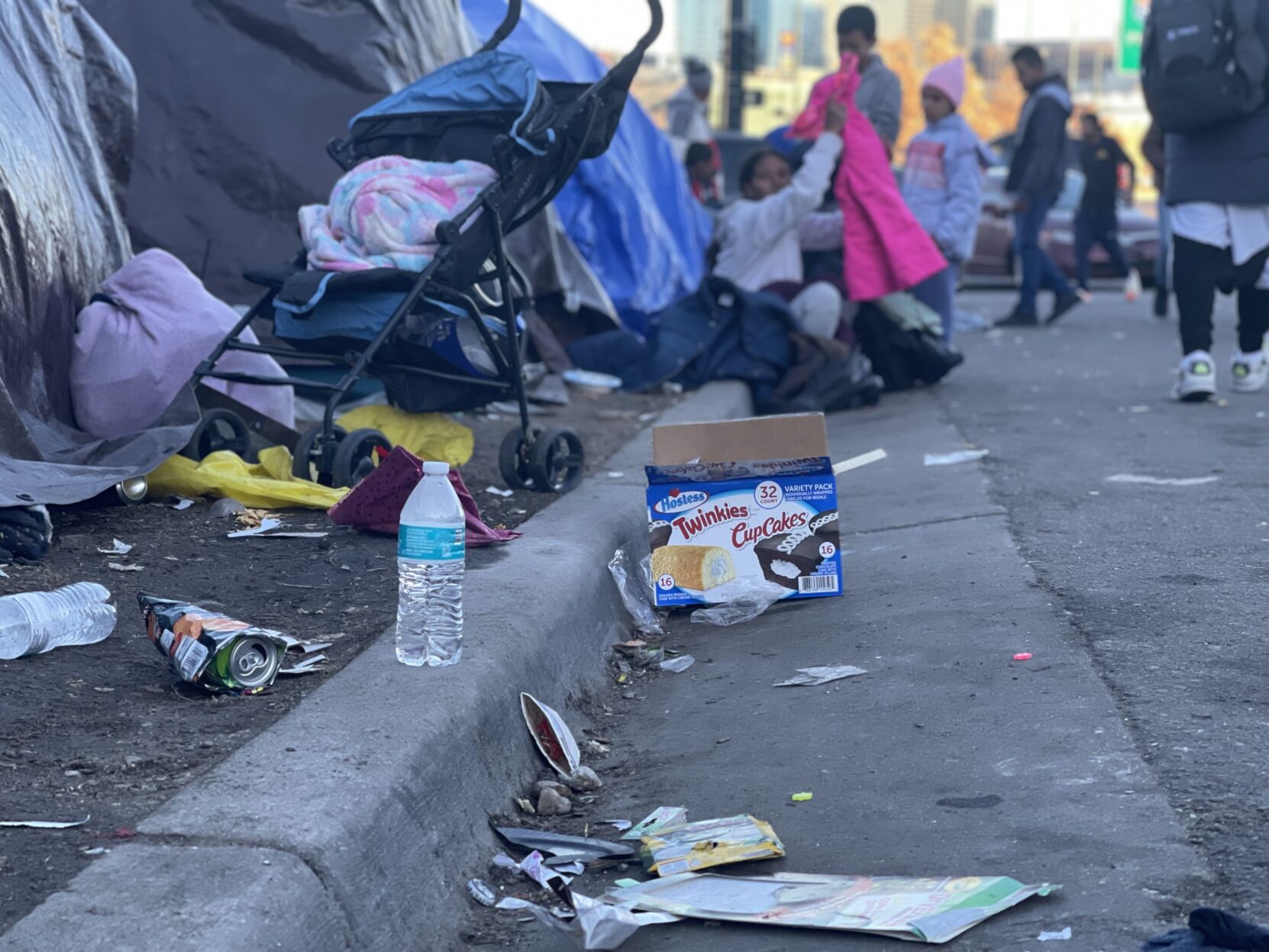
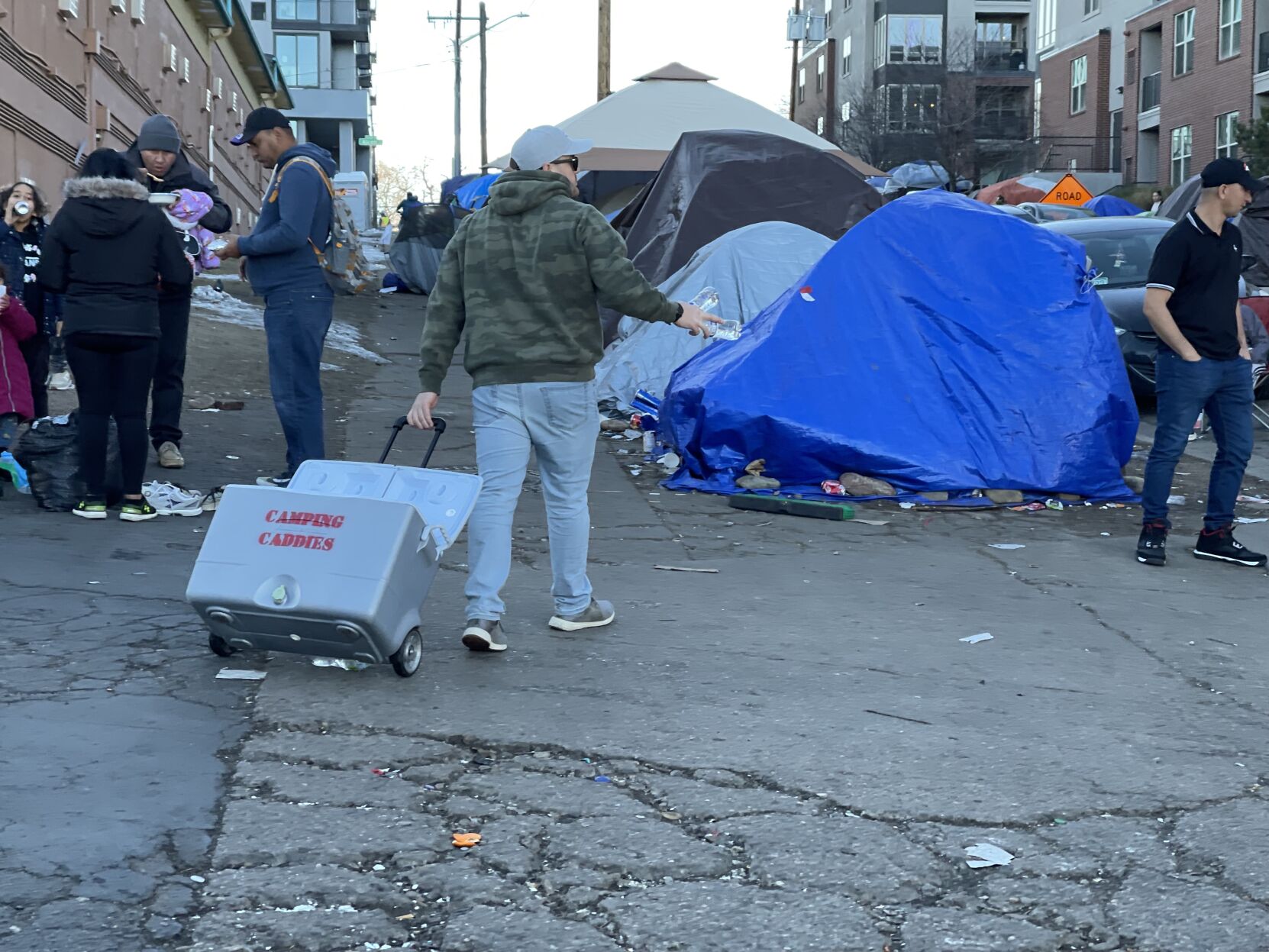
A crew from Denver on Wednesday began tearing down roughly 150 tents that immigrants had set up after crossing the southern border illegally and arriving in the city.
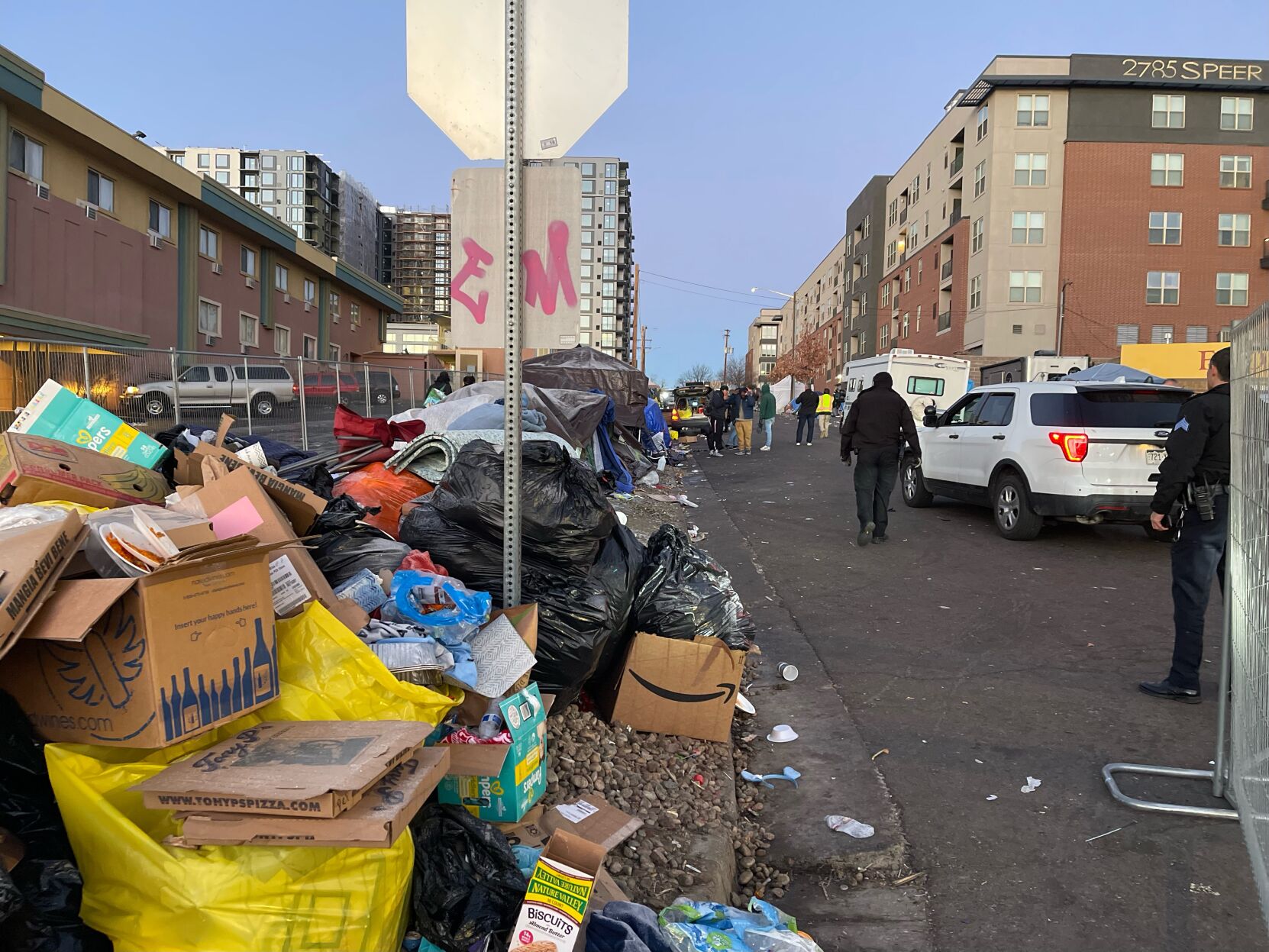
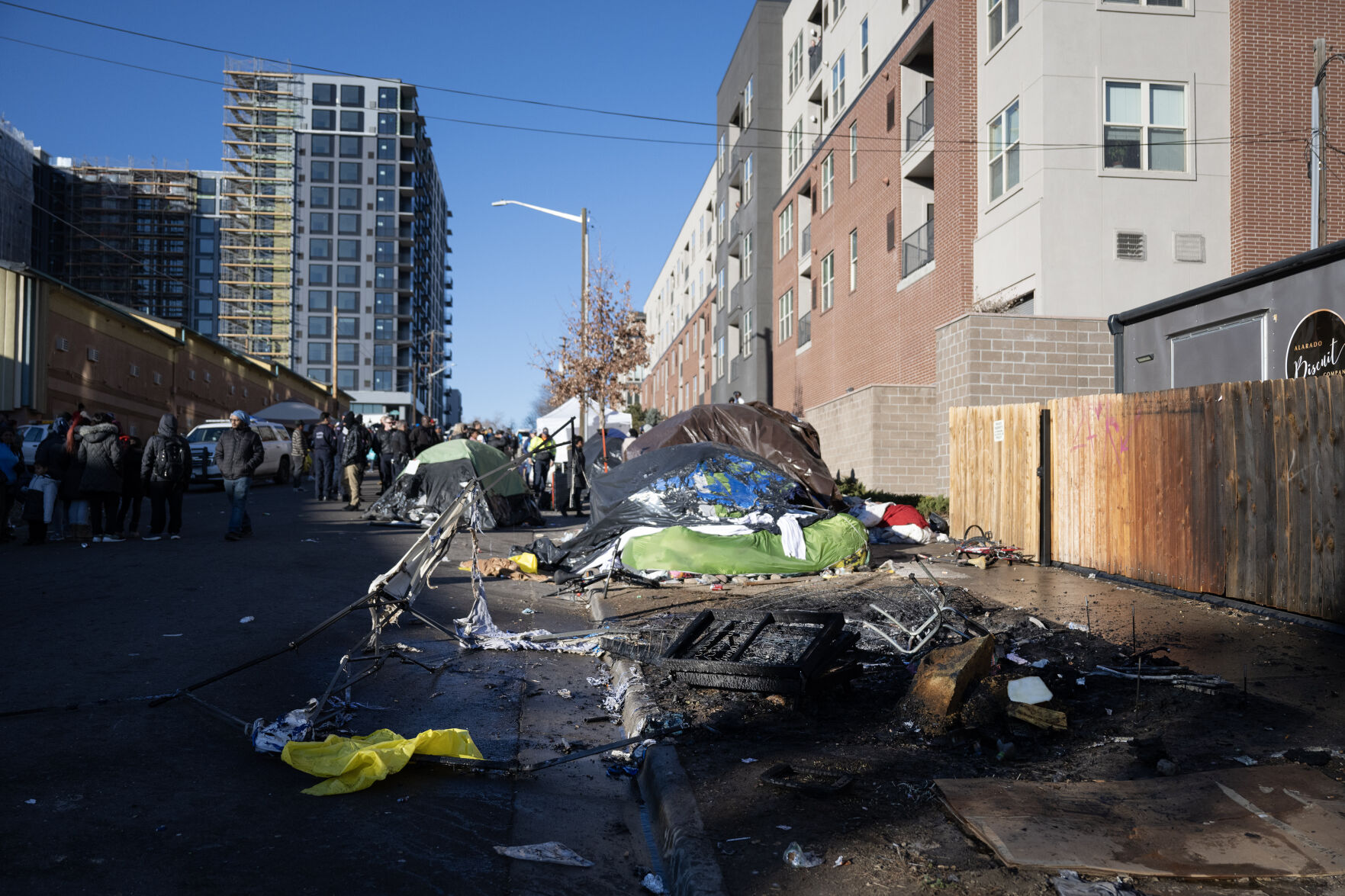
Trucks started moving in at the crack of dawn, putting up the barricades and beginning the work of dismantling the tents at the makeshift encampment, which had been home to about 300 homeless immigrants.
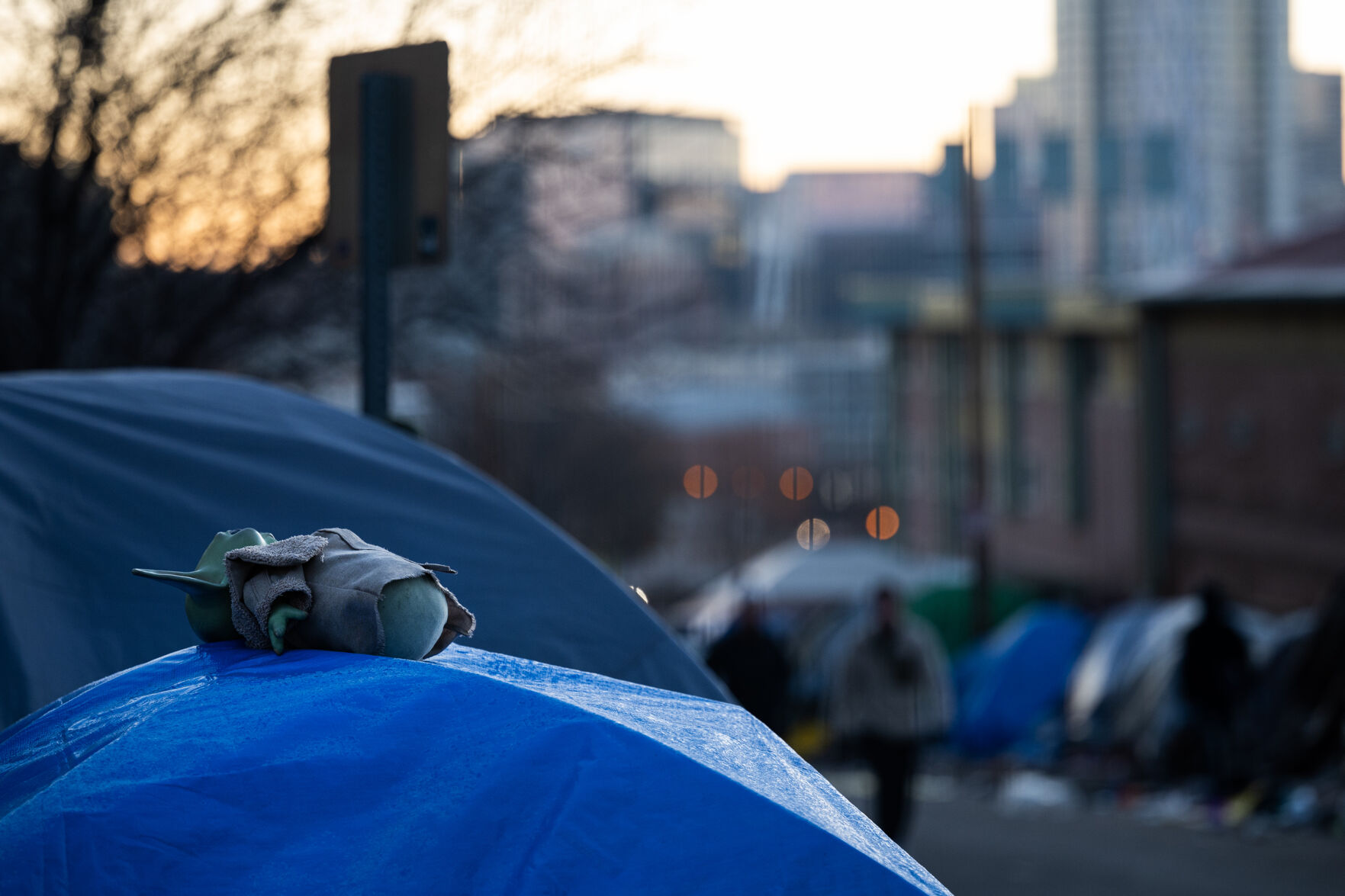
The encampment off Speer Boulevard and Zuni Street sprung up about three months ago when the immigrants, who had been sheltered, exhausted their city shelter voucher and moved onto the streets.
A small fire also broke out at the camp, and firefighters responded to put it out. No injuries were reported.
Tents catch fire while sweep of immigrant camp in LoHi underwayTom Hellauer
tom.hellauer@denvergazette.comTomHellauer
tom.hellauer@denvergazette.com
https://secure.gravatar.com/avatar/a3dc80c0a9d47d671f1f3da872cc0a06?s=100&d=mm&r=g
While there are other migrant encampments, the one on Zuni is the largest, said Jon Ewing, a Denver Human Services spokesperson.
Denver Human Services has been managing the city’s response since the city lifted its emergency declarations. The encampment on Zuni Street has roughly 150 tents and about 300 immigrants, mostly from Venezuela.
The plan for the encampment sweep was hatched to clean up the encampment and relocate its residents when the Denver City Council scrimped together an extra $330,000 to respond to the crisis.
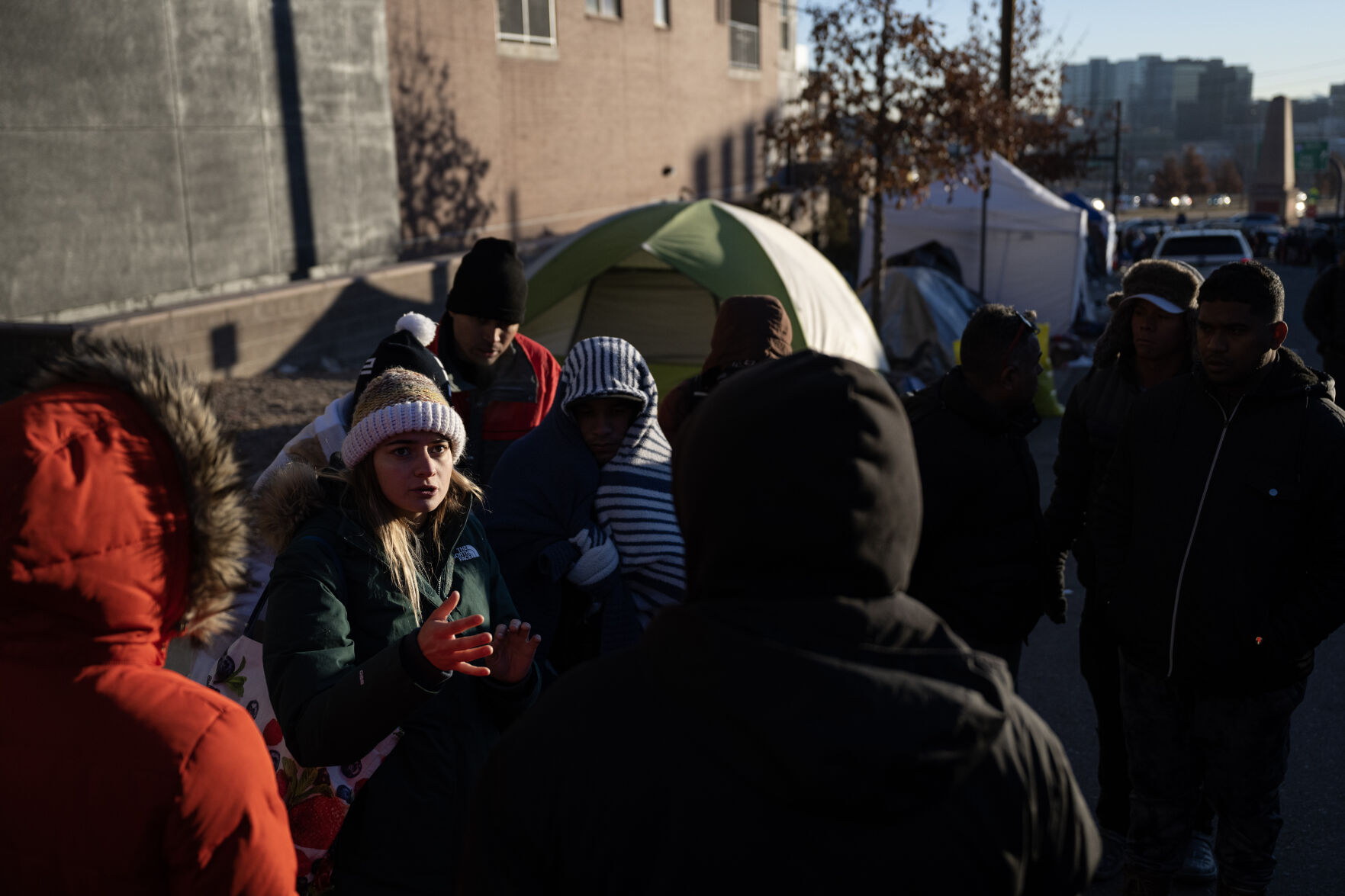
For the past week, city officials have been holding workshops with immigrants at the Zuni encampment to place them, if they’re working, in an apartment or, if they’re still looking for work, in a shelter for up to 30 days, Ewing said.
Spanish flyers said city officials would remove and hold any property for 30 days.
Ewing said the city has enough shelter space for about 300 people.
“I’m hopeful that we’ll have enough,” Ewing said.
Roughly 4,500 immigrants were being sheltered in Denver as of Tuesday.
About 100 immigrants, Ewing said, have already signed leases.
The sweep came as Mayor Mike Johnston declared victory over the city’s homeless problem by getting – as he promised in July – to place 1,000 homeless people indoors by the end of the year.
Johnston accomplished this by spending $45 million to acquire or lease units at hotels and purchase “tiny” shelters for “micro-communities” his administration is building across the city.
He plans to do it again this year with $50 million earmarked for the project.
The immigrant crisis offers a more obstinate challenge because most – if not all – of these immigrants cannot legally work in the U.S. For those with a path to work legally, obtaining work authorization can still take months.
“We know that people are going to work whether they are authorized to or not,” Ewing said. “We really need to expand work authorization.”
This has huge implications for the city.
Johnston has maintained that the issues immigrants face are uniquely different than those of the unhoused.
And this is because address the immigrant crisis will not be as simple as providing services to ease them into work and self-sufficiency. If these newly arriving immigrants are unable to obtain work, they won’t be able to house and feed themselves without public assistance.
As of Tuesday night, Denver had welcomed 35, 952 immigrants from South and Central America, primarily Venezuela.
Last month, Denver marked its one-year anniversary since 90 immigrants were dropped off downtown at Union Station, left to wander in the cold looking for shelter. Officials have scrambled ever since to respond to the growing humanitarian crisis.
The response to the unfolding calamity at the U.S. border with Mexico and in Colorado’s most populous city has cost a staggering $36 million. Despite federal and state grants, the brunt of these costs have fallen to Denver taxpayers.
Early in the humanitarian crisis, officials determined the city would pay to temporarily house the arriving immigrants as well as provide transportation to the city of their choice, for those not wanting to stay in Denver.
Once predominantly confined to states that border Mexico or gateway cities such as New York and Chicago, the crisis has now spilled over into interior cities like Denver, which is more than 600 miles from the closest U.S. border.





nico.brambila@denvergazette.com
nico.brambila@denvergazette.com

nico.brambila@denvergazette.com



nico.brambila@denvergazette.com
nico.brambila@denvergazette.com


Trump to attend White House Correspondents’ Dinner for first time as president
Washington Examiner Staff, Washington Examiner
washington.examiner.staff.washington.examiner@gazetteedit.wpenginepowered.com
Updated 21 minutes ago
President Donald Trump announced on Monday that he accepted an invitation to this year’s White House Correspondents’ Dinner. It would mark the first time Trump has attended the dinner, in either term, since he’s been president. Trump announced the decision...

Primary rival sues to prevent Democrat Eileen Laubacher from going through assembly in Colorado’s 4th CD
Ernest Luning
ernest.luning@coloradopolitics.com
Updated 3 hours ago
Democratic congressional candidate Trish Calvarese on Monday asked a judge to prevent one of her primary rivals, Eileen Laubacher, from participating in the caucus and assembly process to seek the nomination to challenge Republican U.S. Rep. Lauren Boebert in Colorado’s...
Colorado lawmakers tackle legislation on sexual assault
Jenny Deam
jenny-deam@coloradopolitics.com
Updated 5 hours ago
A panel of Colorado lawmakers on Monday unanimously approved a bill that supporters say will offer protections and support to victims of domestic violence, stalking, sex trafficking and sexual assault, including mandatory training for law enforcement on trauma. The measure,...

Denver adopts face mask ban for law enforcement
Deborah Grigsby
deborah.smith@denvergazette.com
Updated 2 hours ago
Members of the Denver City Council unanimously approved an ordinance Monday that prohibits law enforcement officers, including federal immigration agents, from wearing a mask or face covering while interrogating, detaining, or arresting an individual within Denver, including in city-owned buildings....

More than 20 Colorado counties receive grants to improve land record-keeping systems
Maren Prince
maren.prince@denvergazette.com
Updated 2 hours ago
More than 20 Colorado counties received $2.5 million to improve their land record-keeping systems, according to a Monday news release. The State’s Electronic Recording Technology Board awarded 22 counties with grants ranging from $5,000 to $350,000, according to the release....
Denver among top 5 finalist cities for 2028 DNC
Deborah Grigsby
deborah.smith@denvergazette.com
Updated 2 hours ago
Denver is among the five cities that could host the 2028 Democratic National Convention, the Democratic National Committee announced Monday. Along with Denver, Philadelphia, Atlanta, Boston and Chicago have advanced in the application process to host the next DNC, which...

Colorado bill would require employers to grant legislative leave to state lawmakers
Marissa Ventrelli
marissa.ventrelli@coloradopolitics.com
Updated 1 hour ago
When she was elected to the legislature in 2022, Sen. Janice Marchman was hopeful she could bring real-world experience to the state’s education policy. Marchman, a Loveland Democrat, was the only actively-working teacher in the General Assembly for the past...

Colorado Supreme Court clarifies restraining order violations can always support burglary charge
Michael Karlik
michael.karlik@coloradopolitics.com
Updated 19 hours ago
The Colorado Supreme Court’s majority ruled on Monday that a violation of a restraining order can also serve as a basis for finding a defendant guilty of burglary. Under state law, a person commits second-degree burglary by unlawfully entering or...

Big week ahead for major legislation to address housing affordability woes
Zach Halaschak, Washington Examiner
zach.halaschak.washington.examiner@gazetteedit.wpenginepowered.com
Updated 21 hours ago
The Senate is pushing ahead with a bipartisan bill to improve housing affordability, teeing up a critical week for housing on Capitol Hill and raising major questions about what provisions will be included. Senate Majority Leader John Thune (R-SD) filed cloture on legislation from the...

Macron goes nuclear with increases to French warhead arsenal
Timothy Nerozzi, Washington Examiner
timothy.nerozzi.washington.examiner@gazetteedit.wpenginepowered.com
Updated 21 hours ago
French President Emmanuel Macron is channeling the atomic spirit of his predecessor Charles de Gaulle with orders for the French military to “increase the number of nuclear warheads” in the nation’s arsenal. Macron announced the seismic shift in France’s defensive...
PREV
PREVIOUS

Arapahoe County jurors disregarded instructions, gave incoherent murder verdict, appeals court finds
Colorado’s second-highest court agreed last month that Arapahoe County jurors disobeyed their instructions, produced a verdict that did not make sense and, as a result, the defendant’s murder conviction must be overturned. However, the three-judge panel for the Court of Appeals disagreed over who bore the most blame for the contradictory verdict and whether Jacob Alexander […]

Arapahoe Democrats pick police reservist for vacant Colorado House seat
Arapahoe County Democrats have chosen a police reservist to represent a vacant House seat for the legislative session that is set to begin next week. The Democrats picked Chad Clifford of Centennial for House District 37, which became vacant when former state Rep. Ruby Dickson resigned last month, citing a “sensationalistic and vitriolic” environment in the state […]