

As protests roil America’s colleges amid Israel-Hamas war, Colorado universities reckon with free speech
On the same day the leaders of three of America’s most prominent educational institutions gave legalistic responses over whether calling for the genocide of Jews constitutes bullying or harassment, a Colorado university raised funds for a group providing emergency services in Israel.
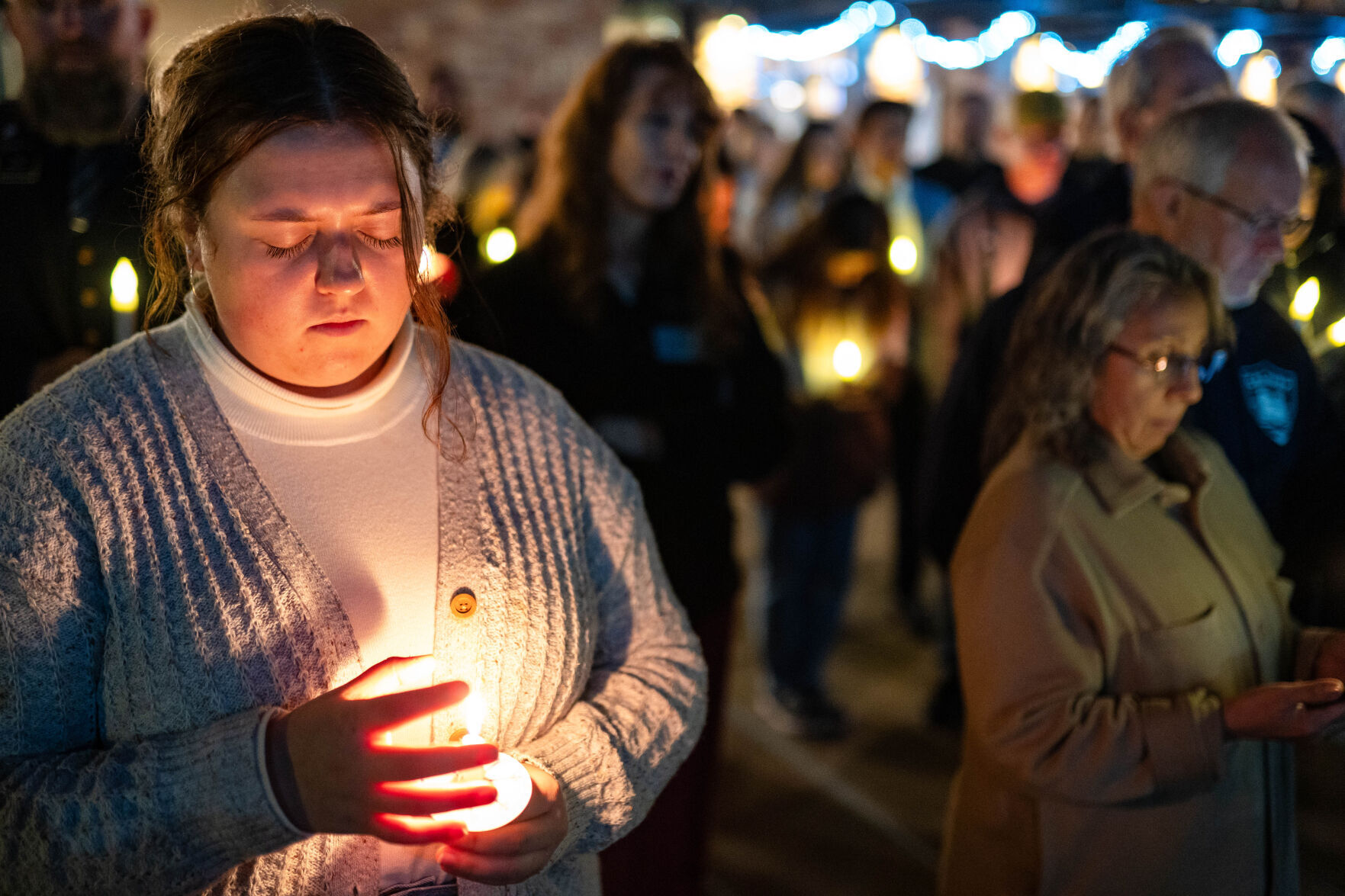
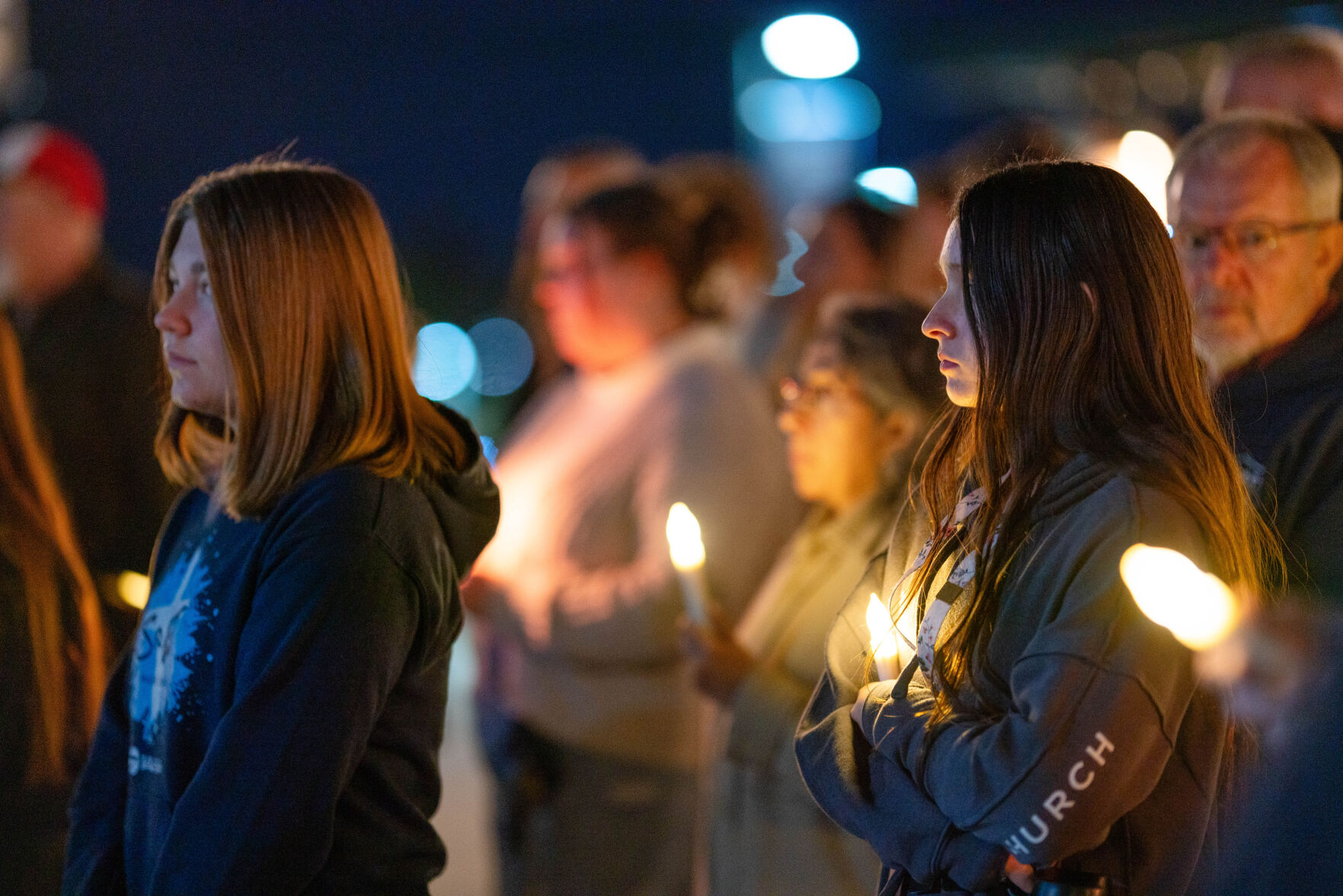
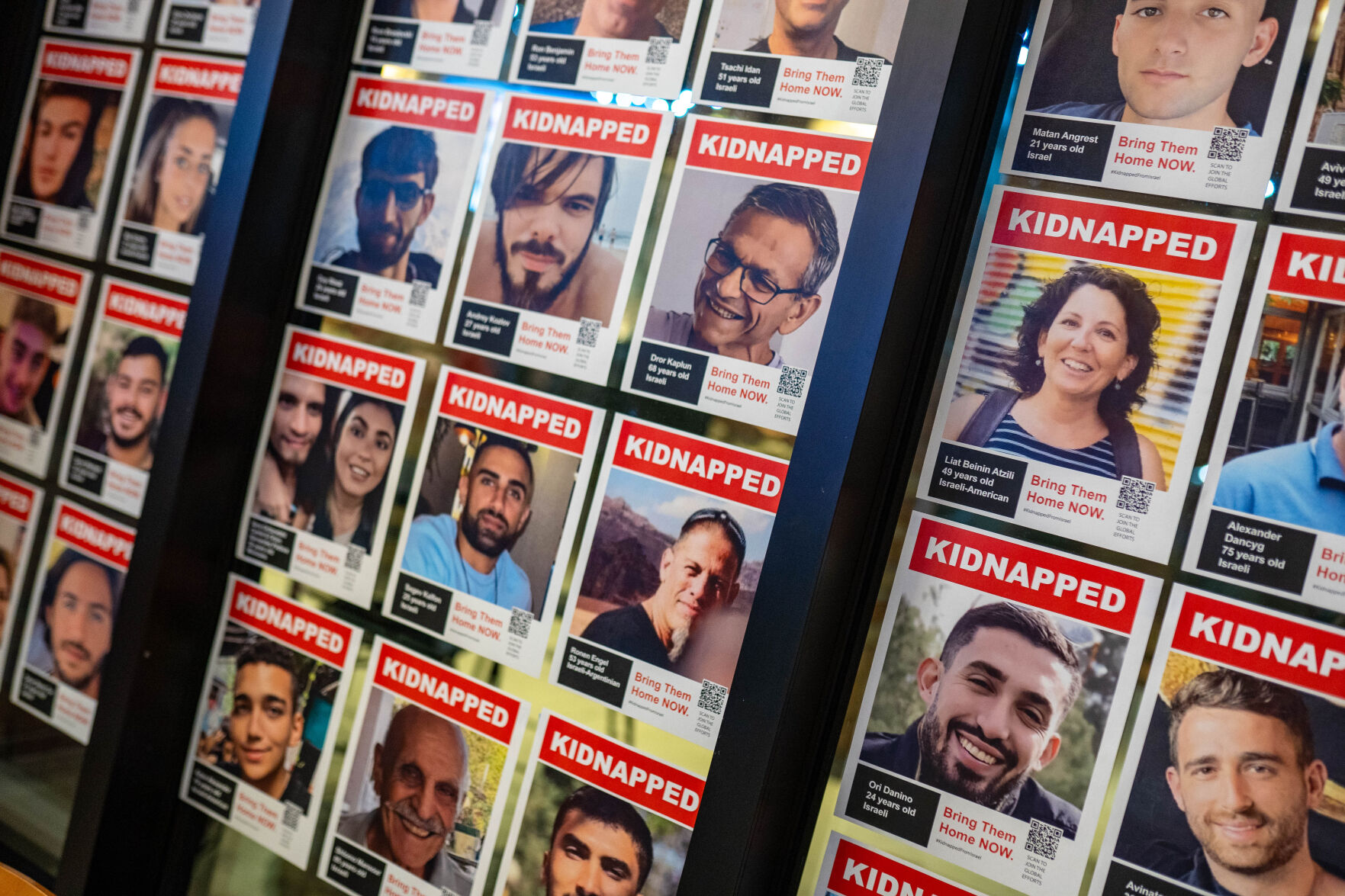
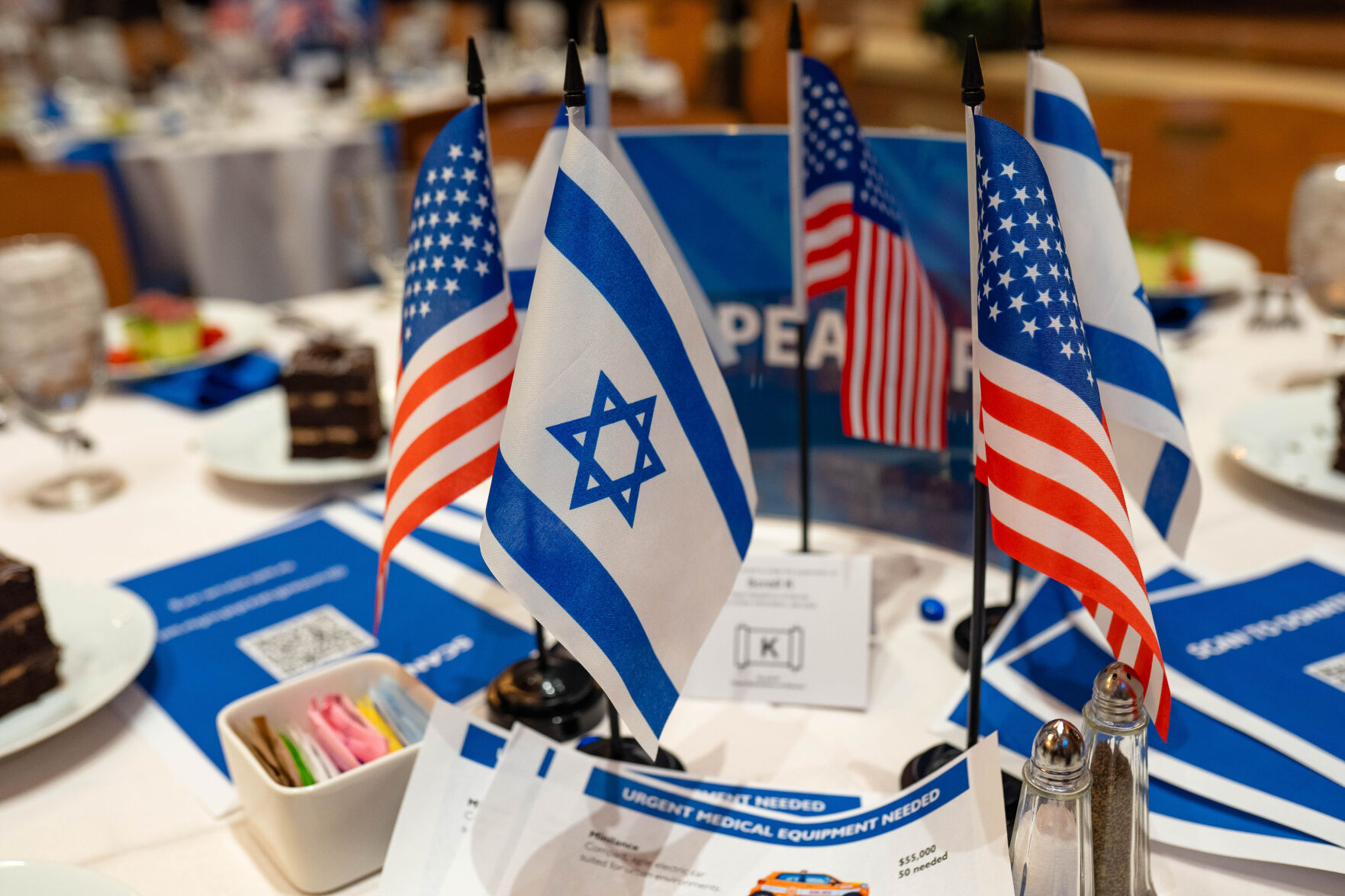
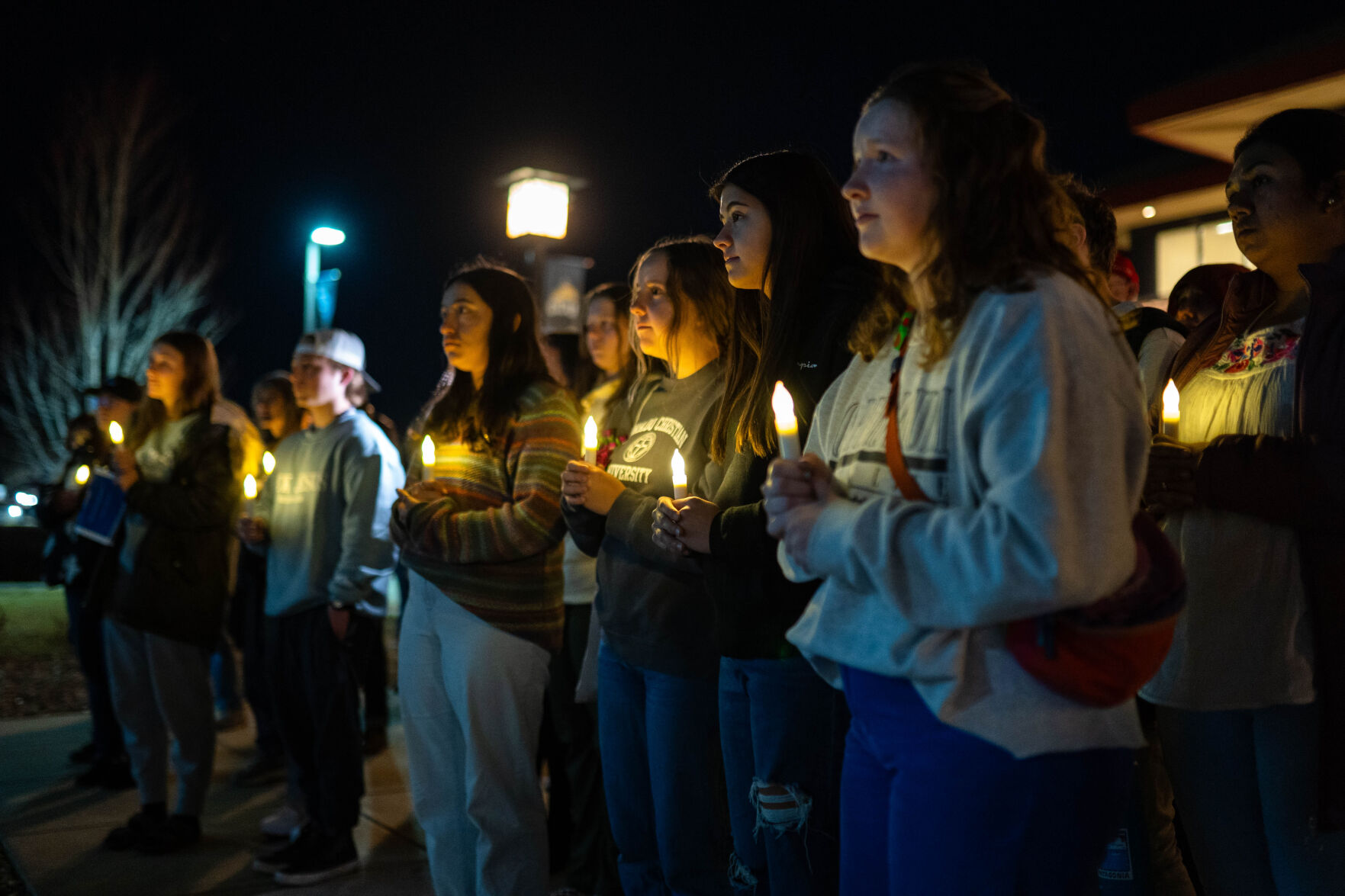
Colorado Christian University hosted local Jewish leaders over dinner and a prayer vigil on Dec. 5, in which faculty members and students expressed support for Israel in its war against Hamas.
“Tonight, I stand before you publicly as the president of this university,” Eric Hogue said. “I promise you – this university will continue to support Israel, her land, her state and her people. You are home at CCU tonight.”
The Christian university’s unequivocal backing for the Jewish state highlights the debate in Colorado and America over the parameters of free speech on campus as education leaders faced pressure – to condemn the attack on Israel or sympathize with the plight of Palestinians – after Hamas killed 1,200 and kidnapped more than 200 in October. Retaliatory strikes by Israel have killed more than 13,000, according to the Hamas-run health ministry in Gaza.
Indeed, the discord at America’s colleges – where students have launched protests to denounce Israel and show support for the Palestinian people and also attracted counter-protests – brought to fore the disparate response from university leaders to the crisis.
For the most part, Colorado’s major educational institutions’ leaders have walked a tightrope since the war, expressing horror at the violence while noting the heavy losses on both sides.
In the first few days following the Oct. 7 Hamas attack, university leaders sent out carefully worded statements that expressed grief over the violence and offered resources and assurances that students would be safe. They also said they would protect free speech on campus.
For example, the official position of University of Colorado’s leaders sought exactly that effect, when they said they were “horrified and saddened by the Hamas terrorist attacks on Israel that have sparked a war with the full breadth of consequences not yet known.”
Colorado State University similarly said the “terror and violent conflict that has erupted in Israel and Gaza has brought grief, pain and heartbreak to our university community and communities around the world.” The university said its priority is to support students and colleagues affected by the conflict.
When asked whether universities should take an objective moral stance on difficult subjects, particularly on the Israel-Hamas war, one leader emphasized that the mission of her university is to pursue academic freedom and nurture an environment that embraces different views.
Colorado College, too, said it will tolerate neither “Anti-Semitism, or Anti-Arab and Anti-Muslim hate,” nor “hate, bigotry, or intimidation on our campus.” The college said it is committed to academic freedom and free speech, “even when the viewpoints expressed are hurtful to some.”
“We will protect everyone’s right to share perspectives and acknowledge emotions. We will not censor opinions or ban groups on campus even when we disagree with them,” the college said. “These commitments, however, do not extend to expressions or acts of Anti-Arab and Anti-Muslim hate, Anti-Semitism, or other acts of hatred.”
The college also warned that speech and behavior must “not endanger others, disrupt the normal business or activities of the college, damage property, or constitute illegal activity,” and that policy violations would result in “consequences.”
And, two days after the Hamas attack, University of Denver’s leaders said they are “struggling with words” and offered resources, adding they are “committed to supporting those who live, learn, and work at DU and have ways to connect you to help as we all collectively grapple with the tragic events unfolding in Israel and Gaza.”
Later, the chancellor said the university “must remain neutral on geopolitical issues,” saying the institution “does not make formal statements in support or dissent on geopolitical issues because they can unintentionally stifle the free expression of our community members.”
“In this, we are unequivocal: we do not tolerate antisemitism, Islamophobia, or any form of hate. Every DU community member deserves to feel safe and welcome,” the chancellor said.
Meanwhile, Metropolitan State University of Denver’s president said on social media that her thoughts were “with those suffering from unimaginable violence following the horrific invasion of Israel over the weekend.” The university official added: “The brutality on display is terrifying and heartbreaking, and we grieve for the innocent civilians on both sides of this war who deserve an end to the hostilities and to decades of conflict that have brought so much bloodshed.”
A month after the attack, its president reflected on “World Kindness Day.” In her post, the official said amid world conflicts, it’s particularly relevant to be reminded about practicing “kindness and tolerance with one another.”
Implicit in MSU Denver’s mission, the president added, is a “deep-rooted commitment to freedom of expression and the understanding that we can disagree without being disagreeable.”
For Colorado Christian University, that “moral stance” means taking Israel’s side. Its leaders noted the university has not experienced any pro-Palestinian protest on campus.
During the Dec. 5 fundraiser, two Israeli students fought through tears to recount how their family members have been called up to military service in their home country and how grateful they are for the support they have been getting from faculty members and students alike at Colorado Christian University.
A student leader reiterated that support to the Israeli students and to the fundraiser’s Jewish attendees, who included Rabbi Hillel Goldberg, the editor and publisher of the Intermountain Jewish News; Scott Levin, regional director of the Anti-Defamation League Mountain States; and Brad Young.
Young represented United Hatzalah, the emergency medical rapid-response organization and beneficiary of the fundraiser.
Protests at UN climate talks, from cease-fire calls to detainees, see ‘shocking level of censorship’
Earlier that day, in Washington, DC., University of Pennsylvania President Liz Magill, Harvard University President Claudine Gay and Massachusetts Institute of Technology President Sally Kornbluth testified at a congressional committee hearing about antisemitism on their campuses.
Rep. Elise Stefanik, a Republican from New York, asked the university leaders: “Calling for the genocide of Jews, does that constitute bullying or harassment?”
Magill replied, “If it is directed and severe, pervasive, it is harassment.”
“So, the answer is yes,” Stefanik responded.
Magill replied, “It is a context-dependent decision, congresswoman.”
“That’s your testimony today? Calling for the genocide of Jews is depending upon the context?” Stefanik said.
Gay and Kornbluth gave similar responses.
Their testimony invited a storm of criticism. At Penn, the fallout was swift. Magill, who apologized on Wednesday, resigned on Saturday. Gay also apologized, telling The Harvard Crimson, “I am sorry.”
“Words matter,” the paper quoted Gay as saying. “When words amplify distress and pain, I don’t know how you could feel anything but regret.”
In January, Gay, who also faced accusations of plagiarism, resigned her position at Harvard.
In Colorado, leaders have struggled, in particular, to respond to pro-Palestinian sentiment on their campuses, where protests have erupted.
Last October, Philip DiStefano, chancellor of University of Colorado Boulder, sought to distance his educational institution from a department’s accusation that Israel’s retaliatory strikes amounted to an “unprecedented genocidal attack.”
DiStefano stopped short of admonishing the Department of Ethnic Studies – which called Israel’s response following the Hamas attack “another unprecedented genocidal attack on the Palestinian people” – but he said the latter’s position does not reflect the university’s stance on the conflict.
“While the principles of academic freedom and freedom of expression protect the speech of University of Colorado Boulder faculty, staff and students, that does not mean their points of view represent the perspectives of the university – nor that we endorse them,” DiStefano said.
In a statement posted on the College of Arts and Sciences’ website, the ethnic studies department described Israel’s actions as an “intentional collective punishment and forced displacement with unprecedented levels of air bombings on civilians.”
“This statement affirms our unwavering and continued commitment to a free Palestine. We stand with our Palestinian students, faculty, staff, and broader community to demand an immediate ceasefire, as we continue to support complete liberation, de-occupation, decarceration, and decolonization of Palestine,” the department said.
The department has since taken down the statement.
EU to propose sanctions on violent Israeli settlers in West Bank
“The free exchange of ideas is difficult,” DiStefano said, acknowledging the department’s move to take its statement offline. “How we express ourselves has the power to deepen our understanding of each other or to divide us. Moving forward, I encourage us to continue expressing ourselves, to listen openly to what others are saying, and to do so with care, empathy and lasting peace in mind.”
Elsewhere, more than 100 college and university presidents across America signed a statement expressing support for Israel and arguing that the Israel-Hamas war requires “more clarity” from higher education institutions.
“We are horrified and sickened by the brutality and inhumanity of Hamas. Murdering innocent civilians including babies and children, raping women and taking the elderly as hostages are not the actions of political disagreement but the actions of hate and terrorism,” the statement said.
“The basis of all universities is a pursuit of truth, and it is times like these that require moral clarity. Like the fight against ISIS, the fight against Hamas is a fight against evil. We, the presidents and chancellors of universities, colleges and higher education associations across the United States of America and the world, stand with Israel, with the Palestinians who suffer under Hamas’ cruel rule in Gaza and with all people of moral conscience,” the statement added.
In Colorado, Hogue of Colorado Christian University and John Marshall of Colorado Mesa University signed the declaration.
And, in a series of posts on the social media platform X, Marshall said he “watched in disbelief as universities around the country float aimlessly in an ocean of antisemitism, with Jewish students threatened in classrooms and attacked in campus quads.”
“So, let me speak clearly,” he said. “To my Jewish friends, neighbors, colleagues, and students: you are safe and welcome on our campus. Full stop.”
For Hezy Shalev, a member of the Israeli-American Council who spoke at the Dec. 5 fundraiser, the pro-Palestinian protests point to a failure by elite American universities to teach their students about complex, historical events.
“Any university should be searching for the truth, and truth comes from facts, not from one-line slogans or from cheap, oversimplified narratives,” he told The Denver Gazette.
“I’m not necessarily saying at the end of this process they should stand with Israel. I think that should be the outcome,” he said. “I’m just saying explore deeply, don’t go to one-line slogans.”

But others said the universities’ proper response should be to talk about what’s happening on their campuses but to refrain from opining about events beyond, even atrocious ones unfolding on the world stage.
“I think the optimal response for college leaders ought to be: We’re happy to talk about things that are happening at our university. When it comes to things that are happening in the world at large – even utterly atrocious things – it’s not our job, that’s not what we get paid for. It’s not our job to opine on, or to even express horror, at horrible things. Horrible things happen all the time in this world,” Eugene Volokh, a law professor at the University of California at Los Angeles, told Politico.
The problem that universities have found themselves in, said Volokh, a free speech expert, is they had been too eager to speak about a wide range of topics, including the killing of George Floyd.
“So, now, the view of some is, OK, one Black man is killed by a police officer in America and you speak out, perfectly fine. You’re entitled to speak out. But 1,200 Jews, including some Americans, are murdered in a deliberate attack in Israel by Hamas, and you keep mum now?”
Utah Gov. Spencer Cox took a similar position during a visit to Colorado State University Fort Collins last month, when he and Gov. Jared Polis spoke about the need for civil discourse at an event sponsored by CSU, Colorado Politics and The Denver Gazette. Cox said universities should foster a culture of free discourse in each classroom, and students and faculty members alike should make it their mission to support each other’s ability to talk about difficult subjects and offer viewpoints, in particular, that they disagree with.
“The idea of neutrality from leadership is really important,” Cox said. “We had a lot of college presidents who were eager to say things all of the time, and then we have Israel and Hamas, and suddenly, they don’t want to say anything.”
“That’s where you really get into trouble,” he added. “Again, set a standard and say, ‘We’re neutral. We’re going to allow discussions on our campuses. We’re not going to take a position. And then it gets much easier, whatever the next thing … that comes your way.”
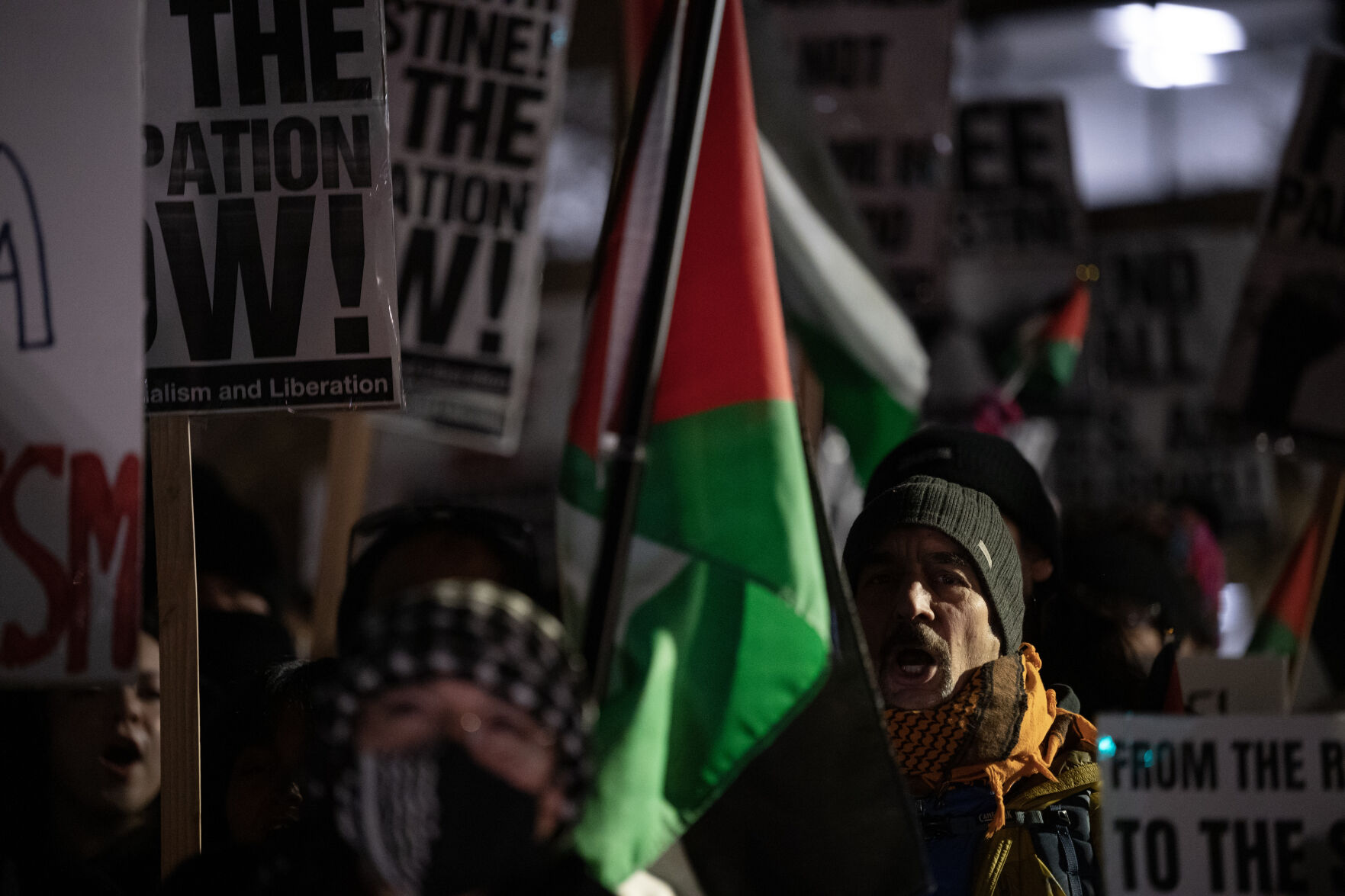
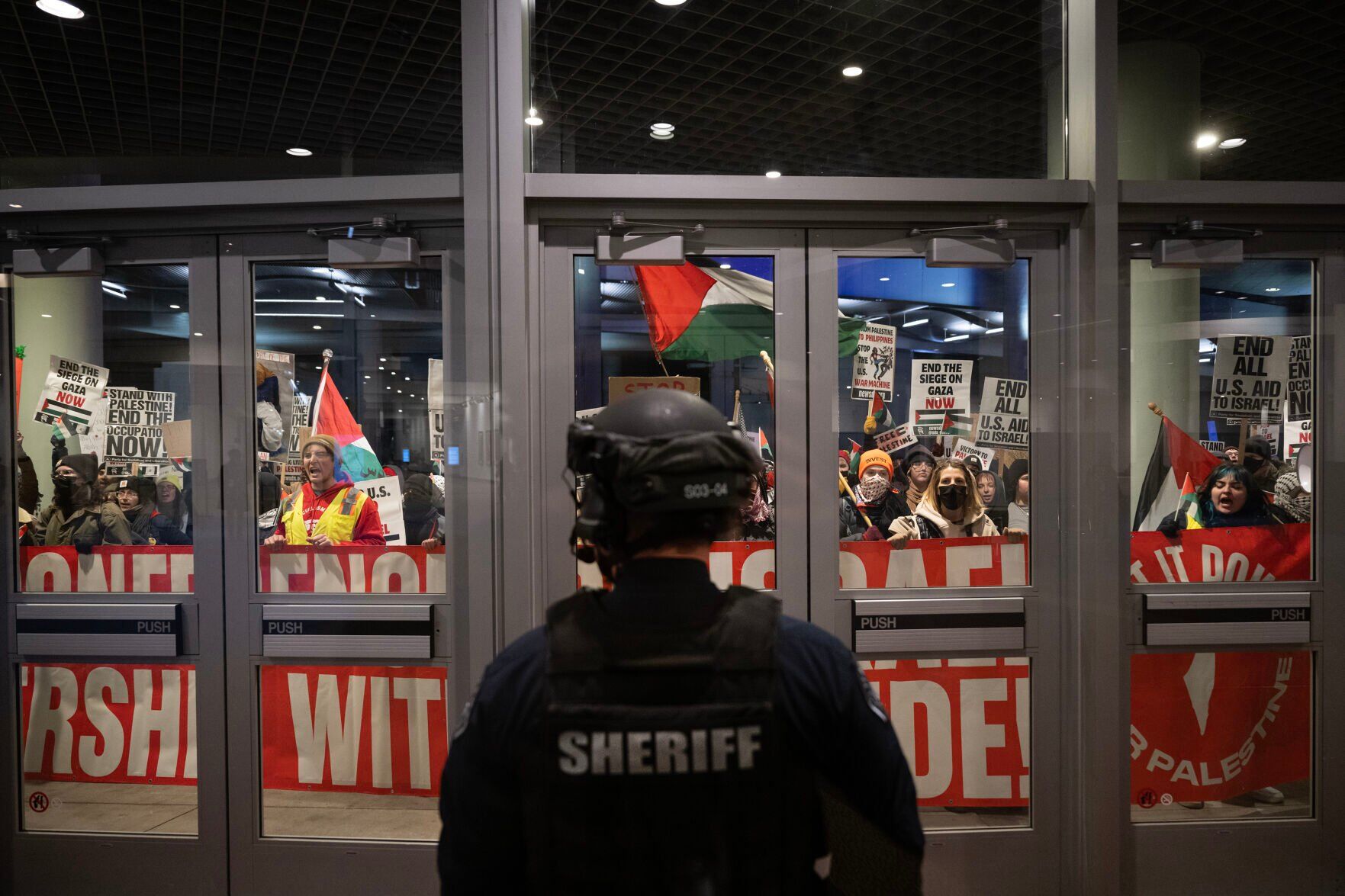
Colorado has had its share of pro-Palestinian protests and counter demonstrations in the last several weeks. The pro-Palestinian activists, both on and off campuses, have called for a “permanent” ceasefire in Gaza and demanded that Colorado’s political leaders “take urgent action to stop the genocide Israel has recently resumed in Gaza.”
The protests are likely to continue.
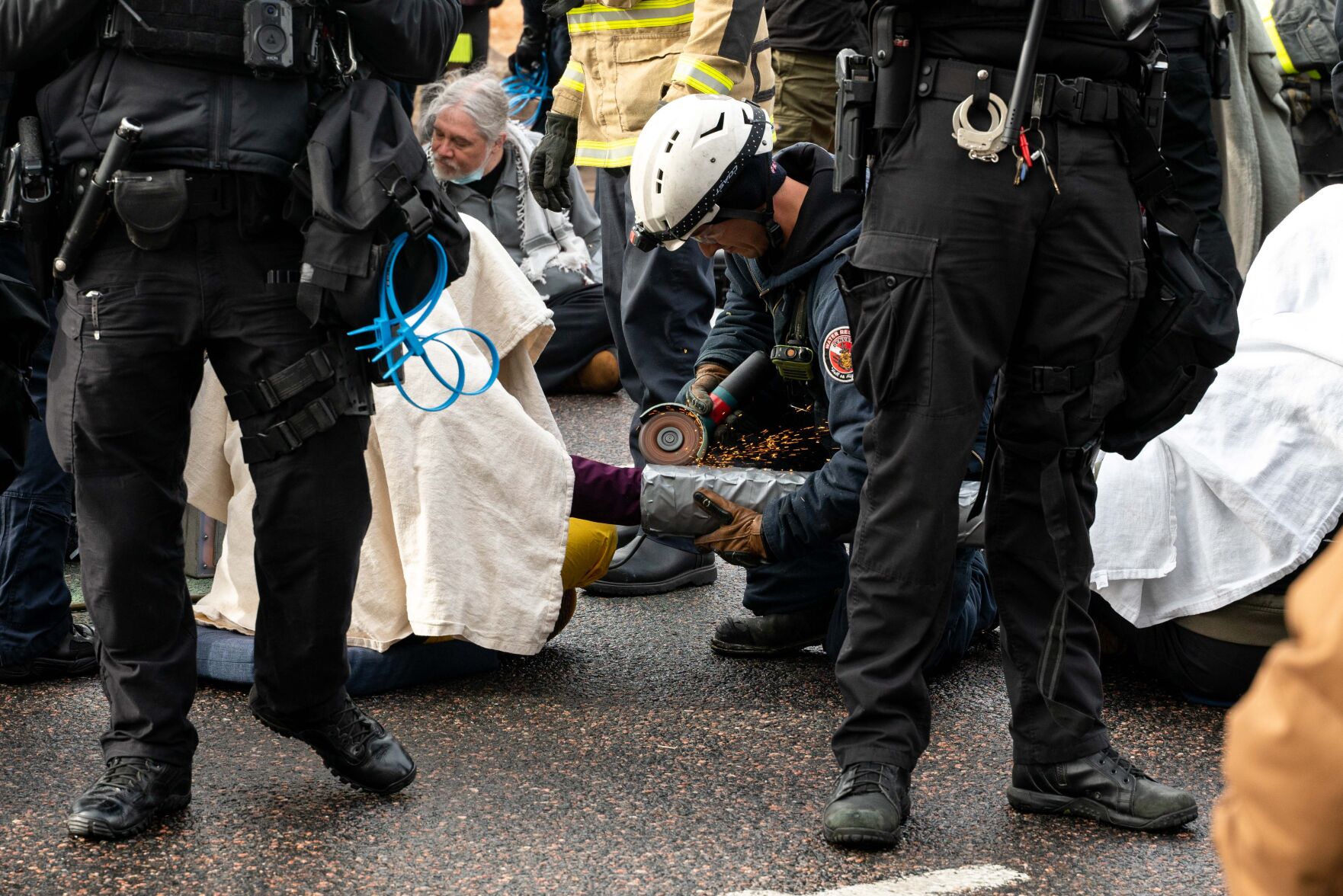
Two Sundays ago, the police arrested a dozen members of the Jewish Voice for Peace after they blocked a major intersection in Denver. The police said the activists chained their arms together using tubes and cement, and connected themselves to a parked vehicle, shutting down traffic for an hour.
“I acted now because the violent genocide in Gaza only leads to more danger for Jews and Palestinians in Palestine and Israel, the United States, and around the world,” Alex Bornstein said in a statement.
“I took action yesterday to amplify the voices of my Jewish and Palestinian family and friends who are demanding a permanent ceasefire and freedom for Palestinians by disrupting business as usual,” added Saorise Maloney. “I encourage you to take meaningful action, including by pressuring our legislature and congress to demand a ceasefire now and an end to U.S. aid to Israel.”




Colorado Title Board advances competing redistricting proposals and revised Pinnacol measure as April ballot deadline nears
Marianne Goodland
marianne.goodland@coloradopolitics.com
Updated 7 hours ago
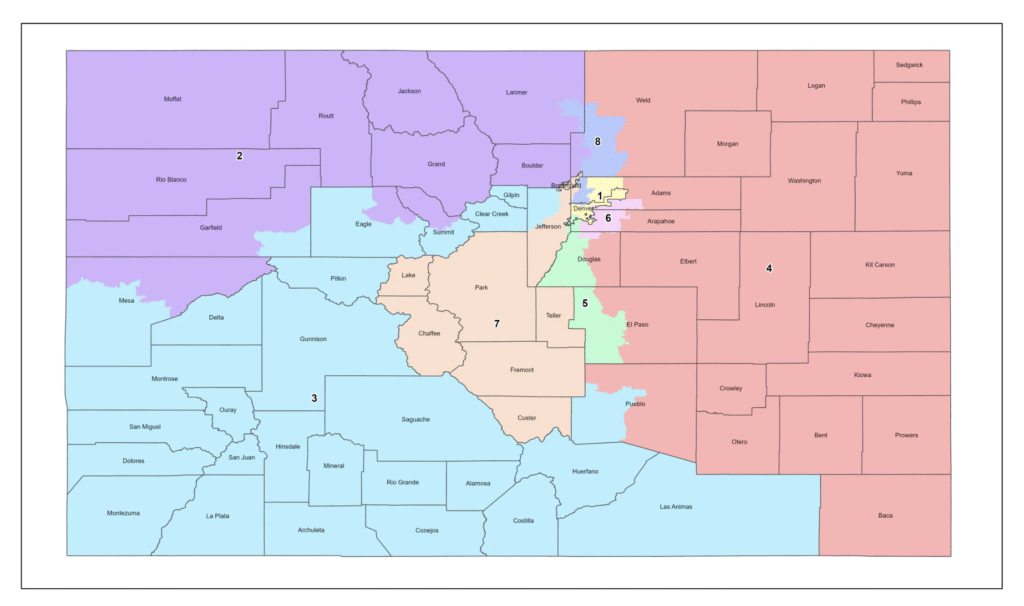
With just two meetings left before an April 15 deadline, the state’s Title Board on Wednesday pushed through a slate of ballot measures — including a revised proposal to privatize Pinnacol Assurance and dueling plans to redraw Colorado’s congressional map...

Senate panel advances bill to tighten Colorado sports betting rules amid youth addiction concerns
Marissa Ventrelli
marissa.ventrelli@coloradopolitics.com
Updated 6 hours ago
A divided Senate Finance Committee on Tuesday narrowly advanced a bill to impose new restrictions on Colorado’s booming sports betting industry, as lawmakers cited rising concerns about youth gambling and addiction while operators warned the changes could drive bettors to...
Democrat Matt Cavanaugh ends campaign in Colorado’s 5th CD, says petition firm came up short
Ernest Luning
ernest.luning@coloradopolitics.com
Updated 5 hours ago
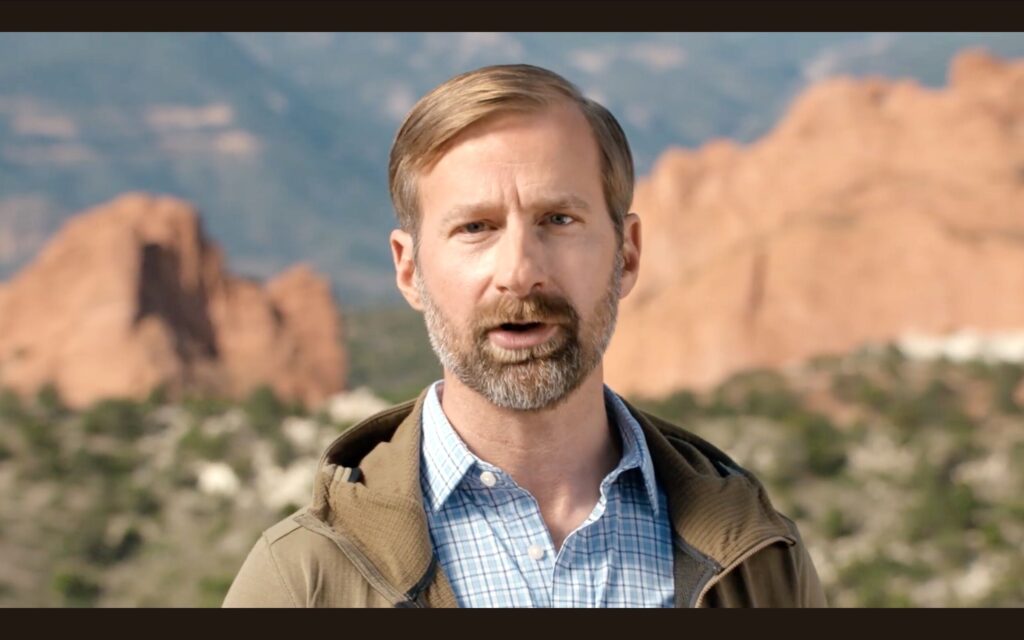
Democratic congressional candidate Matt Cavanaugh said Wednesday that he was ending his bid to challenge Republican U.S. Rep. Jeff Crank in Colorado’s 5th District because the firm his campaign hired to gather petition signatures failed to deliver. Cavanaugh, an Army...
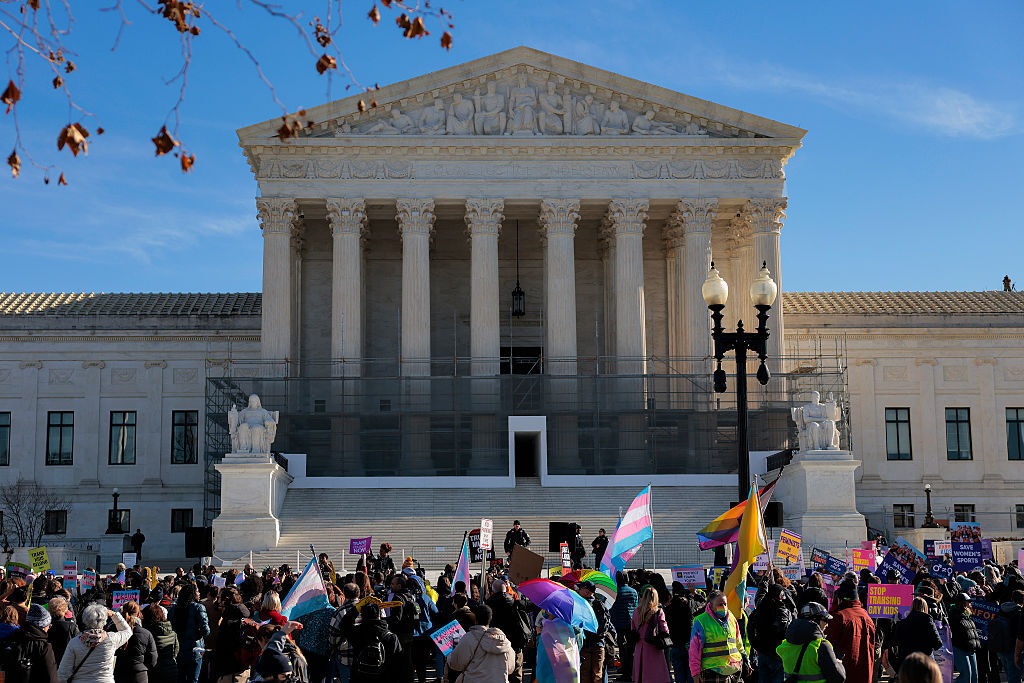
Colorado voters to decide whether to ban gender surgeries for minors
Marissa Ventrelli
marissa.ventrelli@coloradopolitics.com
Updated 4 hours ago
Colorado voters will decide this November whether to prohibit gender surgeries for minors and bar public funding or insurance coverage for procedures that alter children’s biological sex characteristics. The measure qualified for the ballot amid a push by the federal...

Democrats want to bar use of consumer data to set Colorado prices, employee wages
Marissa Ventrelli
marissa.ventrelli@coloradopolitics.com
Updated 7 hours ago
A closely divided House committee advanced a bill aimed at curbing the use of personal data to set individualized prices and wages, reviving a proposal that failed last year and setting up a broader debate over how far the state...
Colorado’s clean-energy future must be affordable for older adults | PODIUM
Colorado Politics
colorado-politics@coloradopolitics.com
Updated 4 hours ago
By Jason DeaBueno Last winter, one of the older adults we serve at Silver Key shared something that has stayed with me. She begun turning her heat down at night — not because she wanted to, but because she was...
Why Denver should care about conservation easements — even if you’ve never set foot on a ranch | OPINION
Colorado Politics
colorado-politics@coloradopolitics.com
Updated 11 hours ago
By Jason Swann I live in Denver. I drink tap water from my kitchen sink, hike close to home when I can, worry about wildfire smoke every summer, and try, like many families, to keep up with the rising cost...
Could it be the end of hunting as we’ve always known it in Colorado? | FEEDBACK
Colorado Politics
colorado-politics@coloradopolitics.com
Updated 4 hours ago
By Eric Washburn Recently, the Colorado Parks and Wildlife (CPW) Commission voted to ban the commercial sale of fur and reject CPW’s proposed daily bag limits of 15 per day per person (450 per person per month!!) for harvesting 17...

Artificial intelligence working group agrees on framework to replace Colorado law
Marianne Goodland
marianne.goodland@coloradopolitics.com
Updated 1 day ago
A group that has been working on artificial intelligence policy has reached an agreement on a framework that would replace the regulations adopted by Colorado legislators two years ago. The agreement has the backing of Gov. Jared Polis, who reluctantly...
Proposal to levy new fees on alcohol products in Colorado dies
Marissa Ventrelli
marissa.ventrelli@coloradopolitics.com
Updated 12 hours ago
The proposal to collect millions in new fees on alcohol products — dollars to be earmarked for Colorado programs aimed at addressing the behavioral and physical health effects of alcohol abuse — died on Tuesday. House Bill 1271 sought to...
PREV
PREVIOUS

State agencies sit on millions in cash in violation of state law
Several state agencies, including the Governor’s Office, are holding tens of millions of dollars in cash reserves in excess of statutory limits as of June 30, 2023, and several have been put on spending restrictions until the dollars are spent down, the Colorado state auditor announced Monday. State agencies are allowed to keep no more than […]

Colorado justices weigh Trump's ballot eligibility, oral arguments to resume this week | COURT CRAWL
Welcome to Court Crawl, Colorado Politics’ roundup of news from the third branch of government. The Colorado Supreme Court held two hours of oral arguments on the question of whether a former president is constitutionally disqualified from appearing on the state’s ballot next year, and the justices return this week to hear even more cases. […]