

Colorado Supreme Court reverses ruling that would chill lawyers’ speech
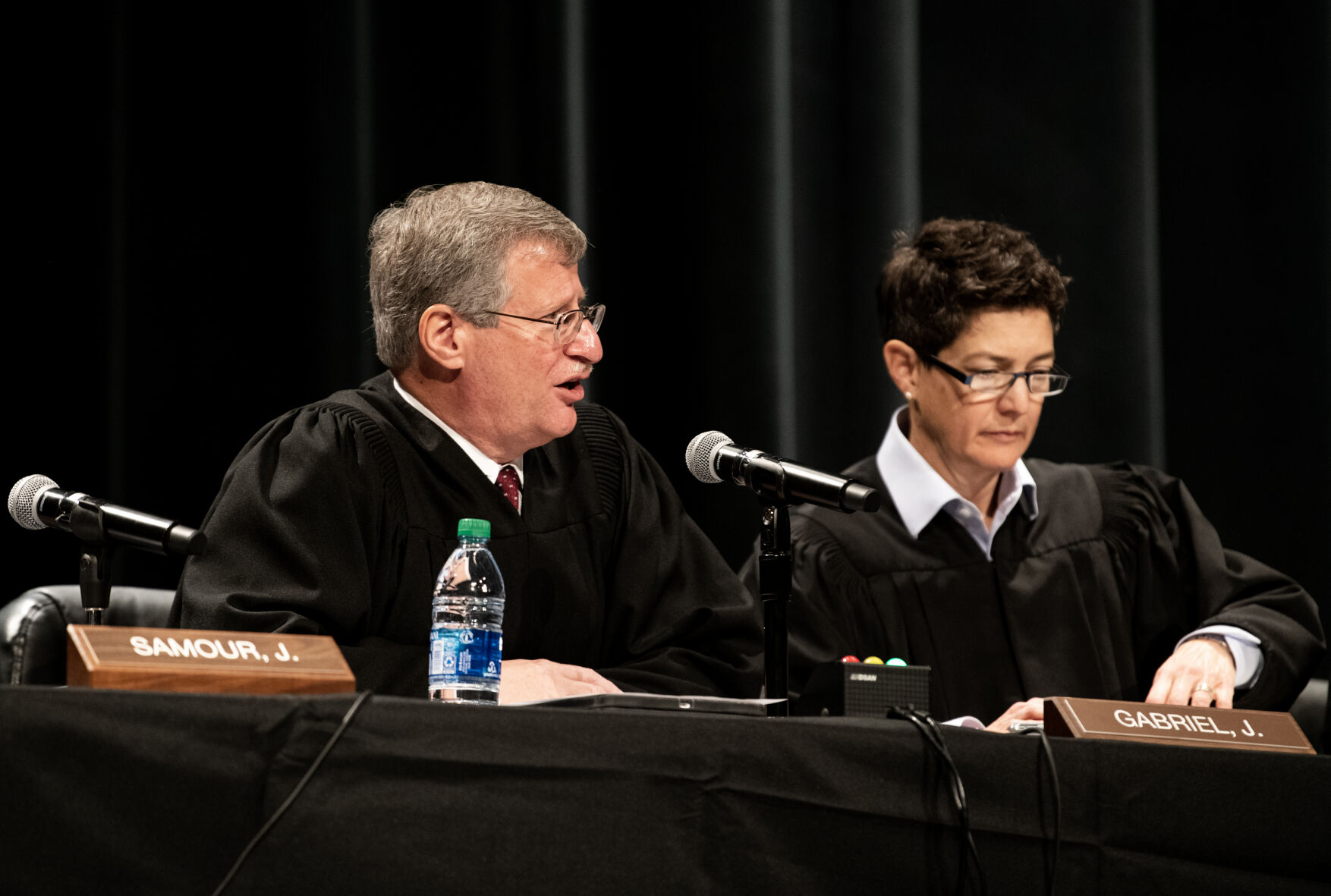
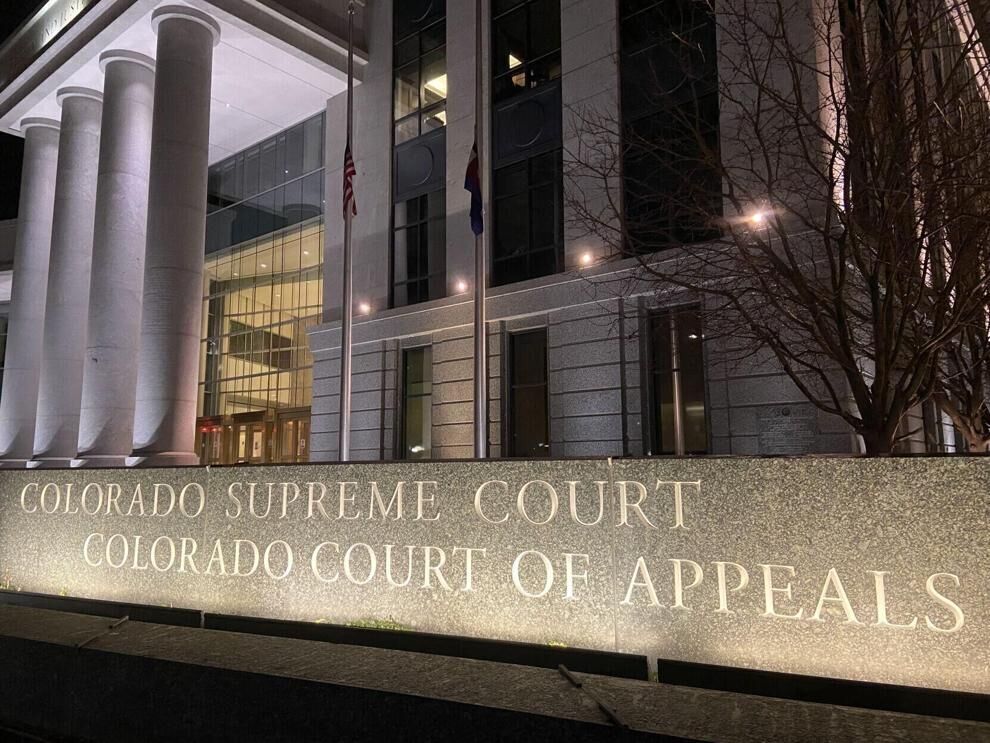
The Colorado Supreme Court on Monday rejected a lower court decision that would have potentially deterred lawyers from disseminating information to the public about class action lawsuits.
Although lawyers generally enjoy immunity from defamation claims if they are speaking about their own litigation, the state’s Court of Appeals previously identified an exception to that shield.
Specifically, the court believed that when attorneys are publicizing a class action case affecting a group of injured plaintiffs, they can be sued for their inflammatory statements if they can actually figure out who belongs in the group without needing to turn to the media.
But Justice Richard L. Gabriel, in the Supreme Court’s Sept. 11 opinion, rebuffed the Court of Appeals’ interpretation as “unworkable.” Moreover, the appellate court ignored the fact that, even if the lawyers representing a class of nail technicians could identify everyone who belonged in the plaintiffs’ group through employment records, such documentation was not available at the very beginning of the case.
“Accordingly, early outreach through the press can benefit a class action regardless of whether it will ultimately be ‘easy’ to ascertain the class members from the employer’s records and documents that will be produced later,” Gabriel wrote.

In evaluating the case, the justices heard arguments about the consequences of allowing lawyers themselves to be sued for damaging statements they make when publicizing class action lawsuits. On the one hand, permitting defamation claims to proceed could discourage lawyers from making false accusations in the first place.
On the other hand, it might cause attorneys to think twice before speaking publicly – thereby decreasing the opportunity for injured plaintiffs to learn that someone is advocating for them.
“Today, the Colorado Supreme Court recognized that publicity is essential to the work of effective public interest lawyers who are educating the community about their legal rights, and that lawyers – and our clients – should not fear being sued in retaliation for speaking truthfully about their cases,” said Mari Newman, one of the defendants.
In the appeal before the Supreme Court, the law firms of Towards Justice and Killmer, Lane & Newman filed a class action lawsuit in 2018, claiming Ella Bliss Beauty Bar failed to pay its nail technicians for required custodial work. During a press conference, one of the attorneys, Newman, said that nail technicians had to clean the businesses “for no pay whatsoever” and that Ella Bliss would “pick and choose and only pay for the hours they feel like paying.”
A press release also stated Ella Bliss “forced” technicians to work for no pay.
While the law firms were litigating the class action in federal court, Ella Bliss filed a defamation lawsuit against them in state court. The law firms defended their initial statements to the media as an attempt to reach potential nail technicians in the class and to educate the public about its legal rights.
A three-judge panel for the Court of Appeals subsequently ruled that Newman’s statements and part of the press release were not shielded from a defamation claim. Because the lawsuit alleged the number of nail technicians in the class was “easily ascertainable” by looking at Ella Bliss’ records, the appellate panel agreed it was unnecessary to try and alert potential plaintiffs through reputation-damaging comments to the media.
“Said differently, according to the attorneys, their purpose in speaking with the press and issuing the press release was to reach nail technicians who had worked for the employer,” wrote then-Chief Judge Steve Bernard. “Yet the complaint in the federal lawsuit undermines the need to engage in that form of communication.”
On appeal to the Supreme Court, legal aid organizations, the ACLU of Colorado and multiple media entities backed the plaintiffs’ attorneys, warning the Court of Appeals’ newfound exception to immunity could affect the public’s ability to receive information about noteworthy litigation.
At oral arguments, the justices appeared skeptical that Newman’s inflammatory statements fell outside of the “litigation privilege” in the first place. The privilege prevents attorneys from being sued for defamation when they speak about a lawsuit.
“There is something odd about the idea that simply by reiterating what is said in the complaint,” said Justice Melissa Hart, “you could be subject to a defamation lawsuit.”
The court ultimately decided that Newman’s statements were related to the class action lawsuit and were shielded by the litigation privilege. As for the exception the Court of Appeals created for certain class action lawsuits, Gabriel called it “unworkable in practice” and an unwarranted limitation on the shield from defamation.
He cautioned, however, that lawyers cannot make damaging, false statements without any consequence. Gabriel cited the recent case of Jenna Ellis, an attorney with former President Donald Trump’s 2020 reelection campaign, who made public misrepresentations about a “stolen” election. Colorado’s presiding disciplinary judge approved a public censure of Ellis in March.
Lawyers “may face sanctions or disciplinary action for violations of applicable court rules and rules of professional conduct in connection with their public statements,” Gabriel warned.
Attorneys for Ella Bliss did not respond to a request for comment.
The case is Killmer Lane & Newman, LLP et al. v. BKP, Inc. et al.
Editor’s note: This article has been updated with additional comments.

Parole, appeals deadlines and restitution: Colorado justices accept cases
Michael Karlik
michael.karlik@coloradopolitics.com
Updated 17 hours ago
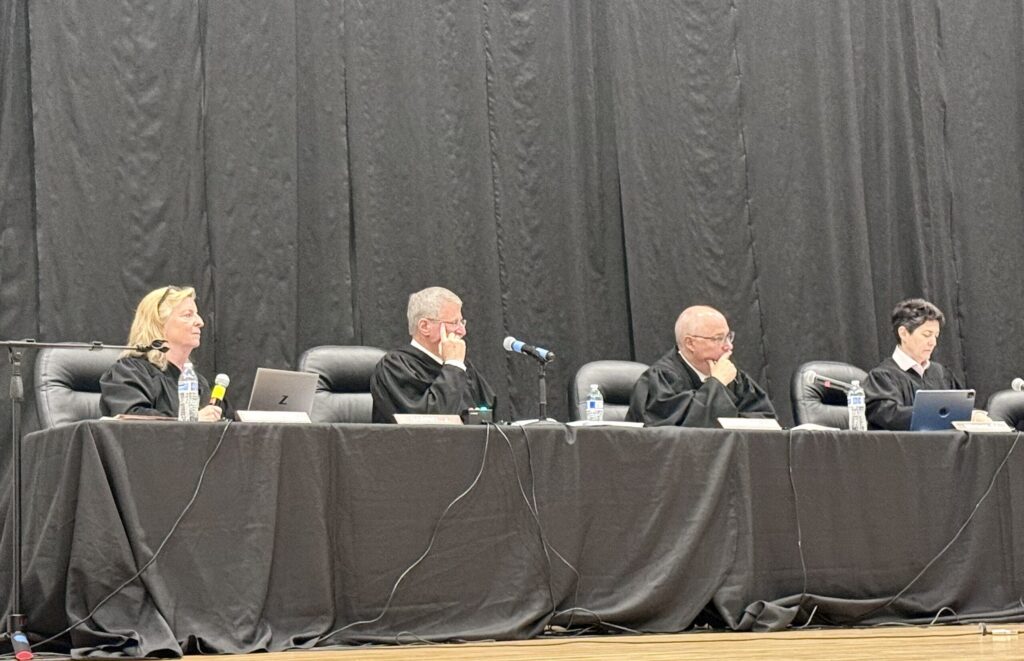
The Colorado Supreme Court announced on Monday that it will determine how a defendant’s parole-eligibility date should be calculated in instances where a new trial results in a sentence being imposed retroactively to the date of the original, since-overturned sentence....
Federal judge rejects DOJ bid to force Colorado to hand over voter information
Marissa Ventrelli
marissa.ventrelli@coloradopolitics.com
Updated 21 hours ago
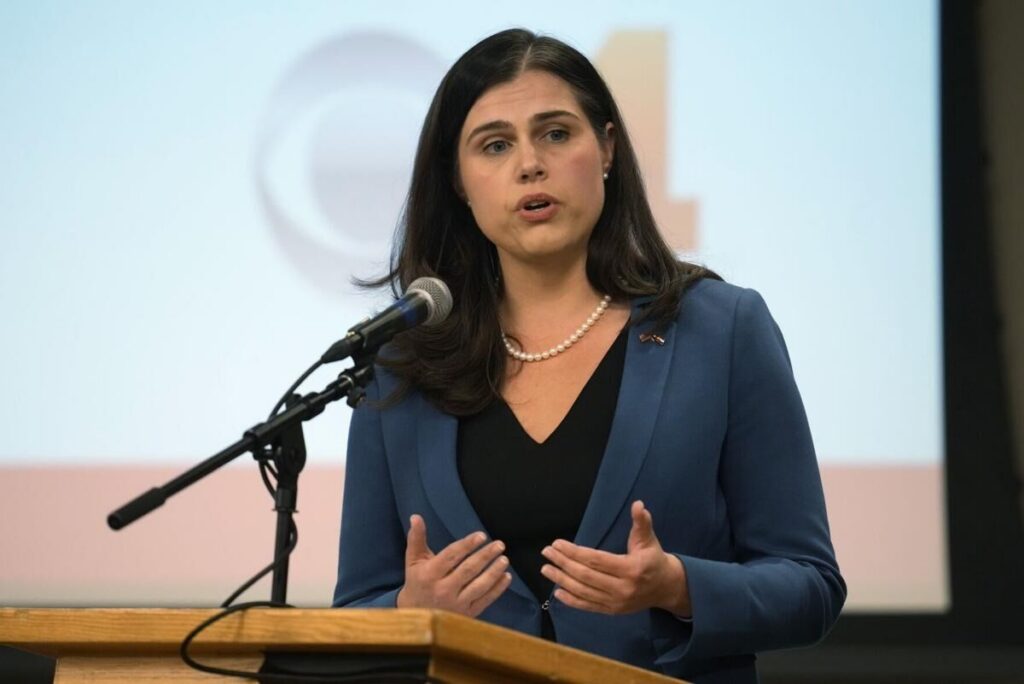
A U.S. district court judge has dismissed a lawsuit filed by the U.S. Department of Justice against Colorado Secretary of State Jena Griswold for refusing to provide the agency with personal voter information. Last December, the DOJ’s Civil Rights Division asked...
3 Colorado judges receive unfavorable retention recommendation as one performance commission violates rules
Michael Karlik
michael.karlik@coloradopolitics.com
Updated 1 day ago
Of the 123 Colorado judges standing for retention on the November ballot, citizen-led performance commissions found that three did not meet the required performance standards. However, in an unprecedented move, the commission charged with evaluating Supreme Court and Court of...

10th Circuit weighs Gross Reservoir expansion, judge’s ‘punishment’ of Denver Water
Michael Karlik
michael.karlik@coloradopolitics.com
Updated 2 days ago
Members of the Denver-based federal appeals court considered on Friday whether they could intervene in an ongoing infrastructure project to enlarge a Boulder County dam after a trial judge deemed the underlying permit unlawful nearly two years ago. Denver Water...

10th Circuit upholds federal prohibition on juvenile handgun possession
Michael Karlik
michael.karlik@coloradopolitics.com
Updated 19 hours ago
The Denver-based federal appeals court concluded on Monday that Congress acted within its constitutional powers to make it a crime for juveniles to possess handguns in most instances. The decision from the U.S. Court of Appeals for the 10th Circuit...

Senate advances judicial nominee, Montezuma County judge agrees to discipline | COURT CRAWL
Michael Karlik
michael.karlik@coloradopolitics.com
Updated 2 days ago
Welcome to Court Crawl, Colorado Politics’ roundup of news from the third branch of government. A U.S. Senate committee advanced a judicial nominee from Colorado, plus a Montezuma County judge agreed to receive discipline for his misconduct that stops short...
Judge denies Calderon injunction case against Denver, Johnston
Deborah Grigsby
deborah.smith@denvergazette.com
Updated 2 days ago
A U.S. District Court judge has denied a preliminary injunction in the case of Jessica Calderon, the Denver city employee who won a temporary restraining order preventing the City and County of Denver from terminating her amid the 2025 citywide...

10th Circuit partially revives lawsuit over 2020 Denver protest injuries
Michael Karlik
michael.karlik@coloradopolitics.com
Updated 3 days ago
The Colorado-based federal appeals court revived a man’s claims against Denver on Friday after concluding a trial judge resolved the case in the city’s favor without analyzing two of the three instances of alleged excessive force and other constitutional violations....
Federal judges find Colorado immigration judge violated several orders
Michael Karlik
michael.karlik@coloradopolitics.com
Updated 4 days ago
Multiple federal judges in Colorado have freed people from immigration custody after determining that one immigration judge violated their directives for properly conducting bond hearings. For nearly a year, Colorado’s U.S. District Court has faced a flood of habeas corpus petitions...
Misconduct complaints from ex-Colorado judicial discipline director dismissed against federal judges
Michael Karlik
michael.karlik@coloradopolitics.com
Updated 6 days ago
The administrative body for the Denver-based federal appeals court upheld a finding last week that misconduct complaints against Colorado’s chief federal trial judge and the chief appeals judge warranted dismissal and appeared to be a “litigation tactic” by the complaining...
PREV
PREVIOUS

Colorado Supreme Court puts racial bias rule on ice, judicial diversity leader departs | COURT CRAWL
Welcome to Court Crawl, Colorado Politics’ roundup of news from the third branch of government. The state Supreme Court is waiting to take action on a proposed racial bias rule until next year, most likely, while the judiciary’s coordinator for diversity efforts has departed for the executive branch. Racial bias rule awaits action ? In February, […]
Colorado lowers flag at state Capitol for Sept. 11 anniversary
Gov. Jared Polis on Monday ordered flags to be lowered to half-staff on all public buildings statewide to honor the people who lost their lives during the Sept. 11 attacks more than two decades ago. The lowering of the flags also recognizes Patriot Day, which Congress designated in 2001, the governor’s office said. Other Colorado […]