

Colorado’s Bennet, Hickenlooper vow to protect water conservation funds
Colorado’s two U.S. senators discussed water, the farm bill and transparency around federal funding following their appearance at the Colorado Water Congress on Wednesday, saying one of their primary goals is to protect money for conservation and forestry.
U.S. Sen. Michael Bennet said his priorities include protecting the $20 billion for conservation that came from the Inflation Reduction Act and $10 billion for forestry from the Infrastructure Investment and Jobs Act.
Some people on the U.S. Senate Committee On Agriculture, Nutrition & Forestry, of which he is a member, will try to grab that money, Bennet said.
“We have to make sure farmers and ranchers in the West have the chance to participate meaningfully” in addressing climate change, he said.
Once the August recess is over, Bennet will have in front of him the 2023 U.S. Farm Bill as a member of the agriculture committee.
The ability to expand farm bill programs so people can have a chance to support soil health and other initiatives is important – and that money has to be protected, he said.
In addition, Bennet said he wants to ensure programs work better for the West on watershed protection. Such initiatives include the Conservation Reserve Enhancement Program administered by the Farm Service Agency, as well easement projects tied to groundwater, he said.
“We’re going through a 1,200-year drought. We aren’t getting anymore water. Producers are in the position to apply their ingenuity and imagination to create value on their farms and ranches that can be passed on to the next generation, and that needs to be reflected in the farm bill,” he said.
U.S. Sen. John Hickenlooper said he, too, has priorities for the farm bill, particularly what it could achieve for Colorado farmers. Too many of the incentives and subsidies go to large corporations, said Hickenlooper.
Additionally, he’d like to see more money for broadband directed to rural communities, including for farmers and ranchers, he said.
Hickenlooper said what amazes him is that the U.S. Department of Agriculture has become much more aggressive about looking at the overall economy of agricultural communities via broadband, workforce training or even housing. He pointed to Tom Vilsack, the agriculture secretary, who is a regular visitor to Colorado, and said the federal official gets that Colorado is a good test case on a variety of matters, such as farm-to-table issues and protecting small and medium-sized farming and ranching operations.
Bennet addressed what could be the next steps in water arena beyond federal funding from the Inflation Reduction Act and the Infrastructure Investment and Jobs Act, which are directing billions of dollars into drought and water infrastructure issues.
“We have to make sure we provide oversight” over how that money gets spent, Bennet said.
That includes $4 billion from the inflation bill for permanent and long-term reductions in the Lower Basin states, as well as $8 billion from the infrastructure legislation, he said.
It will take a while for those dollars to move through the system, Bennet noted.
The next steps, he said, include trying to forge a consensus among the seven Basin states of the Colorado River that the U.S. Bureau of Reclamation can ratify.
“I do not want the Bureau telling the American West what this will look like,” Bennet said.
Bennet noted the Biden administration has said “we’re not fooling around,” referring to the demands by the reclamation bureau that the seven states come up with agreements on how to handle the crisis on the Colorado.
That’s helpful, he said.
Bennet said Democratic and Republican states share a view about the science of the river, which he called a major step.
“We have to decide what kind of agreement we can get to,” he said.
Bennet said the reclamation bureau should have some rulemaking in place by the end of the year that will carry the seven states to 2026, when the operating guidelines for the Colorado River are set to expire and renegotiated.
“This work will never be done. It never goes away,” Bennet added.
Both Hickenlooper and Bennet addressed the role of the 30 tribes of the Colorado River Basin that are advocating for a permanent seat at the table on water renegotiations.
Bennet vowed to using his influence to ensure that happens.
“We’re trying to respond to the almost-hopeless lack of responsiveness by the federal government with respect to tribes,” he said.
He said the tribes did get attention from the infrastructure bill with about $5 billion set aside for their projects.
In prior negotiations, tribes were largely excluded, he noted.
“The lever we can push, as elected representatives of these states, is that we can push to make sure tribes’ voices are heard, that they have a meaningful participation in those negotiations and that federal agencies won’t push them aside,” he said.


Colorado’s outdoor economy slowing down
Bernadette Berdychowski
bernadette.berdychowski@denvergazette.com
Updated 18 hours ago
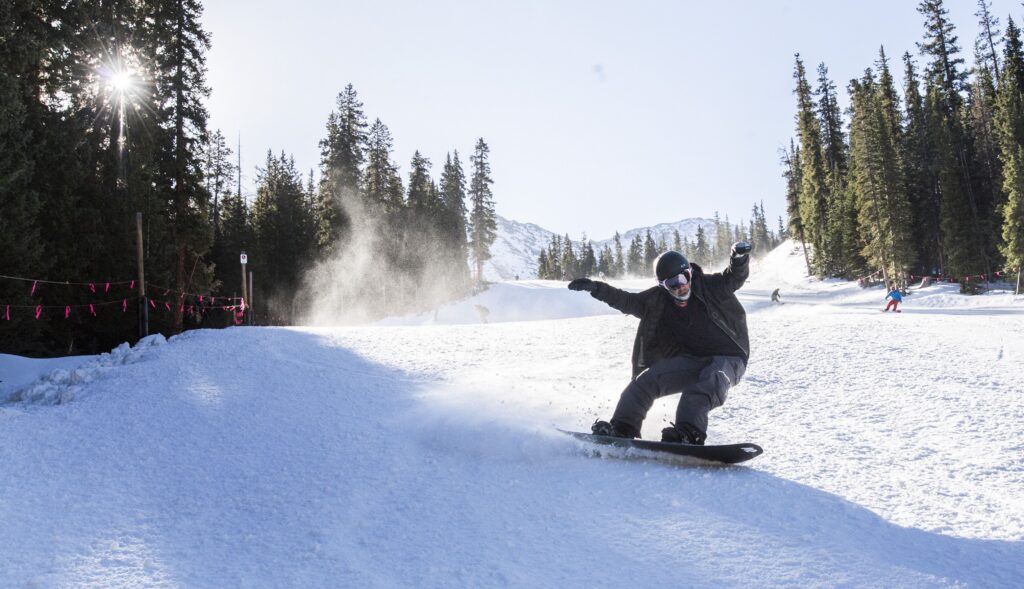
The post-pandemic boom in the outdoor recreation world appears to have slowed, according to new federal data. The industry is still growing nationwide, but it’s been slower than in past years. The trend is evident in Colorado, as well, though...

Protecting satellites in space, on the ground a priority for Colorado companies
Alexander Edwards
alexander-edwards@coloradopolitics.com
Updated 1 week ago
As the Department of Defense moves toward utilizing more commercial partnerships, building a resilient space-based commercial field is contingent on several factors, according to industry leaders at the annual Warfare Symposium in Aurora. The symposium features businesses of all sizes...
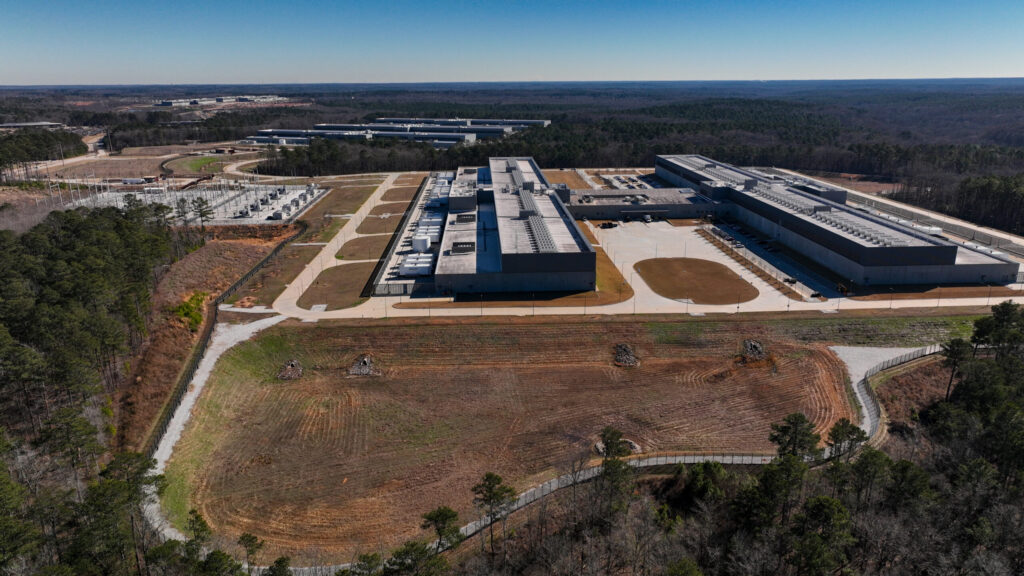
Colorado lawmakers mull competing bills on data centers
Scott Weiser
scott.weiser@gazette.com
Updated 2 weeks ago
A Colorado coalition of data center developers and operators is urging lawmakers to pass a proposal that offers tax breaks to attract large facilities, while calling a competing bill a major obstacle to new investment. Meanwhile, proponents of the latter...
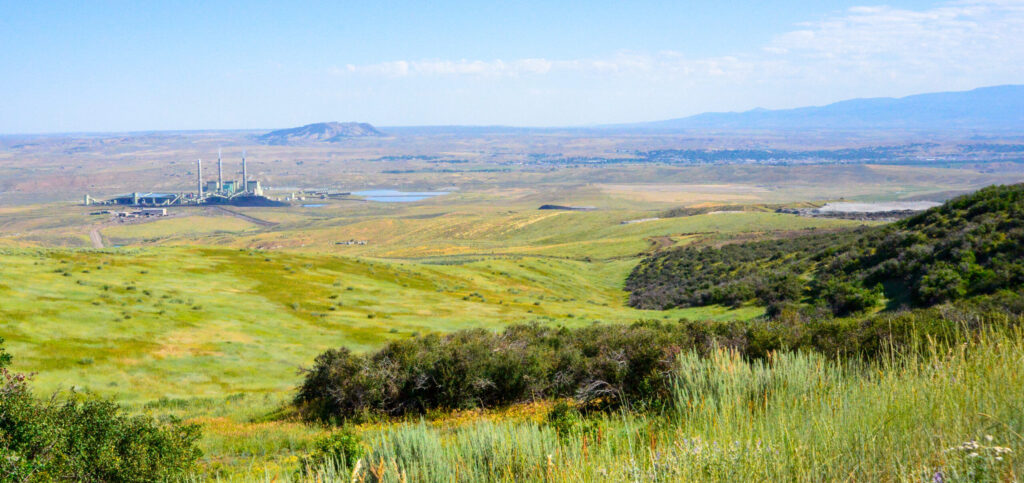
CU Boulder, state launch economic research in coal-transition areas
Scott Weiser
scott.weiser@gazette.com
Updated 3 weeks ago
Communities in northwest Colorado built on coal mining and power plants are losing hundreds of high-paying jobs and a major share of their tax revenue as operations wind down. In a yearlong effort, the University of Colorado Boulder is teaming...
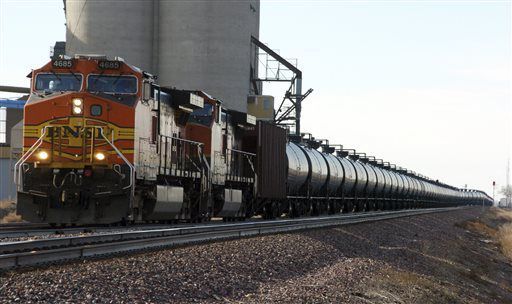
Colorado joins lawsuit against Trump energy emergency order
Scott Weiser
scott.weiser@gazette.com
Updated 1 month ago
Colorado Attorney General Phil Weiser joined a multistate lawsuit challenging an executive order invoking the National Emergencies Act that President Donald Trump issued on the day of his inauguration. The order fast-tracks fossil fuel projects by bypassing or shortening environmental...

More people are now leaving Colorado than moving here from other states | Vince Bzdek
Vince Bzdek
vince.bzdek@gazette.com
Updated 1 month ago
By Vince Bzdek It’s finally happened. Buried in all the self-congratulatory reports about Colorado reaching the 6 million mark in population last year was news that should be keeping our political leaders up at night. For the first time in...
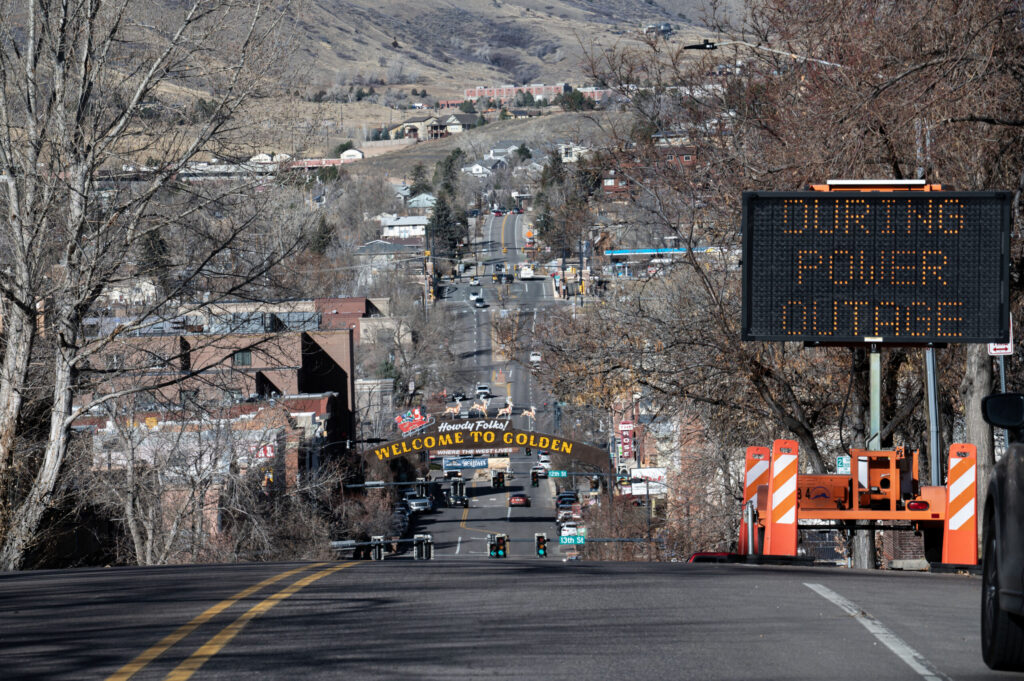
Xcel gets an earful from public for power shutoffs in Colorado
Scott Weiser
scott.weiser@gazette.com
Updated 1 month ago
Residents, business owners and local officials gave Xcel Energy an earful during a hearing convened by Colorado’s utility regulators on Wednesday, accusing the power company of using power shutoffs as a liability dodge that burdens communities. Xcel’s ability to trigger...

Colorado hit a population milestone in 2025; numbers ‘don’t lie,’ but what do they say?
Stephanie Earls
stephanie-earls@coloradopolitics.com
Updated 1 month ago
Colorado is: full Standing room only How ‘bout, More crowded than it was but less crowded than we thought? Local takeaways from the U.S. Census Bureau’s most recent data drop are too complex for bumper sticker treatment, but here’s the...
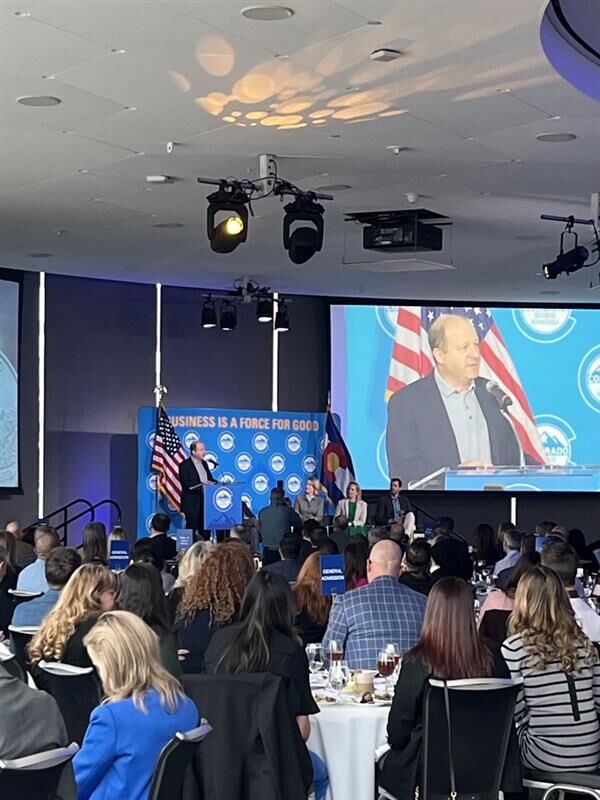
Gov. Polis highlights Colorado’s business climate and affordability during annual gathering
Marissa Ventrelli
marissa.ventrelli@coloradopolitics.com
Updated 1 month ago
Gov. Jared Polis used his annual meeting with Colorado business leaders on Wednesday to take stock of his time in office, highlighting the state’s pandemic response, ongoing challenges facing downtown economies, and what he described as continued efforts to balance...
Colorado’s unemployment rate fell again in December
Bernadette Berdychowski
bernadette.berdychowski@denvergazette.com
Updated 1 month ago
Colorado’s unemployment rate fell to 3.8% in December, according to new data released Tuesday. The rate dropped one-tenth of a percentage point, following a monthslong trend of declining unemployment in the state, according to the Colorado Department of Labor and...
PREV
PREVIOUS

DPS board expected to review firing of McAuliffe International principal
The Denver Public Schools Board of Education on Thursday is expected to review and give its stamp of approval for the most recent employee moves – including former McAuliffe International Middle School Principal Kurt Dennis – since the last personnel report. It is unknown, as a personnel matter, how many employees comprise what’s called the […]

10th Circuit chides judge for not following rules when penalizing plaintiff for not following rules
A federal judge did not follow the rules when he seemed to penalize a plaintiff for not following the rules, the federal appeals court based in Denver ruled on Tuesday. Robert Carraway had filed suit against State Farm Fire and Casualty Company, alleging the insurer did not properly investigate and compensate Carraway for hail damage […]