

‘High school of the future’: State and national leaders want to reimagine secondary education
What if in between math and English classes, high schoolers learned how to weld or code or perform first aid?
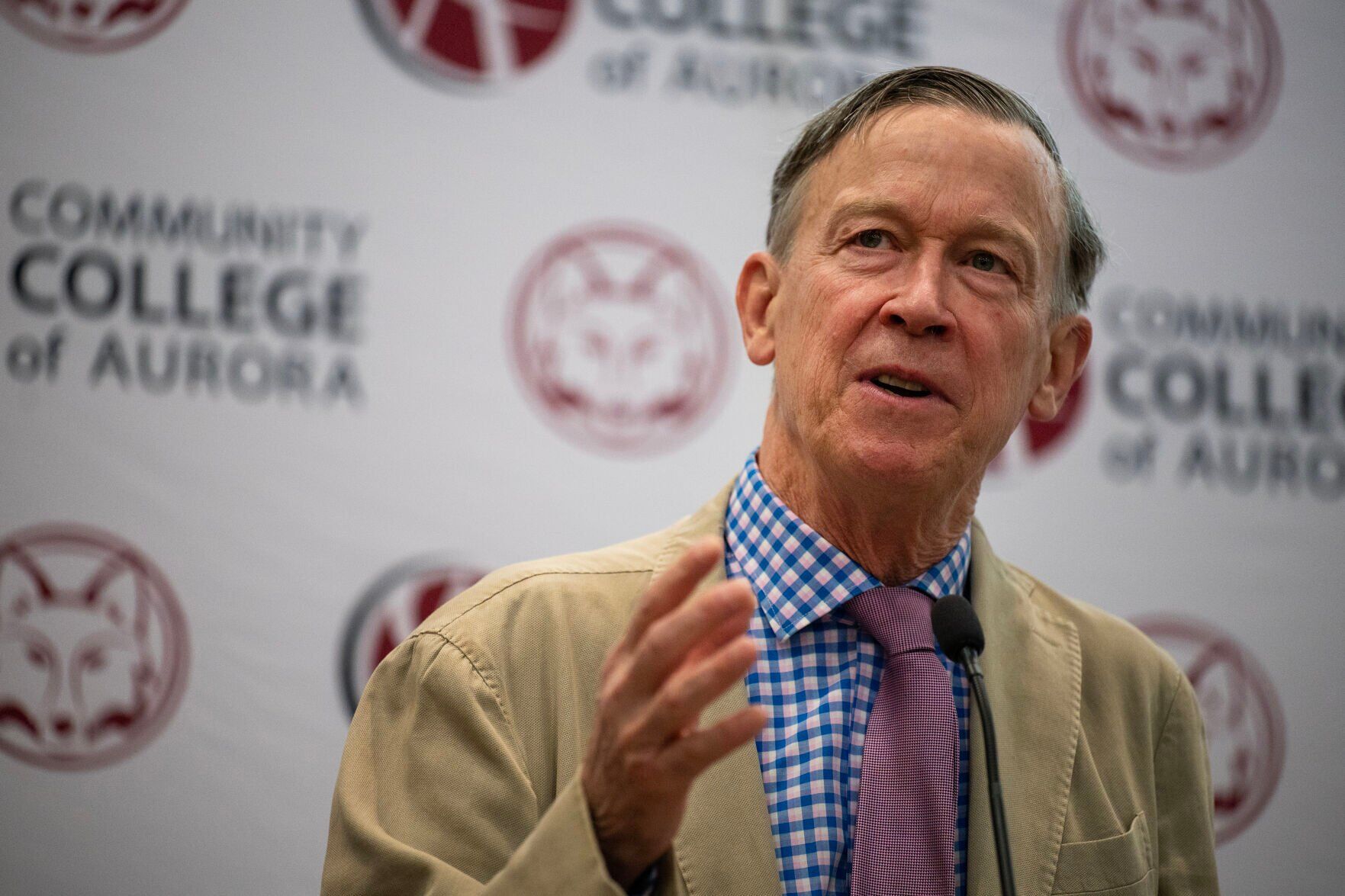
That’s the vision state and national leaders shared Thursday during the Unlocking Pathways Summit at the Community College of Aurora. This latest in a national series of events saw educators, Colorado politicians and members of President Joe Biden’s administration come together to reimagine the high school experience.
Colorado is one of the most educated states in the country, yet the state’s workforce is struggling with a talent shortage. There are two job openings in Colorado for every one unemployed worker, according to state estimates.
“We are moving towards a skills-based economy,” Gov. Jared Polis said at the summit. “There is still a mismatch of skills between those who are unemployed and seeking work, and all the great jobs that are out there.”
Polis and other speakers on Thursday said they want Colorado’s youth to fill those jobs. But they’ll need help to become qualified.
U.S. Secretary of Education Miguel Cardona painted a picture of a “high school of the future” that would prepare students for whatever path they choose after graduation. This new high school format would offer students personalized career advising; the ability to earn workforce credentials and licenses; dual enrollment so every student earns at least 12 college credits; and, work-based learning that allows students to spend school days working in apprenticeships.
Cardona announced a $25 million national grant program at the summit which will fund pilot programs by education institutions and employers that implement these kinds of strategies.

“A tsunami of new jobs are coming … but without bold and intentional collaboration, this wave of opportunity can pass our students by,” Cardona said. “Our students deserve more, they’re ready. The question is, are our systems ready? We need to be.”
Thursday’s event in Aurora was the second of four planned summits across the country, with the others taking place in Renton, Washington; Madison, Wisconsin; and Biloxi, Mississippi.
Colorado’s summit specifically emphasized jobs in energy, with multiple members of the U.S. Department of Energy present. The other summits are focused on construction, science and technology, respectively.
Polis wants Colorado to be a leader in the rising clean energy industry. Colorado plans to reach statewide net-zero carbon emissions by 2050 and is constructing an international renewable energy campus. Polis even chose geothermal energy as the focus of his tenure leading the Western Governors’ Association.
“We don’t have the workforce. We don’t have the skills necessary to do the work that we know has to be done,” said U.S. Sen. John Hickenlooper, D-Colo., of the clean energy industry. “This is that first step, that we can get the Department of Energy and the Department of Education to work hand in glove with the state and create a template and a pathway by which kids of all ages can get the tools they need.”


Hickenlooper applauded the Biden administration for federal acts funding skill-based learning and apprenticeships, listing the Bipartisan Infrastructure Law, Inflation Reduction Act, and CHIPS and Science Act.
Outside of the energy industry, Colorado has taken its own steps to support students going into trade jobs. This year, Colorado legislators approved $45 million to fund construction apprenticeships, short-term nursing programs, and free community college for students pursuing credentials in firefighting, law enforcement, nursing, early childhood education, elementary education and forestry.
But U.S. Rep. Jason Crow, D-Colo., said there is more work to be done. While Crow listed lofty congressional goals including student debt relief and immigration reform, he also emphasized the importance of simply eliminating the stigma against people who do not pursue four-year degrees after high school.
“The world is changing, the workforce is changing, and the needs of our children are changing,” Crow said. “We frankly just have to get rid of this bias against those who want to go through alternative pathways, to get an apprenticeship, to go into the trades.”
Thursday’s summit featured around 165 educators, school leaders and workforce partners from 11 different states. Notable attendees included U.S. Department of Energy Under Secretary Geri Richmond, Colorado Department of Higher Education Executive Director Angie Paccione, state Sen. Rhonda Fields and Joe Garcia, chancellor of the Colorado Community College System.
After the opening remarks from state and national leaders, attendees broke into various panels and sessions lasting the rest of the day. Topics included transitioning to clean energy and how to implement the “high school of the future” core pillars of career advising, workforce credentials, dual enrollment and work-based learning.
One of the attendees, Elizabeth from Aurora, said she hopes Thursday’s lessons will make a difference in her community – even if just through her own teaching.
“I’m hoping to share this with my community, with students and parents,” she said. “To help use these keys to unlock success for their children’s education.”



Bipartisan bill aims to launch Colorado ‘Cradle to Career’ anti-poverty grant program
Marissa Ventrelli
marissa.ventrelli@coloradopolitics.com
Updated 4 days ago
The bill’s sponsors say it will help Colorado families living in poverty, and the organizations that support them have cleared their first hurdle, but they will need to raise just over $1 million before things get off the ground. Senate...
Ex-Cherry Creek superintendent must repay one month’s salary after abrupt resignation
Nico Brambila
nico.brambila@denvergazette.com
Updated 5 days ago
Former Cherry Creek School District Superintendent Chris Smith must repay one month’s salary for failing to provide the board of education with three-month’s notice of his resignation, The Denver Gazette has learned. The board of education has not waived the...
Senate committee kills bill to track education violations
Sage Kelley
sage.kelley@denvergazette.com
Updated 6 days ago
A proposed bill following in the wake of multiple Jeffco Public Schools sexual misconduct cases won’t make it to the Senate floor. The Colorado Senate State, Veterans and Military Affairs committee denied proposed Senate Bill 26-055 on Tuesday afternoon with...

Cherry Creek school district to pay ex-superintendent $165K after resignation amid toxic workplace claims
Nico Brambila
nico.brambila@denvergazette.com
Updated 1 week ago
The Cherry Creek School District will pay nearly $165,000 to former Superintendent Chris Smith following his resignation last month amid allegations of a toxic workplace. The board of education announced last week that the district is contractually obligated to pay...
Colorado’s ‘first public Christian school’ sues state, alleges discrimination
Eric Young
eric.young@gazette.com
Updated 2 weeks ago
Riverstone Academy, a public elementary school that opened last fall in Pueblo as a tuition-free option with Christian-based instruction, has filed a lawsuit against the state of Colorado over alleged religious discrimination. The lawsuit, filed in U.S. District Court for...

CU Boulder, state launch economic research in coal-transition areas
Scott Weiser
scott.weiser@gazette.com
Updated 3 weeks ago
Communities in northwest Colorado built on coal mining and power plants are losing hundreds of high-paying jobs and a major share of their tax revenue as operations wind down. In a yearlong effort, the University of Colorado Boulder is teaming...
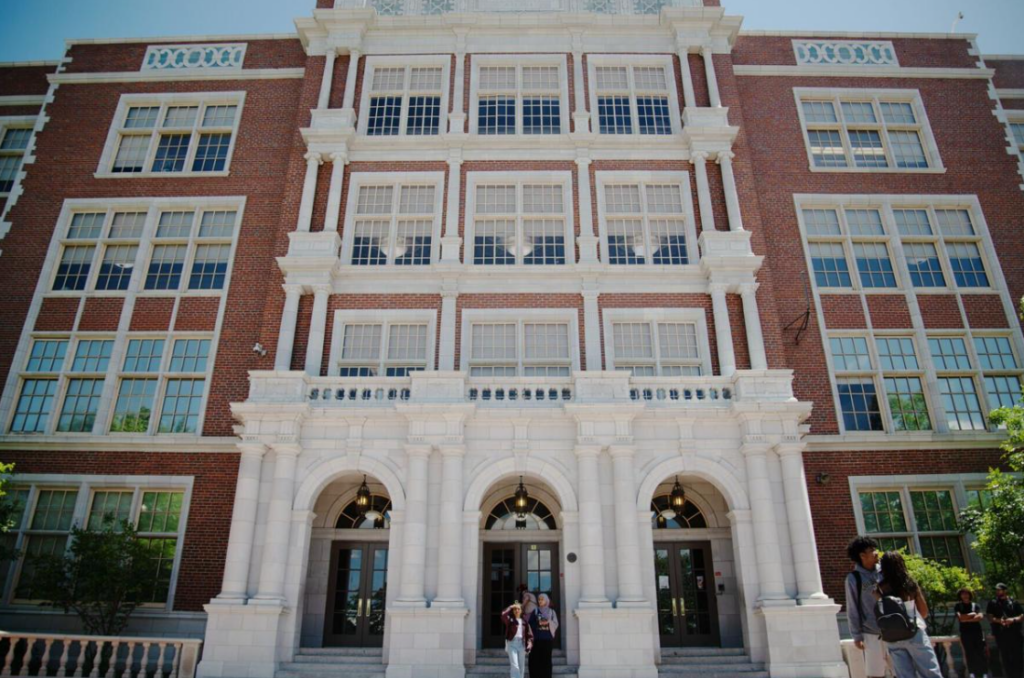
Several Denver-area school districts cancel classes Friday amid national shutdown
Michael Braithwaite
michael.braithwaite@gazette.com
Updated 1 month ago
The protest is in response to ICE operations Several Denver-area school districts canceled classes on Friday due to staff shortages amid a shutdown campaign nationwide. The shutdown, held across the country on Friday, came about in response to recent U.S....

Federal judge recommends dismissing trans athletics lawsuit by area school districts
Eric Young
eric.young@gazette.com
Updated 1 month ago
A judge has recommended dismissing a federal lawsuit filed by multiple school districts against the Colorado Attorney General’s and Civil Rights Offices over their policies dictating students’ participation in athletics and activities based on their biological sex rather than gender...
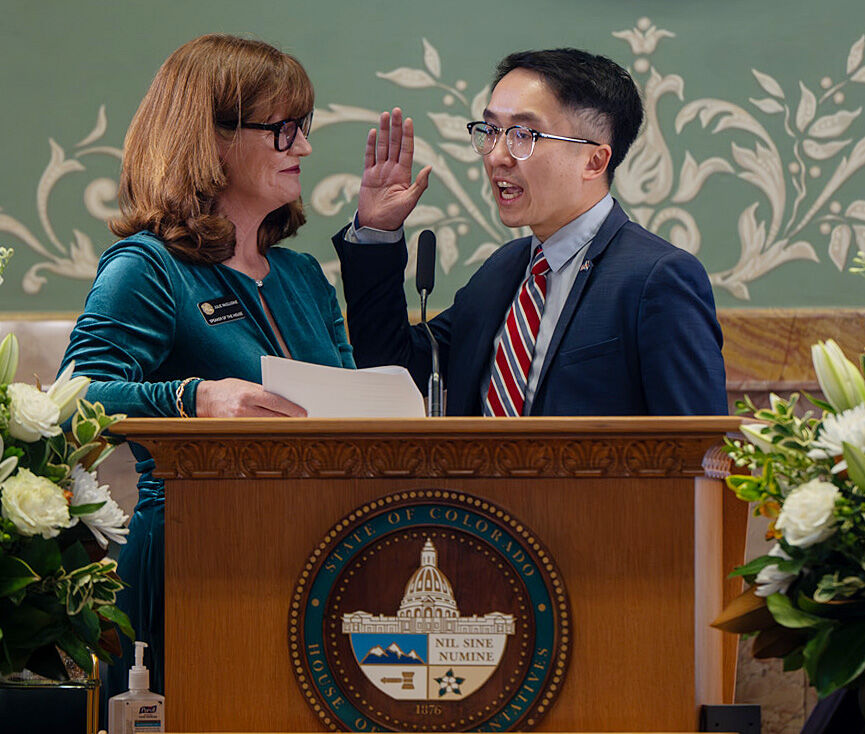
House Speaker urges colleagues to fight Trump, who ‘would hold Colorado hostage’
Marissa Ventrelli
marissa.ventrelli@coloradopolitics.com
Updated 2 months ago
A top Colorado Democrat on Wednesday characterized Colorado as under siege by the Trump administration, as she invoked Winston Churchill and urged colleagues to fight back. “In this moment, when the White House would hold Colorado hostage, I’m reminded of...

Colorado graduation and dropout rates improve as student enrollment continues to slide
Eric Young
eric.young@gazette.com
Updated 2 months ago
Colorado’s graduation and dropout rates continue to go up while its overall enrollment continues to go down, according to new data released Tuesday morning. The Colorado Department of Education released student graduation data from the 2024-25 school year, with the...
PREV
PREVIOUS
Developer's principals dip into Parker Water election, drawing allegations of 'takeover' attempt
Elections for the folks who run water districts are usually as low-key as they come. For the five-member Parker Water & Sanitation District board of directors, almost everyone who’s run for one of those seats in the last few years hasn’t bothered to conduct much of a campaign. A few had door hangers, and, according […]
Maui wildfires could be triggering for Coloradans who have endured wildfire trauma, professor says
Images of the Maui wildfires could trigger intense feelings for Coloradans who have lived through a similar trauma, a health expert said Thursday. “Repeatedly viewing events like Maui’s fires online and on television may trigger feelings, such as anger, fear and hopelessness,” Ian Stanley, PhD, an assistant professor at the University of Colorado School of […]