

New Mexico governor scales back tax relief package, boosts state spending | OUT WEST ROUNDUP
NEW MEXICO
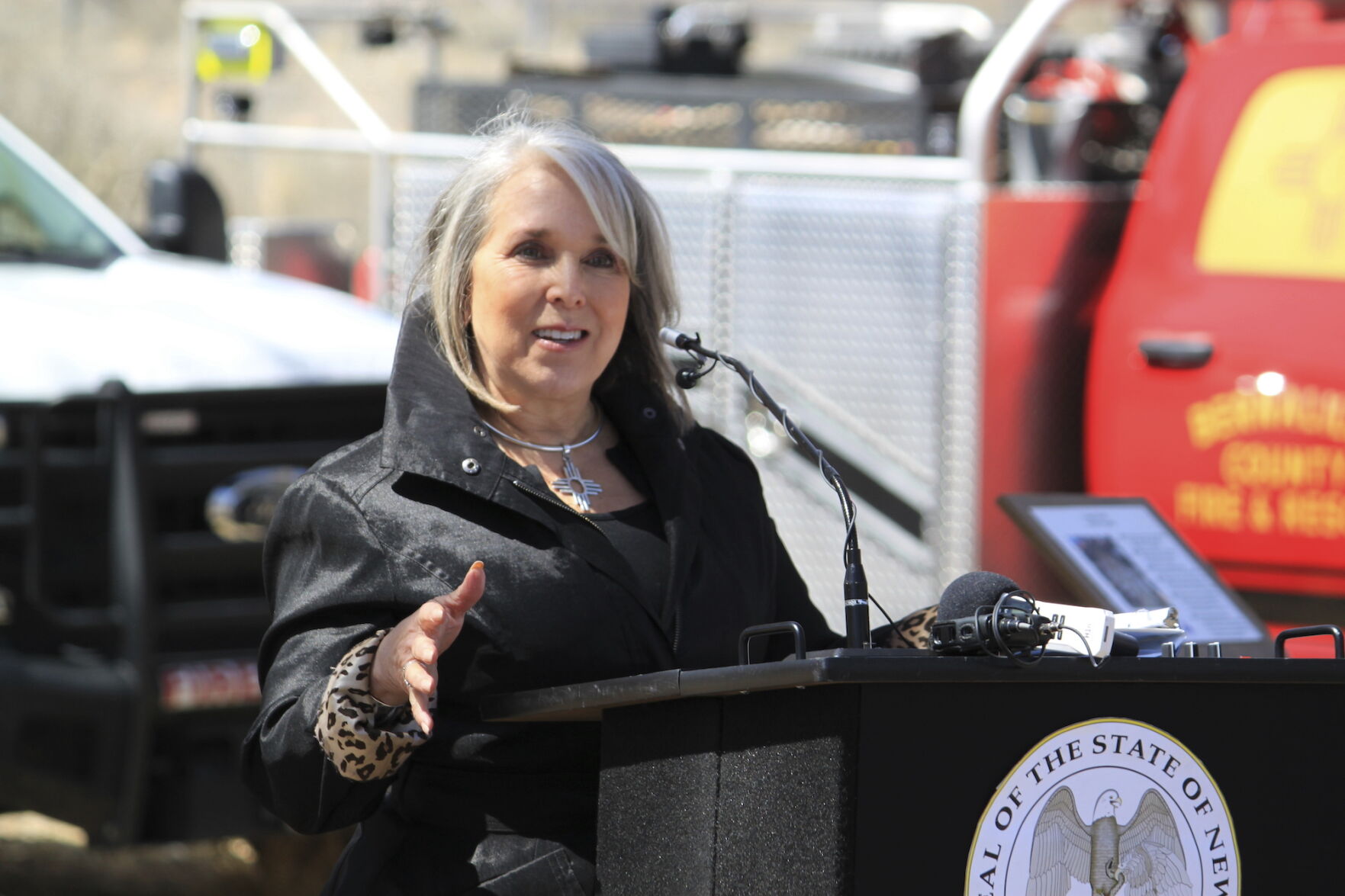
Lujan Grisham reins in tax relief, boosts state spending
SANTA FE – The governor of New Mexico scaled back a tax relief package on April 7 based on concerns it could undermine future spending on public education, health care and law enforcement while signing into law $500 individual tax rebates and the largest proposed spending plan in state history.
Vetoed items within the tax relief package included reduced tax rates on personal income, sales and business transactions as well as proposed credits toward the purchase of electric vehicles and related charging equipment.
Surging oil prices and output in southeastern New Mexico have produced a financial windfall for the state government. In a state with high rates of poverty and low workforce participation, officials estimate a $3.6 billion annual surplus over current spending obligations for the coming fiscal year.
Gov. Michelle Lujan Grisham expressed “grave concerns about the sustainability” of tax changes proposed by the Democratic-led Legislature.
The Democratic governor endorsed one-time rebates, refundable credits of up to $600 per child, a tax break for health care providers and new incentives for the film industry estimated at $90 million a year, but vetoed an array of tax cuts and credits to safeguard state finances.
“Tax cuts will impact our ability to fund important services and programs that our citizens depend on, such as education, health care, public safety, and infrastructure,” the governor warned in a written message to legislators about her line-item changes.
The state would forgo about $247 million annually by 2027 under the tax bill after the governor’s changes. Without changes, tax relief would have soon exceeded $1 billion annually.
At the same time, Lujan Grisham signed into law with few exceptions a $9.6 billion annual spending plan from the Legislature that shores up rural health care networks while underwriting tuition-free college, no-pay day care and new business incentives. The plan represented a roughly 14% spending increase for the fiscal year that runs from July 2023 through June 2024.
Governor signs bill to limit prescribed burns
SANTA FE – New Mexico Gov. Michelle Lujan Grisham signed legislation on April 4 that aims to prohibit prescribed burns – wildland fires set purposefully as a means of forest management – during periods of increased fire risk.
The Democratic governor also signed a lengthy list of other measures that expand to $1 million benefits for relatives of firefighters who die in the line of duty, significantly increase pay for most statewide elected officials and improve public instructions for use of the opioid overdose-reversing drug naloxone.
The fire safety bill from Republican state Rep. Ron Griggs of Alamogordo responds in part to devastating 2022 fires in New Mexico that were allegedly lit deliberately and escaped control.
The Calf Canyon Hermits Peak Fire started April 19, 2022, and burned up more than 530 square miles (1,375 square kilometers) in northern New Mexico. It was attributed to a prescribed burn set by the U.S. Forest Service that was stoked by heavy winds, amid seasonally parched conditions.
The pay hike bill signed by the governor will deliver the first raises in 20 years to elected officials including the secretary of state, attorney general, state lands commissioner, state treasurer, state auditor and lieutenant governor.
Those salaries will increase by as much as 70% to at least $144,000.
MONTANA
Judge cancels gas plant permit over climate impacts
BILLINGS – A judge canceled the air quality permit for a natural gas power plant that’s under construction along the Yellowstone River in Montana citing worries over climate change.
State District Judge Michael Moses ruled on April 6 that Montana officials failed to adequately consider the 23 million tons of planet-warming greenhouse gases that the project would emit over several decades.
The $250 million plant is being built by Sioux Falls, South Dakota-based NorthWestern Energy and would operate for at least 30 years. The company will appeal the order, a spokesperson said in a statement on April 7, saying that the ruling could jeopardize reliable power service.
Montana officials had argued they had no authority to regulate greenhouse gas emissions. They also said that because climate change is a global phenomenon, state law prevented them from looking at its impacts.
But Moses said officials from the Montana Department of Environmental Quality had misinterpreted the law. He ordered them to conduct further environmental review and said they must gauge the climate change impacts within Montana in relation to the project. Major flooding on the Yellowstone last year wiped out bridges and triggered widespread evacuations following extreme rains, which scientists say are becoming more frequent as the climate changes.
The plant would produce up to 175 megawatts of electricity. Its air permit was challenged in a 2021 lawsuit from the Montana Environmental Information Center and Sierra Club.
ARIZONA
House expels GOP lawmaker over bribery accusations
PHOENIX – The Arizona House of Representatives on April 12 expelled a Republican lawmaker who organized a presentation making unsubstantiated accusations that a wide range of politicians, judges and public officials of both parties took bribes from a Mexican drug cartel.
Rep. Liz Harris, a prominent supporter of discredited election conspiracies, was kicked out of the legislature in a bipartisan vote after the presentation by an Arizona insurance agent. The lawmaker’s ouster came a day after the House Ethics Committee determined Harris had engaged in “disorderly behavior” in violation of the chamber’s rules.
The committee’s report said Harris knew the person she invited to a legislative hearing in February would accuse her colleagues of criminal activity, that she took steps to hide it from House leaders ahead of time and then misled the committee investigating her actions.
Harris organized a daylong hearing of the House and Senate elections committees in February. At the end, a Scottsdale insurance agent, Jacqueline Breger, gave a 40-minute presentation alleging without reliable evidence that two women working on behalf of Mexico’s Sinaloa cartel used fraudulent mortgage documents to launder money to a range of officials.
All Democrats and about half of Republicans voted to expel Harris in a 46-13 vote. She’s the first lawmaker to be expelled in Arizona since Rep. Don Shooter was kicked out for sexual misconduct amid the 2018 #MeToo movement.
By law, Harris must be replaced by a Republican. The Maricopa County Board of Supervisors will choose from a list of three candidates nominated by the GOP precinct committeemen in her district.
WYOMING
Casper records largest snowstorm in its history
The blizzard that paralyzed Casper in the first week of April broke two all-time records, the National Weather Service in Riverton says. It dropped 37.4 inches of snow on Casper on April 3 and 4, making it the largest snowstorm since records began in 1937, the agency said.
That shatters the previous record of 31.3 inches set in December 1982.
On April 3, 26.7 inches of snow fell on Casper, the weather service said. It was the largest snowfall on any single day since records began.
It broke the previous record of 24.3 inches, which was set on Christmas Eve of 1982.
The storm came on the tail end of a especially harsh winter for Wyoming. Through April 4, more than 10 feet of snow had fallen on Casper this season, making it the third snowiest on record, Jason Straub, a lead meteorologist with the National Weather Service’s Riverton office, told the Star-Tribune.
The record-breaking snowstorm closed roads and schools and effectively isolated Casper from the outside world, with all highways and its airport shut down for a time.

Colorado GOP request to block unaffiliated voters from receiving Republican primary ballots denied by judge
Ernest Luning
ernest.luning@coloradopolitics.com
Updated 7 hours ago
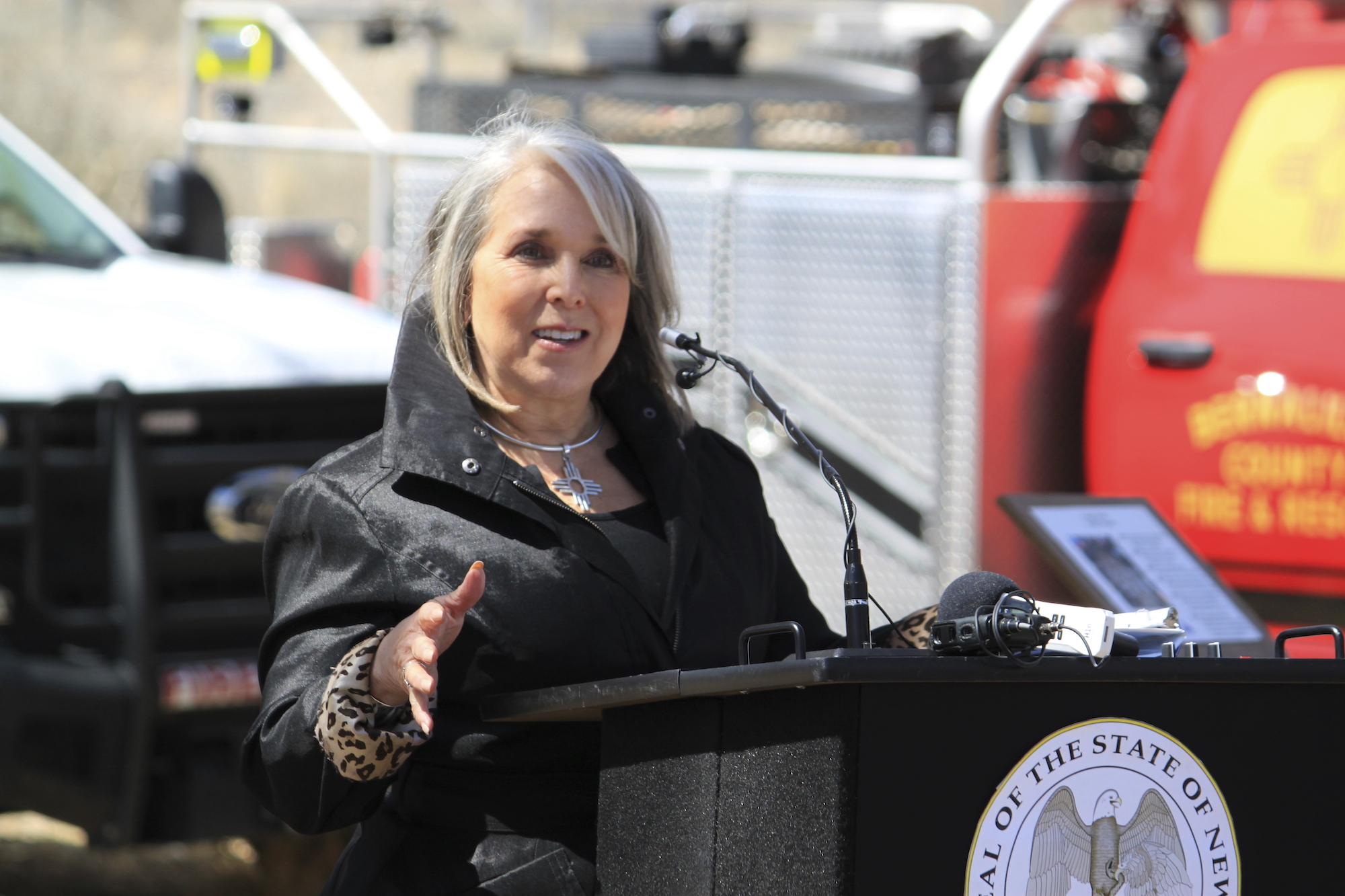
A federal judge on Tuesday denied the Colorado Republican Party’s request for an emergency injunction barring unaffiliated voters from participating in the state’s upcoming Republican primary election. U.S. District Court Judge Philip A. Brimmer said that preventing unaffiliated voters from...
Aurora not liable for suspended officer’s attack on woman, federal court rules
Michael Karlik
michael.karlik@coloradopolitics.com
Updated 8 hours ago
The Denver-based federal appeals court decided on Monday that the city of Aurora cannot be held liable for an officer’s attack on a woman while he was serving a suspension for shooting a different person. Wyoma Martinez filed suit against...

Colorado’s unprecedented AI law can’t be enforced yet, judge rules
Marianne Goodland
marianne.goodland@coloradopolitics.com
Updated 5 hours ago
A federal judge on Monday issued a delay in enforcing Colorado’s artificial intelligence law, touted by backers as a tool to protect consumers and residents from algorithmic discrimination but which critics called heavy-handed and unworkable. The lawsuit against Senate Bill...
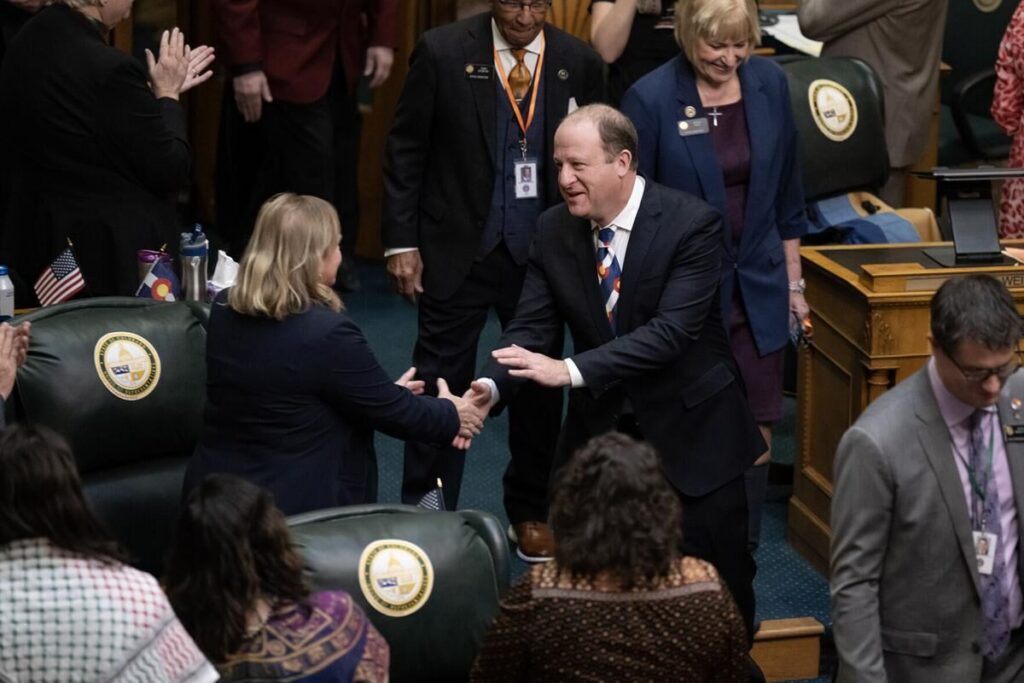
Colorado bill dealing with administration lobbyists garners support but faces potential veto from Polis
Marianne Goodland
marianne.goodland@coloradopolitics.com
Updated 10 hours ago
A bill that would require lobbyists who work for the state government to abide by the same rules that govern their peers representing for-profit companies and organizations is winning support in both chambers of the Colorado legislature. Gov. Jared Polis,...
Colorado’s $46.8 billion budget nears finish line. Here’s what changed
Marianne Goodland
marianne.goodland@coloradopolitics.com
Updated 7 hours ago
Colorado legislators on Tuesday adopted a $46.8 billion plan to pay for state operations and programs next year after a joint panel reconciled differences between the House and Senate versions. A small group of lawmakers had resolved those differences. Lawmakers...
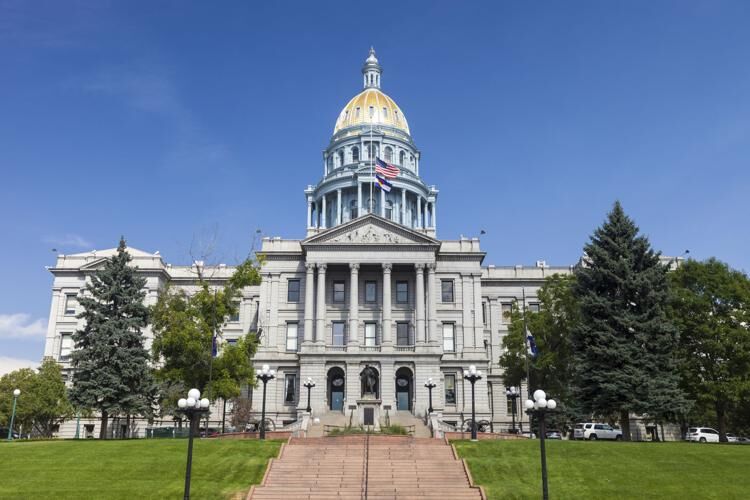
Colorado lawmakers propose security overhaul after rise in political attacks nationwide
Marissa Ventrelli
marissa.ventrelli@coloradopolitics.com
Updated 11 hours ago
Colorado legislators unveiled a 60‑page bill that would expand protections for elected officials, staff, and judicial employees, responding to a string of high‑profile attacks nationwide and growing safety concerns inside courthouses and the state Capitol. Part of their effort is...

Lauren Boebert’s private financial records sought by Biden’s DOJ, U.S. House committee says
Colorado Politics
colorado-politics@coloradopolitics.com
Updated 13 hours ago
A U.S. House committee is seeking documents from a Colorado bank, saying new information shows that the Biden administration might have sought the private financial records of U.S. Rep. Lauren Boebert. This comes as part of a congressional investigation into...
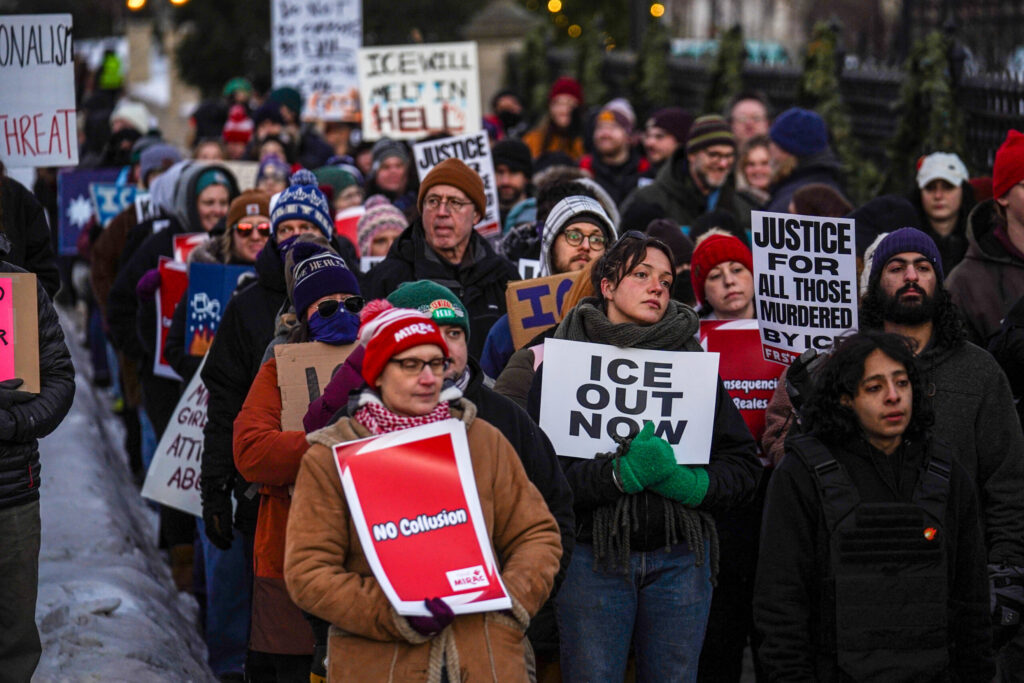
Colorado Democrats eye new state requirements for ICE facilities
Marissa Ventrelli
marissa.ventrelli@coloradopolitics.com
Updated 7 hours ago
Colorado state representatives voted along party lines to pass a bill establishing additional inspection requirements for immigration detention centers and expanding civil liabilities related to sharing information with federal immigration authorities. It’s the latest proposal to come out of the...

Lawsuit from men wrongly arrested for Denver shooting dismissed by federal appeals court
Michael Karlik
michael.karlik@coloradopolitics.com
Updated 13 hours ago
The Colorado-based federal appeals court dismissed a lawsuit last week from two men who were arrested as suspects in a downtown Denver shooting when they instead appeared to be the targets. Trevor Puller and Deandre Hutchinson alleged that they were...

Johnson delays votes on major bills as GOP infighting derails agenda
Hailey Bullis and Lauren Green, Washington Examiner
hailey.bullis.and.lauren.green.washington.examiner@gazetteedit.wpenginepowered.com
Updated 13 hours ago
Strife within the House Republican conference is once again on public display, derailing Speaker Mike Johnson’s (R-LA) plans to pass three major pieces of legislation this week. The House Rules Committee was set to meet at 8 a.m. after having...
PREV
PREVIOUS

Gazette newspapers nab multiple Society of Professional Journalist Top of the Rockies awards
The Gazette family of newspapers – Denver Gazette, The Gazette of Colorado Springs and Colorado Politics – earned dozens of journalism awards, including 11 first place finishes and the contest’s most prestigious honors, from the Society of Professional Journalists Top of the Rockies 2023 Contest. Denver Gazette reporter Carol McKinley was honored as Colorado’s Journalist of the […]
THIS WEEK AT THE COLORADO CAPITOL | Week of April 24, 2023
Here are legislative committee hearings and other events of note for the week ahead at the Colorado state Capitol. This is the final weekly calendar of the 2023 session. When the General Assembly reaches the last two weeks of the session, which happens on April 25, legislative rules allow for committee hearings to take place […]