

Colorado Democratic lawmakers roll out four bills they say will rein in gun violence
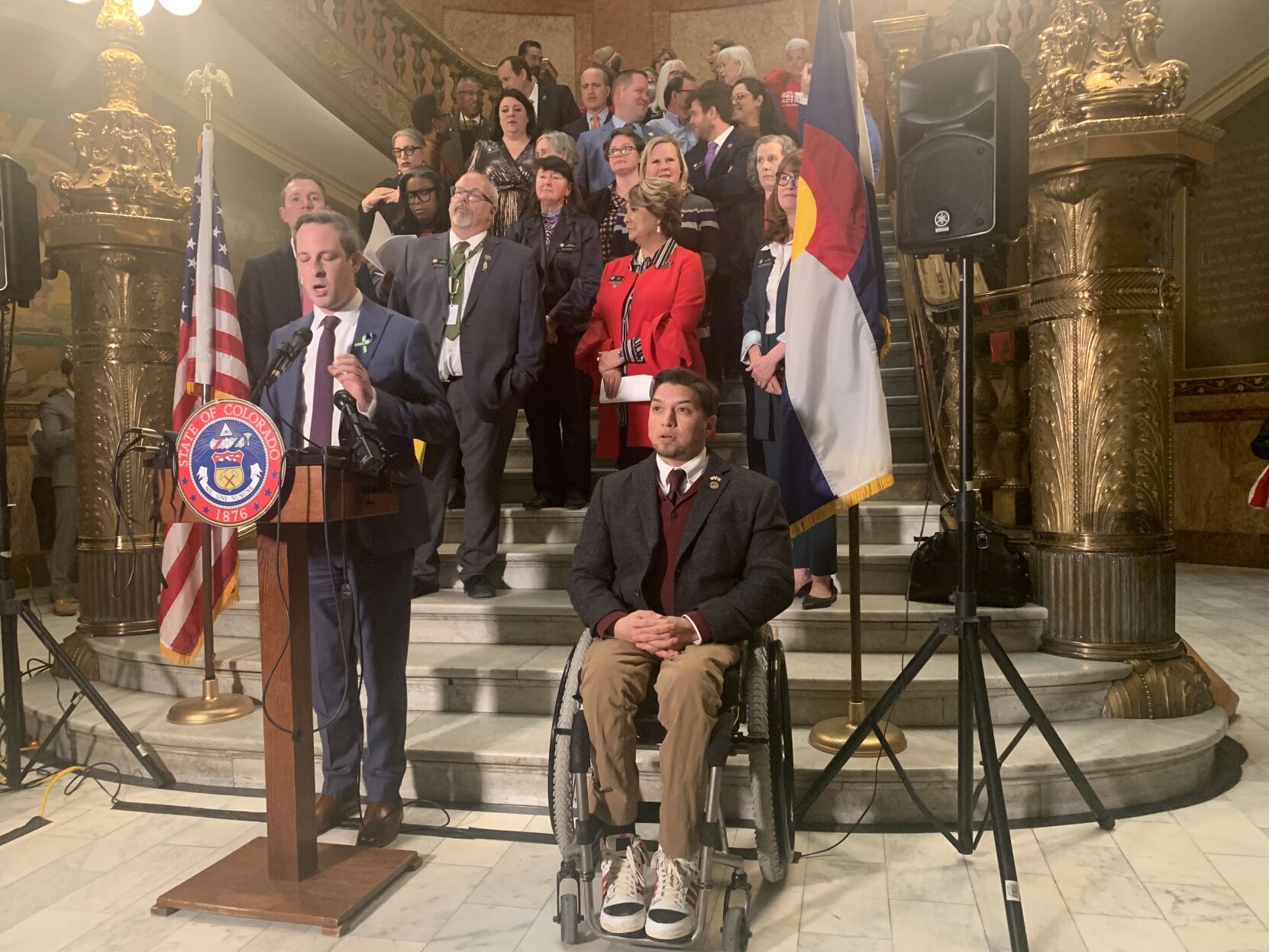
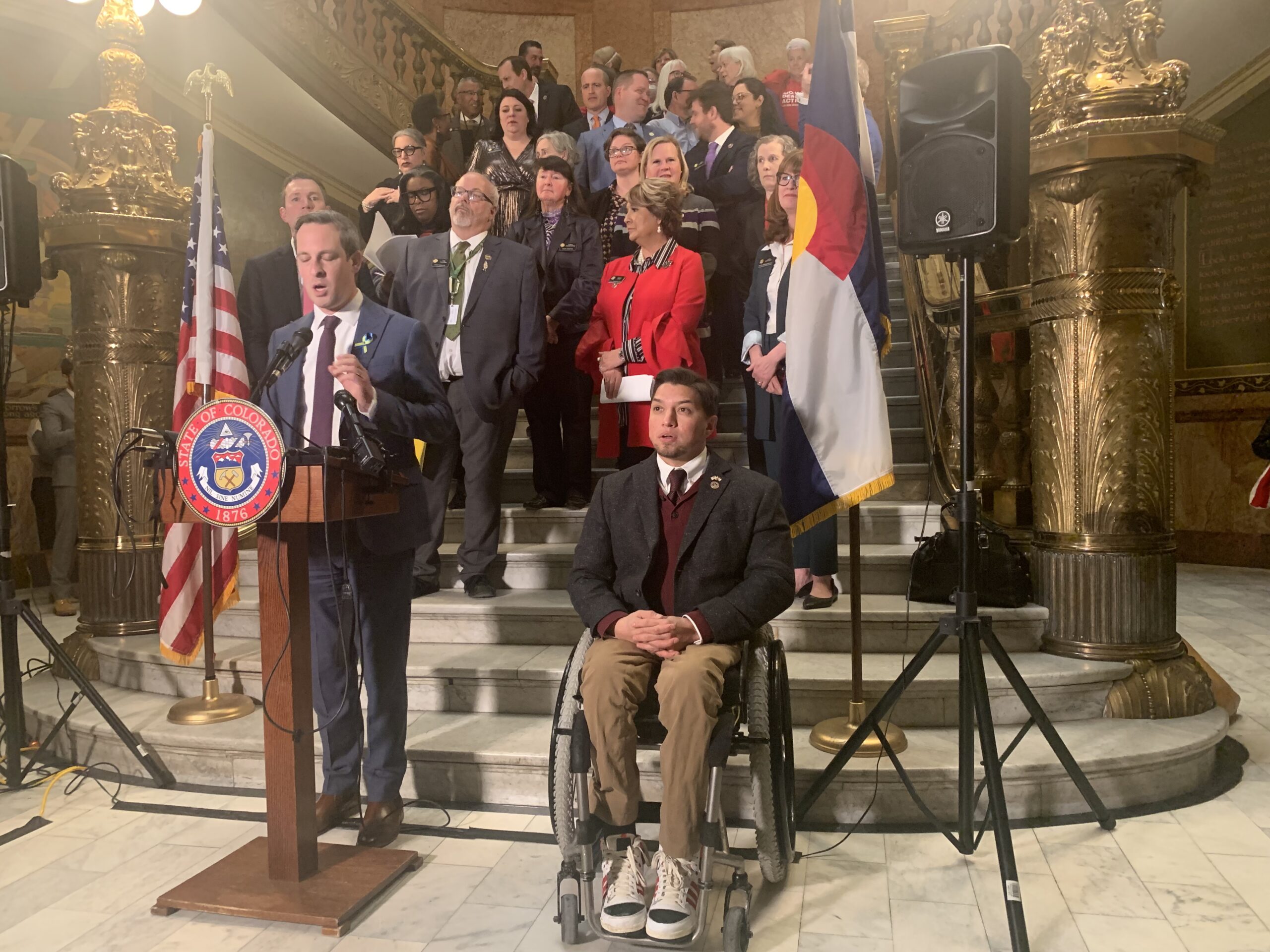
One day after a dozen Colorado high schools went on lockdown because of fake threats that included audible sounds of gunfire, Democrats at the state Capitol announced the introduction of a package of bills they say would address gun violence.
In a noon press conference that was halted midway by a fire alarm, Democratic lawmakers announced they will introduce four bills to allow civil lawsuits against gun businesses, strengthen the state’s “red flag” law, bar the purchase of firearms for 18- to 20-year-olds, and establish a three-day waiting period for purchasing firearms.
This state is no stranger to gun violence, said Senate President Steve Fenberg, D-Boulder, one of the sponsors of the bill on the Extreme Risk Protective Order, more popularly known as the “red flag” law.
“The time is now for Democrats to take the lead when it comes to fulfilling our promise to create safer communities and pass real solutions that will cut down on gun violence in our communities today,” he said. “We are taking a big step towards making that dream a reality.”
In response, House Minority Leader Mike Lynch, R-Wellington, said Republicans will use every tactic to try to block passage of the proposed bills.
“We will fight this as vigorously” as possible, Lynch said, calling the bills an opportunity to turn law-abiding citizens into criminals.
Lynch also said the bills, if signed into law, face an uphill battle in rural Colorado, where he expects they will not be enforced, including in his home county of Weld.
“This puts law enforcement in a dangerous situation,” Lynch said.
House Majority Leader Monica Duran, D-Wheat Ridge, who will sponsor the bill on raising the minimum age for purchasing a firearm from 18 to 21, called it a common sense law that will help reduce the incidence of teen suicide.
Duran confirmed the bill will cover certain mechanisms that attach to guns, such as stabilizing braces. Exemptions include hunting, when the person is supervised by an adult family member. Exemptions also extend to active-duty military and law enforcement. As to young people on farms or ranches who use firearms to ward off predators, Duran said they would have to be supervised by an adult.
Sen. Tom Sullivan, D-Centennial, who authored the red flag law in 2019 and will sponsor the measure modifying it, said it expand the list of individuals who can file for an ERPO order. Specifically, the list would include health care and mental health providers, educators and district attorneys.
That promoted a question about whether the proposal would require a health care professional to violate the confidentiality of the doctor-patient relationship. Sullivan said he doesn’t want to get in the way of that relationship but noted the therapist who treated the man who killed his son at the Aurora theater shooting in 2012 had no way to alert law enforcement that he was dangerous.
“There is going to be something for these doctors to do,” Sullivan said.
The bill also includes liability safeguards for those who seek those orders, as well as an education program to inform the public about the changes, to be funded with gifts, grants and donations.
“I will never stop in my quest to save lives form this public health crisis,” Sullivan said, sometimes through tears for his son, Alex.
The third bill, to be sponsored by Rep. Judy Amabile, D-Boulder, will establish a waiting period for buying firearms. Her son, who was in a mental health crisis, attempted several years ago to purchase a gun to kill himself, and it was only because of pleading by Amabile and her husband that the gun shop owner agreed not to sell it, she said.
“Waiting periods save lives,” Amabile said.
After a 30-minute delay caused by the fire alarm and subsequent evacuation of the state Capitol, Amabile resumed her story, calling the alarm a “showstopper.”
A waiting period won’t save everyone, Amabile said, but it will save people who are in similar situations to what her son experienced.
“No fire alarm is going to silence this sister,” said Jane Dougherty, a Colorado resident whose sister was murdered at Sandy Hook Elementary 10 years ago. She spoke of the efforts to stop gun violence in the last decade, fighting off recalls of Democratic lawmakers – two of which succeeded – and what she described as “dangerous” bills intended to overturn the 2013 laws.
Those 2013 laws added universal background checks, including a rule requiring firearms purchasers to pay for them, and a 15-round limit on the ammunition magazines.
The last bill deals with allowing victims of gun violence to file civil lawsuits against firearms businesses. It’s a work-around to a 2001 federal law, known as Protection of Lawful Commerce in Arms Act, which has shielded the firearms industry from liability when someone uses a firearm unlawfully.
Sponsor Sen. Sonya Jaquez Lewis, D-Longmont, said the bill will give victims an access to justice. She noted that three states, including Colorado, have the most punitive language that stops gun violence survivors from having their day in court. The bill will create a code of conduct that will hold firearms businesses accountable, she said.
While the four bills took center stage Thursday, several more are anticipated. Most notably, they would include a ban on so-called “ghost guns,” which Gov. Jared Polis also called during his state of the address in January.
Ghost guns are assembled from parts or kits or even a 3-D printer, but with one unfinished piece, such as a frame or receiver, that requires the purchaser to drill to make the gun functional. A loophole in federal law means these firearms don’t need serial numbers or a background check for purchase.
Bills on concealed weapons and insurance could also still surface.
But an early draft of a bill to ban assault weapons, which garnered lots of publicity and angst from gun rights advocates, is now on hold.
In advance of Thursday’s announcement, Rocky Mountain Gun Owners tweeted it is ready to sue if the bills pass. A representative for the group tried to ask questions during the news conference hosted by Democrats but was shouted down by lawmakers.
A press release Thursday from Adams Arms, which includes among its products retrofit kits for the AR 15, claimed a ban on “stabilizing braces” would turn U.S. citizens into felons overnight.
The company said its stabilizing braces are used by disabled veterans to fire shorter, handheld guns safely.
U.S. Attorney General Merrick Garland signed off on a rule in January on those braces, which “outlines the factors [the Bureau of Alcohol, Tobacco and Firearms] would consider when evaluating firearms equipped” with a brace to determine whether the weapon is a rifle and subject to the Gun Control Act of 1968 or a rifle subject to the National Firearms Act. The latter imposes a tax, as well as requiring registration of shotguns and rifles with barrels less than 18 inches long.
The ATF rule exempts braces used by those with disabilities. Twenty-six “red” states are now suing the federal government over the new rule.
“Republicans are the only ones that are standing between these ongoing legislative assaults on Coloradans abilities to protect themselves, their families, and their homes,” Lynch said in a statement. “The radical members of the Democrat caucus have taken advantage of their super majority to push through an anti-constitution, anti-freedom, and anti-Colorado agenda.”
He added his caucus, too, is concerned about gun violence and that Republicans would seek solutions “without compromising Coloradans’ constitutional rights.”
marianne.goodland@coloradopolitics.com


Colorado justices agree to review insurance question that has divided federal judges
Michael Karlik
michael.karlik@coloradopolitics.com
Updated 14 hours ago
The Colorado Supreme Court granted a federal judge’s request on Friday to address an issue that has produced conflicting answers in policyholders’ lawsuits against insurance companies over unpaid benefits. “Parties (and judges) regularly spend undue time and money fighting in...

Farmworker overtime bill advances after lengthy debate in Colorado Senate
Marianne Goodland
marianne.goodland@coloradopolitics.com
Updated 15 hours ago
The Colorado Senate on Tuesday narrowly advanced a bill to raise the overtime threshold for agricultural workers, defeating more than a dozen amendments from its leading opponent aimed at rewriting the measure. As introduced, Senate Bill 121 would raise the threshold for...

Colorado Agriculture Day: A feast for the ears, eyes and stomachs
Marianne Goodland
marianne.goodland@coloradopolitics.com
Updated 13 hours ago
Gov. Jared Polis, legislators and friends of agriculture gathered at the state Capitol on Tuesday to celebrate Colorado Agriculture Day. The annual recognition of the contributions of Colorado farmers, ranchers and agribusiness drew hundreds to the Capitol’s west foyer, where...

Pueblo man held in Afghanistan for more than a year released, Taliban says
The Associated Press
the-associated-press@coloradopolitics.com
Updated 13 hours ago
KABUL, Afghanistan — Afghanistan’s Taliban authorities on Tuesday released American academic Dennis Coyle after holding him for over a year, with the foreign ministry saying the release came on the occasion of Eid al-Fitr, the Muslim holiday that marks the end of the...

Mortgage rates rise in defiance of Trump’s $200 billion push, hurting GOP on affordability
Zach Halaschak, Washington Examiner
zach.halaschak.washington.examiner@gazetteedit.wpenginepowered.com
Updated 17 hours ago
After months of a gradual decline, mortgage rates are trending back up because of the war with Iran, defying President Donald Trump’s efforts to lower them and undercutting Republicans on the key issue of affordability. As of Monday, the average rate on a 30-year...

Federal judge dismisses background screeners’ challenge to Colorado law
Michael Karlik
michael.karlik@coloradopolitics.com
Updated 18 hours ago
A federal judge dismissed a challenge on Friday to a portion of Colorado law that prohibits certain information from being included in consumer reports, in what seemed to be a conflict with federal law. Congress originally enacted the Fair Credit...
Wildlife agency asks for $450,000 to bring more wolves to Colorado
Marianne Goodland
marianne.goodland@coloradopolitics.com
Updated 11 hours ago
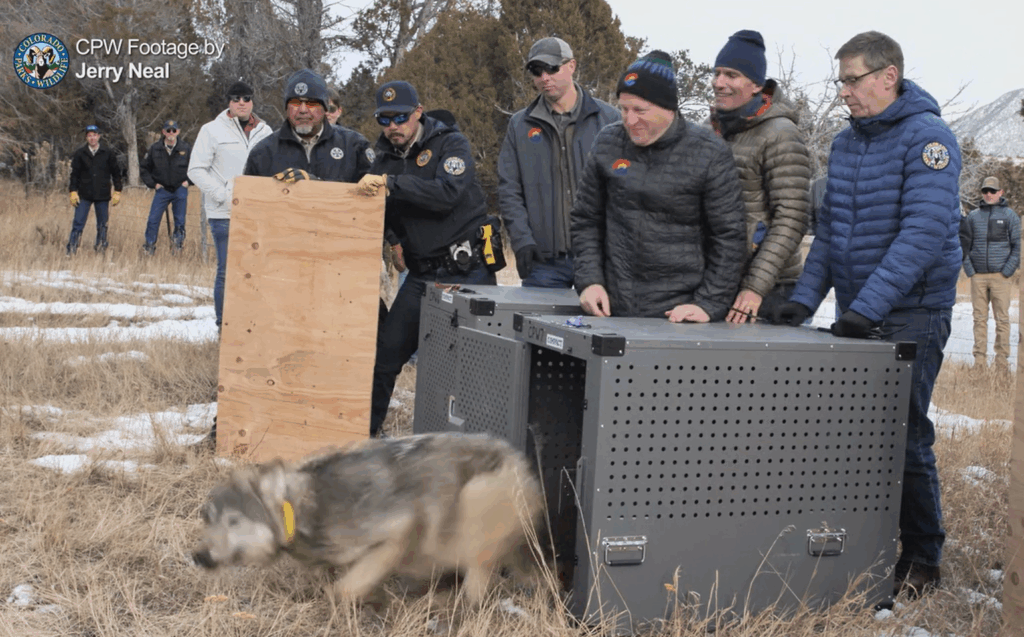
The panel of legislators charged with crafting the budget on Monday rejected a proposal that proponents said would increase transparency around how much Colorado Parks and Wildlife spends to bring additional wolves into the state. At the same time, the...
Hickenlooper primary challenger Julie Gonzales endorsed by national progressive group Indivisible
Ernest Luning
ernest.luning@coloradopolitics.com
Updated 12 hours ago
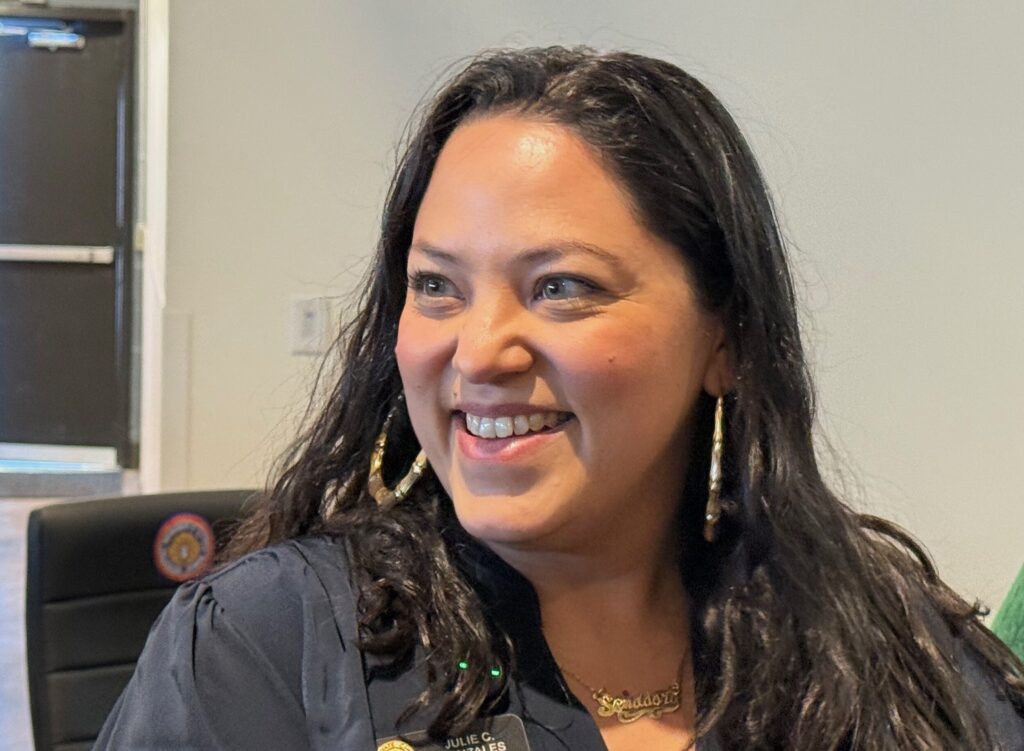
State Sen. Julie Gonzales’ bid to challenge U.S. Sen. John Hickenlooper in Colorado’s Democratic primary got a boost Tuesday from Indivisible when the national arm of the progressive grassroots group endorsed the Denver lawmaker. The national group’s endorsement comes less...
10th Circuit rejects ‘penalty’ for children of naturalized citizens seeking visas
Michael Karlik
michael.karlik@coloradopolitics.com
Updated 12 hours ago
The Denver-based federal appeals court joined three of its peers earlier this month and determined the child of a newly naturalized U.S. citizen is not moved to a longer visa line as a result of his parent gaining citizenship, and...

Colorado lawmakers mull renaming César Chávez Day to Farm Workers Day
Marianne Goodland
marianne.goodland@coloradopolitics.com
Updated 20 hours ago
A Colorado House committee has voted to rename the March 31 state holiday from César Chávez Day to Farm Workers Day, following a national shift prompted by sexual abuse allegations against the labor leader. The State, Civic, Veterans, and Military...
PREV
PREVIOUS

Temporary property tax reduction bill clears second committee
A bill that would allow local governments to temporarily reduce property taxes without having to ask their voters’ permission won unanimous approval from a Senate committee on Thursday. The measure also picked up a major sponsor, increasing its chances of getting to Gov. Jared Polis’ desk. As introduced, Senate Bill 108, lets a local government provide […]

Divided appeals court finds Gilpin County juror not biased against defendant
In a divided ruling on Thursday, Colorado’s second-highest court determined a Gilpin County judge acted appropriately by keeping a woman on a criminal jury after her admission that she “would need to hear that reason why” the defendant did not take the witness stand. A three-judge panel for the Court of Appeals acknowledged a quirk […]