

RTD is not liable for $115 million claimed by light rail contractor, court rules
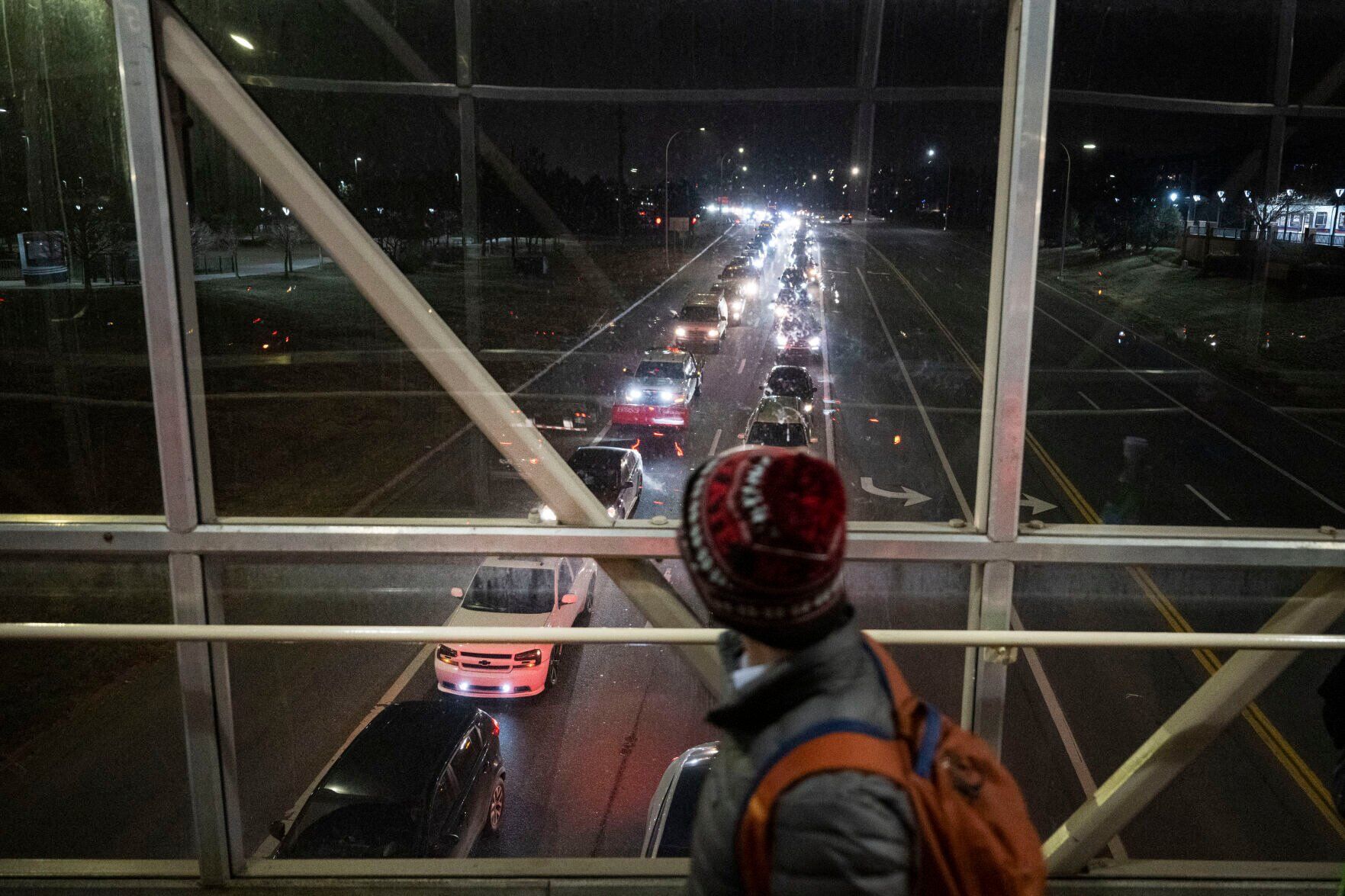
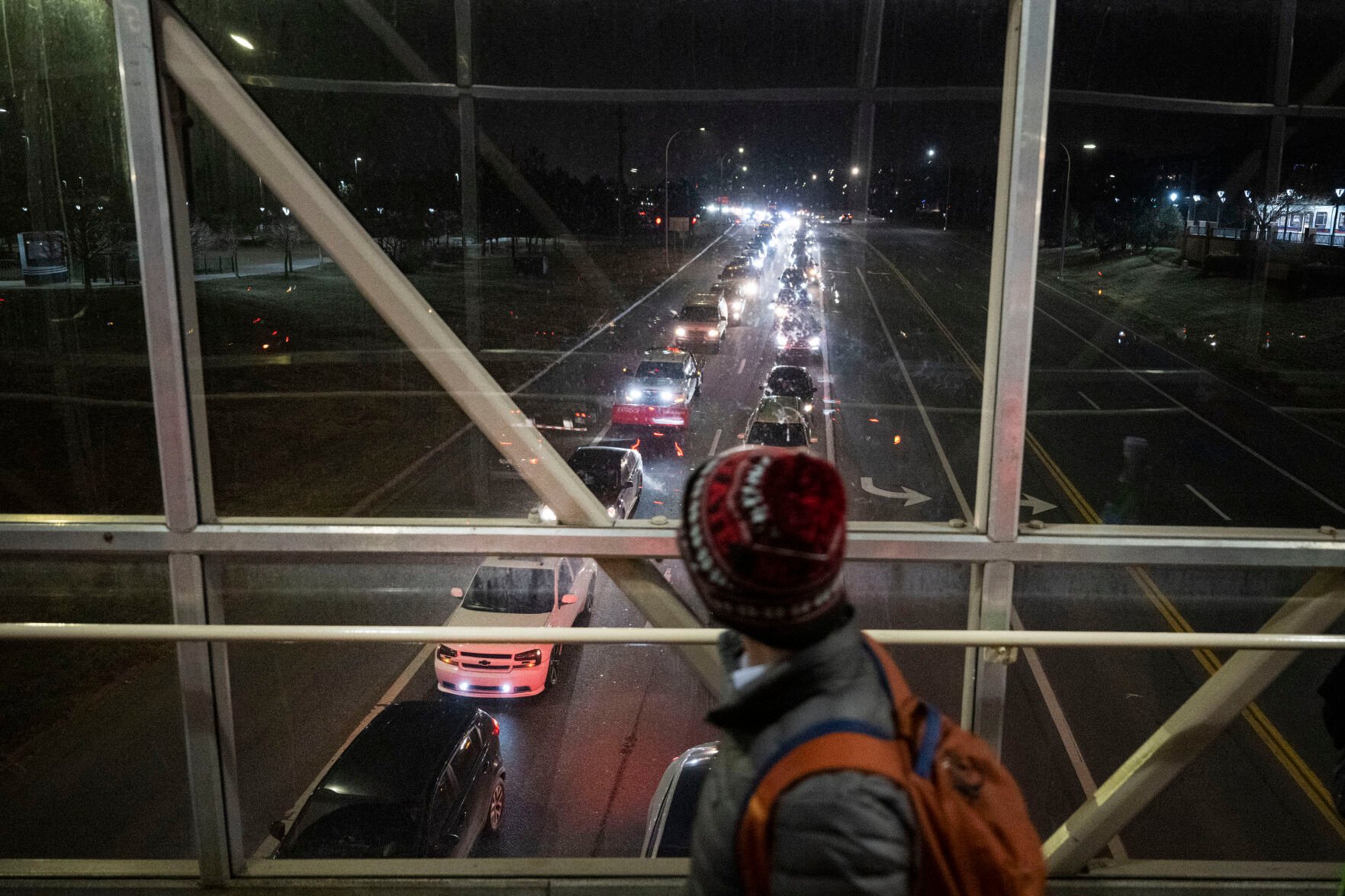
A district court in Denver ruled in favor of the Regional Transportation District in a $115 million dispute over the costs of ensuring vehicle safety at railroad crossings on the A, B and G light rail lines.
The dispute over problems with the Eagle Project has been winding its way through the regulatory and legal system since 2016. Both parties said they are weighing options to appeal.
In denying the complaint, Judge Andrew McCallin laid responsibility for the cost of years of delays over crossing gate activation problems on the contractor, Denver Transit Partners, the consortium led by the Fluor Corp.
“We note the court’s decision and will evaluate our options for moving forward,” said Doug Allen, Denver Transit Partners CEO in a statement to The Denver Gazette. “Despite the commercial disputes giving rise to the court’s decision, we have always enjoyed a strong working relationship with RTD, and we expect that to continue.”
McCallin said delays by Federal Rail Administration, Colorado Public Utilities Commission and RTD in approving the innovative but faulty wireless control system for crossing gates was caused by the contractor’s design and construction of the system.
“The court concludes that the design and operation of the warning system were under the control of DTP,” McCallin argued. “Therefore, it is appropriate to place the regulatory risk on DTP for a warning system that fails to activate properly or as designed.”
The judge also denied RTD’s $11.6 million counterclaim for damages for the delays and investigations into the gate control system failure.
In addition, McCallin dismissed an RTD petition to invalidate the $2.3 billion agreement for breach of contract, saying it would be unfair for RTD to walk away from the contract now.
In a statement to the Denver Gazette, RTD said it “is in receipt of the judge’s ruling and is thoroughly reviewing the decision. The agency is committed to its long-standing partnership with Denver Transit Partners.”
The 34-year contract for Denver Transit Partners to design, finance, build, maintain and operate the rail lines was signed in 2010. Construction started in 2011.
The company is contracted to run the system and collect revenues through 2044.
During testing, problems with the crossing gates and warning systems at highway grade crossings resulted in several near misses between vehicles and trains. Malfunctions included crossing gates coming down too late, or not at all, and staying down too long.
Long delays in the gates going up after the train passes led to traffic snarls and vehicles trying to dodge the gates. The delays also affected emergency services and police responses.
Officials at the Federal Railway Administration granted a waiver for the A-line and B-lines to open for service on the condition that crossing attendants were posted at each grade crossing to control traffic in the event of a system failure.
The last crossing attendants, those on the G-Line, weren’t removed until 2019.

Grand Canyon flooding threatens economy that’s still recovering from a fire | OUT WEST ROUNDUP
Ernest Luning
ernest.luning@coloradopolitics.com
Updated 3 days ago
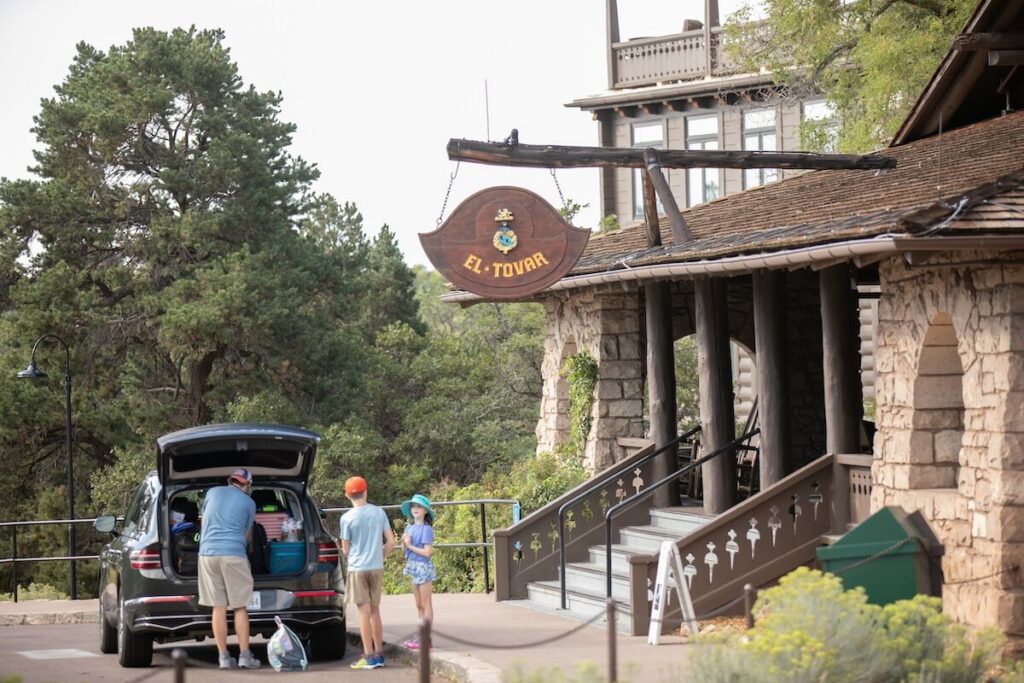
ARIZONA Flooding slams park’s economy Deadly flooding at the Grand Canyon is damaging the area’s economy, with a washed-out pipeline severing the South Rim’s water supply and shutting down lodging at the popular tourist vista for an indefinite period. The...

Immigration reporting measure fuels debate over Colorado’s role with ICE
Marissa Ventrelli
marissa.ventrelli@coloradopolitics.com
Updated 6 hours ago
A coalition of advocacy groups and several district attorneys rallied outside the Colorado Capitol on Thursday to oppose a ballot measure that, if approved by voters in November, would require state and local law enforcement to cooperate with federal immigration...

Colorado Politics Calendar Sept. 14-20
Rachael Wright, Special to Colorado Politics
rachael.wright@coloradopolitics.com
Updated 4 days ago
CoPo’s weekly political calendar will help you find political and public-policy events throughout Colorado. It includes candidate and issue campaign events, public policy meetings, court hearings, state and local party conventions, assemblies, debates, rallies, parades, speaking engagements, traveling dignitary appearances,...
The African roots of three Colorado leaders | SONDERMANN
Eric Sondermann
eric-sondermann@coloradopolitics.com
Updated 3 days ago
Colorado’s political transformation is measured in many ways. A once reliably red state (with asterisks) became purple and is now a rather deep blue. For better or worse, probably the latter, power is ever more consolidated along the Front Range...
Federal judge green-lights civil trial against ex-Fort Collins DUI officer
Michael Karlik
michael.karlik@coloradopolitics.com
Updated 2 days ago
A federal judge ruled on Thursday that Fort Collins’ former “DUI officer” will face a civil trial for allegedly investigating a motorist for impaired driving without any reasonable suspicion to do so. In recent years, several people arrested by Officer...

Denver police reopen 13 sex assault cases after retesting Missy Woods’ CBI work
Jenny Deam
jenny.deam@gazette.com
Updated 6 hours ago
Thirteen previously closed Denver sexual assault cases have been reopened after the city’s crime lab retested DNA evidence once analyzed by former Colorado Bureau of Investigation forensic analyst Yvonne Woods. A police spokesperson told The Denver Gazette the once-closed cases...

Ballot measure aims to shift Colorado sporting goods tax revenue to land, water and wildfire projects
Marissa Ventrelli
marissa.ventrelli@coloradopolitics.com
Updated 22 hours ago
Colorado voters this November will decide whether to direct a share of sales tax revenue from sporting goods — including bicycles and skiing equipment — toward land and water conservation, wildfire prevention and expanding outdoor recreation. Supporters say the measure...

Colorado Supreme Court suspends Mesa County judge pending misconduct investigation
Michael Karlik
michael.karlik@coloradopolitics.com
Updated 1 day ago
The Colorado Supreme Court suspended Mesa County Court Judge Michael J. Grattan on Thursday amid a misconduct investigation. The court’s Sept. 10 order gave Grattan 21 days to explain why his paid suspension should not continue through the end of...

Trump honors the fallen of the 9/11 terrorist attacks during Pentagon speech
Mabinty Quarshie
mabinty-quarshie@coloradopolitics.com
Updated 2 days ago
President Donald Trump and first lady Melania Trump honored the roughly 3,000 Americans killed during the Sept. 11, 2001, terrorist attacks during a ceremony at the Pentagon. The event marking the 25th anniversary of the deadliest attack on American soil...
Colorado Supreme Court changes course, dismisses case about special district bonds
Michael Karlik
michael.karlik@coloradopolitics.com
Updated 1 day ago
The Colorado Supreme Court declined on Friday to decide a dispute between a large-scale Commerce City development and the various districts financing it, after initially showing interest in the ongoing case. Colorado has roughly 2,800 special districts, which are local...
PREV
PREVIOUS

Proposal advances for non-gendered bathrooms, baby changing stations in Colorado public buildings
An effort to add non-gendered bathrooms and baby changing stations to Colorado’s public buildings passed its first hurdle on Monday, receiving approval from a state House committee. If passed by the full legislature, House Bill 1057 would require newly constructed public buildings owned or operated by the government to provide non-gendered bathrooms on each floor […]

Colorado bill letting metro district developers buy their own bonds passes Senate committee; showdown possible
Metro district developers on Tuesday rallied around a bill that would in part provide greater financial disclosures to homebuyers but also continue to allow the builders to buy their own public financing – a direct salvo at another bill that aims to prevent it. The most contentious portion of Senate Bill 23-110 squarely aims to […]