

Colorado’s homeless woes worsened in 2022, federal report shows

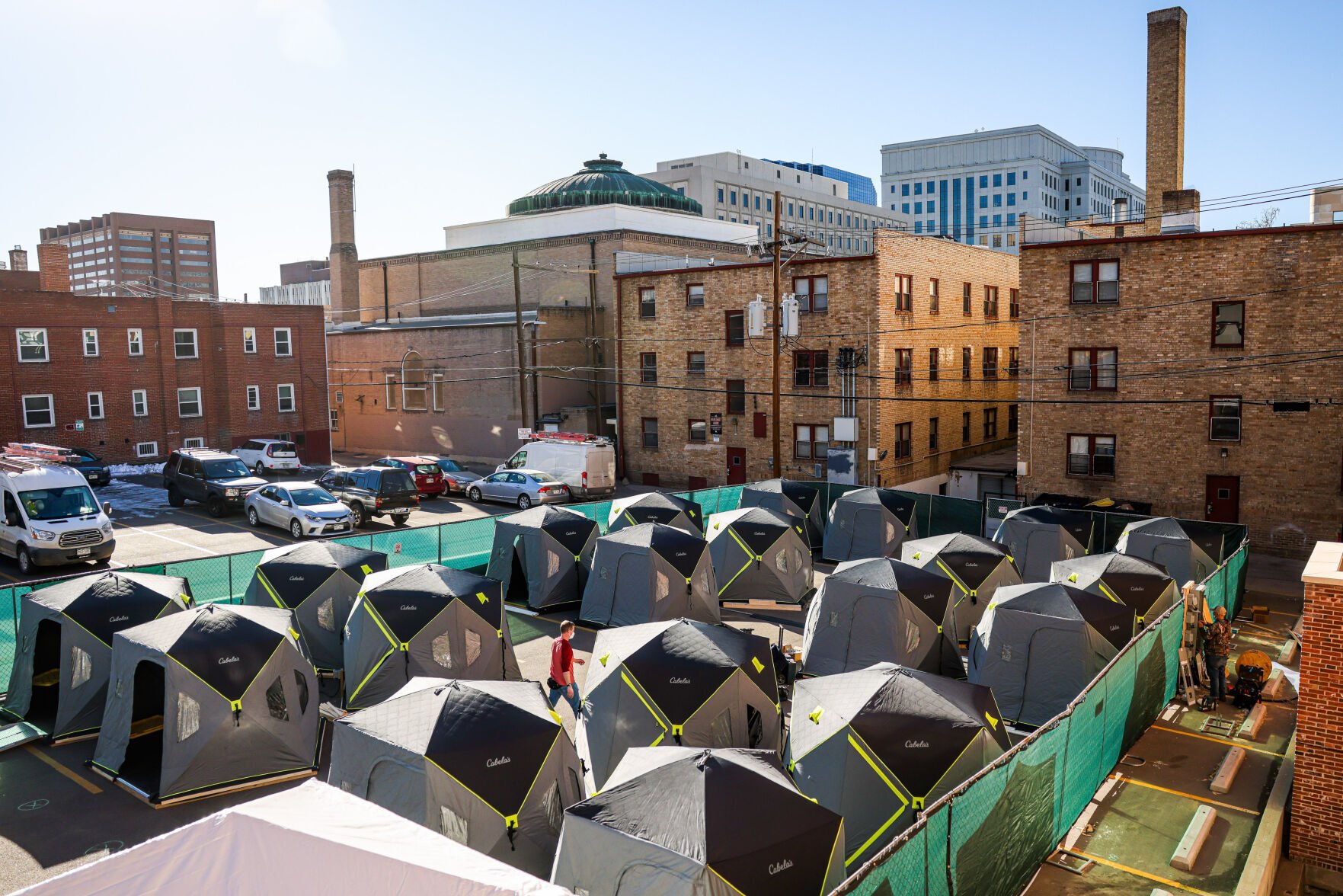
While it’s a far cry from California’s crisis, Colorado’s homeless situation worsened since the onslaught of the COVID-19 pandemic.
An annual federal report counted 10,397 homeless in Colorado in early 2022, an increase of 551 individuals compared to two years ago. When compared to last year, the picture is much worse. The state added nearly 2,000 homeless people since 2021.
The data from the U.S. Department of Housing and Urban Development’s 2022 Annual Homeless Assessment Report reflected a single-night snapshot of homelessness in the U.S., so there could be more – or fewer – homeless people at any given day.
Colorado’s biggest cities – metro Denver, in particular – have struggled to address homelessness, even as state and local governments have poured significant resources into tackling the crisis. A free-market think-thank said local governments and nonprofits are on track to spend nearly $2 billion over a three-year period to tackle homelessness in some counties in the Denver metro area alone.
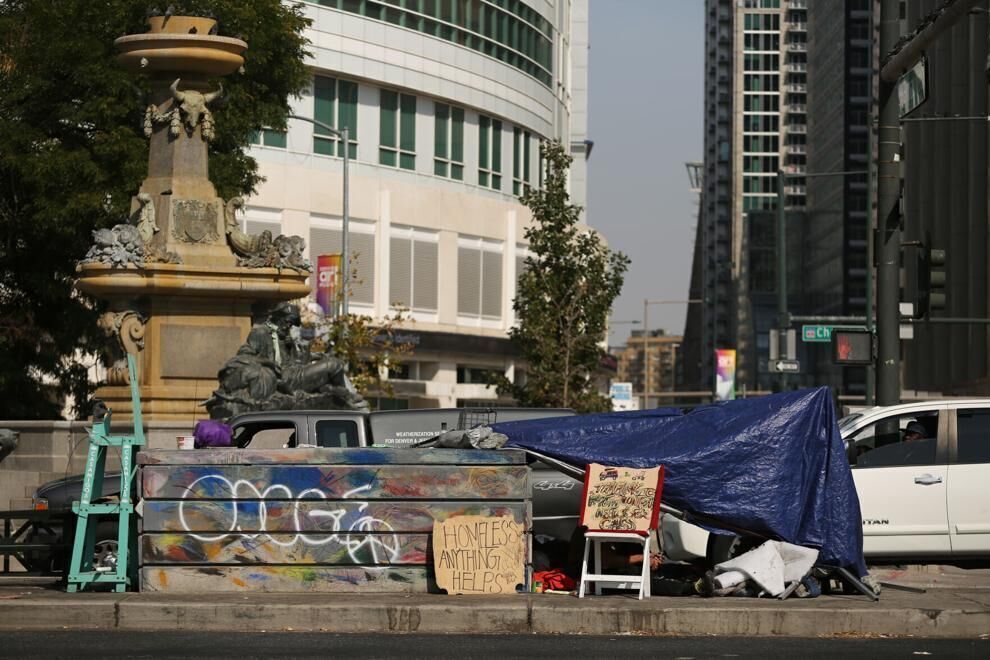
The 2022 federal data showed 3,156 individuals in Colorado lived in the streets, the vast majority of them – 66% – were males, a ratio that largely mirrored Colorado’s total homeless population.
Compared to other states, Colorado ranked No. 13, behind Tennessee’s 10,567. Some of Colorado’s neighbors fared worse – Arizona had 13,553, Texas counted 24,432 and California’s numbers dwarfed every other state with 171,521 homeless people. California’s total alone made up 29% of America’s homeless population, which the federal report put at 582,462. That total is up 0.3% from 2020. The data also showed that, while the number of people in shelters decreased by 1.6% from 2020, the number of people on the street increased by 3.4%.
The Biden administration said COVID-19 pandemic and its economic effects could have led to sharp increases in homelessness but insisted that investments, partnerships and government agency outreach kept the totals from 2020 to 2022 largely identical.
The federal report counted more homeless people in Colorado a decade ago, when the number hovered between 15,000 and nearly 17,000. The homeless population dramatically decreased to roughly 10,000 in 2013, where it more or less stayed since.
The homeless crisis has occupied front and center of the debate on the floors of the state Capitol and in halls of city councils.
The city of Aurora, for example, recently decided to overhaul its homelessness reduction system after a divided council approved a proposal that calls for a new campus, incentivizes people’s participation in supportive services and incorporates conditions people must meet to receive transitional housing. City staff have projected building a campus on city-owned land could cost between $50 million and $70 million.
The city of Denver, meanwhile, earmarked $254 million in its 2023 budget toward homelessness. Of that amount, $20 million would go towards what Mayor Michael Hancock called “housing justice” and include a down payment assistance program seeking to increase home ownership among families of color.
More federal aid is likely coming, with the Biden administration setting an ambitious new goal to reduce homelessness by 25% in the next two years.
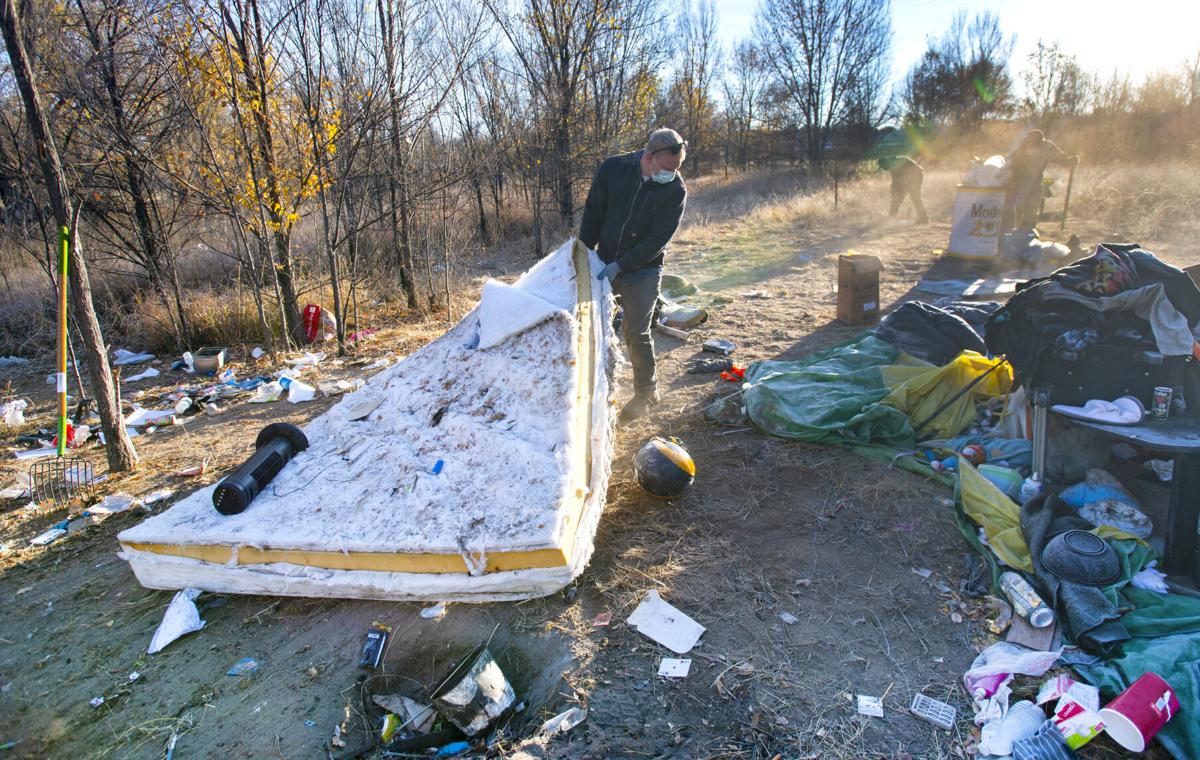
The plan, called “All In,” intends to build off the efforts that ramped up during the COVID-19 pandemic to increase housing and shelter capacity and get people off the streets. It lays out priorities, including adding housing, moving people out of encampments and preventing more people from falling into homelessness.
But the details as to how the administration will slash America’s homeless population by a quarter are sparse so far.
Officials with the U.S. Department of Housing and Urban Development and the Interagency Council on Homelessness didn’t provide many specifics during a background-only briefing on Friday about the new plan. For example, the administration plans to launch a program early next year working with select cities to help them address homeless encampments – but officials declined to say which cities will participate.
For 2023, Biden proposed a $5.8 trillion budget that includes $8.7 billion for homeless housing and services.
During the COVID-19 pandemic, the CARES Act and American Rescue Plan provided billions in rental assistance, housing vouchers and other grants – funds that the administration estimates could be used to provide homes for up to 211,000 households.
Earlier this year, HUD also set aside $322 million for rental assistance and other efforts to get people off the street, as well as 4,000 new subsidized housing vouchers for people who are homeless or fleeing domestic violence, and veterans.
“My plan offers a roadmap for not only getting people into housing but also ensuring that they have access to the support, services, and income that allow them to thrive,” President Joe Biden said in a statement.
HUD Secretary Marcia Fudge added that the Biden administration is “committed to ensuring everyone has a safe, stable place to call home.”
“Data shows that homelessness remains a national crisis, but it also shows that the historic investments this administration has made to address this issue, can work,” Fudge added.
The Associated Press contributed in this article.





US Sen. Michael Bennet qualifies by petition for Colorado’s Democratic gubernatorial primary
Ernest Luning
ernest.luning@coloradopolitics.com
Updated 3 hours ago
U.S. Sen. Michael Bennet on Tuesday became the first gubernatorial candidate to qualify for Colorado’s June primary ballot after state election officials determined the three-term Democrat’s campaign submitted enough valid petition signatures. Bennet is facing Attorney General Phil Weiser in...
Colorado legislators consider $500 million in general fund cuts amid $1.5 billion deficit
Marianne Goodland
marianne.goodland@coloradopolitics.com
Updated 20 hours ago
The legislature’s Joint Budget Committee is working through a list Wednesday of about 150 suggestions to cut as much as $1.5 billion in general fund dollars out of next year’s budget. The largest on the list prepared by JBC staff...
Colorado’s push for affordable housing continues as Gov. Polis signs HOME Act, workforce housing bill
Marissa Ventrelli
marissa.ventrelli@coloradopolitics.com
Updated 19 hours ago
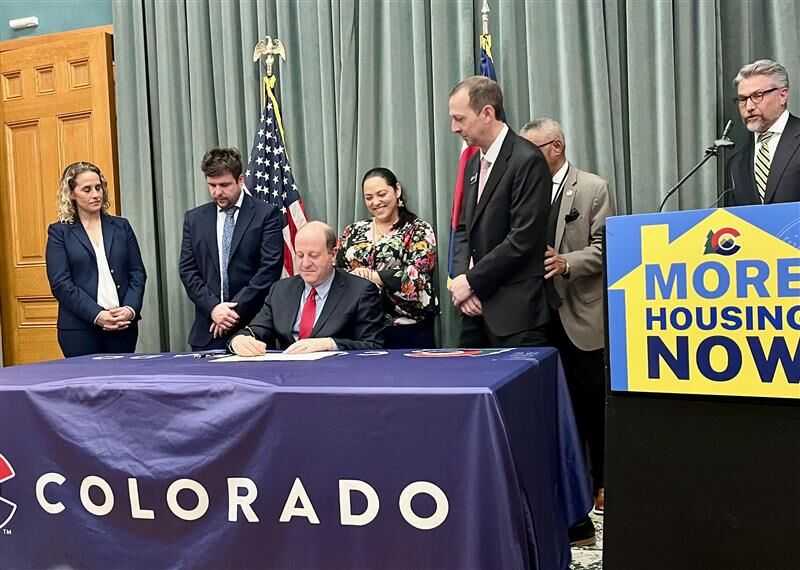
Gov. Jared Polis held the first public bill signing of the 2026 legislative session on Wednesday, signing a pair of housing measures into law. The bills — House Bill 1001 and Senate Bill 001 — are part of Democrats’ affordable...

Colorado farmers begin spring planting season with soaring fertilizer costs and price-gouging fears
Marianne Goodland
marianne.goodland@coloradopolitics.com
Updated 2 hours ago
As Colorado farmers prepare their fields for spring planting, many are sounding the alarm over fertilizer prices that have surged far beyond what they say global supply disruptions can explain. With nitrogen costs up 30% in a matter of days,...
Federal judge refuses to authorize immediate appeal in World Cup trafficking lawsuit
Michael Karlik
michael.karlik@coloradopolitics.com
Updated 20 hours ago
A federal judge declined to authorize an immediate appeal last week of a prior decision allowing companies operating out of Colorado to be sued for allegedly participating in a human trafficking venture involving Filipino laborers who constructed facilities for the...

3 arrested after money laundering, motor vehicle theft investigation in Colorado Springs
Cleo Westin
cleo-westin@coloradopolitics.com
Updated 1 hour ago
Colorado Springs police arrested three people during the execution of an arrest warrant related to accusations of money laundering, motor vehicle theft, identity theft and burglary on Tuesday, according to a blotter entry by police. Carl Goodwin and two others...
Colorado ski resorts announce early closures amid historic snowpack lows, high temperatures
Kyla Pearce
kyla.pearce@gazette.com
Updated 1 hour ago
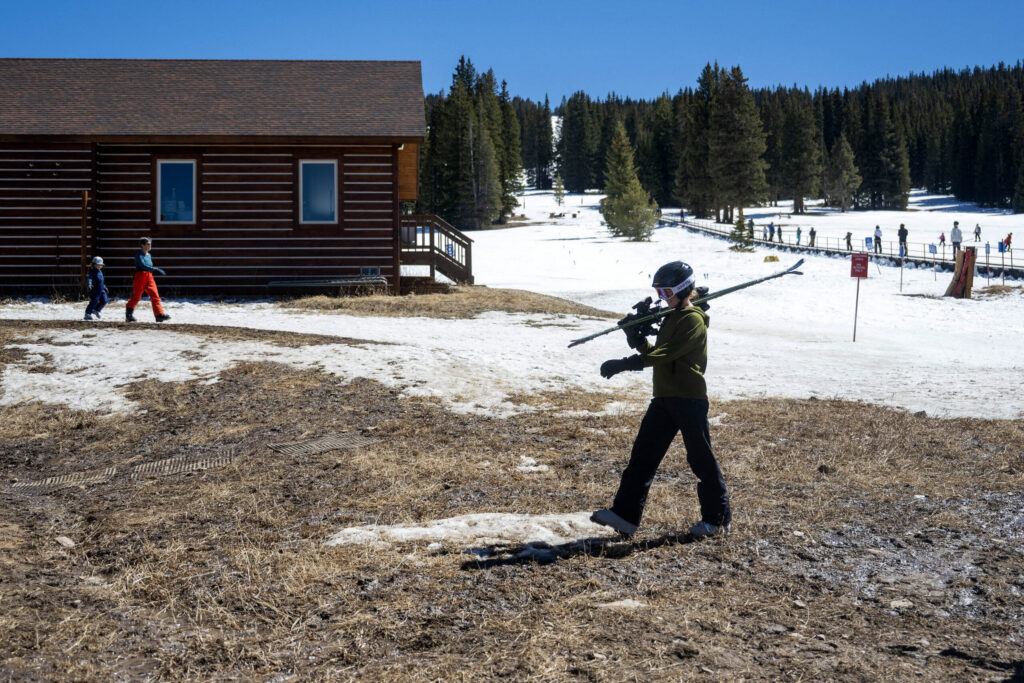
As Colorado’s historically low snowpack year comes to a close and spring conditions take over the mountains, the state’s major ski resorts are announcing closing dates — some of which are weeks before historic closing dates. Most of Colorado’s ski...

Colorado lawmakers approve $150,000 ibogaine study bill targeting PTSD and addiction
Marissa Ventrelli
marissa.ventrelli@coloradopolitics.com
Updated 20 hours ago
The Colorado House Health and Human Services Committee advanced a bill that would create a $150,000 research pilot program to study the safety and effectiveness of ibogaine, a psychoactive compound that claims to treat post-traumatic stress disorder, opioid addiction, and...
Federal judge considers second round of sanctions against ex-Colorado judicial discipline director
Michael Karlik
michael.karlik@coloradopolitics.com
Updated 23 hours ago
A federal judge ordered Colorado’s former judicial discipline director on Tuesday to explain why she should not sanction him a second time for filing documents for improper purposes, such as harassment or delay. U.S. District Court Senior Judge Kathryn H....
Colorado Democrats want large corporations to pay fee if employees are on Medicaid
Marianne Goodland
marianne.goodland@coloradopolitics.com
Updated 20 hours ago
Democrats are seeking to require Colorado’s largest corporations to pay thousands of dollars for each employee that relies on the Medicaid program for health insurance. They don’t have to pay the fee if they can demonstrate offering an “affordable health...
PREV
PREVIOUS

Kristi Burton Brown won't seek reelection as chair of Colorado Republican Party
Weeks after Republicans suffered widespread defeat during Colorado’s midterm election, Kristi Burton Brown announced that she will not run for reelection as chair of the Colorado Republican Party. In an email, Burton Brown announced she plans to shift to policy work and remain heavily involved in the Colorado GOP, but she will not seek another two years […]
Flawed analysis led to reinstating corrections employee after off-duty fatal shooting: Appeals court
Colorado’s Court of Appeals has said an administrative law judge made mistakes when she decided to reinstate a beleaguered Department of Corrections worker fired after fatally shooting a teenager in 2020. A decision last week by the appeals court doesn’t outright uphold his firing, but directs the administrative law judge to redo her analysis based […]